admin
admin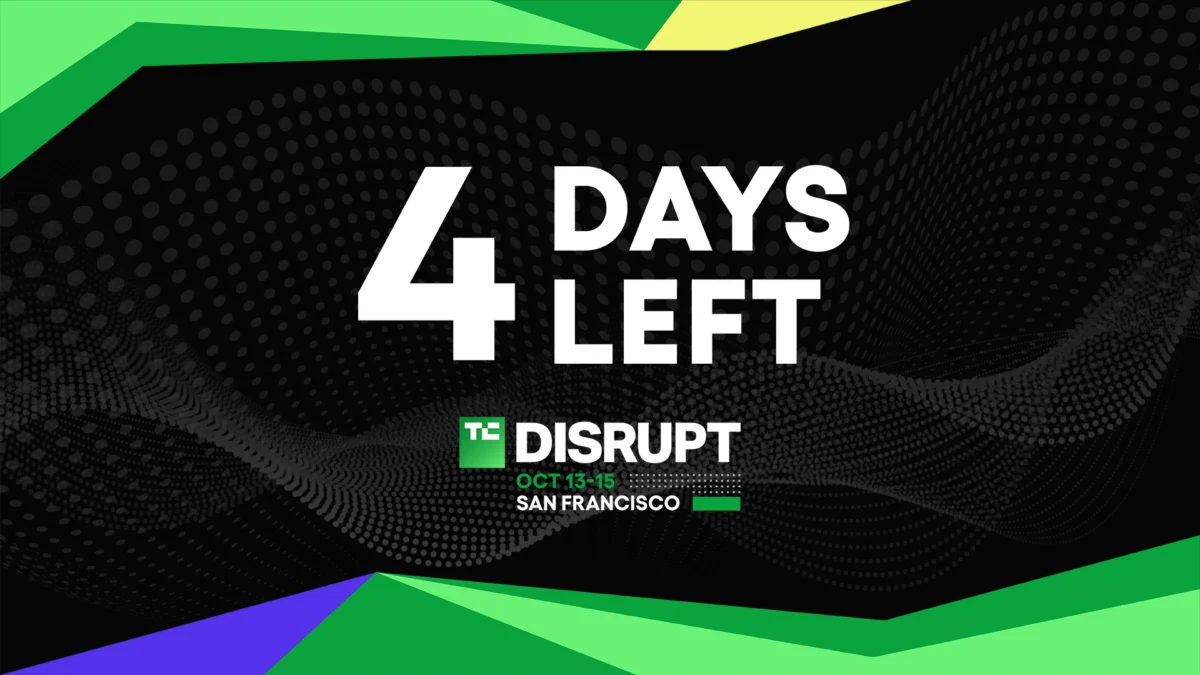
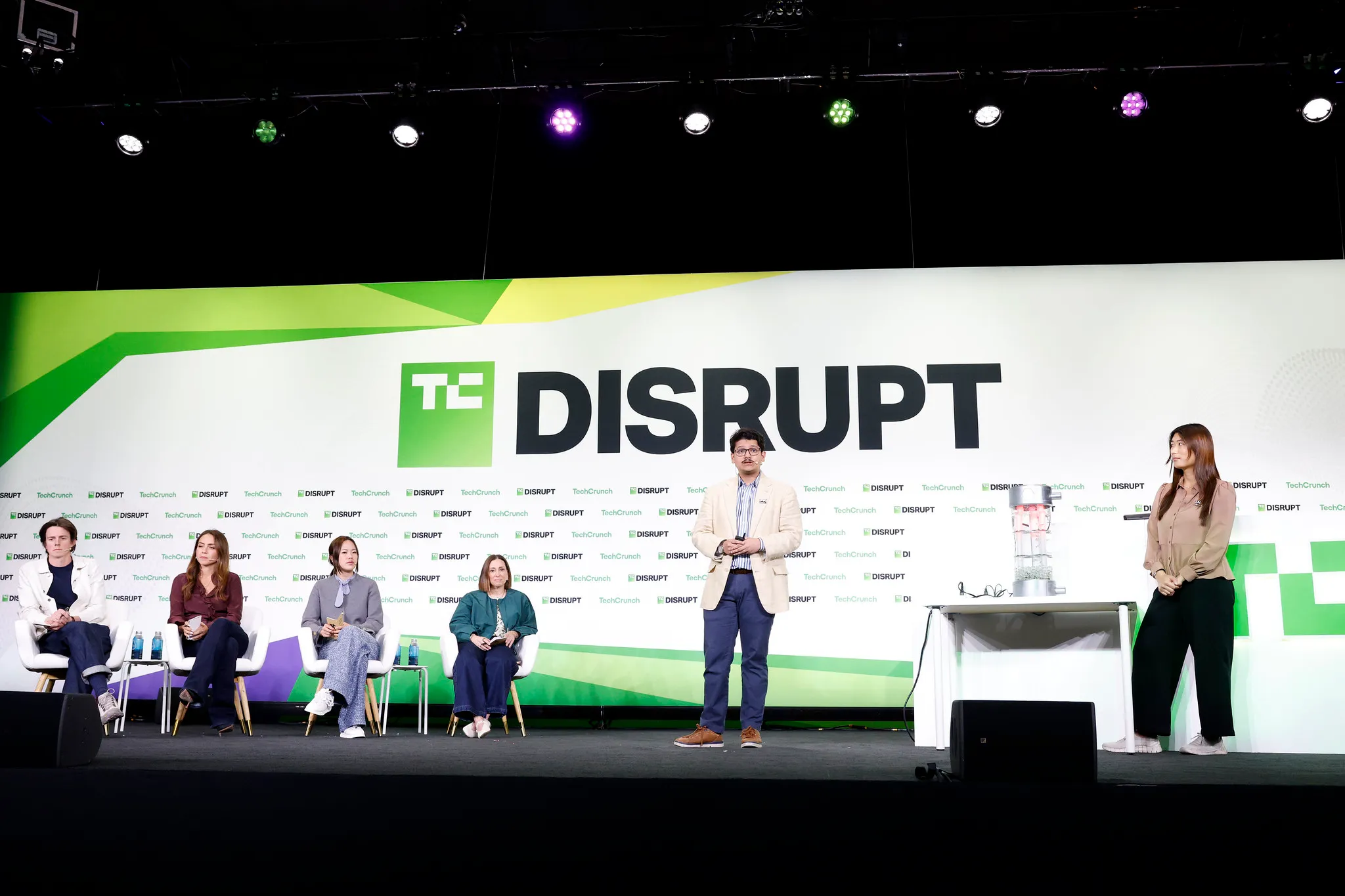
The countdown for one of the global technology industry’s most significant annual gatherings has entered its final phase, as organizers of TechCrunch Disrupt 2026 announced that only four days remain for participants to secure early-bird registration rates. Scheduled to take place from October 13 to October 15 at San Francisco’s Moscone West convention center, the event serves as a central hub for the venture capital ecosystem, emerging startups, and enterprise innovators. Prospective attendees have until May 29 at 11:59 p.m. PT to access tiered pricing that offers savings of up to $410 per pass. Following this deadline, registration costs are slated to increase as the conference moves into its general admission phase, marking a critical juncture for founders and investors looking to optimize their participation in the three-day summit.
Strategic Significance of the 2026 Summit
TechCrunch Disrupt has long been regarded as a bellwether for the health and direction of the global startup economy. The 2026 iteration arrives at a time when the technology sector is navigating a complex landscape defined by the rapid maturation of generative artificial intelligence, shifting venture capital dynamics, and a renewed focus on industrial hardware and climate-tech infrastructure. By hosting the event at Moscone West, a venue synonymous with major industry breakthroughs, the organizers aim to facilitate an environment where high-level networking is balanced with technical deep dives.
The conference is expected to draw more than 10,000 participants, ranging from early-stage founders to seasoned institutional investors and corporate operators. The primary value proposition for the 2026 event centers on the transition from mere visibility to established credibility. In an era where digital presence is easily manufactured, the physical gathering at Disrupt provides a platform for rigorous evaluation and face-to-face due diligence that remains essential for securing Series A and Series B funding.

Chronology and Event Timeline
The path toward TechCrunch Disrupt 2026 follows a structured timeline designed to build momentum within the tech community. The current early-bird window, closing on May 29, represents the first major milestone in the event’s promotional cycle. Following the price increase, the summer months will see the announcement of the "Startup Battlefield 200," an elite cohort of startups selected from thousands of applicants to exhibit on the show floor.
The event itself, spanning mid-October, is organized into a dense schedule of over 250 sessions. The first day traditionally focuses on broad market trends and the unveiling of major keynote speakers, while the subsequent days dive into specialized industry tracks. The culmination of the event is the Startup Battlefield competition, where a handful of finalists pitch to a panel of expert judges for a chance to win the equity-free $100,000 grand prize—a tradition that has helped launch companies like Dropbox, Fitbit, and Cloudflare in previous decades.
Specialized Industry Stages and Programming
To address the increasing specialization within the technology sector, Disrupt 2026 will feature six distinct stages, each tailored to specific verticals and operational challenges. This structure allows participants to curate an experience that aligns with their professional objectives.
The Builders Stage
Focused on the mechanics of scaling, the Builders Stage is designed for founders and chief operating officers. Programming here typically moves away from high-level theory to focus on "the how-to" of execution. Topics slated for 2026 include navigating the current regulatory environment, optimizing remote-first engineering cultures, and the evolution of the Chief Financial Officer’s role in a high-interest-rate economy.

The AI Stage and AI in the Real World Stage
Reflecting the dominance of machine learning in current investment cycles, the conference features two dedicated AI tracks. The primary AI Stage focuses on foundational models, large language model (LLM) orchestration, and the software layer of the intelligence boom. Conversely, the "AI in the Real World" Stage examines the intersection of software and physical systems. This includes robotics, autonomous logistics, and biotechnology, where AI is used to accelerate drug discovery and material science.
The Smart Money Stage
The fintech landscape is represented on the Smart Money Stage, where discussions will center on the modernization of financial infrastructure. Expected themes include the institutional adoption of blockchain for cross-border payments, the rise of "embedded finance" in non-financial applications, and the impact of central bank digital currencies (CBDCs) on the global startup ecosystem.
The Smart Systems Stage
This track focuses on the "hard tech" required to sustain modern civilization. With a heavy emphasis on energy, climate tech, and industrial automation, the Smart Systems Stage addresses the bottlenecks in the global power grid and the massive data center requirements of the AI era. Founders in this space are often building capital-intensive businesses that require longer-term investor horizons.
The Disrupt Stage
As the event’s main plenary, the Disrupt Stage hosts the most high-profile speakers, including CEOs of Fortune 500 tech companies, prominent venture capitalists, and government policymakers. It is here that the overarching narrative of the conference is set, providing a macro view of where the industry is headed over the next five to ten years.

Data-Driven Insights and Market Impact
The importance of the May 29 deadline is underscored by the historical data surrounding Disrupt alumni. Since the competition’s inception, companies that have participated in the Startup Battlefield have collectively raised more than $20 billion in follow-on funding. Furthermore, the 2026 event aims to showcase over 300 exhibiting startups, providing a concentrated data set for investors to identify emerging trends before they hit the mainstream.
Analysis of previous attendance records indicates that roughly 30% of participants are international, hailing from over 60 countries. This global footprint makes the event a critical node for cross-border partnerships. For the city of San Francisco, the influx of 10,000 high-spending professionals provides a significant boost to the local hospitality and tourism sectors, reinforcing the city’s status as the world’s premier technology hub despite recent narratives regarding "urban flight."
Professional Networking and Credibility Building
A recurring theme in the 2026 programming is the concept of "repeated visibility." Organizers emphasize that the three-day duration is intentional, allowing for multiple touchpoints between founders and potential partners. In a saturated market, a single pitch is rarely sufficient to close a deal; however, being seen across multiple sessions, roundtables, and on the expo floor builds the "familiarity bias" necessary for institutional trust.
The inclusion of moderated roundtables and "Q&A" sessions with investors provides a level of access that is difficult to replicate through digital outreach. For many early-stage companies, the cost of the ticket is viewed as a strategic marketing expense rather than a simple admission fee, as it places them in the same room as decision-makers from firms like Sequoia Capital, Andreessen Horowitz, and Greylock.

Broader Implications for the Tech Ecosystem
The conclusion of the early-bird window on May 29 serves as a microcosm of the broader tech industry’s current pace: those who act decisively often reap the most significant rewards. As TechCrunch Disrupt 2026 approaches, the event stands as a testament to the enduring value of physical proximity in the innovation economy. While the tools for building startups have become decentralized, the tools for validating them remain concentrated in high-density forums like Moscone West.
The 2026 summit will likely be remembered for how it addressed the "implementation phase" of the current AI revolution. While 2024 and 2025 were characterized by hype and foundational investment, 2026 is expected to be the year of proven utility. The sessions and startups featured at Disrupt will provide the first comprehensive look at which technologies have moved beyond the pilot stage to achieve genuine market fit.
As the May 29 deadline looms, the tech community’s attention is firmly fixed on San Francisco. The decisions made by founders and investors this week regarding their participation will dictate the composition of the networks that will define the industry for the remainder of the decade. With up to $410 in savings at stake, the message from the organizers is clear: the window for efficient entry is closing, and the momentum for the October summit is already well underway. Participants are encouraged to register through the official TechCrunch portal to ensure their place in the conversations that will shape the next era of technological disruption.