admin
admin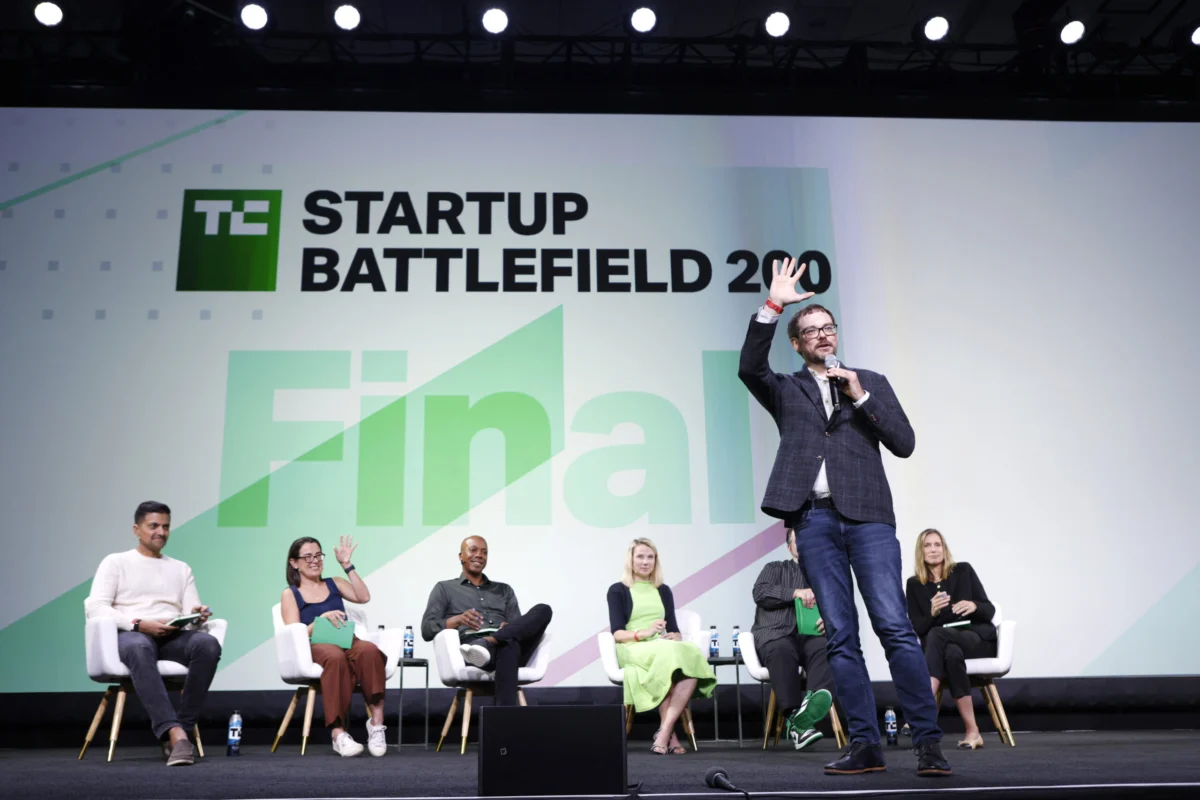
The application window for the Startup Battlefield 200 at TechCrunch Disrupt 2026 is officially entering its final phase, with the deadline for submissions set for May 27. This high-stakes competition offers early-stage founders an opportunity to secure $100,000 in equity-free capital, gain direct access to the world’s most prominent venture capitalists, and receive global media exposure. As the May deadline approaches, the editorial team at TechCrunch has signaled that the selection process is already underway, prioritizing startups that demonstrate significant market potential and technical innovation. The competition is designed specifically for pre-Series A startups across all industries, provided they possess a functional Minimum Viable Product (MVP) and a clear vision for category-defining growth.
The Evolution of Startup Battlefield and Its Role in the Ecosystem
Since its inception, the Startup Battlefield has served as a primary launchpad for some of the most influential companies in the modern technology landscape. The competition, which began as the TechCrunch 40 in 2007, was established to provide a platform where nascent companies could debut their products before a live audience of investors, journalists, and industry peers. Over nearly two decades, the format has evolved from a small cohort of presenters into the "Battlefield 200," a curated group of 200 startups selected from thousands of global applicants to receive intensive training, exhibition space, and networking opportunities.
The historical significance of the platform is underscored by the caliber of its alumni. Companies such as Dropbox, Discord, Fitbit, Trello, and Mint all utilized the Startup Battlefield to gain their initial momentum. Collectively, Battlefield alumni have raised over $9 billion in follow-on funding and have seen more than 100 exits via acquisitions or initial public offerings (IPOs). The 2026 iteration of the event continues this tradition, focusing on identifying the next generation of "unicorns" during a period of shifting dynamics in the venture capital market.

The Selection Process: Criteria for the Battlefield 200
The selection process for the Battlefield 200 is rigorous and managed by the TechCrunch editorial team, who review thousands of applications from around the world. To qualify, startups must generally be in the pre-Series A stage, though exceptions are occasionally made for Series A companies that have not yet achieved significant public visibility or have recently pivoted. A core requirement for any applicant is a functional MVP; the competition prioritizes "demo-able" technology over theoretical business plans.
The editorial team evaluates candidates based on several key metrics:
- Innovation: Is the product solving a significant problem in a novel way?
- Market Fit: Does the startup address a large or rapidly growing total addressable market (TAM)?
- Execution: Has the founding team demonstrated the ability to build and iterate quickly?
- Impact: Does the technology have the potential to disrupt existing industries or create entirely new ones?
Once the 200 startups are selected, they are invited to TechCrunch Disrupt, where they receive a free exhibition booth on the show floor for all three days of the conference. From this group, the "Top 20" finalists are chosen to pitch live on the Disrupt Stage. These finalists undergo intensive pitch coaching from TechCrunch editors to refine their messaging before presenting to a panel of expert judges, typically consisting of managing directors from top-tier VC firms like Sequoia Capital, Andreessen Horowitz, and Benchmark.
Strategic Incentives: Equity-Free Capital and VC Exposure
The primary draw for many founders is the $100,000 Grand Prize, which is awarded to the winner of the final pitch competition. Unlike many other startup accelerators or pitch contests, this capital is equity-free, meaning the winning founders do not have to relinquish any ownership stake in their company. In the current economic climate—characterized by a "flight to quality" and more stringent due diligence processes by investors—this type of non-dilutive funding is increasingly valuable for early-stage companies looking to extend their runway.

Beyond the cash prize, the exposure offered by the Battlefield 200 is often cited by founders as the most impactful element of the experience. TechCrunch Disrupt 2026 is expected to draw over 10,000 attendees, including hundreds of accredited investors and members of the international press. For a pre-Series A company, the "TechCrunch Bump"—a surge in traffic, user sign-ups, and investor inquiries following a stage appearance—can accelerate growth by months or even years. The competition provides a centralized venue for founders to meet with VCs who might otherwise be difficult to reach, facilitating the "warm introductions" that remain the bedrock of the Silicon Valley ecosystem.
Timeline and Chronology of the 2026 Competition
The path to the Disrupt Stage follows a structured timeline designed to filter the most promising startups through several layers of scrutiny.
- April – May 2026: The application window is open to founders globally. This period involves heavy recruitment and nomination phases where mentors and investors can recommend high-potential startups.
- May 27, 2026: The application deadline. This is the final cutoff for all submissions, including the required video demos and financial disclosures.
- June – July 2026: The TechCrunch editorial team conducts a deep-dive review of applications. This often includes follow-up interviews and technical verification of the MVPs.
- August 2024: The Battlefield 200 cohort is officially notified and announced. Founders begin their onboarding process, which includes access to the Disrupt event platform and initial pitch workshops.
- Event Week (TechCrunch Disrupt 2026): The 200 startups arrive in San Francisco to exhibit. The Top 20 finalists are announced during the event, culminating in the final pitch session on the last day of the conference.
Broader Economic Implications and Market Context
The 2026 Startup Battlefield takes place against a backdrop of a stabilizing but cautious venture capital market. Following the "funding winter" of 2023 and 2024, where late-stage valuations saw significant corrections, the focus of the industry has shifted back toward early-stage innovation and sustainable business models. Investors are currently looking for companies that leverage artificial intelligence, climate technology, and fintech in ways that offer clear paths to profitability rather than just rapid user acquisition.
Analysis of recent venture trends suggests that while "dry powder" (unspent capital committed to VC funds) remains high, the bar for securing a seed or Series A round has risen. In this environment, a selection for the Battlefield 200 serves as a powerful signal of institutional validation. It acts as a pre-vetting mechanism for investors, reducing the perceived risk of a startup by providing an external endorsement from a reputable third party.

Furthermore, the global nature of the competition reflects the decentralization of tech innovation. While the event is held in San Francisco, applications are encouraged from every continent. In previous years, startups from emerging tech hubs in Lagos, Sao Paulo, and Southeast Asia have used the Battlefield to bridge the gap between their local markets and global capital. This geographic diversity is expected to be a hallmark of the 2026 cohort, as regional founders seek to capitalize on the increasing interest in "cross-border" venture investing.
Official Responses and Participant Expectations
While official statements from individual judges for the 2026 cycle are typically reserved for the event itself, the sentiment from the TechCrunch editorial board emphasizes urgency. Editors have noted that the strongest applications often come from founders who do not wait for the final deadline, as early submission allows for a more thorough review of their technical demos.
Past participants have described the experience as a "crucible" for their business models. Jason Citron, the founder of Discord (which pitched at Battlefield under its previous iteration), has frequently referenced the importance of the platform in finding the early adopters and investors necessary to scale. Current participants are encouraged to approach the application not just as a contest entry, but as a strategic component of their broader fundraising and marketing efforts.
Conclusion: The Final Window for Founders
As the May 27 deadline approaches, the tech community’s attention turns toward the next wave of innovators. The Startup Battlefield 200 remains one of the few remaining platforms that combines high-level mentorship, significant equity-free capital, and a global stage. For founders building category-defining products, the next three weeks represent a critical window to secure a position in the 2026 cohort.

The impact of the competition extends beyond the individual winner. By highlighting 200 diverse, high-growth companies, TechCrunch Disrupt 2026 will provide a comprehensive snapshot of where the technology industry is headed. Whether in the realms of generative AI, decentralized finance, or biotech, the startups selected this May will likely be the names dominating business headlines in the years to come. Founders are urged to complete their applications, ensure their demos are functional, and prepare to enter the arena.