admin
admin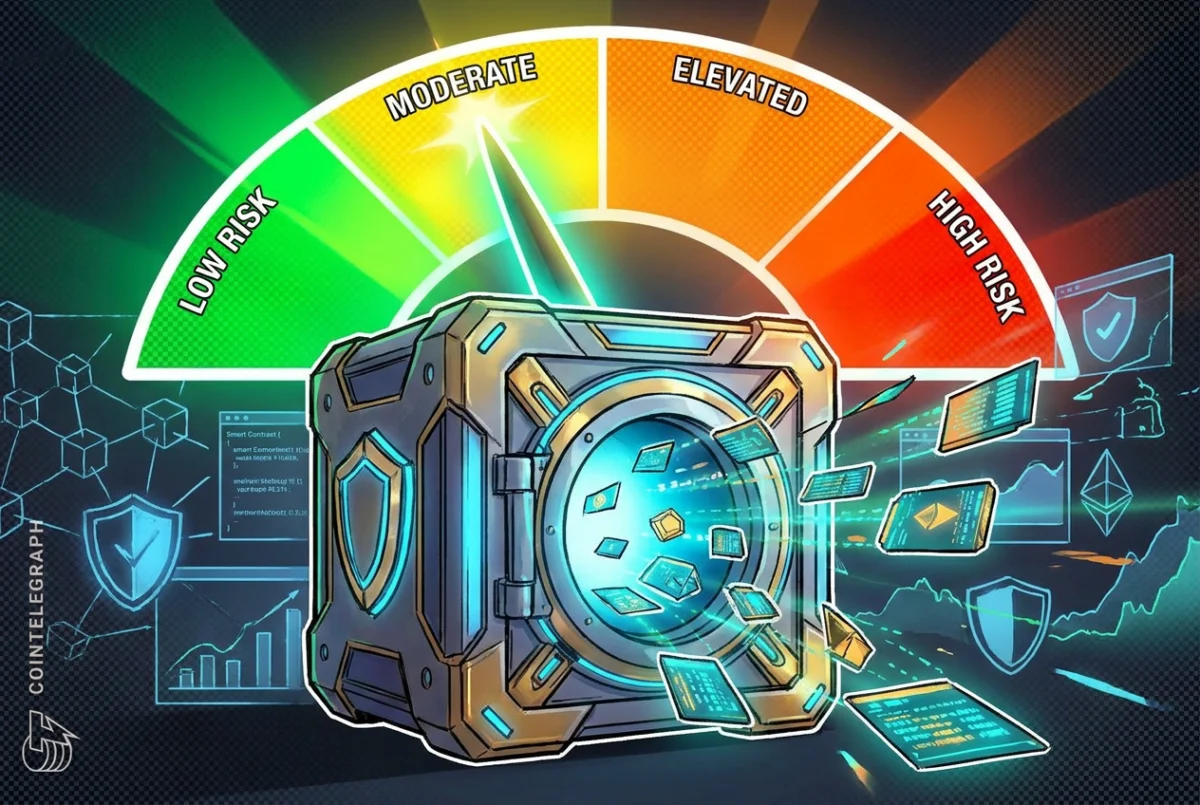
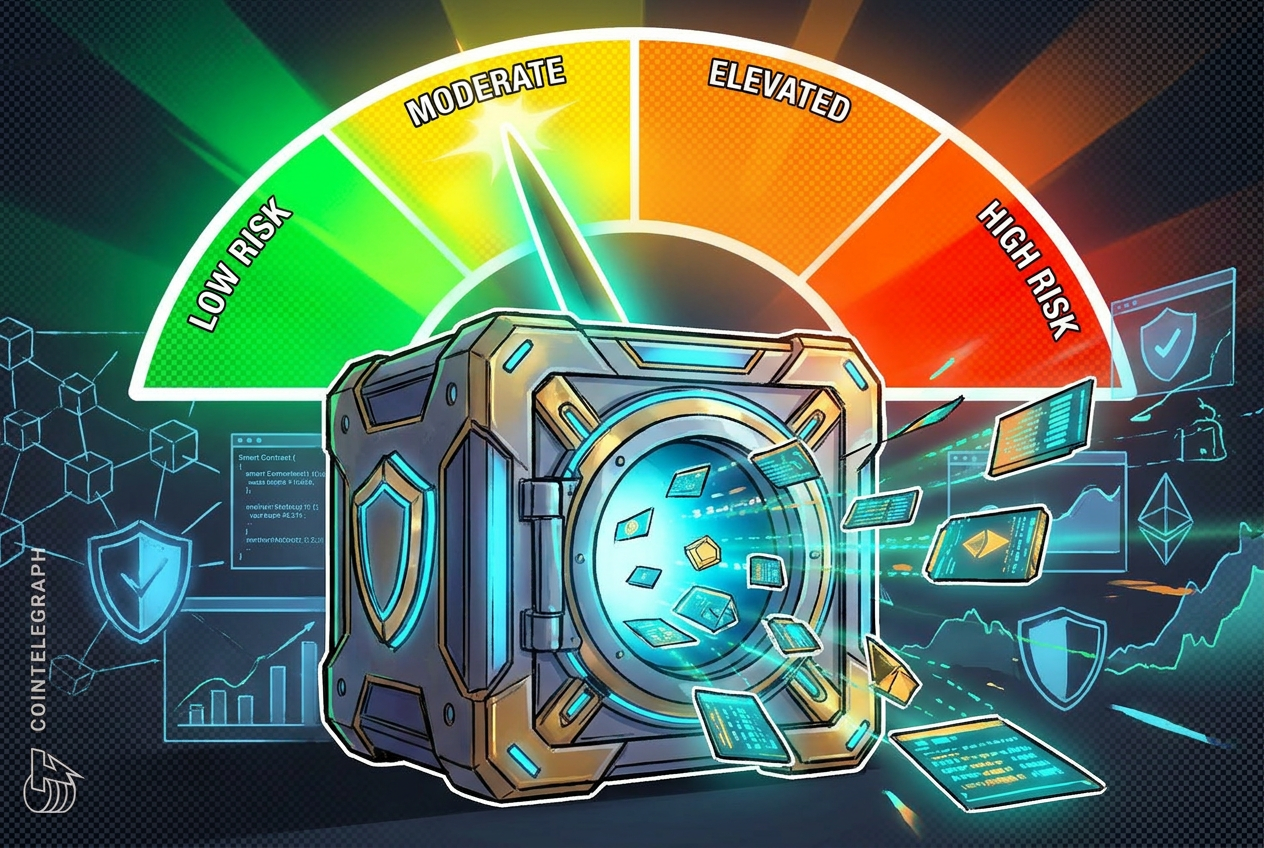
S&P Global Ratings, a leading provider of independent credit ratings and market intelligence, has introduced a specialized risk assessment framework designed for digital asset lending vaults. This strategic move comes as these onchain investment products continue to gain substantial traction within the rapidly evolving cryptocurrency landscape, attracting billions in investor capital. The new framework aims to provide much-needed transparency and a standardized methodology for evaluating the inherent risks associated with these complex decentralized finance (DeFi) mechanisms.
According to Monday’s official announcement, the innovative framework, dubbed "Vault Risk Assessment" (VRA), will meticulously evaluate lending vaults across six critical dimensions. These include portfolio credit quality risk, liquidity mismatch risk, curator risk, blockchain risk, protocol risk, and vault security and governance risk. This holistic approach underscores S&P’s recognition of the multi-faceted nature of risks prevalent in the digital asset space, acknowledging that vulnerabilities can manifest at various points within the operational and technological stack of a lending vault.
Dissecting the Vault Risk Assessment Framework
The VRA is specifically engineered to assess the potential for losses to investors participating in these lending vaults. It is crucial to note, however, that these assessments will not constitute traditional credit ratings, nor will they evaluate the yields or potential returns offered by the vaults. This distinction is vital, as S&P Global Ratings analyst Lisa Schroeer emphasized, indicating a focus purely on risk mitigation rather than investment performance prediction.
Schroeer elaborated on the framework’s philosophy, stating, "A material weakness in any factor can constrain the overall VRA. A strong score in one factor does not offset a material weakness in another." This statement highlights a fundamental principle of the assessment: the interconnectedness and cumulative nature of risks in DeFi. In an ecosystem where a single point of failure can cascade into significant losses, a comprehensive evaluation must account for every potential vulnerability. Schroeer further noted that this approach reflects a sector where "there are many points of risk/failure that can break," acknowledging the inherent fragility and nascent maturity of many decentralized protocols.
Let’s delve deeper into the six pillars of S&P’s Vault Risk Assessment:
- Portfolio Credit Quality Risk: This dimension scrutinizes the quality of the underlying assets that the vault lends out, the creditworthiness of the borrowers (if identifiable, or the collateralization ratios in a permissionless lending environment), and the overall lending strategy’s robustness. It assesses the likelihood of loan defaults or under-collateralization leading to losses.
- Liquidity Mismatch Risk: This evaluates the potential for a vault to be unable to meet investor withdrawal requests due to illiquid underlying assets or frozen positions. It considers the balance between the vault’s liabilities (investor deposits) and the liquidity of its assets deployed in lending protocols.
- Curator Risk: Many digital asset lending vaults rely on "curators," which can be human entities or autonomous smart contracts, to manage and execute predefined investment strategies. This risk factor assesses the competence, integrity, track record, and potential conflicts of interest of human curators, or the reliability and immutability of smart contract-based curation mechanisms.
- Blockchain Risk: This pillar focuses on the security and stability of the underlying blockchain network on which the vault operates. Factors include the blockchain’s decentralization, consensus mechanism robustness, susceptibility to 51% attacks, network congestion issues, and the overall security posture of the distributed ledger technology.
- Protocol Risk: This delves into the specific smart contracts and decentralized protocols that the vault interacts with. It involves evaluating the security of the smart contract code (e.g., through audits), the governance mechanisms of the underlying protocols, reliance on external oracles for price feeds, and the potential for bugs or exploits within the protocol’s architecture.
- Vault Security and Governance Risk: This comprehensive category examines the operational security of the vault itself, including access controls, multi-signature wallet requirements, internal operational policies, the effectiveness of bug bounty programs, and the secure management of cryptographic keys. It also covers the transparency and fairness of the vault’s governance structure, particularly in situations requiring upgrades or changes to its operational parameters.
The Surging Popularity of Digital Asset Lending Vaults
The introduction of S&P’s framework is timely, coinciding with an exponential growth trajectory for digital asset lending vaults. These innovative products function by pooling investor deposits, typically in cryptocurrencies or stablecoins, and subsequently deploying these assets through predefined, often automated, strategies. These strategies can involve lending assets to other users or protocols to earn yield, participating in liquidity provision, or engaging in other yield-generating DeFi activities. Depositors, in turn, receive tokens representing their proportional share of the vault’s assets and any accrued returns, offering a simplified gateway for users to access complex DeFi strategies.
The market statistics underscore this rapid expansion. According to S&P Global Ratings, the total deposits held within digital asset lending vaults soared to approximately $10 billion in September, a dramatic increase from just $1.5 billion two years prior. This nearly seven-fold increase highlights a significant appetite among investors for passive income opportunities within the digital asset space, even amidst its inherent volatility and regulatory ambiguities.
The past year, in particular, has seen a proliferation of crypto vaults across various platforms, including centralized exchanges, self-custodial wallets, and dedicated DeFi protocols. In February, for instance, Wallet in Telegram launched self-custodial vaults for Bitcoin (BTC), Ethereum (ETH), and Tether (USDT), leveraging infrastructure from Morpho, TAC, and Re7. This move brought DeFi yield opportunities to a vast user base within the popular messaging application.
Building on this trend, Kraken, a prominent cryptocurrency exchange, rolled out its Bitcoin yield vault in May. Powered by Veda and curated by Sentora, this product quickly garnered substantial interest, attracting $30 million from 4,000 wallets within its initial 10 hours of operation. The success of these early ventures demonstrated a clear market demand for structured, yield-generating products that simplify access to DeFi.
The evolution of these vaults has not been limited to native cryptocurrencies. In a significant development for the convergence of traditional and decentralized finance, Kraken expanded its offerings in September by launching yield vaults for tokenized versions of traditional securities. These included tokenized shares of Nvidia, the SPDR S&P 500 ETF, and the Invesco QQQ ETF. In these offerings, Sentora manages strategies that lend these tokenized assets through DeFi markets, effectively bridging the gap between traditional equity investments and decentralized yield generation.
Navigating a Landscape Riddled with Risks: The Imperative for Assessment
While the growth of crypto vaults signals a maturing market and increased investor interest, this expansion has not been without its perils. The decentralized and often experimental nature of many DeFi protocols means that they are susceptible to a range of risks, including smart contract exploits, oracle manipulation, economic attacks, and liquidity crises. The history of DeFi is punctuated by numerous incidents where vulnerabilities have led to significant financial losses.
A stark reminder of these risks came in August when the lending protocol Term Finance suffered an estimated $8.5 million loss. The incident involved an attacker exploiting governance control of its Meta Vaults, demonstrating how even well-intentioned protocols can be compromised through sophisticated attacks that target governance mechanisms. Such events underscore the critical need for robust risk assessment frameworks that can identify and evaluate these complex vulnerabilities before capital is deployed.
The broader context of the cryptocurrency market in recent years further emphasizes this need. The collapses of major entities like Terra/Luna, Celsius, and FTX in 2022 sent shockwaves through the industry, wiping out billions in investor capital and exposing severe deficiencies in risk management, transparency, and operational security. These events highlighted the systemic risks inherent in loosely regulated and rapidly innovating sectors, making the intervention of established financial intelligence firms like S&P Global Ratings particularly pertinent. Investors, both institutional and retail, are increasingly seeking reliable methods to evaluate the safety and stability of their digital asset investments.
The Role of Traditional Finance in Digital Assets and Regulatory Scrutiny
S&P Global Ratings’ foray into assessing digital asset lending vaults marks a significant milestone in the ongoing institutionalization of the cryptocurrency space. The involvement of a traditional finance (TradFi) behemoth, known for its rigorous standards and long-standing reputation in credit risk assessment, signals a growing acceptance of digital assets as a legitimate, albeit high-risk, asset class. This move could serve as a crucial bridge, potentially encouraging more traditional financial institutions and cautious investors to explore DeFi opportunities by providing a familiar language of risk assessment.
By offering a structured framework, S&P is attempting to bring a degree of standardization and professional oversight to a segment of the market that has largely operated without traditional financial guardrails. This could contribute to fostering greater trust and confidence, which are essential ingredients for broader adoption, particularly among institutional players who demand robust risk management protocols.
Furthermore, the introduction of the VRA framework comes at a time of heightened regulatory scrutiny surrounding digital assets. In the United States, the regulatory landscape for crypto vaults remains largely a "gray area." In July, SEC Commissioner Hester Peirce, often referred to as "Crypto Mom" for her progressive stance on digital assets, articulated concerns that certain crypto vaults and onchain lending products could potentially fall under federal securities laws.
Peirce’s comments highlighted that vaults involving discretionary decisions over asset allocation, yield strategies, lending terms, or liquidation thresholds could trigger requirements related to securities, investment companies, or investment advisers. This legal ambiguity poses significant compliance challenges for vault operators and creates uncertainty for investors. S&P’s framework, while not a regulatory mandate, could indirectly contribute to future regulatory clarity by establishing industry best practices for risk disclosure and assessment. By providing a standardized lens through which to view these products, it could inform future regulatory discussions and potentially guide the development of tailored regulations.
Implications for Investors and the Broader Market
The primary benefit of S&P’s Vault Risk Assessment, as articulated by Lisa Schroeer, is to "provide more transparency on the risks so that any entity can make more informed decisions when deciding how to allocate capital to DeFi vaults." For investors, particularly those new to DeFi or institutions considering an entry, this transparency is invaluable. It moves beyond superficial marketing claims of high yields and forces a deeper look into the underlying vulnerabilities.
This enhanced transparency can empower investors to:
- Make More Informed Decisions: By understanding the specific risk profile of a vault, investors can align their capital allocation with their individual risk tolerance.
- Improve Due Diligence: The framework provides a structured checklist for investors to perform their own due diligence, even if they don’t rely solely on S&P’s assessment.
- Foster Healthier Competition: Vaults with superior risk management and transparency practices, as highlighted by a favorable VRA, may attract more capital, encouraging other operators to improve their security and governance.
- Potentially Reduce Systemic Risk: As more vaults undergo such assessments, the overall standard of security and risk management within the DeFi lending ecosystem could improve, potentially reducing the likelihood of widespread failures.
However, challenges remain. The decentralized and often permissionless nature of DeFi means that information can be fragmented, and assessing certain aspects, such as the true credit quality of anonymous borrowers, can be inherently difficult. The rapid pace of innovation in DeFi also means that frameworks must be adaptable and regularly updated to remain relevant.
S&P Global Ratings plans to publish its first Vault Risk Assessments in future announcements. The anticipation surrounding these initial assessments is high, as they will provide the first real-world application of the framework and offer concrete examples of how specific vaults measure up against S&P’s rigorous standards. While S&P has not yet identified which vaults will be assessed first, their findings are expected to have a significant impact on market perception and potentially influence investor flows.
In conclusion, S&P Global Ratings’ introduction of the Vault Risk Assessment framework marks a pivotal moment for the digital asset lending space. It signifies the growing maturity of the DeFi ecosystem and the increasing demand for professional, standardized risk evaluation. By shining a light on the complex web of risks inherent in these innovative products, S&P aims to empower investors with greater transparency, ultimately fostering a more secure and robust environment for onchain investment and potentially paving the way for broader institutional adoption of decentralized finance.