admin

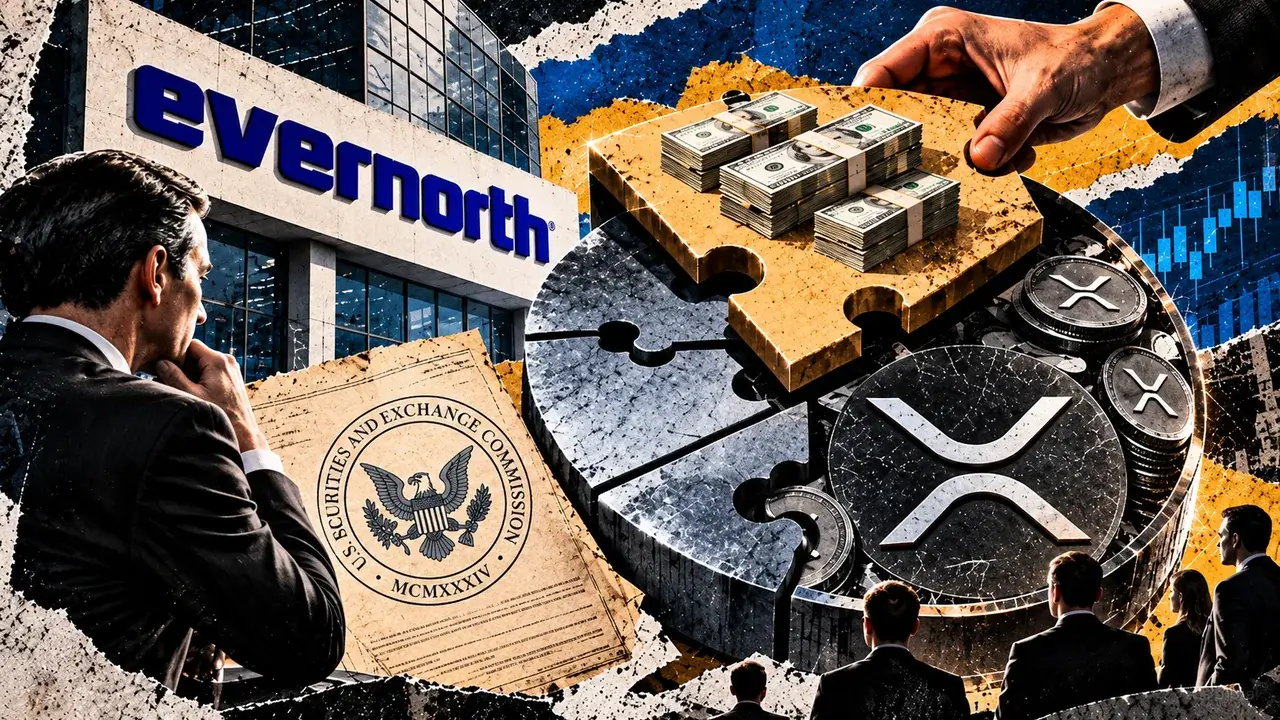
The U.S. Securities and Exchange Commission (SEC) has officially designated tokenization as an emerging market risk in its fiscal year 2027 examination priorities, a move signaling a refined and focused regulatory lens on the intersection of traditional finance and distributed ledger technology. This strategic inclusion places tokenized securities alongside other cutting-edge trends such as quantum computing and extended trading hours, underscoring the agency’s proactive approach to evolving financial landscapes. Notably, while tokenization ascends to a prominent position, cryptocurrencies as a standalone examination category remain conspicuously absent from the priorities list for the second consecutive year, marking a significant shift from the agency’s 2025 focus.
Understanding the Shift: Tokenization Takes Center Stage
The SEC’s decision to explicitly name tokenization in its 2027 examination priorities, released on Friday, emphasizes its growing importance within critical market infrastructure. This marks a clear departure from the 2026 priorities, where tokenization was not directly mentioned. The report highlights that examinations under Regulation SCI (Systems Compliance and Integrity) will concentrate on "emerging trends, including SI [super intelligence, a term associated with advanced AI], tokenization of securities, extended trading hours, and quantum computing." Furthermore, the agency has listed tokenization among high-risk areas slated for examination at clearing agencies, placing it alongside established concerns such as default management, securities lending, and broader operational risks.
Tokenization refers to the process of converting rights to an asset into a digital token on a blockchain. These tokens can represent a wide array of assets, from real estate and fine art to traditional securities like stocks, bonds, and funds. The inherent advantages of tokenization—including increased liquidity, fractional ownership possibilities, enhanced transparency, faster settlement times, and reduced administrative costs—have increasingly attracted the attention of mainstream financial institutions. Unlike broader cryptocurrencies, which can encompass everything from payment tokens to utility tokens and non-fungible tokens (NFTs), the SEC’s focus on "tokenization of securities" indicates a specific interest in digital representations of assets that fall under existing securities laws.
A Chronology of Evolving Regulatory Priorities
The SEC’s stance on digital assets has undergone a notable evolution, reflecting both technological advancements and growing institutional adoption.
- Fiscal Year 2025 Priorities: The SEC’s 2025 examination priorities included a dedicated section on "Crypto Assets." This reflected a period of heightened retail and institutional interest in the broader cryptocurrency market, characterized by significant volatility, numerous new token launches, and a proliferation of crypto exchanges and lending platforms. The agency’s focus then was on ensuring compliance with registration requirements for crypto assets that might be securities, examining disclosure practices, and scrutinizing custody arrangements and operational risks associated with digital asset platforms. This period was largely defined by SEC Chair Gary Gensler’s consistent assertion that many crypto assets were unregistered securities, leading to numerous enforcement actions.
- Fiscal Year 2026 Priorities: In a subtle but significant shift, the 2026 priorities saw the removal of "Crypto Assets" as a standalone category. While this absence initially sparked speculation about a potential softening of the SEC’s stance, analysts largely interpreted it as the agency integrating crypto-related risks into broader existing categories, such as compliance with Reg BI (Regulation Best Interest) for broker-dealers or examining risks at investment advisers. The underlying regulatory principles, particularly the application of the Howey Test to determine if an asset constitutes a security, remained unchanged.
- Fiscal Year 2027 Priorities: The re-emergence of a specific digital asset-related focus, this time centered on "tokenization of securities," represents a refinement rather than a reversal. It suggests that the SEC is now distinguishing between the speculative, often consumer-facing realm of general cryptocurrencies and the more structured, institutional-driven domain of tokenized traditional assets. This distinction is critical, as it aligns with the SEC’s primary mandate of investor protection within established securities frameworks. The focus on "securities" implies a recognition that while the underlying technology (blockchain) is new, the assets being represented are often familiar and subject to existing regulatory paradigms.
Institutional Embrace and the Driving Force Behind the Shift
The SEC’s updated priorities are not occurring in a vacuum; they are a direct response to the accelerating trend of traditional financial institutions integrating blockchain technology to tokenize real-world assets and conventional securities. This institutional embrace provides a crucial context for the SEC’s heightened scrutiny.
Earlier this month, a significant development underscored this trend: a joint venture between OKX, a prominent cryptocurrency exchange, and Intercontinental Exchange (ICE), the parent company of the New York Stock Exchange (NYSE), filed to launch a platform designed to offer tokenized shares in over 60 U.S.-listed companies. This initiative is a powerful indicator of how established financial infrastructure providers are actively exploring and implementing tokenization solutions.

Beyond this specific venture, numerous other global financial behemoths have been making inroads into tokenization:
- BlackRock: The world’s largest asset manager, BlackRock, launched its first tokenized fund, the BlackRock USD Institutional Digital Liquidity Fund (BUIDL), on the Ethereum blockchain earlier this year. This fund offers investors exposure to U.S. Treasury bills and repurchase agreements, demonstrating a tangible application of tokenization in the money market sector.
- JPMorgan Chase: Through its Onyx platform, JPMorgan has been a pioneer in wholesale blockchain applications, facilitating tokenized transfers of value and exploring tokenized collateral for interbank transactions. The bank has publicly stated its belief in the efficiency gains offered by tokenized assets.
- Franklin Templeton: Another major asset manager, Franklin Templeton, launched a U.S. government money market fund on the Stellar and Polygon blockchains, showcasing its commitment to leveraging distributed ledger technology for enhanced fund management and accessibility.
- HSBC and Citi: These global banking giants have also been active in exploring tokenized bonds and other digital asset initiatives, particularly in the realm of institutional finance and cross-border transactions.
These developments illustrate a clear progression from experimental projects to live, market-ready products. As more traditional financial players, who are already under stringent SEC oversight, delve into tokenization, it naturally falls within the SEC’s purview to ensure these new market structures adhere to existing securities laws and maintain market integrity. The agency’s focus on critical market infrastructure and clearing agencies—entities central to the traditional financial system—reaffirms that this is about regulating the application of technology to securities, rather than regulating the technology itself in a vacuum.
The Nuance: "Crypto" vs. "Tokenized Securities" – A Regulatory Distinction
The distinction between "cryptocurrencies" and "tokenized securities" is pivotal to understanding the SEC’s updated priorities. While both utilize blockchain technology, their regulatory treatment under U.S. law differs significantly based on their underlying characteristics and purpose.
"Cryptocurrencies" often refers to a broad category encompassing:
- Payment tokens: Like Bitcoin or Litecoin, primarily designed as a medium of exchange.
- Utility tokens: Intended to provide access to a specific product or service within a blockchain ecosystem.
- Decentralized finance (DeFi) tokens: Governance tokens or liquidity provider tokens within DeFi protocols.
- Non-fungible tokens (NFTs): Unique digital assets representing ownership of items like art, collectibles, or digital real estate.
Many of these, particularly utility tokens and DeFi tokens, have been the subject of debate regarding their classification under the Howey Test, a Supreme Court precedent used to determine if an asset is an "investment contract" and thus a security. SEC Chair Gensler has repeatedly asserted that "most crypto assets are securities," leading to a series of enforcement actions against projects and platforms deemed to be offering unregistered securities.
"Tokenized securities," on the other hand, typically refer to traditional assets (stocks, bonds, real estate, funds) that have been digitally represented on a blockchain. The security aspect is inherent from the outset, regardless of the underlying technology. The blockchain merely serves as an innovative ledger and transfer mechanism. For the SEC, these are not new types of assets requiring entirely new legislation, but rather existing securities leveraging new technology. The regulatory challenge then shifts from classifying the asset to ensuring that the process of tokenization, the platforms facilitating it, and the market infrastructure supporting it, comply with established securities laws concerning issuance, trading, custody, and investor protection.
This distinction allows the SEC to apply its existing regulatory framework more effectively. By focusing on "tokenization of securities," the agency is signaling that its concerns lie with the market structures and operational integrity surrounding the digital representation and trading of assets that are unambiguously securities. This targeted approach suggests a maturation in the SEC’s understanding of the digital asset space, moving beyond a blanket categorization to a more nuanced focus on specific applications relevant to its core mandate.
Key Areas of Scrutiny: Critical Market Infrastructure and Clearing Agencies
The SEC’s 2027 priorities explicitly link tokenization to examinations of "critical market infrastructure" and "clearing agencies." This focus is highly significant because these entities form the backbone of the traditional financial system.

- Regulation SCI (Systems Compliance and Integrity): This regulation mandates that certain "SCI entities"—including national securities exchanges, clearing agencies, and alternative trading systems (ATSs)—establish, maintain, and enforce policies and procedures reasonably designed to ensure the integrity, security, and resiliency of their automated systems. As tokenized securities gain traction, the systems that facilitate their issuance, trading, and settlement will increasingly fall under Reg SCI’s purview. The SEC’s examinations will assess whether these systems can handle the unique technical requirements and potential vulnerabilities associated with blockchain technology, including cybersecurity risks, data integrity, operational resilience, and the capacity to manage increased trading volumes and complexity.
- Clearing Agencies: These entities play a crucial role in post-trade processing, ensuring that transactions are settled efficiently and securely. The inclusion of tokenization as a high-risk area for clearing agencies suggests that the SEC is scrutinizing how these institutions will adapt their processes to handle tokenized assets. This includes managing the custody of digital tokens, ensuring proper record-keeping on distributed ledgers, addressing the finality of settlement, and mitigating risks associated with potential smart contract vulnerabilities or blockchain network issues. The comparison to "default management" and "securities lending" underscores the SEC’s view of tokenization as a fundamental operational challenge that could impact systemic stability if not properly managed.
Broader Implications for Market Participants and Innovation
The SEC’s 2027 priorities carry substantial implications for a wide array of market participants, from incumbent financial institutions to nascent blockchain technology providers.
For traditional financial firms already engaged in or considering tokenization, the message is clear: expect increased regulatory scrutiny. This will necessitate robust compliance frameworks, significant investments in cybersecurity, and rigorous risk management protocols tailored to the unique aspects of blockchain technology. While the focus on tokenized securities offers some clarity compared to the broader "crypto assets" category, it also implies that firms cannot simply port traditional assets onto a blockchain without adhering to all existing securities regulations. This could accelerate the development of "regulated blockchain" solutions and require closer collaboration between compliance, legal, and technology teams.
For the broader crypto industry, the absence of "cryptocurrencies" as a standalone category does not signal a retreat from regulation. Instead, it suggests a more mature, integrated approach. Projects dealing with assets that clearly function as securities (e.g., tokenized company shares, fund units) will find themselves under the same stringent oversight as their traditional counterparts. This could encourage a greater emphasis on compliance from the outset for new token projects, particularly those that might fall under the definition of a security. It also underscores the ongoing need for legal clarity regarding the classification of various digital assets, as the "security" label continues to be the primary determinant of SEC jurisdiction.
Furthermore, this refined focus could foster innovation within a clearer regulatory perimeter. By explicitly addressing tokenization of securities, the SEC provides a framework for how such innovations can proceed compliantly. This could encourage more institutional capital to flow into the tokenization space, confident that regulatory boundaries, while strict, are at least becoming more defined. The global market for tokenized assets is projected to grow significantly, with some estimates suggesting it could reach trillions of dollars in the coming decade. The SEC’s proactive stance aims to ensure that this growth occurs in a manner that protects investors and maintains market integrity.
Expert Perspectives and Industry Reactions
While the SEC’s priorities document is factual, the industry’s reaction can be inferred based on past statements and ongoing dialogues. Legal experts specializing in financial regulation and blockchain technology are likely to view this as a logical and necessary evolution of the SEC’s oversight. Many have long advocated for a clearer distinction between different types of digital assets. The focus on tokenized securities could be seen as providing more certainty for institutional players, who prioritize regulatory clarity above all else.
Conversely, some proponents of the broader cryptocurrency market might express frustration over the continued absence of a dedicated category for "crypto assets," arguing that it perpetuates a "regulation by enforcement" approach rather than providing explicit rules for the diverse range of digital tokens that may not fit neatly into traditional securities classifications. However, even within the crypto space, there’s a growing recognition that institutional adoption hinges on regulatory certainty, which the tokenization focus aims to provide for a specific segment of the market.
The Road Ahead: Navigating the Tokenized Future
The SEC’s 2027 examination priorities mark a pivotal moment in the regulatory landscape for digital assets. By elevating tokenization to a key emerging market risk, the agency is signaling its intention to proactively oversee the integration of blockchain technology into core financial infrastructure. This targeted approach, distinguishing tokenized securities from the broader cryptocurrency market, reflects a more nuanced understanding of the evolving digital finance ecosystem. As traditional financial institutions continue to embrace tokenization, the SEC’s vigilant oversight will be crucial in ensuring that innovation proceeds responsibly, market integrity is preserved, and investor protection remains paramount in the increasingly digitized financial world. The coming years will undoubtedly see intensified dialogue, further regulatory guidance, and continued adaptation from all market participants as the tokenized future takes shape under the watchful eye of the financial watchdogs.