admin
admin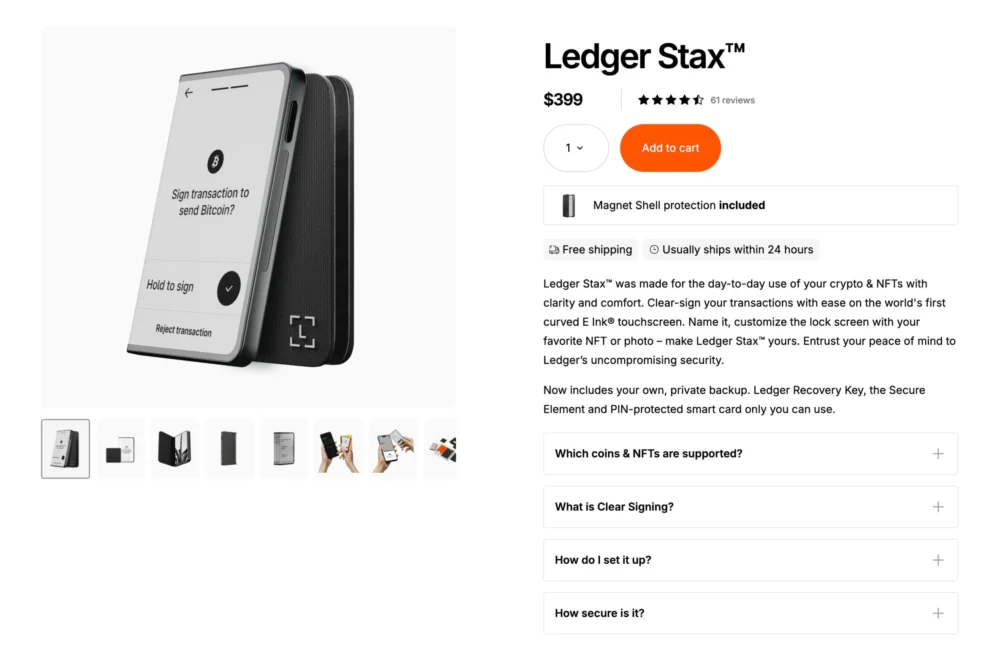
The landscape of digital asset security is continuously evolving, with cold wallets standing out as indispensable tools for investors seeking robust protection, user-friendly interfaces, and long-term reliability for their cryptocurrency holdings. While the fundamental purpose of cold wallets—to store crypto offline—remains constant, their technological implementations and features vary significantly, catering to a diverse range of user needs and security preferences. This article delves into the leading cold storage solutions available, highlighting their distinct attributes, typical price ranges, and inherent advantages and disadvantages. Furthermore, it will draw a clear distinction between cold and hot wallets, offer essential guidance on selecting the optimal device, and provide a step-by-step methodology for safe setup and utilization.
The Imperative of Cold Storage: A Historical Context
The nascent history of cryptocurrency has been punctuated by numerous high-profile security breaches, underscoring the critical need for robust self-custody solutions. From the infamous Mt. Gox collapse in 2014, which saw hundreds of thousands of Bitcoin vanish, to more recent incidents involving centralized exchanges and DeFi protocols, the vulnerabilities inherent in online storage have become painfully clear. These events, often resulting in billions of dollars in losses annually, have collectively driven home the principle that "not your keys, not your crypto."

As the global cryptocurrency market cap has surged into the trillions, and institutional adoption gains momentum, the demand for sophisticated, uncompromised security for digital assets has never been higher. Cold storage wallets emerged as a direct response to these security challenges, offering a paradigm shift by isolating private keys from internet-connected environments, thereby drastically reducing exposure to online threats such as hacking, phishing, and malware. This commitment to offline security forms the bedrock of financial sovereignty for crypto holders, enabling them to maintain absolute control over their digital wealth without reliance on third-party custodians.
Understanding Cold Wallets: The Foundation of Digital Security
At its core, a cold wallet is a device or method that stores cryptocurrency private keys completely offline, disconnected from the internet. This "air-gapped" security model is the primary differentiator from hot wallets, which are always connected online. Cold wallets are typically physical hardware devices, though paper wallets and sound wallets also fall under this category. The physical nature of hardware wallets means transactions must be physically authorized on the device, adding a crucial layer of security against remote attacks.
Key security features commonly found in leading cold wallets include:
- Secure Element Chip: A tamper-resistant microchip designed to securely store cryptographic keys and protect against physical attacks. Many wallets feature CC EAL5+ or EAL6+ certified chips, indicating high levels of resistance to penetration.
- Air-Gapped Transactions: The ability to sign transactions without ever directly connecting the device to the internet, often achieved through QR codes, SD cards, or manual entry.
- PIN Codes and Passphrases: Multi-factor authentication mechanisms that add layers of protection, even if the device falls into the wrong hands.
- Recovery Seed Phrase: A sequence of 12, 18, or 24 words that serves as the master key to restore access to funds on a new device, should the original be lost or damaged.
- Open-Source Firmware: For some wallets, open-source code allows for community audits and verification, enhancing trust and transparency in the security model.
- Tamper-Evident Packaging: Physical seals or designs that indicate if a device has been opened or modified before reaching the user.
Cold Wallets vs. Hot Wallets: A Crucial Distinction
The choice between a cold and a hot wallet hinges primarily on a user’s risk tolerance, transaction frequency, and the value of their holdings. While both serve to manage digital assets, their security postures and convenience levels are diametrically opposed.
| Features | Cold Wallet | Hot Wallet |
|---|---|---|
| Security | High. Keys offline, protected from online attacks. | Lower. Keys connected to the internet, vulnerable to hacks and malware. |
| Convenience | Moderate. Requires physical device interaction. | High. Instant access via mobile or browser. |
| Best For | Long-term storage of significant crypto assets (HODLing). | Daily trading, dApp interaction, smaller holdings, quick transactions. |
| Access | Slower. Physical connection or interaction required. | Instant via mobile app or browser extension. |
| Recovery | Seed phrase (or recovery phrase) is paramount. | Usually password and optional 2FA; often tied to email/phone for recovery. |
| Control | Full, non-custodial control of private keys and assets. | Self-custodial for most, but reliance on device/browser security. Some exchange wallets are custodial. |
| Risk of Loss | Device lost/stolen (recoverable with seed phrase), physical damage. | Online hacks, phishing, malware, device compromise, software vulnerabilities. |
For serious investors looking to safeguard substantial digital wealth, cold wallets represent the gold standard. Hot wallets, while convenient for active trading and interacting with decentralized applications (dApps), should ideally be reserved for smaller "spending money" amounts, much like a physical wallet for cash.
Leading Cold Storage Solutions for Cryptocurrency: A Snapshot
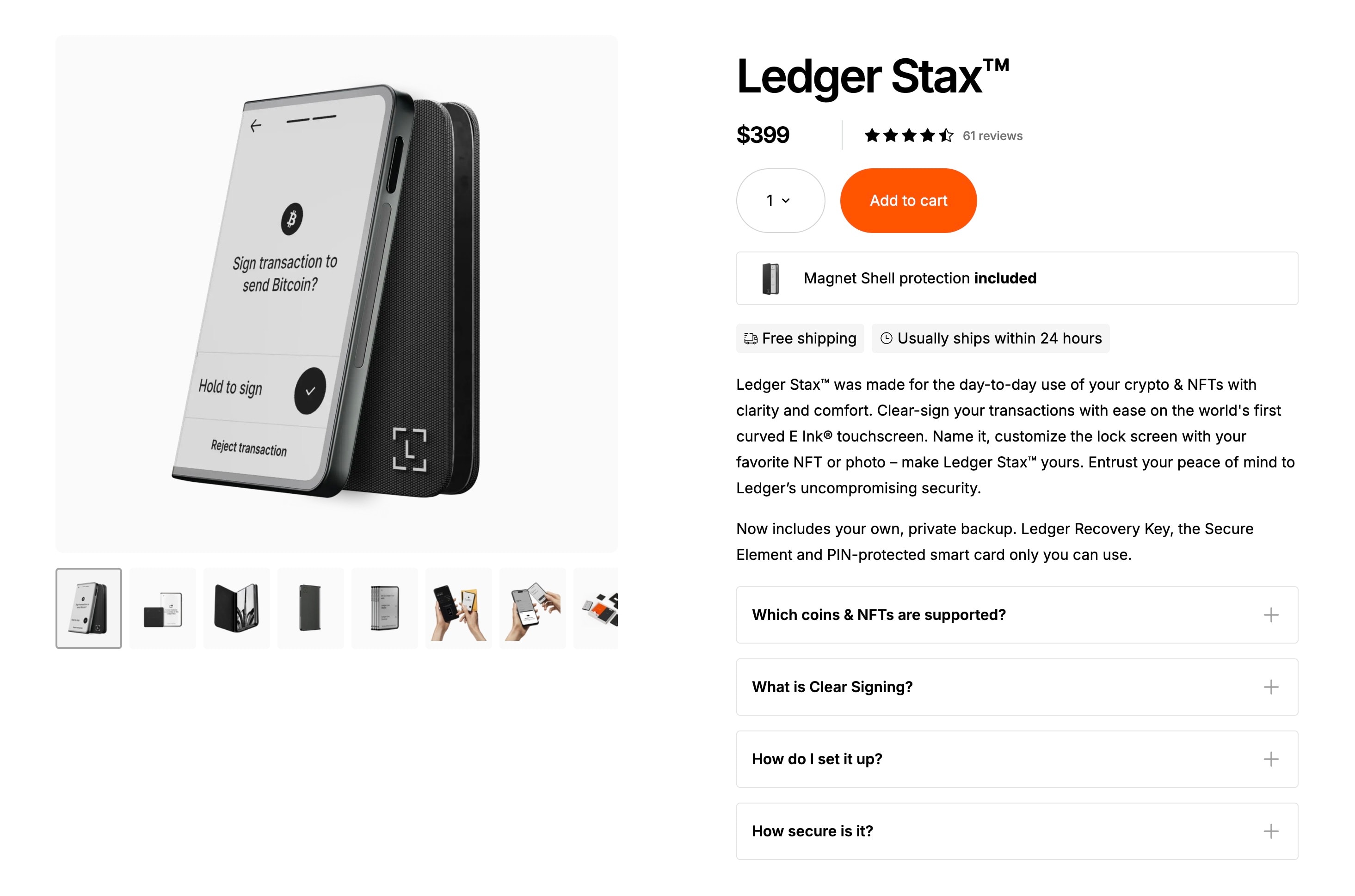
The market offers a diverse range of cold wallets, each with unique features designed to appeal to different user segments. Here’s an overview of prominent options:
| Cold Wallet | Key Features | Best For | Security Method |
|---|---|---|---|
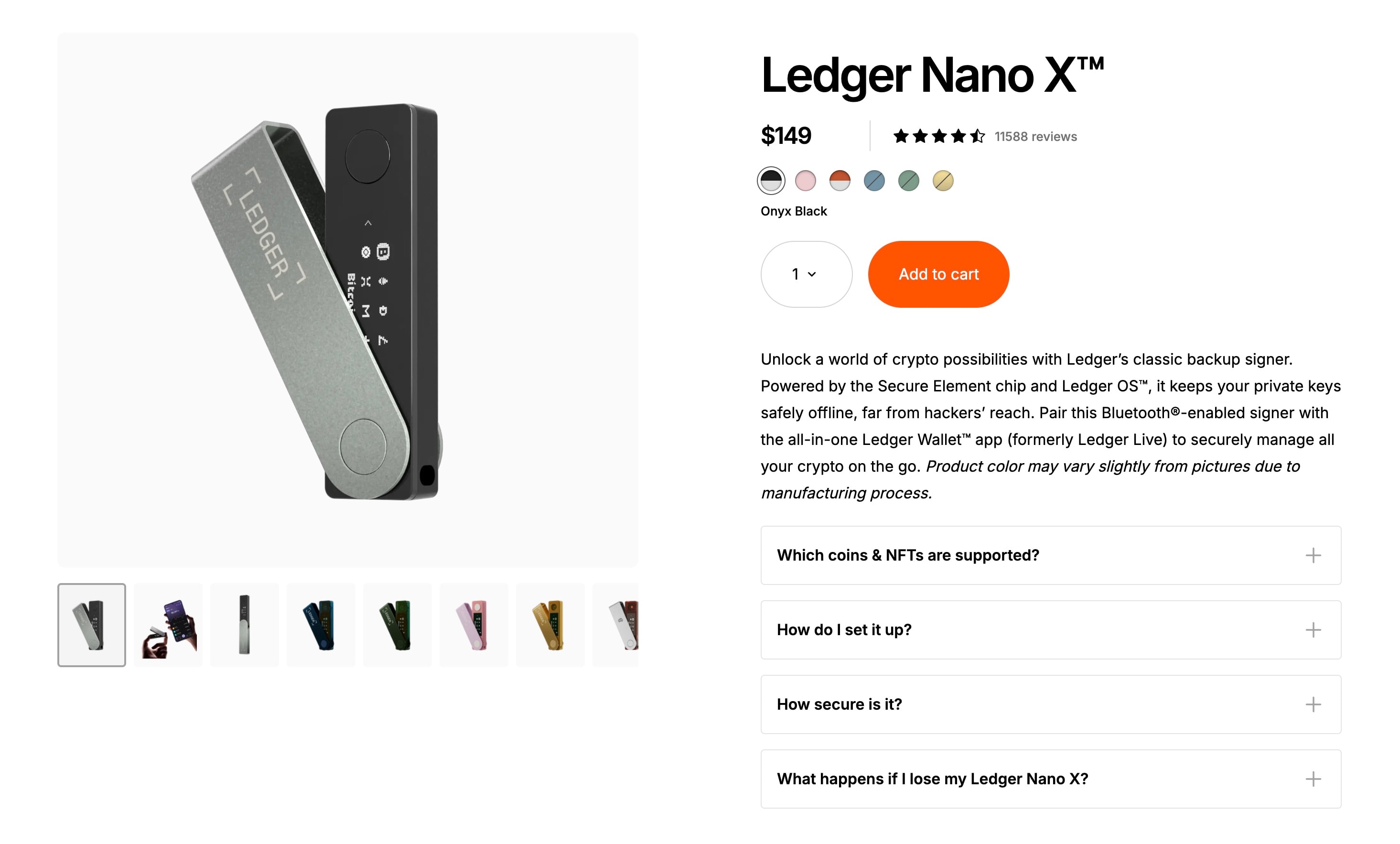
| Ledger Nano X | Bluetooth-enabled hardware wallet | High-security storage, diverse portfolios | CC EAL5+ certified Secure Element chip |
| Ledger Stax | Touch-screen, premium design, E Ink display | Active crypto and NFT users, premium experience | Tamper-proof Secure Element chip (CC EAL6+ rated) |
| Trezor Safe 3 | Beginner-friendly, open-source | New users, multi-coin storage | EAL6+ certified Secure Element, SLIP39 backup |
| Trezor Safe 5 | Advanced multi-chain support, larger display | Experienced users managing multiple assets | EAL6+ certified Secure Element, improved recovery |
| Coldcard MK4 | Bitcoin only, fully air-gapped, numeric keypad | Maximum Bitcoin security, offline storage | Air-gapped, PSBT support, secure element |
| Tangem | Card-style, minimal hardware, NFC | Users seeking discreet, portable cold storage | EAL6+ certified chips, physical card authentication |
| Trust Wallet | Mobile wallet with fiat on-ramp | Fast mobile access without hardware (Hot) | Software-based keys, local encryption |
| MetaMask | Web3 hot wallet for dApps, browser extension | Quick dApp access and token trading (Hot) | Local encryption, self-custody, user-controlled authorization |
| Best Wallet | Mobile crypto wallet with staking and dApp access | Fast mobile access, presales participation (Hybrid) | MPC, biometrics, 2FA |
| Zengo | Keyless mobile wallet with multi-chain support | Mobile users wanting simple crypto access (Hybrid) | MPC, cloud-assisted key recovery |
Detailed Analysis of 10 Leading Wallets
-
Ledger Nano X
The Ledger Nano X has established itself as a flagship hardware wallet, renowned for its robust security architecture and broad cryptocurrency support. It allows users to securely store private keys offline for a vast array of digital assets, including Bitcoin, Ethereum, and thousands of ERC-20 tokens. Its standout feature, Bluetooth connectivity, enables convenient management via Ledger Live mobile app, striking a balance between cutting-edge security and user accessibility. The device incorporates a CC EAL5+ certified Secure Element chip, designed to withstand sophisticated physical attacks, making it ideal for diversified portfolios and long-term storage.- Typical Price: ~$79 – $149
- Pros: Strong security features, keeps keys offline, good for long-term storage, supports many coins and tokens, Bluetooth for mobile convenience.
- Cons: Higher price than basic cold wallets, Bluetooth adds a minor, theoretical attack surface compared to purely wired devices.
-
Ledger Stax
Representing Ledger’s premium offering, the Ledger Stax elevates the hardware wallet experience with a modern, customizable E Ink touchscreen display and a sleek, ergonomic design. It caters to active crypto and NFT users who value both aesthetics and advanced functionality. The wallet leverages a robust CC EAL6+ rated secure element chip, ensuring top-tier protection for a wide spectrum of digital assets. While its Bluetooth connectivity enhances mobile usability, its primary role remains secure, long-term asset storage rather than frequent trading, appealing to those seeking a premium, secure interface for their digital portfolio.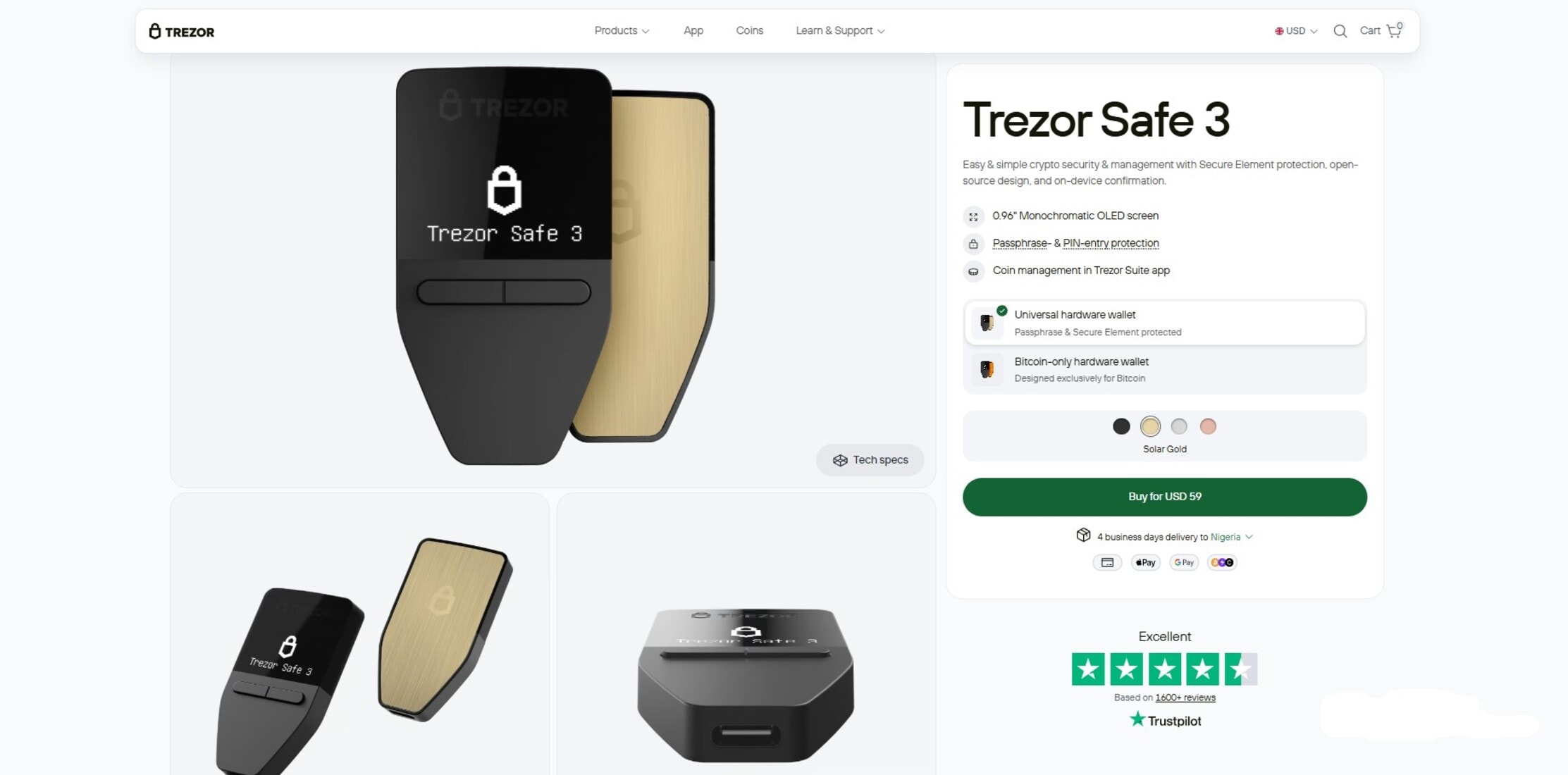
- Typical Price: ~$279 – $349
- Pros: Large touch-screen display, strong security with EAL6+ secure element, supports many coins and tokens, sleek modern design, E Ink display for persistent information.
- Cons: High price point, Bluetooth introduces a minor attack vector.
-
Trezor Safe 3
The Trezor Safe 3 is designed as an accessible yet highly secure entry point into hardware wallet ownership. It supports over 7,000 coins and tokens and features an EAL6+ certified Secure Element, offering enhanced physical protection. Trezor’s commitment to open-source firmware ensures transparency and allows for community audits, fostering trust. The device is compatible with 12, 18, and 24-word recovery phrases, alongside SLIP39 backups for added redundancy. Its beginner-friendly setup and robust security make it an excellent choice for new users and those prioritizing open-source integrity.- Typical Price: ~$79 – $99
- Pros: Affordable, keeps private keys offline, secure element for extra protection, supports many coins and tokens, open-source firmware.
- Cons: No Bluetooth, small screen, requires USB connection.
-
Trezor Safe 5
Building on Trezor’s legacy, the Trezor Safe 5 is tailored for experienced users demanding stronger physical security and an improved user interface. It boasts a larger, vibrant touchscreen with haptic feedback, enhancing navigation and transaction verification. While it incorporates an NDA-free EAL6+ Secure Element for heightened resistance to tampering, this also means a portion of its security model is not fully open source—a trade-off for advanced protection. It supports 20-word backups for more granular recovery options and integrates seamlessly with the broader Trezor ecosystem, though its mid-range price and USB-C only connection might be considerations for some.- Typical Price: ~$169 – $249
- Pros: Vibrant touchscreen with haptic feedback, EAL6+ Secure Element with PIN & passphrase protection, supports 20-word backup, integrates with Trezor ecosystem.
- Cons: Mid-range price may be high for casual users, slightly bulkier, USB-C only (no wireless).
-
Coldcard MK4
The Coldcard MK4 stands as a paragon of security for Bitcoin maximalists. This Bitcoin-only hardware wallet prioritizes maximum offline security through a fully air-gapped design. Transactions are signed using Partially Signed Bitcoin Transactions (PSBT) via an SD card, meaning the device never directly connects to the internet. It incorporates a secure element and advanced anti-tamper features, providing an unparalleled level of isolation from online threats. While its learning curve is steeper due to its specialized features and reliance on buttons rather than a touchscreen, it is the preferred choice for professional setups and users demanding the utmost in Bitcoin security.- Typical Price: ~$149 – $199
- Pros: Fully air-gapped for enhanced offline security, secure element with advanced anti-tamper, supports PSBT, durable and robust design.
- Cons: Bitcoin-only (no other cryptocurrencies), higher learning curve, no touchscreen.
-
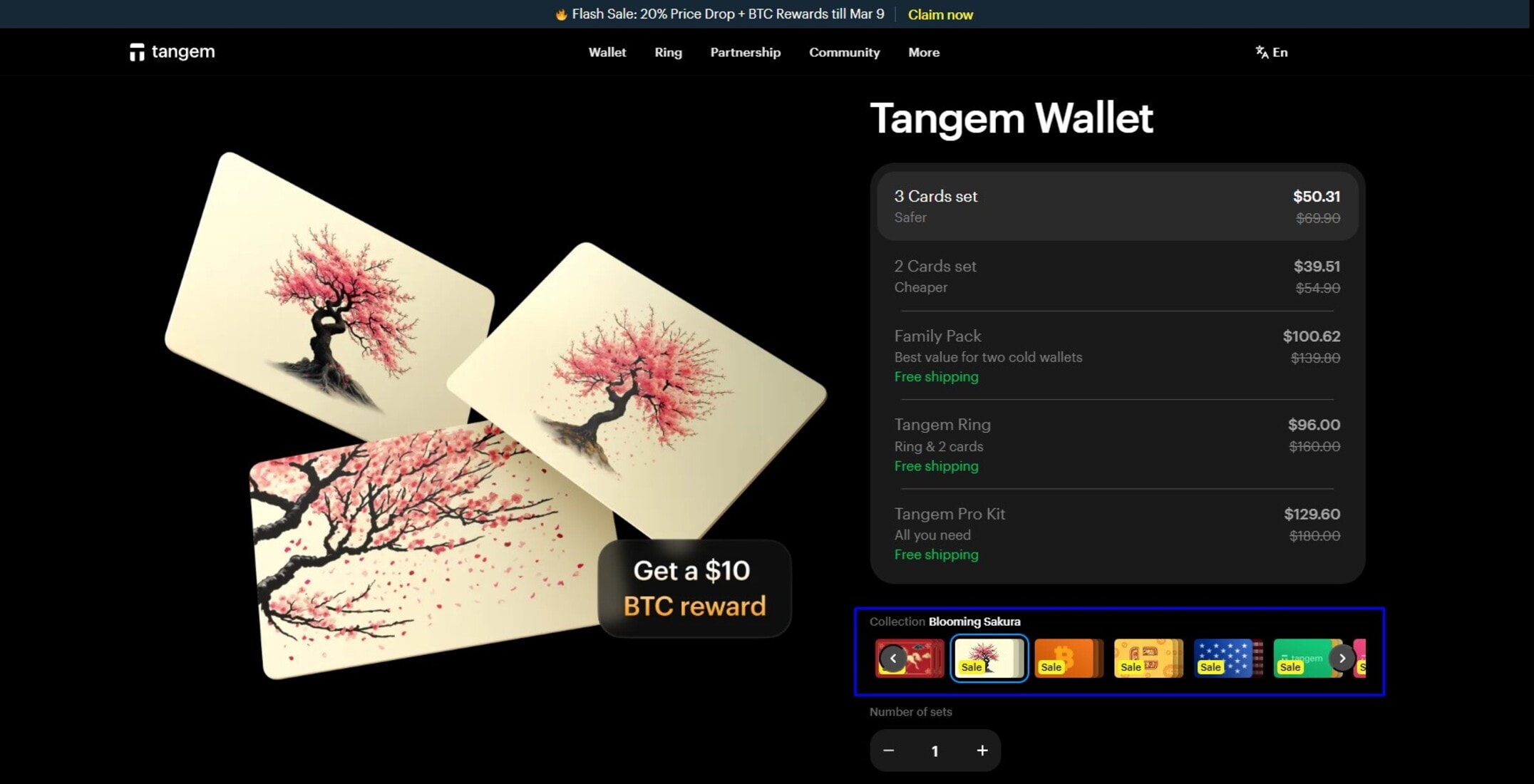
Tangem
Tangem offers a unique, card-style hardware wallet experience, providing cold storage without the bulk of traditional devices. Private keys are generated and securely stored offline within an EAL6+ certified secure element embedded in the card, never exposed to the internet. Authentication is physical, using NFC to communicate with a mobile app. This design simplifies daily carry and eliminates batteries or cables. While it offers excellent security for everyday use and holding smaller balances, the absence of a screen on the card itself means users rely on their mobile app for transaction verification, which may be a compromise for those managing larger, high-value assets who prefer on-device display verification.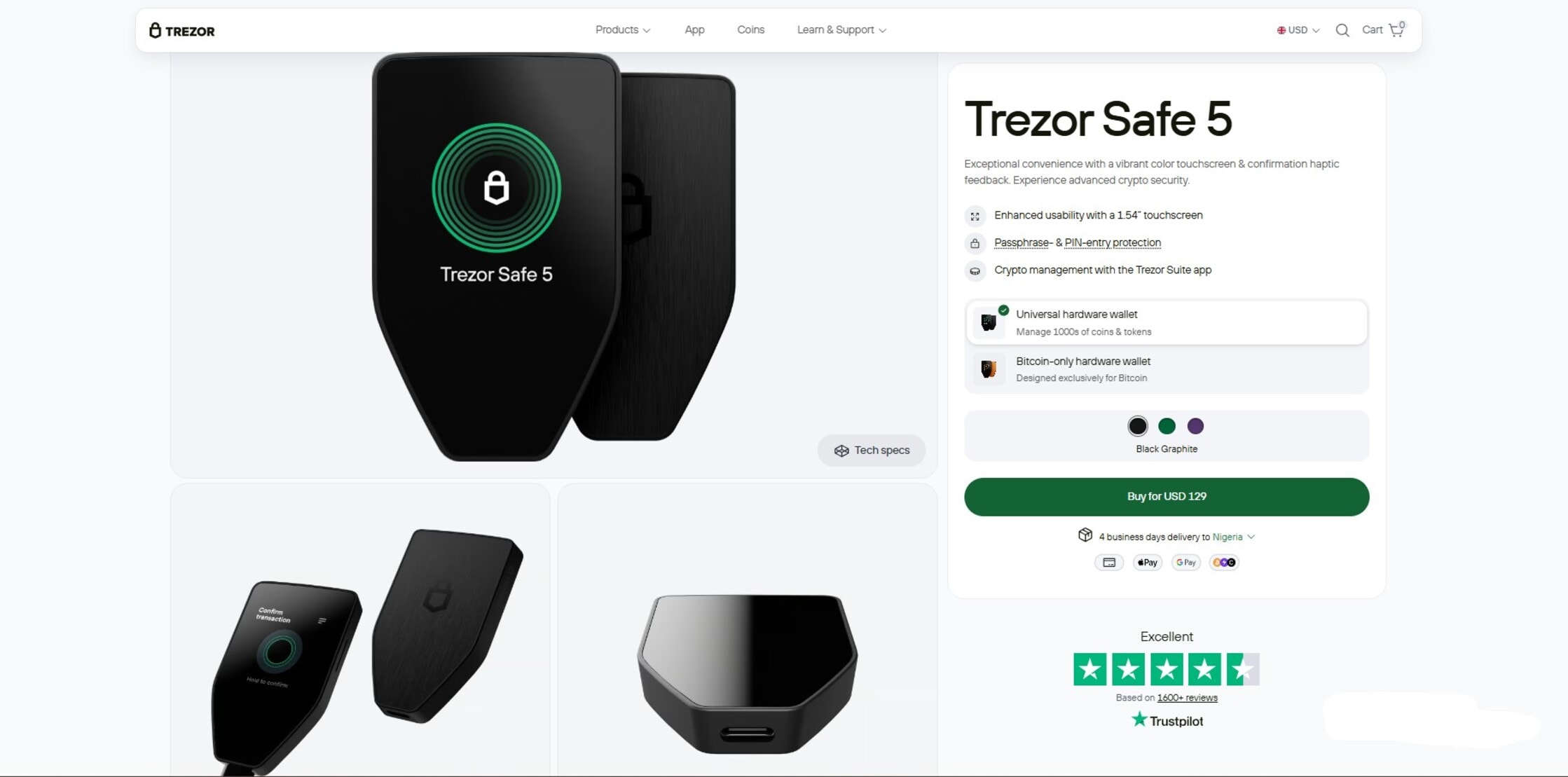
- Typical Price: ~$49 – $79 (for a pack of 2-3 cards)
- Pros: Keys generated and stored offline, EAL6+ secure element with independent audits, slim, durable, no battery/cables, multi-card backup.
- Cons: No screen on the card for direct verification, reliance on phone for transaction details, less transparent than fully open-source hardware.
-
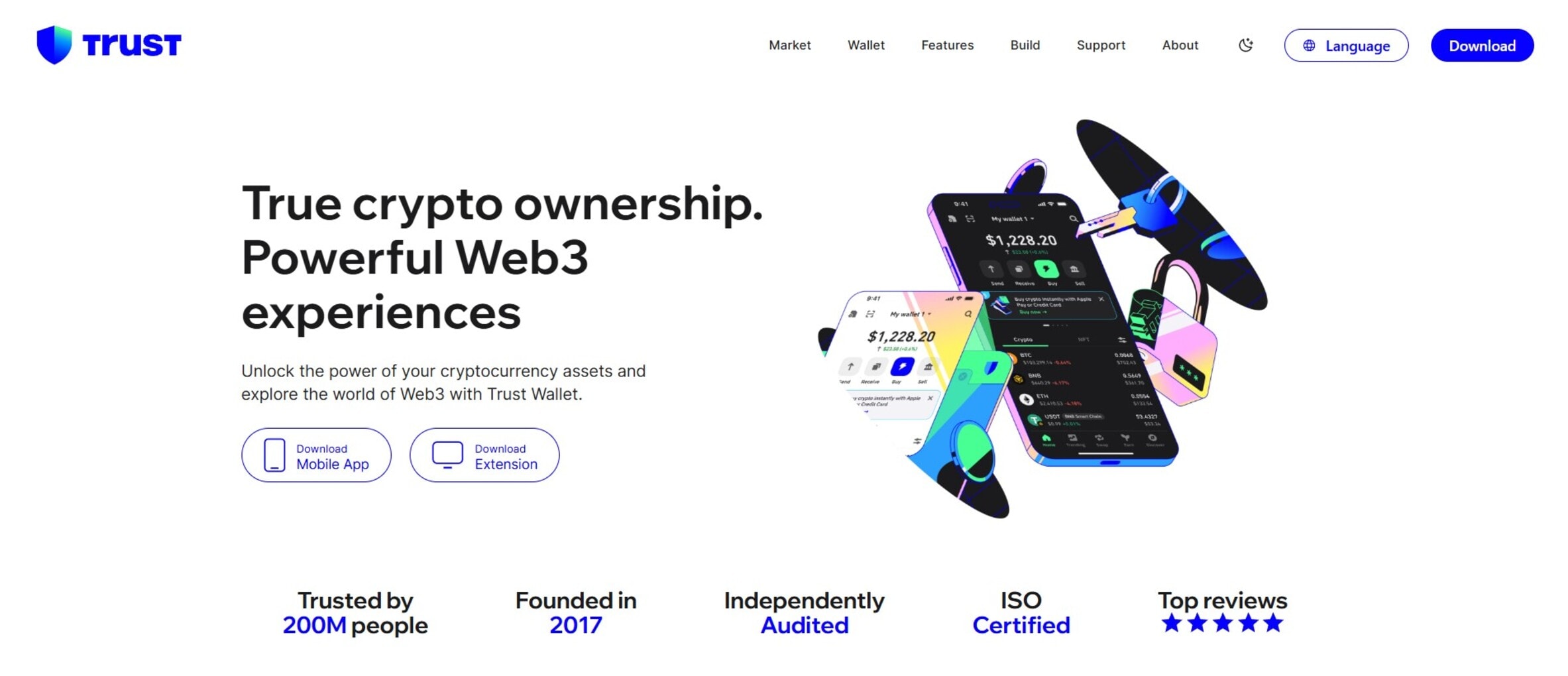
Trust Wallet (Hot Wallet Context)
Note: While often discussed in the broader crypto wallet ecosystem, Trust Wallet is a software-based hot wallet and does not provide the offline security of a hardware cold wallet.
Trust Wallet serves as a popular mobile-first solution for managing a wide array of cryptocurrencies and interacting with DeFi and NFTs. Its primary appeal lies in its convenience, allowing users to buy crypto directly within the app using various fiat payment providers. While it offers self-custody by giving users control over their seed phrase, its continuous online connection exposes private keys to internet-borne threats. It’s an excellent tool for quick transactions and exploring the Web3 landscape, but its security model is fundamentally different from true cold storage.- Price: Free (transaction fees apply)
- Pros: Easy fiat-to-crypto buying, supports a large number of chains and tokens, works well for DeFi/swaps/NFTs, simple interface, no hardware needed.
- Cons: Not a hardware (cold) wallet, always online, security depends on phone/browser hygiene, fees can be higher than exchanges, not ideal for large long-term holdings.
-
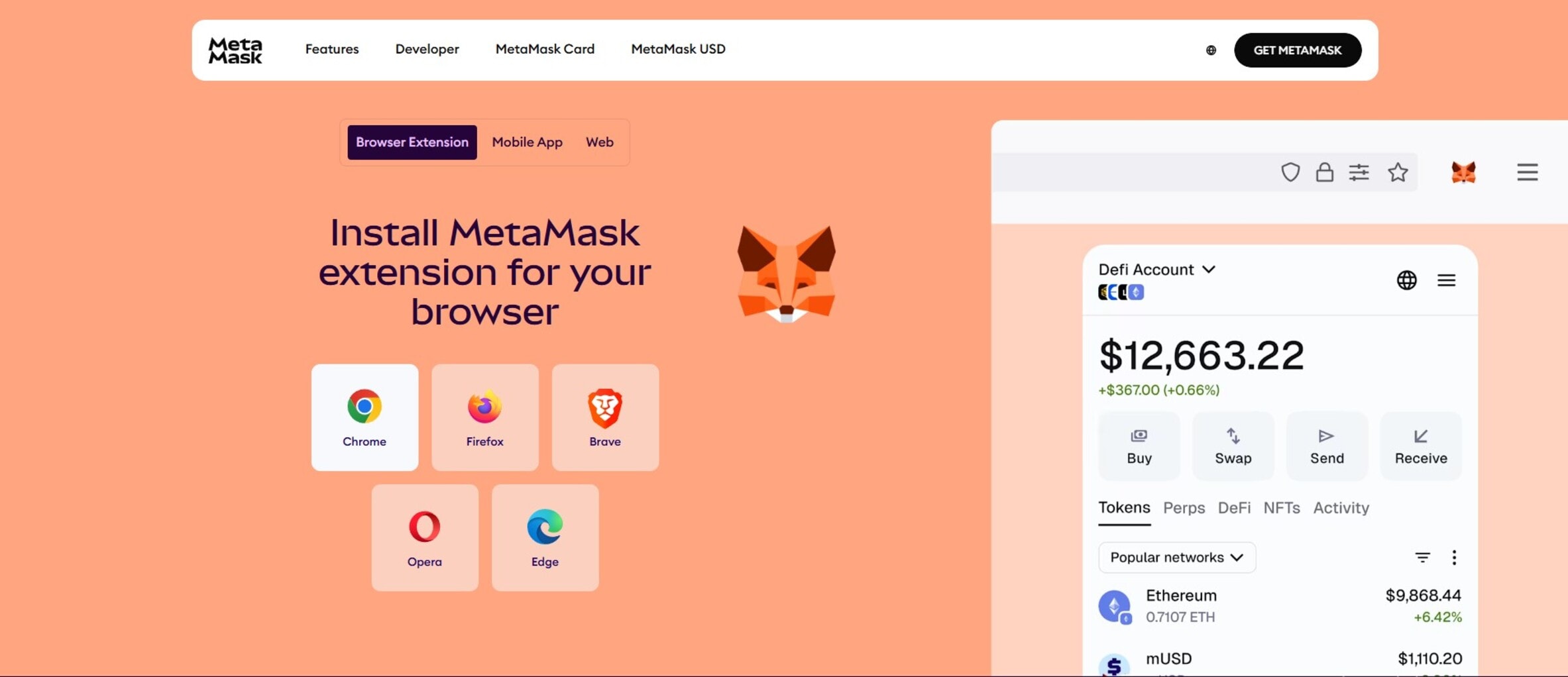
MetaMask (Hot Wallet Context)
Note: MetaMask is the quintessential Web3 hot wallet, designed for online interaction with decentralized applications, not for offline cold storage.
MetaMask is the most ubiquitous browser extension and mobile app for interacting with the Ethereum blockchain and EVM-compatible networks. It provides seamless access to dApps, token swaps, and NFT marketplaces. Its convenience for daily on-chain activity is unmatched, making it a "daily driver" for many crypto users. However, as a hot wallet, its private keys are stored on an internet-connected device, making it susceptible to browser exploits, phishing attacks, and malware. For significant holdings, security experts strongly recommend integrating MetaMask with a hardware wallet to sign transactions offline.- Price: Free (network fees apply)
- Pros: Best-in-class dApp compatibility, supports many major chains, easy onboarding for DeFi and NFTs, strong ecosystem, mobile and browser support.
- Cons: Hot wallet exposed to browser and device risks, in-app swaps often cost more, pervasive phishing threats, requires strong personal security habits.
-
Best Wallet (Hybrid/Mobile Wallet Context)
Note: Best Wallet is a mobile, non-custodial solution that utilizes advanced cryptography for security, but it operates online and is not a traditional cold wallet.
Best Wallet aims to balance user-friendliness with advanced security features for a mobile-centric crypto experience. It supports multiple blockchains, offers staking rewards, and includes a dApp browser. Its security model incorporates Multi-Party Computation (MPC), biometrics, and 2FA, which distribute key management across multiple parties or methods to enhance resilience against single points of failure. While these features make it one of the more secure hot wallets, the private keys remain accessible on a mobile device, necessitating user vigilance against online threats.- Price: Free (transaction fees apply)
- Pros: Easy to use on mobile, strong security features for a hot wallet (MPC, biometrics), supports multiple blockchains, built-in staking and analytics.
- Cons: Primarily mobile-focused, not a cold wallet, many features may overwhelm beginners, still susceptible to mobile device compromises.
-
Zengo (Hybrid/Mobile Wallet Context)
Note: Zengo is a keyless mobile wallet employing MPC, offering a unique security model that differs from both traditional hot and cold wallets, but it operates online.
Zengo distinguishes itself by eliminating the traditional seed phrase, instead using Multi-Party Computation (MPC) cryptography to secure assets. This innovative approach splits the private key into multiple "shards," with one stored on the user’s device and another on Zengo’s servers (encrypted). This significantly mitigates risks associated with seed phrase loss or exposure, device theft, and phishing. Zengo supports a wide range of digital assets for buying, swapping, and managing. While offering strong mobile security and an intuitive recovery process, it is best suited for active use rather than purely long-term, air-gapped cold storage.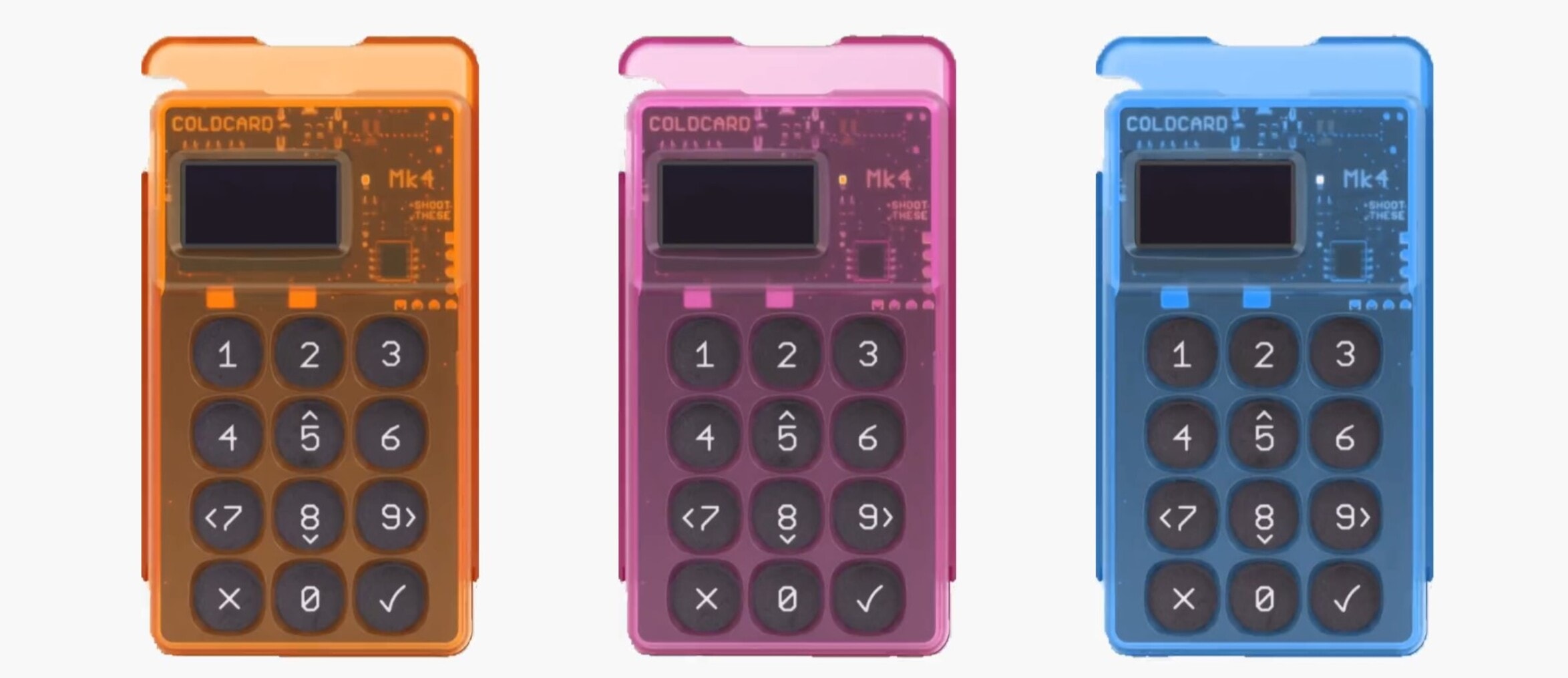
- Price: Free (premium features may incur costs)
- Pros: Keyless (no seed phrase) via MPC, cloud-assisted key recovery, supports many coins and tokens, user-friendly for mobile.
- Cons: Not a traditional cold wallet, reliance on Zengo’s servers for one key shard, not ideal for absolute maximum isolation.
How to Choose the Best Cold Wallet for Crypto
Selecting the right cold wallet is a critical decision that should be guided by several key factors:
- Security Features: This is paramount. Prioritize wallets with a certified secure element chip (e.g., EAL5+, EAL6+) that isolates private keys. Look for additional safeguards like PIN codes, passphrases, multi-signature support, and air-gapped transaction signing capabilities. Tamper-evident packaging and independent security audits also contribute significantly to a wallet’s trustworthiness.
- Compatibility: Ensure the wallet supports all the cryptocurrencies you currently hold or plan to acquire. While some wallets are Bitcoin-only (like Coldcard MK4), others offer extensive multi-coin support (e.g., Ledger, Trezor). Check for compatibility with specific blockchain networks and token standards (e.g., ERC-20, BEP-20).
- Functionality: Consider your usage patterns. Do you need advanced features like PSBT support for complex Bitcoin transactions, or integration with staking platforms? Do you prefer Bluetooth convenience or absolute air-gapped isolation? Some wallets offer features like SLIP39 backups for enhanced recovery, while others focus on minimalist design.
- User Experience: An intuitive interface is crucial to prevent errors that could lead to irreversible fund loss. Look for clear setup instructions, straightforward recovery-phrase management, and an easy-to-understand transaction signing process. A smooth user experience ensures you can confidently and safely manage your assets.
- Cost: Cold wallets range from under $50 to several hundred dollars. While budget options provide basic security, investing in a higher-priced model often translates to superior build quality, more robust security features, and a better overall user experience. For significant crypto holdings, the cost of a premium cold wallet is a small price for long-term peace of mind.
How to Set Up and Use Your Cold Wallet Safely
Setting up a cold wallet correctly is as important as choosing the right one. Follow these steps for maximum security:
- Purchase from Official Channels: Always buy directly from the manufacturer’s official website or authorized retailers. This minimizes the risk of receiving a tampered or counterfeit device.
- Inspect the Device: Upon arrival, carefully inspect the packaging for any signs of tampering. Check seals, plastic wraps, and the device itself for abnormalities.
- Initialize the Device: Connect the wallet to your computer (or mobile device via Bluetooth/NFC for some models) and follow the on-screen instructions to initialize it. This typically involves setting a PIN.
- Generate and Secure Your Seed Phrase: This is the most critical step. The device will generate a unique 12-to-24-word recovery seed phrase. Write this down physically on paper or a metal plate, never digitally. Make multiple copies and store them in separate, secure, offline locations (e.g., a fireproof safe, a bank vault). This phrase is the sole key to recovering your funds if your wallet is lost or damaged.
- Verify the Seed Phrase: Most wallets will prompt you to verify your seed phrase by re-entering some or all of the words. Do not skip this step; it confirms you have accurately recorded it.
- Install Necessary Apps/Firmware: Install the manufacturer’s companion application (e.g., Ledger Live, Trezor Suite) and update the device’s firmware to the latest version. Always perform updates through official channels.
- Send a Small Test Transaction: Before transferring significant funds, send a small amount of cryptocurrency to your new cold wallet. Confirm it arrives successfully and then practice sending it back out. This builds confidence and verifies the setup.
- Transfer Your Funds: Once confident, you can transfer your primary crypto holdings to the cold wallet. Remember, for true cold storage, the device should remain disconnected from the internet when not in use.
Limitations and Disadvantages of Cold Wallets
While cold wallets offer unparalleled security, they are not without their drawbacks:
- Less Convenient for Frequent Transactions: The process of physically connecting, entering PINs, and confirming transactions makes cold wallets less suitable for day trading or frequent micro-transactions.
- Higher Cost: Hardware wallets require an upfront investment, which can be a barrier for some users, especially compared to free software wallets.
- Risk of Physical Loss/Damage: If the device is lost, stolen, or physically damaged, and the seed phrase is not securely backed up, funds can be permanently inaccessible.
- User Responsibility: Cold wallets place the entire burden of security on the user. There’s no "forgot password" option; if the seed phrase is lost or compromised, there’s no recourse.
- Learning Curve: For beginners, understanding concepts like seed phrases, transaction signing, and firmware updates can be daunting.
- Firmware Vulnerabilities: While rare, hardware and firmware can have undiscovered vulnerabilities. Regular updates are crucial, but they still represent a potential (albeit low) risk.
Conclusion
In an increasingly digitized and interconnected world, the security of digital assets is paramount. Cold wallets represent the pinnacle of cryptocurrency security, providing an essential shield against the myriad threats lurking in the online realm. By keeping private keys offline, these devices empower individuals with full, non-custodial control over their digital wealth, offering peace of mind that no hot wallet or centralized exchange can truly match. While they demand a higher degree of user responsibility, an initial financial investment, and a slight learning curve, the benefits of enhanced security, long-term asset protection, and true financial sovereignty make cold storage the unequivocal choice for any serious cryptocurrency investor. As the crypto ecosystem continues to mature and evolve, the role of robust, user-friendly cold wallets will only become more critical in safeguarding the future of digital finance.
FAQs
What’s the best overall crypto wallet?
The "best" crypto wallet is subjective and depends on individual priorities. For long-term security and significant holdings, hardware wallets like Ledger Nano X, Ledger Stax, Trezor Safe 3, and Coldcard MK4 are considered the gold standard. For daily transactions and dApp interaction with smaller amounts, hot wallets like MetaMask or mobile solutions like Trust Wallet are popular, often used in conjunction with a hardware wallet for security.
How long do hardware wallets last?
A well-maintained hardware wallet can typically last 5–10 years or more. Factors influencing longevity include build quality, frequency of use, and environmental conditions. Regular firmware updates are crucial to maintain security and compatibility over time.
Which cold wallet has never been hacked?
While no technology can offer a 100% guarantee against all forms of attack, wallets that are fully air-gapped and keep private keys strictly offline, such as the Coldcard MK4, have maintained exceptionally strong security records against remote online attacks. The key is that the device itself has never had its secure element compromised to reveal keys, even if associated software or companion apps have faced issues. User error remains the most common vector for loss.
What cold wallet is best for beginners?
The Trezor Safe 3 is often recommended for beginners due to its intuitive interface, straightforward setup process, and broad support for multiple cryptocurrencies. The Ledger Nano X is also beginner-friendly, offering mobile connectivity through Bluetooth for added convenience while maintaining strong security.