admin
admin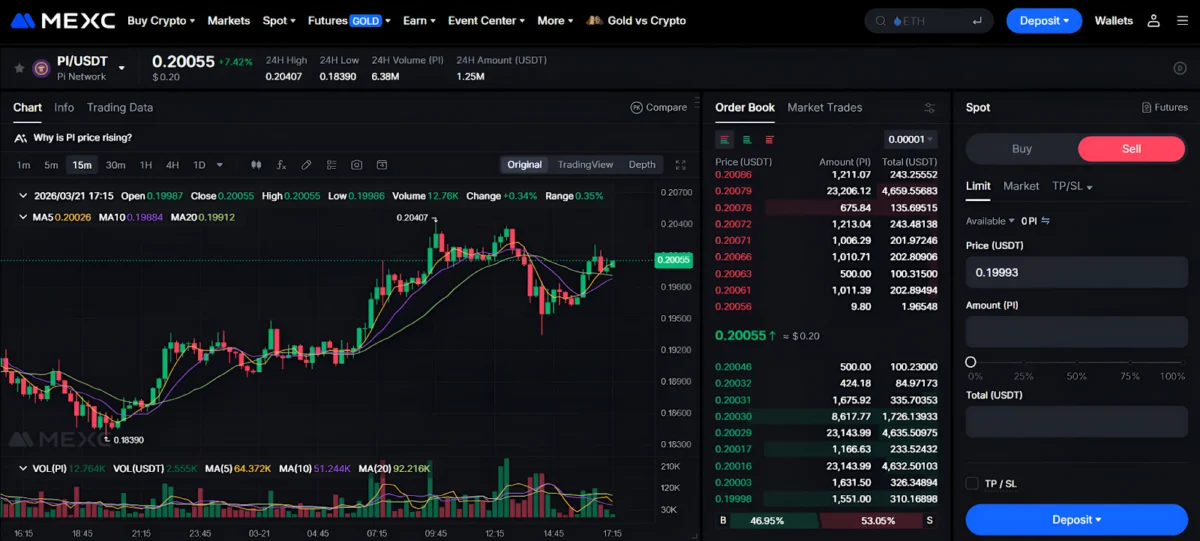
The Pi Network, a decentralized blockchain project designed to enable mobile mining of its native Pi coin, has garnered significant attention since its inception. Positioned as an accessible cryptocurrency for everyday users, Pi Network’s journey from a testnet phase to an "enclosed mainnet" has been closely watched by its global community of "Pioneers." This article provides an in-depth exploration into the process of selling Pi coins, covering critical requirements, available platforms, associated costs, inherent risks, and strategic advice for maximizing returns, all within a professional journalistic framework.
The Genesis of Pi Network and Its Vision
Launched in 2019 by a team of Stanford University graduates, Pi Network set out with an ambitious goal: to create a cryptocurrency that could be mined on mobile phones, thereby democratizing access to digital assets. Unlike Bitcoin’s energy-intensive Proof-of-Work, Pi employs a unique consensus algorithm derived from the Stellar Consensus Protocol, allowing users to earn Pi coins by simply verifying their presence daily in the app. This innovative approach resonated with millions, leading to a rapidly expanding user base. The project’s roadmap outlined distinct phases, moving from initial mobile mining (Phase 1), through testnet development (Phase 2), to the crucial "enclosed mainnet" (Phase 3). The enclosed mainnet, launched in December 2021, allowed validated users to migrate their mined Pi to a secure wallet on the mainnet, but with restricted external connectivity, preventing direct trading on major exchanges. This phase was designed to foster ecosystem development, facilitate widespread Know Your Customer (KYC) verification, and ensure the network’s stability before transitioning to an "open mainnet."
Current Market Status and Price Trajectory of Pi Coin
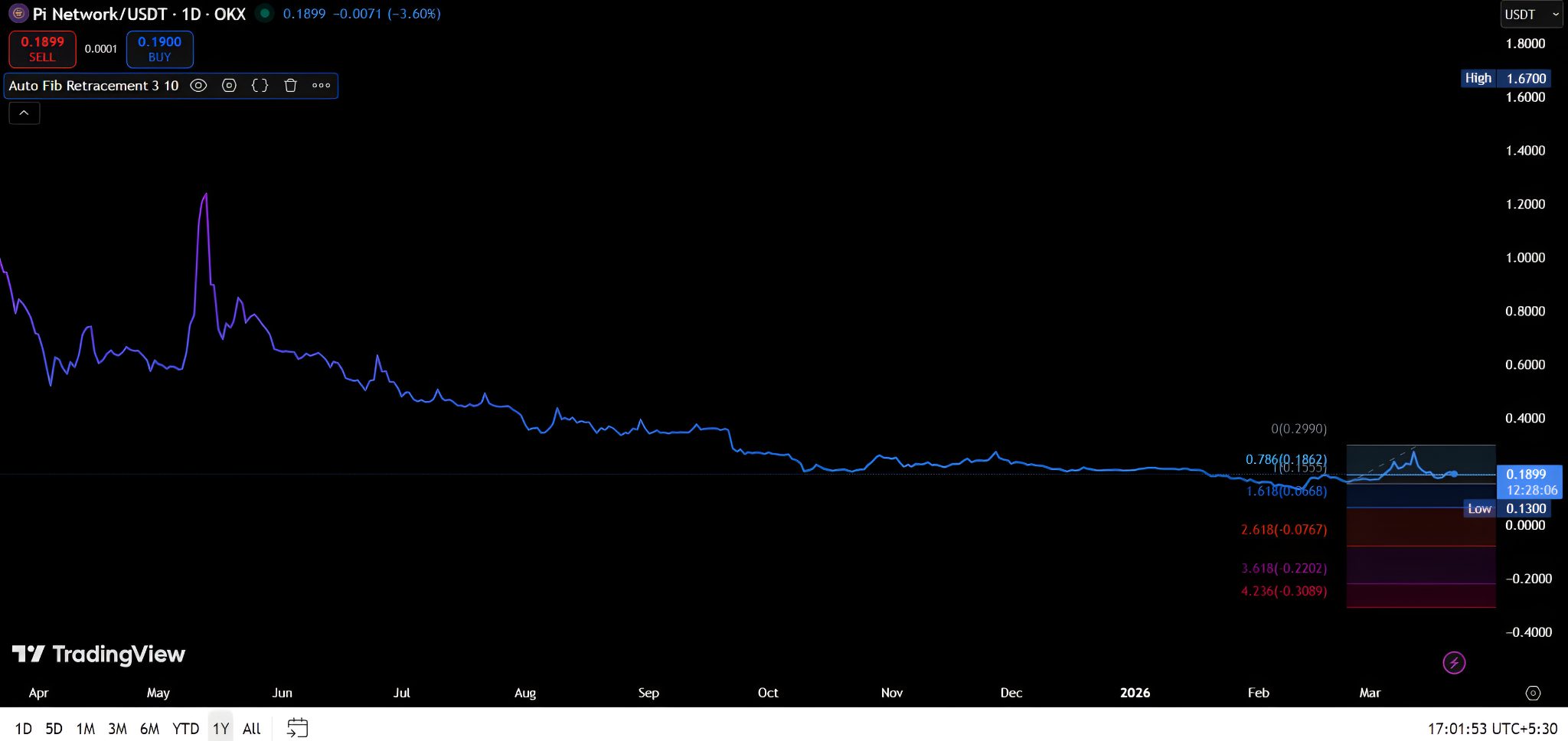
The official trading of Pi coins reportedly commenced on February 20, 2025, marking a significant milestone for the project. Prior to this, any trading activity largely involved "IOU" (I Owe You) tokens on certain platforms, which were speculative representations of future Pi coins rather than actual mainnet assets. Following its official debut, Pi’s price experienced a notable downtrend, losing approximately 93.60% from its all-time high of $2.99. The coin currently trades at $0.1899. Market analysts indicate that a sustained trend reversal appears unlikely unless Pi breaches a key resistance level of $0.2990 on the 1-year chart. This price action reflects the nascent stage of the coin’s market presence and the broader cryptocurrency market’s volatility. Factors contributing to this downtrend may include the initial speculative nature of early listings, the ongoing development phase of the open mainnet, and the general market sentiment impacting newer digital assets. The lack of full utility and widespread adoption outside the Pi ecosystem during its enclosed mainnet phase also contributes to its current valuation.
Prerequisites for Selling Pi Coins: A Comprehensive Checklist
Before any Pi holder can engage in selling their digital assets, several critical requirements must be met, primarily revolving around identity verification and mainnet migration. These steps are integral to the Pi Network’s security and regulatory compliance framework.

- Know Your Customer (KYC) Verification: This is a mandatory step for all users intending to transfer their mined Pi to the mainnet. The KYC process involves submitting government-issued identity documents (such as a passport or driver’s license) and often includes a live facial verification to confirm the user’s identity. This process is crucial for preventing bot accounts, ensuring that real individuals are participating in the network, and adhering to global anti-money laundering (AML) regulations. Without successful KYC completion, Pi tokens remain locked in the application’s testnet environment and cannot be transferred or sold.
- Mainnet Migration: Following successful KYC verification, users become eligible to migrate their "transferable balance" of Pi coins from their in-app account to their non-custodial Pi Wallet on the mainnet. This process typically involves a waiting period, allowing the network to validate the user’s mining history and contributions. The Pi Wallet is a crucial component, as it provides users with full control over their assets. It’s important to note that Pi coins are often divided into a "locked-up" balance (contributing to network security and stability) and a "transferable" balance, with only the latter being immediately available for transactions.
- Pi Wallet Setup: A secure Pi Wallet must be created and properly configured. This wallet acts as the gateway for storing and transacting Pi coins on the mainnet. Users are responsible for safeguarding their wallet passphrase, as its loss can lead to irreversible loss of funds.
- Adherence to Pi Network Terms of Service: Users must comply with all terms of service and policies set forth by the Pi Network. Violations, such as operating multiple accounts or engaging in illicit activities, can result in account suspension and forfeiture of mined Pi.
Venues for Transacting Pi Coins: Centralized, Decentralized, and P2P
The avenues available for selling Pi coins vary significantly in terms of security, liquidity, and regulatory oversight. Understanding these differences is crucial for making informed decisions.
Centralized Exchanges (CEXs): The Primary Liquidity Hubs
As of the reported official trading commencement, several prominent centralized exchanges have emerged as key platforms for trading or converting Pi coins. OKX, Gate.io, MEXC, and Bitget are frequently cited among the top exchanges offering Pi trading pairs. These platforms are characterized by their deep liquidity, robust security infrastructure, user-friendly interfaces, and a suite of advanced trading tools.
- Features and Benefits: CEXs provide a streamlined experience for buying and selling cryptocurrencies. They often offer various order types (market, limit, stop-loss), charting tools for technical analysis, and fiat on/off-ramps, allowing users to convert crypto to traditional currencies. Their deep liquidity pools ensure that larger sell orders can be executed with minimal price impact.
- Security Measures: Reputable CEXs implement stringent security protocols, including multi-factor authentication (MFA), cold storage for a significant portion of user assets, and sometimes insurance funds to protect against hacks.
- Fee Structure: Most CEXs employ a tiered fee structure, where trading fees decrease as a user’s 30-day trading volume increases, rewarding high-volume traders with lower "maker" and "taker" fees. Deposit fees are typically waived, while withdrawal fees vary depending on the specific cryptocurrency and its underlying blockchain network.
- Regulatory Compliance: These exchanges are generally subject to varying degrees of financial regulation, requiring users to complete stringent KYC/AML checks, which, while sometimes cumbersome, adds a layer of security and legitimacy to transactions.
It is paramount for users to confirm that any Pi listed on these exchanges represents actual mainnet Pi and not IOU tokens, especially given the project’s phased mainnet rollout.
Decentralized Exchanges (DEXs): The Future of Pi Trading
As of March 2026, popular decentralized exchanges like Uniswap or Orca do not natively support the buying or selling of Pi coins. This limitation stems from Pi Network’s unique blockchain architecture and its controlled mainnet environment. However, the Pi Network Core Team has been actively developing its own native Decentralized Exchange (DEX) and Automated Market Maker (AMM) liquidity pool. This internal development is a strategic move to integrate trading functionalities directly within the Pi ecosystem, potentially offering several advantages:
- Enhanced Control: A native DEX would allow the Pi Network to maintain greater control over its token’s liquidity and trading environment.
- Decentralization: By facilitating peer-to-peer trading without an intermediary, a native DEX aligns with the core ethos of decentralization, reducing reliance on centralized entities.
- Ecosystem Integration: A Pi-specific DEX could foster deeper integration with other applications and utilities built on the Pi blockchain, enhancing the coin’s utility.
- Potential for Lower Fees: Depending on its design, a native DEX could offer competitive transaction fees compared to external CEXs, particularly for on-chain swaps.
The full usability of Pi Network’s own DEX and AMM is eagerly anticipated by the community, as it represents a significant step towards full market integration and increased liquidity.
Peer-to-Peer (P2P) Trading Platforms: High Risk, Limited Recourse
P2P trading platforms offer a direct way for users to swap Pi for fiat currencies or other cryptocurrencies without the intermediation of a traditional exchange. While this model offers flexibility and potentially lower fees, it carries significant inherent risks that necessitate extreme caution.
- Elevated Scam Risk: Without robust escrow protection, P2P transactions are highly susceptible to scams. Malicious actors may trick users into sending mainnet-verified Pi tokens under false pretenses, promote unverified or fake Pi coins, reverse fiat transactions after receiving crypto, or provide fraudulent payment screenshots.
- Regulatory Violations: Engaging in informal, off-platform P2P sales can inadvertently lead to violations of local cryptocurrency regulations, particularly concerning anti-money laundering (AML) and financial reporting requirements. The absence of proper tax documentation for such transactions can result in severe legal and financial repercussions.
- Lack of Recourse: In the event of a dispute or fraud, P2P traders often have limited or no official recourse, making it challenging to recover lost funds.
Therefore, P2P trades should only be considered as a last resort, primarily in regions where major crypto exchanges are inaccessible. When engaging in P2P transactions, users are strongly advised to:
- Transact with Trusted Contacts: Limit trades to individuals with an established reputation or personal connection.
- Sell Small Amounts: Minimize exposure by trading only small quantities of Pi.
- Utilize Escrow Services: Whenever possible, use reputable P2P platforms that integrate robust escrow services to hold funds until both parties fulfill their obligations.
- Document Everything: Keep meticulous records of all communications and transactions.
Step-by-Step Guide to Selling Pi Coin on Centralized Exchanges
For those who have completed KYC and migrated their Pi to the mainnet, selling on a centralized exchange follows a standardized procedure:
- Step 1: Choose Your Trading Platform. Carefully assess available exchanges based on factors such as supported Pi trading pairs, fee structure, security measures, user interface, customer support, and regulatory standing. For Pi, popular choices include OKX, Gate.io, MEXC, and Bitget. Visit the platform’s official website or download its authenticated mobile application.
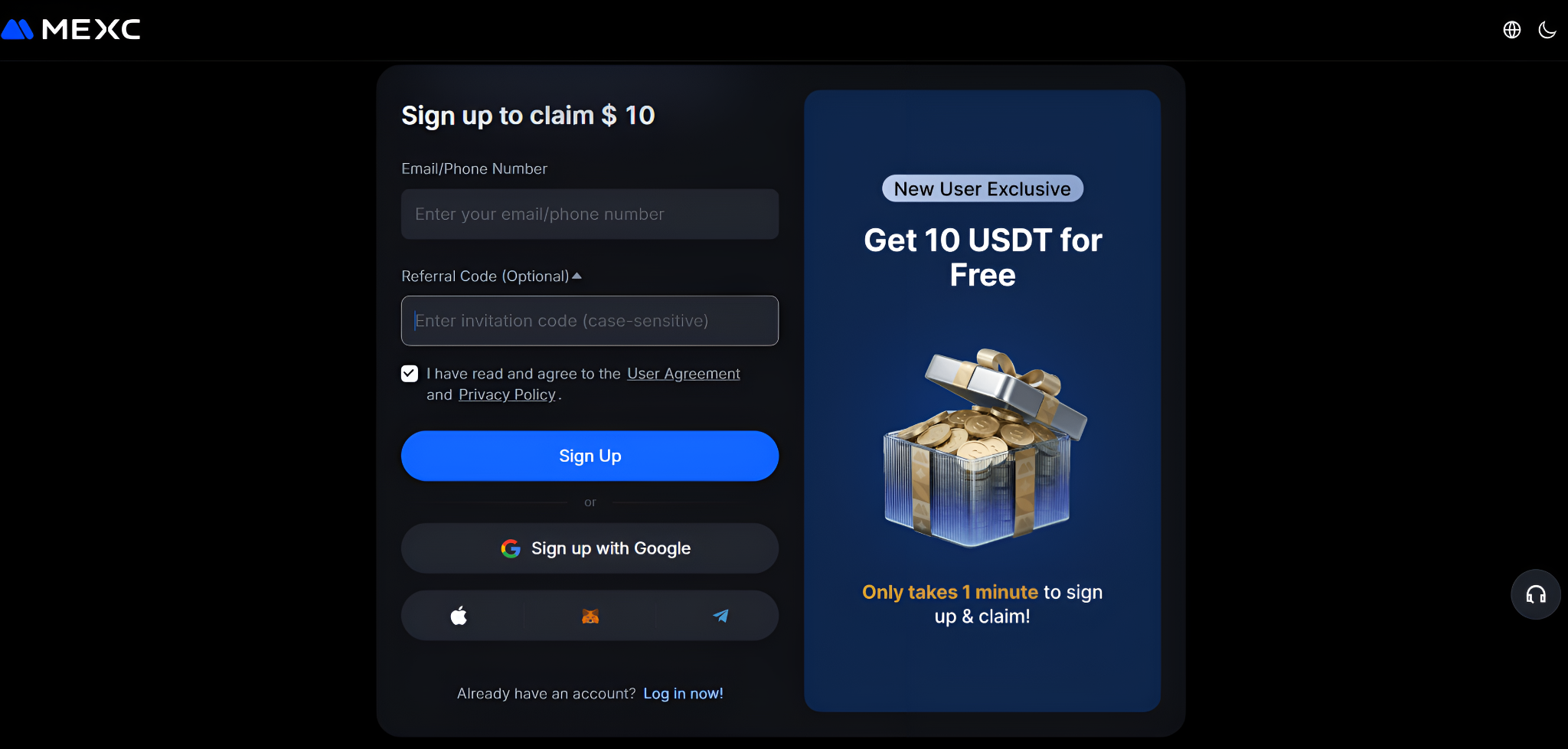
- Step 2: Register and Verify Your Exchange Account. Create a new account by providing essential personal details such as your name, country of residence, email address, and phone number. Establish a strong, unique password. Crucially, proceed with identity verification (KYC). This typically involves uploading clear images of a government-issued ID (e.g., passport, national ID card, driver’s license) and proof of address (e.g., utility bill, bank statement). Many platforms also require a live selfie or video verification to confirm facial identity. The verification process can take anywhere from a few hours to several business days.
- Step 3: Transfer Pi to Your Exchange Wallet. Once your exchange account is verified, navigate to the "Deposit" section and select Pi (PI) as the cryptocurrency. The exchange will generate a unique deposit address for your Pi wallet on their platform. Log in to your Pi Network wallet, access the "Send" or "Transfer" function, and carefully paste the copied deposit address. Double-check the address to prevent sending funds to an incorrect destination, as blockchain transactions are irreversible. Enter the desired amount of Pi to transfer and initiate the transaction. Allow for network confirmations; the transferred coins should appear in your exchange account balance once confirmed.
- Step 4: Find the Pi Coin Trading Pair. On the exchange’s trading interface, search for Pi (PI) and identify the desired trading pair. The most common and liquid pair is typically PI/USDT (Tether), given USDT’s status as a stablecoin. Other pairs, such as PI/USDC or PI/EUR, may also be available depending on the exchange and regional support.
- Step 5: Place a Sell Order. After selecting the appropriate trading pair, choose your preferred order type.
- Market Order: Executes immediately at the best available current market price. This offers speed but can result in slight price slippage, especially for large orders.
- Limit Order: Allows you to set a specific price at which you wish to sell your Pi. The order will only execute if the market price reaches your specified limit or better. This provides price control but may take longer to fill or might not fill at all if the target price isn’t met.
- Stop-Loss Order: An advanced order type that sells your Pi if its price drops to a predetermined level, helping to limit potential losses.
Enter the quantity of Pi coins you intend to sell. Review all transaction details, including the potential proceeds and any applicable fees. Confirm the transaction by clicking the "Sell" button. Upon successful execution, the sale proceeds (e.g., USDT) will be reflected in your exchange account. From there, you can choose to hold the stablecoin, trade for other cryptocurrencies, or withdraw to fiat currency if supported.
Fees and Costs Associated with Selling Pi Coin
Selling Pi coins involves several potential fees and costs, which can impact the net proceeds received by the seller. Understanding these charges is essential for accurate financial planning.
- Trading Fees: Centralized exchanges typically charge trading fees, often expressed as a percentage of the transaction value. These are commonly split into "maker" fees (for orders that add liquidity to the order book) and "taker" fees (for orders that remove liquidity). As mentioned, many exchanges employ a tiered structure, where fees decrease with higher trading volumes.
- Withdrawal Fees: When withdrawing funds (either Pi, stablecoins, or fiat) from an exchange, a withdrawal fee may apply. This fee varies significantly based on the cryptocurrency being withdrawn and the network congestion at the time of withdrawal. For fiat withdrawals, bank transfer fees or payment processor charges may also be levied.
- Network Fees (Gas Fees): While transferring Pi coins from your Pi Wallet to an exchange, a small network transaction fee (gas fee) might be incurred on the Pi blockchain itself. These fees are typically paid in Pi and are necessary to compensate network validators.
- Conversion Fees: If you sell Pi for a stablecoin (e.g., USDT) and then wish to convert that stablecoin into fiat currency (e.g., USD, EUR), additional conversion fees might be charged by the exchange or payment processor.
- Tax Implications: Perhaps the most significant "cost" is the potential tax liability. In many jurisdictions, selling cryptocurrency for a profit (converting it to fiat or another cryptocurrency that has appreciated in value since acquisition) is considered a taxable event, subject to capital gains tax. Users are strongly advised to consult with a tax professional to understand their specific reporting obligations and liabilities based on their local tax laws. Failure to report crypto transactions accurately can lead to severe penalties.
Risks Associated with Selling Pi Coin
While the prospect of liquidating mined Pi coins is appealing, several risks must be carefully considered by sellers.

- Market Volatility and Price Fluctuations: The cryptocurrency market is notoriously volatile, and newer assets like Pi are particularly susceptible to rapid and unpredictable price swings. The reported downtrend since its official listing underscores this risk. A sudden market downturn could significantly diminish the value of Pi before a sell order can be executed.
- Liquidity Risk: Although major CEXs offer liquidity, there might be periods or specific trading pairs with insufficient depth to handle large sell orders without causing significant price slippage. This means selling a substantial amount of Pi quickly could depress its market price.
- Regulatory Uncertainty: The global regulatory landscape for cryptocurrencies is constantly evolving. New regulations or enforcement actions could impact the legality of trading Pi, the operations of exchanges, or the tax treatment of transactions, potentially affecting its market value and accessibility.
- Scam and Fraud Risks: As highlighted with P2P trading, the crypto space is rife with scams. Unofficial platforms, phishing attempts, and fraudulent individuals attempting to acquire Pi tokens illegally pose a constant threat. Users must remain vigilant and only interact with verified, reputable platforms. The Pi Network provides a list of KYB (Know Your Business)-verified businesses; users should prioritize interacting with entities on this list to ensure authenticity.
- Project Development Risk: The long-term success and utility of Pi coin are inherently tied to the ongoing development and adoption of the Pi Network’s open mainnet and its ecosystem. Any significant delays, technical challenges, or a failure to achieve widespread utility could negatively impact Pi’s value.
- Custody Risk: Storing Pi coins on a centralized exchange introduces custody risk. While reputable exchanges implement security measures, they are still targets for hackers. In the event of a breach or platform insolvency, users could lose their funds. It is often recommended to withdraw significant holdings to a personal, non-custodial wallet once trading is complete.
- Technical Risks: Smart contract vulnerabilities, network congestion, or other technical issues on the blockchain could disrupt transactions or lead to asset loss, though such events are generally rare on established networks.
Strategic Tips for Selling Pi Coin Smartly
To navigate the complexities and risks associated with selling Pi coins, adopting a strategic and informed approach is paramount.
- Stay Informed and Monitor Market Conditions: Regularly follow official announcements from the Pi Network Core Team, cryptocurrency news outlets, and market analysis. Understanding the broader crypto market trends and Pi-specific developments (e.g., progress towards open mainnet, ecosystem partnerships) can inform your selling decisions.
- Conduct Thorough Due Diligence: Before choosing any exchange or platform, research its reputation, security track record, fee structure, and user reviews. Ensure the platform is regulated in your jurisdiction if that is a concern.
- Prioritize Security: Always enable two-factor authentication (2FA) on your exchange accounts and Pi Wallet. Use strong, unique passwords. Be wary of phishing attempts via email or fake websites. Never share your wallet passphrase.
- Understand Your Tax Obligations: Consult a qualified tax advisor to understand the capital gains tax implications of selling Pi in your country of residence. Maintain meticulous records of all transactions for tax reporting purposes.
- Develop a Selling Strategy: Instead of attempting to "time the market," consider a systematic approach. This could involve setting clear profit targets or utilizing dollar-cost averaging (DCA) to sell smaller amounts over time, mitigating the risk of selling all your holdings at an unfavorable price point.
- Diversify Your Portfolio (if applicable): While this article focuses on selling Pi, a broader financial strategy often includes diversification. Avoid putting all your assets into a single cryptocurrency.
- Utilize Limit Orders: Instead of always using market orders, consider limit orders to ensure your Pi is sold at your desired price or better, especially if you are not in a rush.
- Avoid Emotional Decisions: The volatile nature of crypto markets can induce fear of missing out (FOMO) or fear, uncertainty, and doubt (FUD). Base your selling decisions on objective analysis and your predetermined strategy, rather than impulsive reactions to short-term price movements.
- Verify All Wallet Addresses: When transferring Pi to an exchange, always double-check the deposit address. A single incorrect character can lead to irreversible loss of funds.
Conclusion
The journey of Pi Network from a mobile mining application to a project with officially tradable assets on centralized exchanges marks a significant chapter in its development. While the prospect of converting mined Pi into tangible value is now a reality for KYC-verified and mainnet-migrated users, the process is fraught with market volatility, technical complexities, and potential risks. The reported downtrend in Pi’s price since its official listing on February 20, 2025, underscores the speculative nature of nascent cryptocurrencies.
The ongoing network upgrades and the expansion of the Pi ecosystem, including the anticipated launch of its native DEX and AMM, hold the potential to increase the coin’s utility and, consequently, its market price. However, prospective sellers must approach these opportunities with a high degree of caution and diligence. Thorough research, understanding the associated fees and tax obligations, and implementing robust security practices are not merely advisable but essential. As market conditions remain inherently unpredictable, exercising prudence and applying due diligence will be crucial for Pioneers navigating the evolving landscape of Pi coin liquidity and realizing the value of their contributions to the network. The ability of the Pi Network to transition successfully to an open mainnet and foster a vibrant, utility-driven ecosystem will ultimately determine its long-term market viability and the true value proposition for its global user base.
Frequently Asked Questions (FAQs)
1. Can I sell Pi coin for real money?
Yes, some centralized exchanges that list Pi offer fiat trading pairs (e.g., PI/USD, PI/EUR), enabling you to directly sell Pi for real money. However, the availability of such pairs may vary by region and the specific exchange. Alternatively, you can sell Pi for a stablecoin like USDT and then convert USDT to your local fiat currency through the exchange’s withdrawal options.
2. Do I need KYC to sell Pi coins?
Absolutely. KYC (Know Your Customer) verification is a mandatory requirement to migrate your mined Pi coins to the mainnet. Without completing KYC and subsequently migrating your Pi, your tokens will remain in the app’s testnet environment and cannot be transferred, traded, or sold on any external platform. Additionally, most reputable centralized exchanges also require KYC for account verification and withdrawal functionalities.
3. What is the difference between an IOU and a real Pi coin?
IOU (I Owe You) tokens are essentially promissory notes representing a future claim to Pi tokens. They are speculative assets traded on certain platforms before Pi officially launched on the mainnet and became transferable. IOUs are not backed by actual mainnet Pi coins and may not be redeemable for real Pi in the future. Conversely, a "real Pi" is a native token on the Pi Network’s mainnet, which has undergone KYC verification and mainnet migration, making it a transferable and tradable digital asset.
4. How long does a Pi coin withdrawal take?
The duration for a Pi coin withdrawal can vary. Transfers from your Pi Wallet to an exchange typically depend on network congestion and the number of confirmations required by the receiving exchange, often taking from a few minutes to a few hours. Withdrawals of fiat currency from an exchange to your bank account can take anywhere from a few minutes (for instant transfer methods, if available) to several business days, depending on your location, the withdrawal method chosen, and bank processing times.
5. Why can’t I withdraw Pi from the Pi Network app directly?
To withdraw Pi from the Pi Network app, you must first successfully complete KYC verification and migrate your eligible Pi coins to the Pi Wallet on the mainnet. The Pi Network app itself is primarily for mining and managing your Pi balance, while the Pi Wallet is designed for actual transactions on the mainnet. Furthermore, while the mainnet is operational, it has been in an "enclosed" phase, meaning some transfer functionalities may have been restricted as the ecosystem matures and transitions towards an "open mainnet" phase.
6. When will the Pi Network launch its "Open Mainnet"?
The Pi Network Core Team has stated that the transition to the "Open Mainnet" will occur when certain conditions are met, including substantial progress in ecosystem development, completion of mass KYC verification, and the successful implementation of key technological milestones. While no definitive date has been announced, the project’s roadmap indicates a commitment to opening the mainnet when the network is sufficiently robust and decentralized.