admin
admin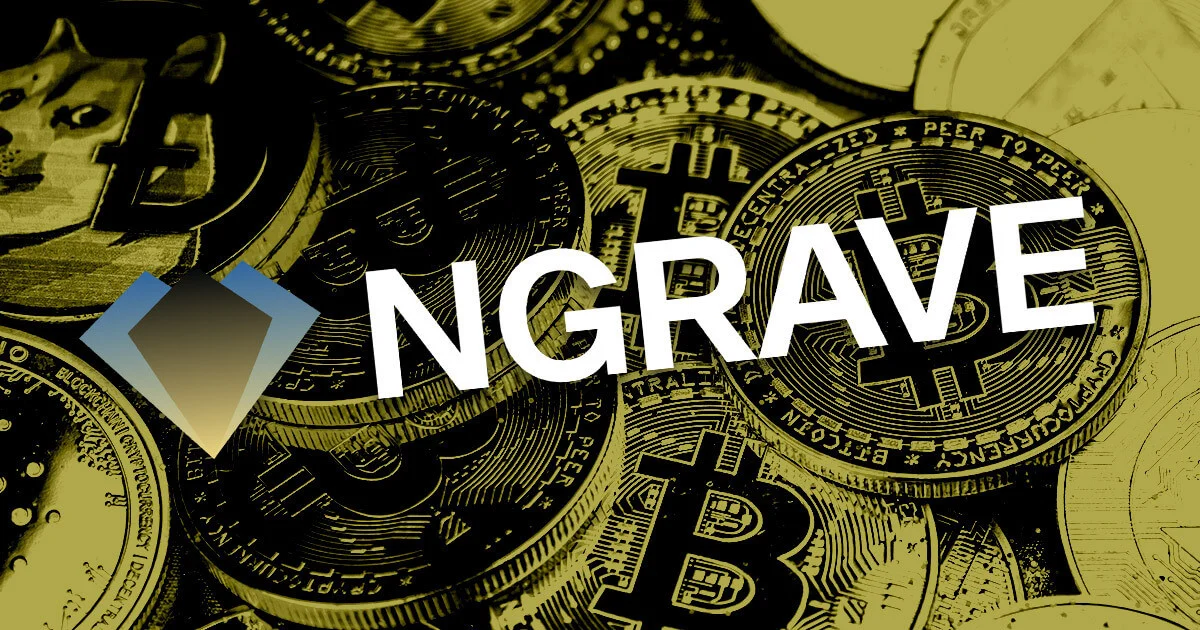
Hardware wallet manufacturer NGRAVE has officially launched its third annual Security Self-Audit, a comprehensive initiative designed to empower cryptocurrency investors to evaluate and fortify their digital asset protection strategies. As the digital asset industry navigates the aftermath of a volatile year marked by high-profile exchange collapses and sophisticated cyberattacks, the need for robust self-custody practices has moved from a niche concern to a fundamental requirement for market participation. The NGRAVE Security Self-Audit provides a structured, anonymous framework for users to identify vulnerabilities in their current security setups, ranging from seed phrase management to the use of hot versus cold storage solutions.
The launch of this tool comes at a critical juncture for the blockchain ecosystem. While market valuations fluctuated throughout 2022 and early 2023, the frequency and scale of illicit activities remained at historic highs. By offering a free, four-minute diagnostic tool, NGRAVE aims to bridge the educational gap that often leads to devastating financial losses. The initiative is not merely a diagnostic exercise but an educational campaign, providing tailored recommendations based on the user’s specific risk profile and current hardware or software configurations.
The State of Global Cryptocurrency Security in 2022 and 2023
To understand the necessity of NGRAVE’s self-audit initiative, one must examine the staggering data surrounding crypto-related crime. According to the 2023 Crypto Crime Report by blockchain analytics firm Chainalysis, 2022 was the most prolific year on record for cryptocurrency hacking. Cybercriminals managed to steal approximately $3.8 billion from various protocols and individual wallets, a significant increase from the $3.3 billion stolen in 2021.
A granular analysis of these thefts reveals that Decentralized Finance (DeFi) protocols remained the primary targets, accounting for 82.1% of all cryptocurrency stolen by hackers—a total of $3.1 billion. Within the DeFi sector, cross-chain bridge exploits were particularly damaging, representing 64% of the total funds lost in DeFi hacks. These statistics underscore a growing sophistication among attackers who exploit vulnerabilities in smart contract code and the interoperability layers between different blockchain networks.
However, individual user error and social engineering remain persistent threats. Phishing attacks, SIM swapping, and the mismanagement of private keys continue to result in "drained wallets." The NGRAVE Security Self-Audit specifically addresses these "human element" risks, which often bypass even the most secure blockchain encryption. By analyzing how users store their backup phrases and how they interact with decentralized applications (dApps), the audit provides a holistic view of a user’s defensive posture.
Chronology of the Self-Custody Movement and NGRAVE’s Evolution
The push for better security practices has evolved in parallel with the growth of the cryptocurrency market. The timeline of this movement reflects a shift from centralized reliance to a "trustless" self-custody model.
- 2018–2019: The Genesis of NGRAVE: Founded in Belgium by Ruben Merre, Xavier Hendrickx, and Edouard Vanham, NGRAVE entered the market with the goal of creating the "Coldest Wallet." This period was marked by the realization that existing hardware wallets still relied on USB or Bluetooth connections, which presented potential attack vectors.
- 2020: The Launch of the ZERO: NGRAVE introduced its flagship product, the NGRAVE ZERO, the first hardware wallet with an EAL7 security certification—the highest in the world. This established the company as a leader in high-security cold storage.
- 2021: The First Security Self-Audit: Recognizing that hardware alone cannot prevent all losses, NGRAVE launched its first annual security audit. This initiative sought to gather data on user behavior and provide a benchmark for industry security standards.
- 2022: The "Wake-Up Call" Year: The collapse of the Terra-Luna ecosystem in May 2022, followed by the bankruptcy of Celsius, Voyager, and eventually FTX in November, triggered a mass exodus of funds from centralized exchanges (CEXs). This "Bank Run on CEXs" led to a record-breaking surge in hardware wallet sales, as the mantra "Not your keys, not your coins" became a survival strategy for investors.
- 2023: The Third Annual Audit: Building on two years of data, the current self-audit is refined to address contemporary threats like "ice phishing" and the complexities of multi-signature security.
Technical Components of the Security Self-Audit
The NGRAVE Security Self-Audit is structured as an anonymous, four-minute survey that evaluates several layers of an investor’s security stack. The audit focuses on four primary domains:
1. Private Key Management
The audit examines how users generate and store their recovery seeds (BIP39 mnemonics). It assesses whether seeds are stored on paper, which is susceptible to fire and water damage, or on more durable medium like stainless steel. Furthermore, it probes whether users have shared their seeds digitally—a high-risk behavior that exposes funds to cloud-based hacking.
2. Connection Security
A significant portion of the audit is dedicated to the "air-gapping" of assets. It distinguishes between "hot wallets" (always connected to the internet), "warm wallets" (hardware wallets connected via USB or Bluetooth), and "cold wallets" (completely air-gapped devices that use QR codes for transaction signing).
3. Operational Security (OpSec)
The audit evaluates the user’s physical security and digital hygiene. This includes the use of Two-Factor Authentication (2FA)—specifically hardware-based 2FA versus SMS-based 2FA—and the frequency with which users update their firmware and software.
4. Inheritance and Contingency Planning
A frequently overlooked aspect of crypto security is what happens to assets in the event of the owner’s death or incapacitation. The audit checks if users have a secure, encrypted plan for asset transition, a gap that the partner company DieFi aims to fill.
Strategic Partnerships and Incentive Programs
To maximize participation and provide a comprehensive security solution, NGRAVE has collaborated with other industry leaders in the security space. These partnerships highlight the multifaceted nature of digital protection, which extends beyond the blockchain itself to include telecommunications and estate planning.
Efani: One of the most prevalent threats to crypto users is the SIM swap attack, where a hacker convinces a mobile carrier to port a victim’s phone number to a new device, allowing them to bypass SMS-based 2FA. Efani provides a secure mobile service that offers $5 million in insurance coverage against such attacks. As part of the self-audit initiative, NGRAVE is giving away yearly Efani mobile plans to emphasize the importance of securing the mobile entry point.
DieFi: Digital asset inheritance is a complex legal and technical challenge. DieFi offers platinum accounts that provide a decentralized way to ensure that heirs can access crypto assets without compromising the security of the keys during the owner’s lifetime.
NGRAVE Combo Sets: The incentive program also includes the NGRAVE ZERO hardware wallet and the GRAPHENE (a stainless steel seed storage solution). By providing these tools as prizes, NGRAVE encourages users to move from "at-risk" software wallets to a "zero-link" hardware ecosystem.
The winners of these prizes will be selected through a random draw in March 2023, providing a tangible incentive for users to engage with the educational content of the survey.
Official Responses and Industry Context
While NGRAVE operates as a private entity, its initiatives often mirror the concerns voiced by regulatory bodies and security experts. Following the FTX collapse, the global Financial Stability Board (FSB) and the Securities and Exchange Commission (SEC) have increasingly emphasized the importance of custodial transparency.
Inferred reactions from the security community suggest that the NGRAVE Self-Audit is viewed as a necessary "proactive" measure. Unlike "reactive" measures—such as insurance claims or blockchain forensics after a theft has occurred—self-audits focus on prevention. Security analysts note that the "anonymity" of the survey is a crucial feature, as many high-net-worth individuals are hesitant to share details of their security setups due to the risk of "wrench attacks" or targeted social engineering.
Ruben Merre, CEO of NGRAVE, has frequently stated in industry forums that the goal of the company is to make security "unbreakable" yet "easy to use." This philosophy is reflected in the design of the self-audit, which distills complex cryptographic concepts into actionable insights for the average retail investor.
Broader Impact and Implications for the Industry
The broader implications of the NGRAVE Security Self-Audit extend to the long-term viability of the cryptocurrency market. For mass adoption to occur, the "user experience" of security must improve. Currently, the burden of security lies almost entirely on the individual, a reality that can be intimidating for non-technical users.
Impact on Institutional Entry
As institutional investors enter the space, the standards for custody are rising. Tools that promote a "security-first" culture help stabilize the ecosystem, making it more attractive for traditional finance (TradFi) players who require rigorous risk management protocols.
Regulatory Influence
Data gathered from these annual audits (in an aggregated, anonymous form) can provide valuable insights into the common pitfalls facing consumers. This data can inform future consumer protection regulations, moving the needle away from restrictive bans and toward informed, safety-oriented guidelines.
The Evolution of "Cold" Storage
The audit also highlights a shift in the hardware wallet industry. The market is moving away from simple "signing devices" toward "security ecosystems." By integrating mobile security (Efani) and inheritance (DieFi), NGRAVE is signaling that the future of crypto safety is holistic. It is no longer enough to have a secure device; one must have a secure lifestyle and a secure legacy.
Conclusion
The NGRAVE Security Self-Audit represents a vital step toward a more resilient and educated cryptocurrency community. By providing the tools for self-evaluation, NGRAVE is addressing the most significant vulnerability in the blockchain space: the human factor. As the industry moves forward from the record-breaking thefts of 2022, the emphasis on individual responsibility, supported by enterprise-grade hardware and strategic partnerships, will be the defining characteristic of the next market cycle. The March 2023 prize distribution marks not just the end of a giveaway, but the continuation of a multi-year effort to ensure that "Is your crypto safe?" can be answered with a definitive "Yes."