admin
admin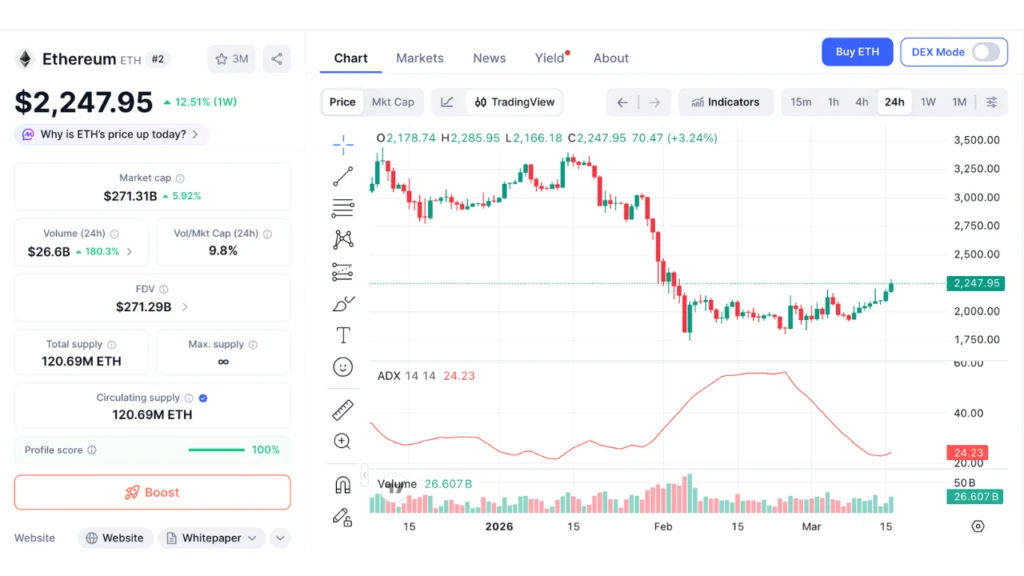
The Ethereum Foundation (EF) has executed a significant over-the-counter (OTC) transaction, offloading 5,000 ETH to BitMine Immersion Technologies for a total of $10.2 million, marking a strategic move that underscores the evolving institutional dynamics within the cryptocurrency ecosystem. This transaction, revealed in a Saturday post on X, saw the Ether sold at an average price of $2,042.96 per coin, with the generated capital earmarked to bolster the Foundation’s crucial operational and developmental initiatives. This deal represents the second instance where the Ethereum Foundation has directly transferred a portion of its treasury holdings to a publicly traded company specializing in Ethereum treasury management, highlighting a deliberate shift in its funding and market interaction strategy.
The Ethereum Foundation’s Core Mandate and Strategic Funding
The Ethereum Foundation is a pivotal non-profit organization entrusted with the formidable task of supporting and advancing the Ethereum protocol, the backbone of a vast decentralized ecosystem. Its comprehensive mandate spans critical areas, including funding independent research teams, providing grants to developers building innovative applications on the network, and driving key initiatives essential for Ethereum’s ongoing evolution. These responsibilities encompass fundamental protocol research and development (R&D), fostering ecosystem growth, and empowering community-led projects through grant funding. To effectively fulfill these extensive obligations, the Foundation requires a robust and sustainable funding mechanism, which often necessitates the strategic conversion of a portion of its substantial ETH holdings into operational capital.
Navigating the complexities of funding open-source, decentralized technology development presents unique challenges. Unlike traditional corporate entities with clear revenue streams, foundations in the crypto space must balance capital preservation with the need for liquidity to fuel innovation. In the early days of cryptocurrency, funding often came through less structured means, such as initial coin offerings (ICOs) or direct donations. However, as the ecosystem matured, the Ethereum Foundation has progressively refined its approach, culminating in a comprehensive treasury management framework introduced in June 2025. This framework is meticulously designed to ensure long-term financial stability and operational continuity, shielding the Foundation from the often-extreme volatility inherent in cryptocurrency markets.

A cornerstone of this refined strategy is the increasing reliance on OTC transactions with institutional buyers, rather than public market sales. Selling large blocks of cryptocurrency directly on open exchanges can introduce significant supply shocks, potentially leading to rapid price declines and increased market instability. OTC deals, conversely, allow for the private exchange of substantial amounts of crypto assets, effectively mitigating direct market selling pressure and preventing undesirable price fluctuations. The Foundation maintains its commitment to transparency throughout these processes, confirming that the ETH transfer originated from one of its secure Safe multisignature treasury wallets, a practice that allows for on-chain verification and reinforces trust within the community. This strategic and transparent approach to capital allocation is vital for sustaining the Foundation’s mission and safeguarding the broader Ethereum ecosystem.
BitMine Immersion Technologies: A New Era of Corporate ETH Treasuries
The buyer in this landmark transaction, BitMine Immersion Technologies, has rapidly solidified its position as one of the most significant institutional players within the burgeoning Ethereum ecosystem. The company, publicly traded on the NYSE American under the ticker BMNR, is chaired by Tom Lee, the highly respected co-founder of Fundstrat Global Advisors. Lee, a long-standing and notably bullish analyst of the cryptocurrency market, has played a pivotal role in shaping BitMine’s aggressive and sustained accumulation strategy, which commenced in mid-2025. This strategy draws clear parallels with the pioneering Bitcoin treasury approach famously adopted by MicroStrategy, signaling a similar conviction in Ethereum as a primary reserve asset.
BitMine’s strategic vision transcends mere speculation; it positions Ethereum not just as a volatile digital asset but as a foundational technology and a strategic reserve whose long-term value is poised for substantial appreciation. As of the previous week, BitMine’s holdings reached an astounding 4.5 million ETH. At recent market valuations, this colossal holding translates to approximately $9.4 billion, firmly establishing BitMine Immersion Technologies as the largest publicly traded company by Ethereum treasury size globally. This unwavering conviction is further evidenced by the company’s recent disclosure of adding more than 60,000 ETH in a single week, underscoring its steadfast belief in Ethereum’s future potential despite prevailing market volatility.
This relentless accumulation, even in the face of significant unrealized losses, highlights the profound long-term conviction held by BitMine’s leadership. Based on filings with the U.S. Securities and Exchange Commission (SEC) and estimations of its average purchase prices, BitMine is currently estimated to be sitting on a substantial paper loss of approximately $7.5 billion, a consequence of Ethereum’s significant decline from its August 2025 peak. However, this has not deterred the company. Tom Lee has consistently articulated an optimistic outlook, publicly stating his belief that "crypto prices are in the late or final stages of the mini crypto winter." This stance indicates that BitMine views the current market environment as a prime long-term accumulation opportunity, rather than a reason to reduce exposure, thereby solidifying its role as a dedicated institutional holder in the Ethereum landscape.

Ethereum’s Market Context: Recovery Amidst Persistent Uncertainty
The timing of this significant OTC transaction is framed by a period of gradual recovery for Ethereum, following a challenging and prolonged downturn across the broader cryptocurrency market. Ethereum (ETH) had ascended to an impressive peak of $4,946 in August 2025 but subsequently endured a severe correction, plummeting approximately 58% from its all-time high during the ensuing "crypto winter." This period of decline was influenced by a complex interplay of macroeconomic headwinds, including rising global interest rates, persistent inflation, geopolitical tensions, and increasing regulatory scrutiny across the digital asset landscape, particularly in major jurisdictions.
Recent market data offers a glimpse of modest resurgence, with Ethereum trading around $2,244 at the time of the transaction. This reflects a steady, albeit cautious, recovery from the lows experienced earlier in the year. Over the past week, ETH recorded a climb of approximately 5%, with a more substantial 9% gain over the last month, according to data from CoinGecko. While these figures indicate a positive short-term trend, the overall sentiment among some traders remains guarded. Data from prediction market platforms like Myriad, for instance, indicated a 63% probability that Ethereum could still fall to $1,500 before reaching the $3,000 mark. This lingering uncertainty underscores the fragile nature of the market recovery and the ongoing tug-of-war between bullish accumulation narratives and bearish concerns regarding potential further corrections or prolonged periods of consolidation.
The prevailing market conditions provide a crucial backdrop for understanding the strategic implications of the EF-BitMine deal. For BitMine, acquiring ETH during a period of recovery, albeit still significantly below all-time highs, aligns with a value investing approach, seeking to capitalize on what it perceives as undervalued assets with robust long-term fundamentals. For the Ethereum Foundation, executing the sale into a recovering, yet still cautious, market ensures that its operational capital is secured at a more favorable rate than during the deepest troughs of the downturn, while crucially avoiding any downward pressure on the asset’s price.
Chronology of Institutional Engagement: A Maturing Funding Model

The latest transaction with BitMine Immersion Technologies is not an isolated event but rather a deliberate and evolving strategy by the Ethereum Foundation to diversify its funding mechanisms and strategically engage with institutional capital. This marks the second significant direct OTC sale to a corporate treasury buyer. The inaugural recorded instance occurred in July 2025, when the Foundation completed an even larger OTC sale of 10,000 ETH to SharpLink Gaming, valued at approximately $25.7 million at the time.
SharpLink Gaming, similar to BitMine, has emerged as a substantial corporate holder of Ethereum, currently maintaining roughly $1.75 billion worth of ETH on its balance sheet, positioning it as the second-largest corporate holder after BitMine. These successive and sizable deals illustrate a broader, accelerating trend within the cryptocurrency ecosystem: the rise of dedicated corporate Ethereum treasuries. This trajectory mirrors the institutional adoption observed in the Bitcoin market during previous cycles, where numerous public companies, most notably MicroStrategy under the stewardship of Michael Saylor, began accumulating Bitcoin as a strategic reserve asset to hedge against inflation and capitalize on long-term value appreciation. Ethereum is now increasingly being recognized and treated as a long-term institutional treasury asset, signaling a profound shift in its perceived utility and stability among sophisticated investors and corporate entities.
This chronology underscores a maturing funding model for the Ethereum Foundation. By moving beyond a sole reliance on smaller, ad-hoc funding rounds or direct market sales, the Foundation is actively cultivating strategic relationships with large institutional players. This approach not only secures necessary capital for ongoing development and innovation but also fosters a more robust, interconnected, and professionally managed institutional ecosystem around Ethereum, where corporate entities are deeply invested in the network’s long-term success and stability.
Analysis of Bullish Implications for Ethereum’s Long-Term Market Structure
While news of a foundation selling its native token might conventionally trigger concerns among investors about potential downward price pressure, market observers and analysts largely view the specific structure and context of this deal, particularly when combined with BitMine’s aggressive accumulation strategy, as a decidedly bullish signal for Ethereum’s long-term market structure. Several key factors contribute to this optimistic outlook:

-
Absence of Direct Market Sell Pressure: The most immediate and significant benefit of an OTC transaction is the complete avoidance of direct market selling pressure. When large blocks of cryptocurrency are sold through public exchanges, even if executed carefully, they can introduce significant supply shocks to order books, potentially leading to cascading sell-offs and increased price volatility. By executing the transaction privately, the 5,000 ETH never entered exchange order books, thereby neutralizing any immediate downward impact on Ethereum’s price. This controlled method is crucial for maintaining market stability, especially for an asset as widely held and actively traded as ETH.
-
Transfer to Long-Term Institutional Holders: The strategic importance of the buyer, BitMine Immersion Technologies, cannot be overstated. As a publicly traded company with an explicit long-term accumulation strategy akin to MicroStrategy’s Bitcoin playbook, BitMine is not acquiring ETH for short-term speculative gains or immediate liquidation. Instead, these 5,000 ETH are expected to be held in corporate reserves, effectively removing them from the liquid circulating supply. This transfer of supply from a core development organization to a dedicated institutional holder with a long-term conviction represents a fundamental shift in market dynamics. It implies that these tokens are moving into "strong hands" that are less likely to sell during market downturns, thereby contributing to greater price stability and reduced volatility over time.
-
Direct Funding of Ethereum’s Core Development: The proceeds from this sale are directly channeled into the Ethereum Foundation’s critical activities, including protocol upgrades, developer grants, and cutting-edge research initiatives. Continuous funding is paramount for the ongoing evolution and improvement of the Ethereum network. These investments ensure that Ethereum remains at the forefront of blockchain innovation, capable of addressing scalability challenges (such as through sharding and Layer 2 solutions), enhancing security, improving transaction finality, and fostering a vibrant developer ecosystem for the next generation of decentralized applications. This continuous development is a fundamental driver of Ethereum’s long-term value proposition and its competitive edge in the blockchain landscape.
-
Signal of Growing Institutional Demand and Confidence: The willingness of publicly traded companies, led by prominent figures like Tom Lee, to not only accumulate but aggressively expand their large ETH positions serves as a powerful signal to the broader financial market. It indicates increasing institutional confidence in Ethereum’s long-term viability, its foundational role in the burgeoning digital economy, and its potential as both a store of value and a platform for enterprise-grade applications. This growing demand from sophisticated institutional players validates Ethereum’s position as a legitimate and enduring asset class, potentially attracting further mainstream investment and broader adoption. The participation of such entities also brings a level of professionalism, due diligence, and often, regulatory compliance that can help de-risk the asset for other traditional investors contemplating entry into the crypto space.
A Maturing Ethereum Ecosystem: Towards Greater Stability and Widespread Adoption

The latest OTC sale, coupled with the Ethereum Foundation’s refined treasury management policies and BitMine’s expansive accumulation strategy, collectively paints a compelling picture of a maturing Ethereum economic ecosystem. The observable shift in ETH supply dynamics is becoming increasingly evident: rather than circulating predominantly among retail traders and decentralized finance (DeFi) users, a growing proportion of ETH is now being absorbed by institutional treasuries, corporate balance sheets, and robust staking infrastructure. This trend signifies a significant move beyond the nascent, often speculative, phase of cryptocurrency adoption towards a more stable, institutionalized market.
The Ethereum Foundation’s implementation of structured treasury management policies is a critical component of this maturation. By strategically converting a portion of its holdings into operational capital through private, market-friendly transactions, the Foundation ensures that the network’s development remains financially sustainable, even through prolonged market downturns. This proactive approach minimizes the risk of forced liquidation during unfavorable market conditions, thereby protecting the value of the remaining treasury and the integrity of the network’s funding. This long-term planning provides stability essential for an open-source project of Ethereum’s scale.
Together, these trends suggest that Ethereum is steadily entering a more mature phase of adoption, where long-term institutional capital is poised to play an increasingly significant role in shaping market dynamics. Analysts widely concur that if this current trajectory continues, the sustained migration of ETH supply into long-term corporate treasuries and staking mechanisms could lead to a tightening of market liquidity over time. This reduction in available circulating supply, coupled with sustained or increasing demand from both retail and institutional investors, could lay stronger foundations for the asset’s next major price cycle, potentially ushering in a new era of growth characterized by greater stability, widespread utility, and deeper integration into the global financial landscape. The EF-BitMine transaction is more than just a routine sale; it is a clear indicator of Ethereum’s ongoing journey towards becoming a bedrock asset in the global financial infrastructure.