admin
admin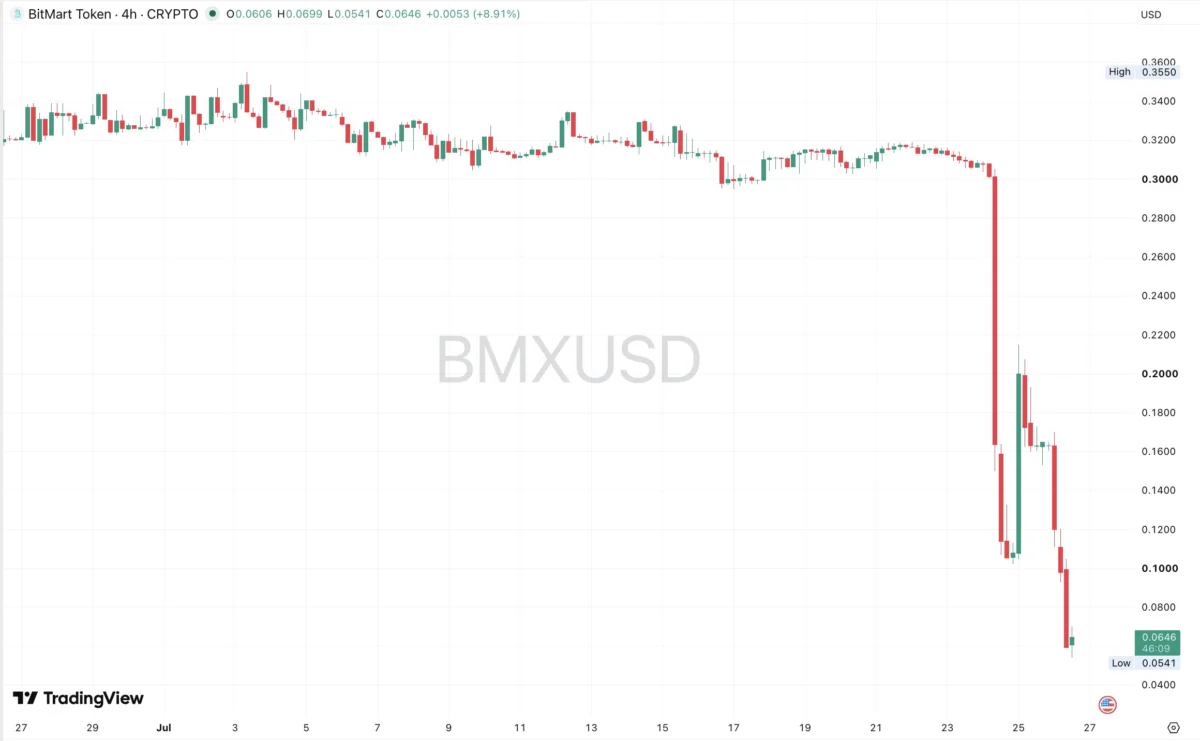
The decision, made public on July 26, 2026, marks a significant moment for the cryptocurrency market, as BitMart, which once boasted a vast array of supported assets and a considerable global footprint, embarks on a phased exit from operations. This strategic move, termed an "orderly wind-down" by the exchange, aims to facilitate a smooth transition for its user base, allowing ample time for asset withdrawals and position management, rather than an abrupt cessation of services. The initial phase of this wind-down commenced immediately upon the announcement, with new user registrations and deposits being suspended. Subsequently, the platform is slated to halt all spot, futures, and other advanced trading services by August 26, 2026. Users have been strongly advised to proactively review their account balances, manage open positions, and prepare for the timely withdrawal of their digital assets well in advance of the stipulated deadlines.
The Unfolding Timeline: A Phased Exit from Operations
BitMart’s orderly wind-down strategy is structured around a series of critical milestones, designed to manage the complex process of decommissioning a major trading platform and its extensive user base. This phased approach, spanning several months, underscores the exchange’s stated commitment to minimizing disruption and ensuring asset safety for its users.
The immediate actions taken on July 26, 2026, the day of the announcement, included the suspension of all new user registrations. Concurrently, the platform ceased accepting any new deposits, effectively closing off ingress points for new capital onto the exchange. This initial step was crucial in preventing an influx of funds that would then need to be processed for withdrawal during the wind-down period, thereby streamlining the overall exit process.
The most critical deadline for active traders is August 26, 2026, by which point all spot, futures, and other trading services will be completely halted. This date serves as a hard stop for all market activities on the platform, requiring users to close any open positions across various products, including margin trading, copy trading, and perpetual futures. The exchange has emphasized that failure to close positions before this deadline could result in forced liquidation or automatic settlement, the terms of which will be dictated by BitMart’s internal policies for the wind-down period.
Following the cessation of trading, the platform will enter a dedicated withdrawal-only phase, extending into early 2027. During this period, the primary function of the BitMart platform will be to allow users to withdraw their remaining assets. While the specific end date for this final withdrawal phase has not been precisely defined in the initial announcement, the implication is that users will have a finite window to retrieve their funds. BitMart has pledged to release further guidelines and a more detailed timeline for these later stages, particularly concerning complex products such as Earn, staking, and lending services, which may require specific procedures for asset redemption or settlement. This extended timeline is intended to provide a reasonable buffer for users who may require additional time or encounter issues during the withdrawal process, although proactive action remains strongly encouraged.
BitMart’s Rationale: Strategic Reassessment Amidst Market Headwinds
In its official communication, BitMart attributed its decision to commence an orderly wind-down to a comprehensive "careful evaluation of the Company’s operating conditions, market environment, and future strategic direction." While the announcement conspicuously avoided specifying any particular liquidity crisis or security breach as the direct catalyst for the shutdown, industry observers and market analysts have quickly moved to infer broader systemic pressures within the cryptocurrency landscape that might have influenced such a strategic pivot.
The stated reasons point towards a challenging operational climate for many cryptocurrency exchanges. The "market environment" refers not only to the general volatility and cyclical nature of digital asset prices but also to the prolonged period of reduced trading volumes and user engagement that characterized much of the post-2021 bull market correction. A sustained "crypto winter" can significantly erode the profitability of exchanges, which primarily rely on trading fees. Reduced activity translates directly into lower revenue, making it difficult for platforms, especially those with extensive global operations and diverse product offerings, to maintain financial viability.
Furthermore, the "future strategic direction" likely encompasses the increasing global regulatory scrutiny faced by centralized cryptocurrency exchanges. Jurisdictions worldwide have been tightening regulations around anti-money laundering (AML), know-your-customer (KYC) compliance, licensing requirements, and consumer protection. Operating across over 120 countries, as BitMart previously reported, implies navigating a complex and often contradictory patchwork of regulations. The cost of compliance, coupled with potential legal liabilities and the risk of regulatory enforcement actions, can become an overwhelming burden for exchanges, especially if they perceive diminishing returns from their operations in certain markets. For a platform with a broad product portfolio, including futures, margin, and various earning services, the regulatory complexities are further magnified.
The decision to opt for an "orderly wind-down" rather than an abrupt cessation or a forced liquidation is crucial. This approach signifies a premeditated strategic choice, potentially aimed at preserving the company’s reputation and avoiding the chaotic fallout often associated with sudden exchange collapses. An orderly wind-down allows the company to manage its liabilities systematically, process user withdrawals in a structured manner, and potentially fulfill its obligations to stakeholders without resorting to desperate measures. It also helps to mitigate the risk of a "bank run" scenario, where users panic and attempt to withdraw all assets simultaneously, which can overwhelm even solvent exchanges. By providing a clear timeline and instructions, BitMart aims to manage expectations and facilitate a controlled exit, a stark contrast to the often-disastrous outcomes witnessed with other less fortunate crypto platforms in recent years.
A History of Challenges: BitMart’s Journey and Prior Incidents
BitMart, established in 2018, quickly grew to become a recognizable name in the global cryptocurrency exchange landscape. It carved out a niche by offering a vast selection of digital assets and advanced trading features, catering to both novice and experienced traders worldwide. Its operational scale was considerable, supporting over 1,900 spot assets and launching hundreds of new perpetual futures pairs in the first half of 2026 alone. This broad product portfolio and international reach, spanning over 120 countries for on/off-ramp services, demonstrated an ambitious expansion strategy.
However, BitMart’s journey has not been without significant challenges, most notably a major security breach in December 2021. In what was then one of the largest cryptocurrency exchange hacks, BitMart suffered a loss of approximately $196 million across various cryptocurrencies, including Ethereum and Binance Smart Chain tokens. The incident severely impacted user trust and raised critical questions about the exchange’s security infrastructure and asset protection protocols. While BitMart worked to compensate affected users and bolster its security measures, such an event undoubtedly left a lasting imprint on its financial health, operational costs, and reputation. The prolonged recovery from such a substantial loss, coupled with the ongoing need to invest heavily in security upgrades and risk management, likely consumed significant resources that might otherwise have been allocated to growth or maintaining profitability.
Although the current wind-down announcement did not explicitly link this historical hack to the present decision, it is reasonable for market observers to consider it as a contributing factor to the company’s "operational status" challenges. The cumulative effect of rebuilding trust, managing increased security expenditures, and navigating a competitive and volatile market environment could have placed sustained pressure on the exchange’s long-term viability. This background context underscores that BitMart’s decision, while framed as a strategic reassessment, might also be a culmination of years of operational hurdles and the complex interplay of internal and external market dynamics.
Navigating the Exit: Essential Directives for BitMart Users
The orderly wind-down process places a significant onus on BitMart’s user base to actively manage their accounts and ensure the safe retrieval of their digital assets. The exchange has issued clear, albeit demanding, directives that users must adhere to within the specified timelines to avoid potential loss or prolonged complications.
Foremost, BitMart requires all users with remaining assets or open positions to meticulously verify their account balances across all product categories. This includes not only their primary spot wallets but also funds held in futures, margin, copy trading, Earn, staking, and lending accounts. Users must then proceed to cancel any unexecuted orders – whether limit orders for spot trades or pending margin calls – to free up their capital. For products involving active positions, such as futures, margin, and copy trading, users are mandated to close these positions before the August 26 deadline. BitMart has indicated that separate, detailed guidelines will be provided for the settlement or withdrawal procedures pertaining to complex products like Earn, staking, and lending, which often involve lock-up periods or specific redemption mechanisms.

The most critical action for users is to withdraw their assets. BitMart has strongly advised users to complete identity verification (KYC), update their account security settings, and initiate asset withdrawals as soon as possible, ideally before 05:00 UTC on August 26. This deadline is presented as a strong recommendation, implying that while withdrawals may technically be possible beyond this date, the process could become more challenging, protracted, or subject to additional scrutiny during the final phases of the wind-down.
To safeguard against fraud and ensure compliance, certain withdrawal requests may be subject to additional review steps. These checks could include verifying the user’s identity, the source of funds, the receiving wallet address, or their transaction history on the platform. Such enhanced security measures, while potentially causing minor delays, are standard practice during exchange wind-downs to prevent illicit activity and ensure assets are returned to their rightful owners.
Crucially, BitMart has issued a stringent warning against phishing attempts and fake accounts, which are notoriously prevalent during periods of heightened uncertainty surrounding an exchange. Users are explicitly cautioned that BitMart will never ask for fees to process withdrawals, nor will it request private keys, seed phrases, or verification codes through personal communication channels like email, social media, or direct messages. All account actions, including asset withdrawals, must strictly be performed through BitMart’s official website or application. Vigilance against scams is paramount, as malicious actors often exploit such situations to trick users into divulging sensitive information or transferring funds to fraudulent addresses.
The Immediate Market Repercussions: BMX Token Plunge and Liquidity Exodus
The announcement of BitMart’s wind-down sent immediate and severe shockwaves through the market, particularly impacting its native exchange token, BMX. Within hours of the news breaking, the BMX token experienced a dramatic and precipitous decline, highlighting the acute sensitivity of exchange-tied assets to operational stability and future viability.
According to data from CoinGecko, BMX was trading around $0.065 at the time of the announcement, reflecting a staggering 59.3% drop in its value within a mere 24-hour period. This sharp depreciation wiped out a significant portion of its market capitalization, which dwindled to approximately $22.4 million. Other reports, including one from Cointelegraph, indicated that the token’s price plunged by nearly 70% at one point during the initial market reaction, underscoring the extreme panic selling that ensued.
The rapid collapse of BMX is a predictable, yet stark, consequence of an exchange shutdown. Native tokens like BMX derive their value primarily from their utility within the exchange’s ecosystem – offering trading fee discounts, participating in launchpads, staking rewards, and other platform-specific benefits. With the imminent closure of BitMart, the fundamental utility and future prospects of BMX evaporated overnight. This triggered a massive sell-off as token holders, facing a complete loss of their investment if they held onto the now-defunct asset, scrambled to liquidate their holdings, irrespective of price. This forced selling, coupled with a lack of buying interest, created a classic death spiral for the token.
Beyond the BMX token, the wind-down announcement placed immense pressure on BitMart’s overall capacity to handle a mass exodus of liquidity. The exchange’s prior claims of supporting over 1,900 spot assets and offering extensive trading pairs meant that a vast array of digital assets were held on its platform. Users holding these assets across various products were compelled to close positions and initiate withdrawals, leading to a significant outflow of funds from BitMart to other exchanges or self-custody solutions. This liquidity flight presented a substantial operational challenge for BitMart, requiring robust systems to process a high volume of transactions efficiently and securely within a compressed timeframe. Reports of USDT withdrawals taking longer than usual, even if anecdotal, highlighted the potential for operational bottlenecks during such a critical period, further eroding user confidence and intensifying withdrawal efforts. The swift and decisive market reaction to BMX serves as a potent reminder of the inherent risks associated with investing in exchange-specific tokens and the broader fragility of centralized platforms in the face of operational changes or strategic shifts.
Broader Industry Implications: Trust, Regulation, and Consolidation
BitMart’s decision to wind down operations, even if characterized as orderly, carries significant implications for the broader cryptocurrency industry, touching upon crucial themes of user trust, regulatory oversight, and market consolidation.
The closure of an exchange, especially one with BitMart’s reported scale and international reach, inevitably erodes general user trust in centralized cryptocurrency platforms. Each such event, regardless of its underlying cause, reinforces skepticism about the long-term stability and solvency of these entities. While BitMart has emphasized an orderly exit, the mere fact that a seemingly robust exchange is ceasing operations can foster anxiety among users, prompting them to question the security of their assets on other platforms. This phenomenon can lead to a shift in user behavior, encouraging greater adoption of self-custody solutions, increased demand for transparency from exchanges (such as Proof-of-Reserves audits), and a preference for larger, more established platforms perceived as "too big to fail" or subject to stricter regulatory frameworks.
From a regulatory perspective, BitMart’s wind-down is likely to intensify global scrutiny on the operational stability, capital adequacy, and exit strategies of cryptocurrency exchanges. Regulators worldwide are already grappling with how to effectively oversee a rapidly evolving and often borderless industry. An event like this provides further impetus for policymakers to demand clearer guidelines for exchange solvency, user asset segregation, and contingency plans for platform failures. It highlights the need for regulatory frameworks that protect consumers not only from hacks and fraud but also from the risks associated with business closures, even those conducted in an "orderly" fashion. This could lead to stricter licensing requirements, mandatory financial disclosures, and enhanced oversight of operational risks for all crypto exchanges.
Furthermore, BitMart’s exit contributes to the ongoing trend of market consolidation within the cryptocurrency space. The current market environment, characterized by reduced trading volumes, increased competition, and escalating compliance costs, disproportionately affects smaller to mid-sized exchanges. These platforms often struggle to compete with the vast resources, extensive marketing budgets, and robust regulatory compliance departments of industry giants. BitMart’s departure suggests that the competitive landscape is becoming increasingly challenging, potentially leading to further consolidation as weaker or less adaptable players either cease operations or are acquired by larger entities. This could result in a more concentrated market, dominated by a few major exchanges, which while potentially offering greater stability, might also raise concerns about market power and reduced choice for users. The event serves as a stark reminder that the crypto industry, despite its decentralized ethos, is still subject to traditional economic pressures and competitive forces that drive market evolution.
Beyond Trading: Unresolved Services and Future Guidelines
As BitMart embarks on its wind-down, the immediate focus remains on core trading cessation and asset withdrawals. However, the exchange’s extensive product portfolio includes several services that extend beyond simple spot or futures trading, necessitating further clarity and specific guidelines for their resolution. These include Earn, staking, lending, and Launchpad services, which often involve unique contractual agreements, lock-up periods, and yield-generating mechanisms.
BitMart has committed to releasing subsequent updates that will provide comprehensive guidelines for these specialized products. For Earn and staking services, users will need to understand how accumulated rewards will be distributed and how their principal assets can be redeemed. Lending products will require clear instructions on loan closures, collateral returns, and interest settlements. The Launchpad platform, which facilitates new token offerings, will need to address the status of any ongoing or recently concluded token sales, including how unallocated tokens or funds will be handled. The complexity of these products means that their orderly wind-down will require bespoke procedures to ensure fair and transparent settlement for all participants.
This comprehensive shutdown plan follows a series of operational adjustments BitMart had made in the preceding days and weeks, indicating a gradual, strategic downsizing that culminated in this full wind-down announcement. Prior to July 26, BitMart had already announced the suspension of its Spot Margin and AMM Bot services, both of which are advanced trading tools. Concurrently, it had also adjusted services specifically for its U.S. user base, often a precursor to broader regulatory or operational shifts. This sequence of moves strongly suggests that the July 26 decision was not an isolated event but rather the logical next step in a premeditated strategy to scale down operations, likely in response to the aforementioned challenges in the market environment and the company’s own operational status. The pre-emptive trimming of services points towards a carefully planned strategic exit rather than a sudden, forced closure, reinforcing the "orderly wind-down" narrative.
In conclusion, BitMart’s decision to gradually shut down its trading platform represents a significant development in the cryptocurrency industry, underscoring the formidable pressures faced by exchanges in a rapidly evolving market characterized by intense competition, stringent regulatory demands, and fluctuating profitability. While framed as an orderly exit, the event has had immediate and tangible impacts, particularly on its native BMX token and user confidence. The coming months will be crucial for BitMart to execute its wind-down plan meticulously, ensuring that users can retrieve their assets safely and efficiently. For the broader crypto ecosystem, this closure serves as a potent reminder of the ongoing need for vigilance, robust regulatory oversight, and the continuous evolution of platforms to meet the challenges of an ever-changing digital asset landscape.