admin
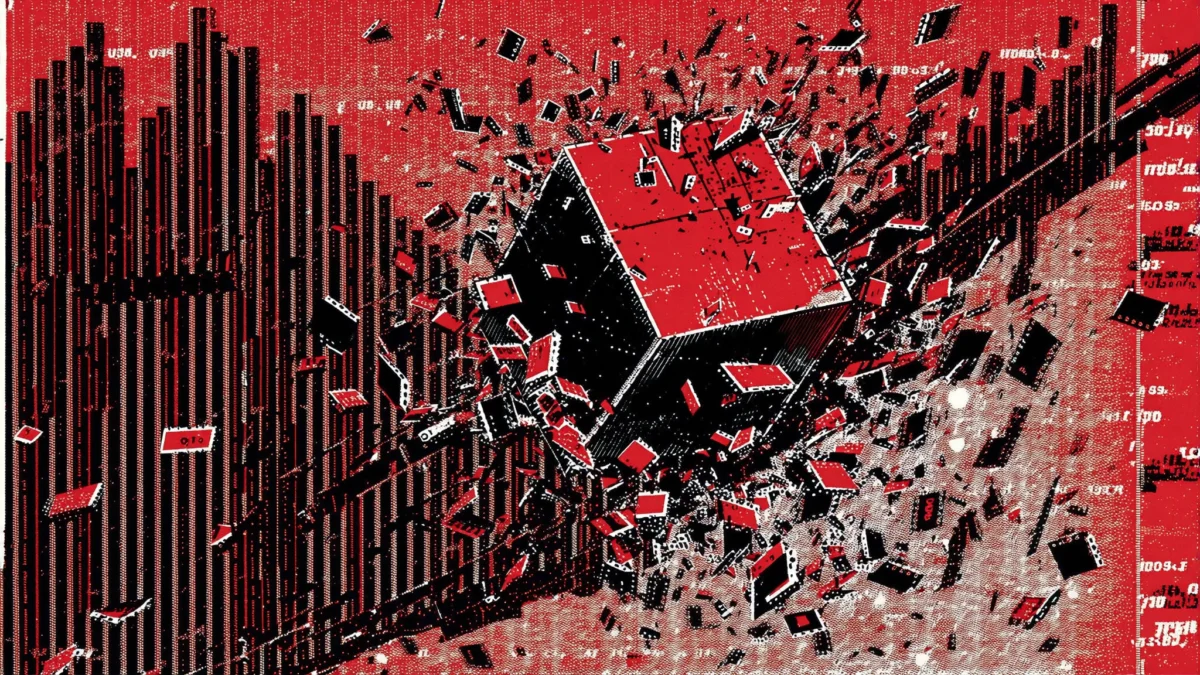
The decentralized finance (DeFi) ecosystem is once again grappling with the fallout from a significant security breach, as 1inch, a prominent decentralized exchange (DEX) aggregator, confirmed that its native token, 1INCH, was among the assets reportedly stolen from the cryptocurrency exchange Binance. The incident underscores a persistent challenge within the interconnected digital asset landscape: while platforms can block an attacker’s access to their applications, the underlying tokens themselves, particularly those residing on decentralized networks, remain inherently difficult to freeze once in motion. This revelation has ignited fresh discussions about the security vulnerabilities inherent in cross-platform asset management and the evolving nature of digital asset security.
The Breach and the 1inch Connection
The initial reports of a security incident at Binance emerged, prompting a swift investigation by the global cryptocurrency exchange. While the full scope and methodology of the attack are still under scrutiny, the implication for 1inch has been significant. The DeFi protocol, which aggregates liquidity from various decentralized exchanges to offer users optimal trading prices, acknowledged that its token was involved in the illicit transfer.
"We have been made aware of a security incident that has impacted certain assets on Binance," a spokesperson for 1inch stated. "Our internal analysis indicates that some 1INCH tokens were part of the assets that were moved. It is crucial to understand that while Binance has taken measures to secure their platform and block the attacker’s access to their services, the nature of blockchain technology means that once tokens are transferred off a centralized exchange and onto a decentralized network, directly freezing them becomes a complex, if not impossible, task for any single entity."
This distinction is critical. Centralized exchanges like Binance operate as custodians of user assets, maintaining private keys and offering a degree of control over funds held on their platform. When a breach occurs on such a platform, the exchange can, in principle, attempt to halt further movement of stolen funds by freezing associated accounts or wallets within their ecosystem. However, the DeFi space, by its very design, emphasizes decentralization and user control. Tokens on blockchains like Ethereum, where 1INCH primarily operates, are governed by smart contracts and immutable ledgers. Once an attacker gains control of the private keys associated with a wallet holding these tokens, they can move them freely across any compatible decentralized application or exchange, irrespective of the originating platform’s security measures.
Background: The Interconnected World of DeFi and Centralized Exchanges
The incident highlights the increasingly intertwined nature of centralized exchanges and decentralized finance protocols. Binance, as one of the world’s largest cryptocurrency exchanges, serves as a major on-ramp and off-ramp for many users engaging with the DeFi ecosystem. Traders often deposit fiat currency onto Binance, convert it to various cryptocurrencies, and then transfer these assets to decentralized exchanges or other DeFi applications. Similarly, profits or assets generated in DeFi are frequently moved back to centralized exchanges for conversion to fiat or for easier management.
This interoperability, while fostering convenience and accessibility, also creates potential attack vectors. A security lapse on a centralized exchange can inadvertently expose assets that are then moved into the decentralized realm, where traditional security mechanisms are less effective.
The 1INCH token itself plays a vital role within the 1inch ecosystem. It is used for governance, allowing token holders to vote on proposals that shape the future development and policies of the platform. It also serves as a utility token, offering holders benefits such as reduced trading fees. The value and utility of the 1INCH token mean that any illicit acquisition is a direct threat to the integrity of the 1inch protocol and its community.
Timeline of Events (Inferred)
While a precise, publicly released timeline from both Binance and 1inch is not yet available, a general chronology of such an incident can be inferred:
- Initial Breach: An unauthorized party gains access to specific systems or wallets within Binance. This could occur through various means, including phishing attacks, exploitation of software vulnerabilities, or compromised credentials.
- Asset Transfer: The attacker illicitly transfers a portion of the compromised assets, including 1INCH tokens, out of Binance-controlled wallets.
- Detection by Binance: Binance’s internal security monitoring systems detect unusual activity and the unauthorized movement of funds.
- Public Announcement (Binance): Binance, upon confirming a security incident, typically makes a public statement to inform its users and the wider community, often initiating investigations.
- Detection by 1inch: 1inch’s own monitoring of blockchain activity and potentially alerts from Binance or the community lead them to identify their token among the stolen assets.
- Public Announcement (1inch): 1inch releases a statement to clarify their token’s involvement and to explain the technical limitations of freezing assets on decentralized networks.
- Ongoing Investigation: Both entities, along with potentially law enforcement agencies, commence investigations to identify the perpetrator, trace the stolen funds, and implement enhanced security measures.
Supporting Data and Industry Context
This incident is not an isolated event in the cryptocurrency world. The history of digital asset exchanges and DeFi protocols is punctuated by numerous security breaches, underscoring the evolving nature of cyber threats in this rapidly growing industry.
For instance, in early 2023, reports indicated that significant amounts of cryptocurrency were stolen from various platforms. While specific figures vary and are often subject to ongoing investigations, the total value of stolen digital assets across the industry can reach hundreds of millions, and sometimes billions, of dollars annually.
The 1INCH token, like many other ERC-20 tokens on the Ethereum blockchain, operates on a public, immutable ledger. This transparency allows for real-time tracking of all transactions. For example, blockchain explorers can be used to trace the movement of the stolen 1INCH tokens from the attacker’s wallet to subsequent destinations. This data, while publicly accessible, is often difficult to leverage for direct asset recovery once the funds are mixed with other legitimate transactions or moved through privacy-enhancing protocols.
The DeFi space, in particular, has been a target for sophisticated attackers. Smart contract vulnerabilities, flash loan attacks, and exploits of protocol logic have resulted in substantial losses. However, this particular incident appears to have originated from a breach of a centralized entity, highlighting that even the most robust decentralized protocols can be indirectly affected by the security posture of the centralized infrastructure they interact with.
Official Responses and Industry Reactions (Inferred)
Binance, as the exchange that experienced the initial breach, would have been under immense pressure to respond swiftly. Their typical protocol involves:
- Securing the platform: Isolating compromised systems and preventing further unauthorized access.
- Investigating the breach: Working with internal security teams and potentially external cybersecurity firms to understand the attack vector and the extent of the loss.
- Notifying affected users: Communicating with customers whose assets may have been impacted.
- Cooperating with authorities: Engaging with law enforcement agencies to pursue the perpetrators and recover stolen funds.
- Potentially reimbursing users: Depending on the nature of the breach and their insurance policies, exchanges may compensate affected users.
1inch’s response, as demonstrated, focuses on clarifying the technical realities of decentralized asset management. Their statement aims to educate users and stakeholders about the inherent challenges:
- Transparency: Acknowledging the involvement of their token to maintain trust.
- Technical explanation: Educating the community on why direct freezing is not feasible on decentralized networks.
- Focus on prevention: Implicitly, this prompts a review of security measures at the interface between centralized and decentralized platforms.
The broader cryptocurrency community and industry analysts would likely be scrutinizing the event for lessons learned. This includes:
- Exchanges: Re-evaluating their security protocols, particularly for hot wallets and internal systems.
- DeFi protocols: Exploring more advanced methods for identifying and potentially flagging suspicious token movements, even if direct freezing isn’t possible.
- Users: Emphasizing the importance of diversified security practices, including the use of hardware wallets for significant holdings and exercising caution when interacting with various platforms.
Broader Impact and Implications
The incident involving 1inch and Binance carries several significant implications for the digital asset landscape:
- Reinforcement of Decentralization Challenges: It serves as a stark reminder that while decentralization offers advantages like censorship resistance and user autonomy, it also presents unique security hurdles. The "unfreezeable" nature of tokens once they are on-chain means that the primary responsibility for preventing theft often falls on the user or the security of the point of entry/exit.
- Interdependence of Centralized and Decentralized Systems: The event underscores the critical interdependence between centralized exchanges and DeFi. A vulnerability in one can ripple through the other, demanding a holistic approach to security across the entire digital asset ecosystem.
- The Evolving Arms Race in Cybersecurity: As DeFi grows and attracts more capital, it will inevitably become a more attractive target for sophisticated attackers. This necessitates continuous innovation in cybersecurity strategies, from on-chain analytics to more robust smart contract auditing.
- Regulatory Scrutiny: Significant breaches of this nature often attract increased attention from regulators. The challenge for regulators will be to strike a balance between fostering innovation and ensuring adequate consumer protection and market integrity without stifling the growth of decentralized technologies.
- User Education: This incident highlights the ongoing need for robust user education regarding digital asset security. Users must understand the risks associated with different platforms and asset management strategies.
The 1inch confirmation of its token being among the stolen assets from Binance is more than just a report of a financial loss. It is a signal flare, illuminating the complex interplay of security, technology, and user behavior in the burgeoning digital asset economy. As the industry matures, the ability to effectively secure assets across both centralized and decentralized environments will be a defining factor in its long-term success and trustworthiness. The path forward will likely involve a multi-faceted approach, combining enhanced technical safeguards, collaborative efforts between platforms, and a heightened awareness among users about the ever-present risks in the digital frontier.