admin
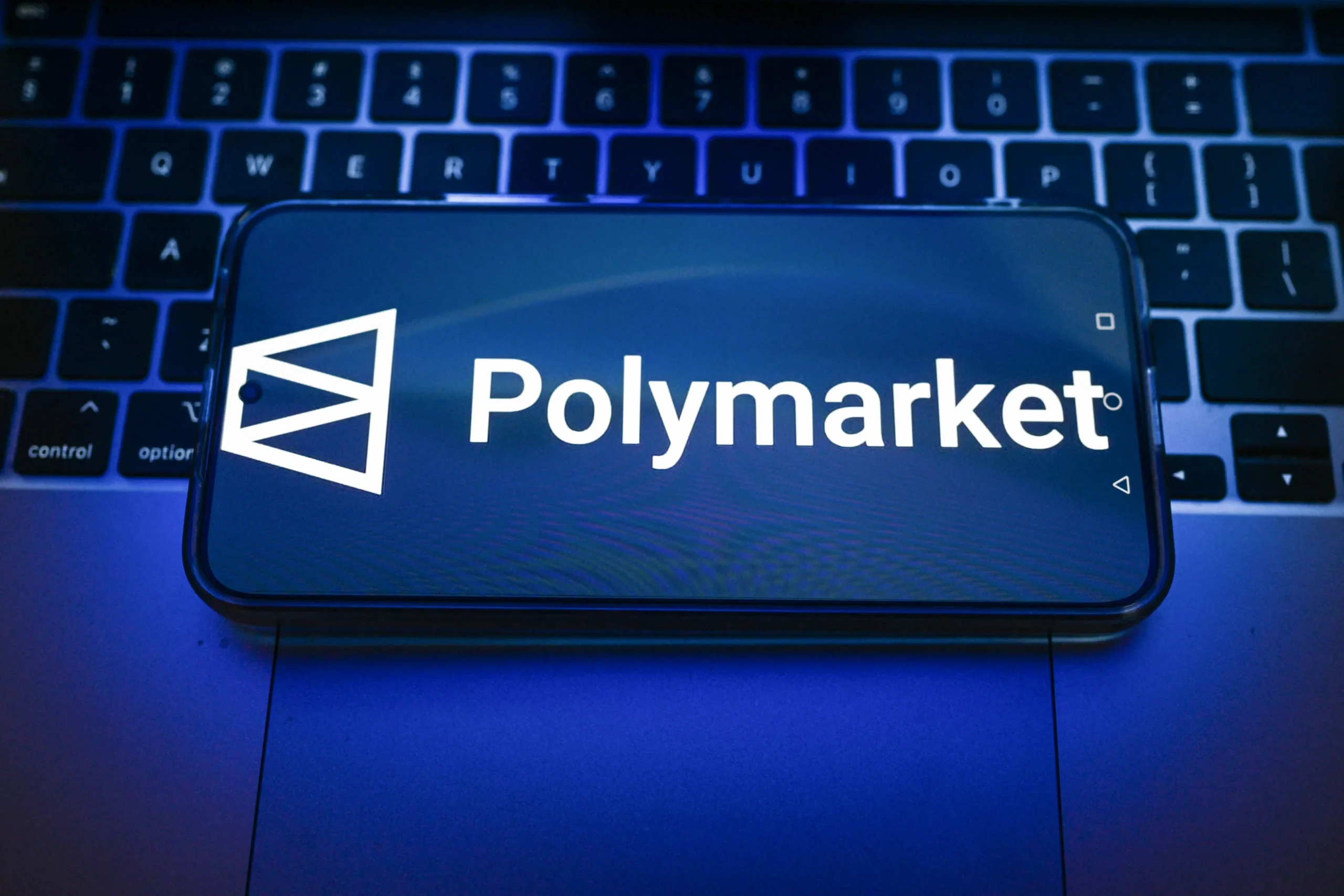
A detailed investigation into the marketing practices of Polymarket, the world’s largest decentralized prediction market, has uncovered evidence of a coordinated campaign involving deceptive social media content and undisclosed paid partnerships. According to a report published by The Wall Street Journal, the platform allegedly incentivized online creators to produce and disseminate videos featuring staged trading activities and fabricated financial gains. These videos, which often appeared to show users winning substantial sums of money on the platform, were reportedly filmed using simulated versions of the Polymarket interface rather than real-world accounts with actual capital at risk.
The investigation, which involved the analysis of over 1,100 promotional videos and internal instructional documents, suggests that Polymarket sought to cultivate an image of high-stakes profitability to attract new users. By leveraging a "social-media army" managed by a third-party marketing contractor, the company reportedly bypassed traditional advertising disclosures, leading to a surge in visibility across platforms like TikTok, Instagram, and X (formerly Twitter). The revelations come at a time when prediction markets are seeing record-breaking volume, driven largely by the 2024 United States presidential election cycle.
Mechanics of the Deceptive Content Strategy
The core of the controversy lies in the technical and instructional methods Polymarket allegedly provided to its network of influencers. According to the investigative findings, many creators were directed to use "near-perfect copies" of the Polymarket website. These "mirror sites" functioned as staging environments where creators could input arbitrary numbers to reflect massive trades and astronomical winnings that did not exist on the public blockchain or within the platform’s actual liquidity pools.
This practice allowed influencers to create high-energy, "viral-ready" content where they appeared to be making life-changing sums of money through "expert" predictions on everything from political outcomes to pop culture events. The instructional materials provided by Polymarket reportedly encouraged creators to focus on the "thrill" of the win and the ease of use of the platform. However, the WSJ report notes that these materials specifically instructed creators not to disclose their financial relationship with the company.
Under current Federal Trade Commission (FTC) guidelines in the United States, influencers are legally required to clearly and conspicuously disclose any material connection to a brand they are promoting. This includes paid sponsorships, gifted products, or any form of compensation. The investigation found that many Polymarket-affiliated creators only began adding "Polymarket partner" to their social media biographies after journalists started inquiring about the nature of their content.
The Role of Marketing Contractors and the Social Media Army
The scale of the campaign was bolstered by a marketing contractor tasked with amplifying creator content through bot networks and coordinated engagement strategies. This "social-media army" was designed to ensure that the staged videos reached the widest possible audience, often appearing in the "For You" feeds of young investors and crypto enthusiasts.
Razeen Khan, a college student and content creator who collaborated with Polymarket until March 2024, provided insight into the company’s perspective on these practices. Khan compared the staged videos to traditional fast-food commercials, which often use stylized or artificial ingredients to make products look more appealing than they appear in person. "We’re depicting what actually happens," Khan told investigators, suggesting that the staged videos were meant to be representative of the platform’s potential rather than literal accounts of individual success.
However, critics argue that the comparison to fast-food advertising is flawed. While a burger in a commercial might be styled with glue or paint, the product itself is a tangible commodity. In contrast, financial platforms and prediction markets deal in risk and probability; presenting fabricated winnings as real-time data can be viewed as financial misrepresentation, potentially leading users to underestimate the risks of loss.
Chronology and Regulatory Context
Polymarket’s aggressive marketing push follows a period of significant regulatory turbulence. In January 2022, the Commodity Futures Trading Commission (CFTC) fined Polymarket $1.4 million for offering illegal off-exchange event-based binary options. As part of a settlement, Polymarket agreed to wind down its services in the United States and offer its platform only to users in foreign jurisdictions.

Since that settlement, Polymarket has operated primarily as a Web3-based platform, utilizing the Polygon blockchain to facilitate trades in stablecoins like USDC. Despite its official exit from the U.S. market, the platform remains a centerpiece of American political discourse. In 2024, the platform’s "Presidential Election Winner" market became a primary source of data for political analysts and news outlets, with hundreds of millions of dollars in total volume.
The timeline of the alleged deceptive marketing campaign appears to coincide with the platform’s efforts to regain momentum and capture global market share following its 2022 regulatory setback. By late 2023, the platform began heavily investing in influencer marketing to bridge the gap between the complex world of decentralized finance (DeFi) and mainstream social media users.
Official Responses and Internal Audits
In response to the allegations, Polymarket has emphasized its commitment to market integrity. A spokesperson for the company stated that Polymarket is "committed to maintaining accurate, fair, and transparent markets." The company further announced that it plans to conduct a comprehensive internal audit of its promotional content and its relationships with third-party marketing firms to ensure compliance with ethical standards and regional regulations.
The marketing contractor involved in the campaign has not issued a formal public statement, and many of the influencers identified in the report have since deleted the videos in question or added retroactive disclosures. The fallout has sparked a broader conversation within the crypto industry regarding the ethics of "fin-fluencer" culture, where the line between entertainment and financial advice is frequently blurred.
Broader Implications for the Prediction Market Industry
The allegations against Polymarket arrive at a critical juncture for the prediction market industry. Proponents of these markets, including prominent figures like Vitalik Buterin, argue that they represent a "wisdom of the crowd" mechanism that can provide more accurate forecasts than traditional polling or expert analysis. By putting real money on the line, participants are incentivized to seek out the most accurate information.
However, the use of deceptive marketing tactics threatens to undermine this core value proposition. If the data and "success stories" surrounding a market are perceived as fabricated, the perceived credibility of the entire ecosystem suffers. This is particularly sensitive for prediction markets, which are often fighting against the stigma of being viewed as mere gambling platforms.
Furthermore, the investigation may trigger renewed interest from regulators. While Polymarket does not officially serve U.S. customers, the use of U.S.-based influencers to promote the platform to a global audience—some of whom may use VPNs to access the site from restricted regions—creates a complex legal grey area. The FTC and the SEC have recently stepped up enforcement actions against celebrities and influencers who promote crypto-related products without proper disclosure, as seen in high-profile cases involving Kim Kardashian and Lindsay Lohan.
Analysis of Market Integrity and Future Outlook
The use of "mirror sites" to simulate trading is a tactic that highlights the growing desperation for "viral" metrics in the highly competitive crypto-marketing space. For a platform like Polymarket, which relies on liquidity and user trust to function as a reliable forecasting tool, the revelation that its promotional materials were staged could lead to a cooling of investor sentiment.
The long-term impact on Polymarket will likely depend on the transparency of its upcoming audit and its ability to distance itself from the deceptive tactics of its marketing contractors. As prediction markets continue to evolve from niche crypto projects into mainstream financial tools, the demand for rigorous oversight and honest communication will only increase.
For now, the incident serves as a cautionary tale for the burgeoning "fin-fluencer" economy. It underscores the necessity for platforms to maintain strict oversight of their promotional pipelines, especially when those pipelines involve the depiction of financial gain. As the 2024 election approaches and the stakes for prediction markets reach an all-time high, the industry faces a pivotal moment: it must choose between the short-term gains of aggressive, deceptive growth and the long-term stability of a transparent, trust-based marketplace.