admin
admin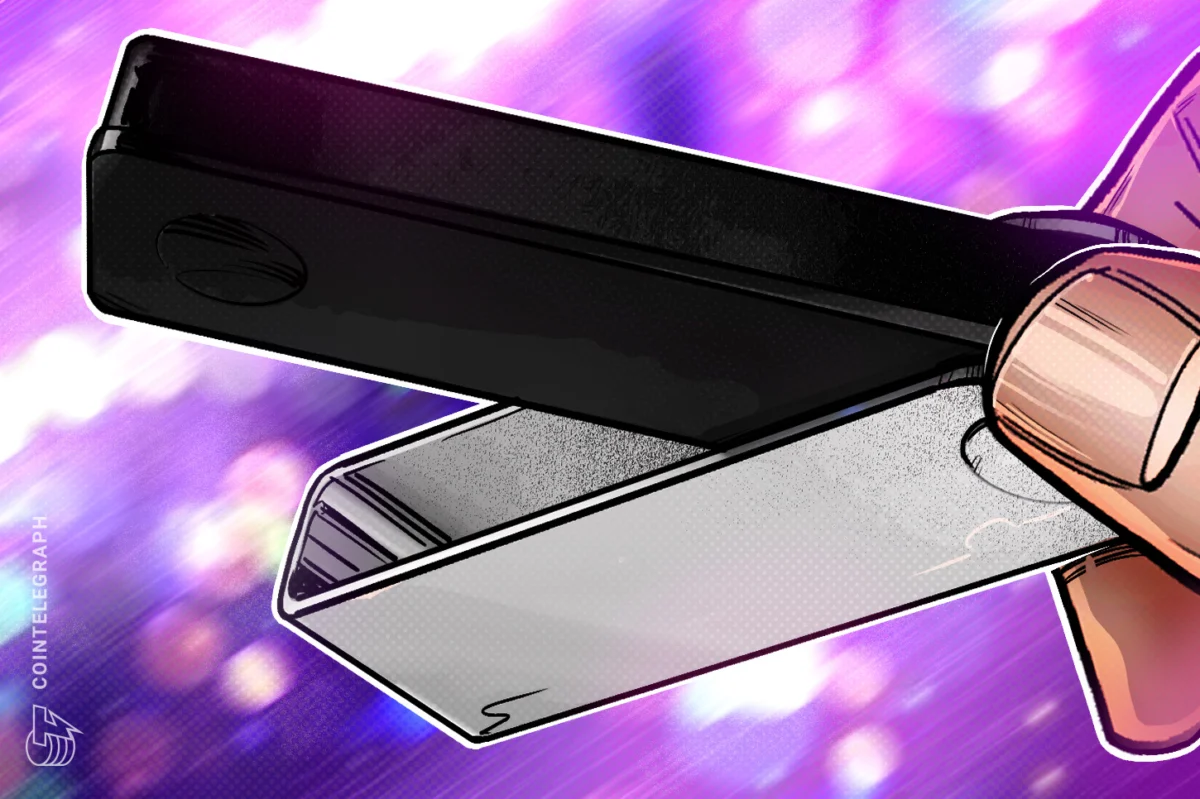
Ledger, a leading global provider of hardware wallets for cryptocurrencies, has initiated a comprehensive suspension of sales and a directive for the removal of its devices from shelves across six Southeast Asian countries and Hong Kong. This unprecedented move comes as the company actively investigates a series of alarming reports detailing instances of tampered hardware wallets, which have purportedly led to the theft of users’ digital assets. The request, officially announced on Tuesday via a post on X (formerly Twitter), specifically targets all sellers and distributors operating in Indonesia, Singapore, Thailand, the Philippines, Vietnam, Malaysia, and Hong Kong.
The decision represents a significant escalation in Ledger’s response to an unfolding security concern that first surfaced publicly in early October. While the investigation remains in its nascent stages, Ledger has clarified that, as of its latest communication, all confirmed incidents of crypto draining linked to compromised devices have been contained to the Southeast Asian region. The company stated unequivocally, "To be clear, as the investigation continues, the only confirmed incidents remain contained to Southeast Asia. We have not verified a drain linked to a device bought elsewhere." This statement aims to delineate the geographical scope of the immediate threat while underscoring the gravity of the situation within the affected territories.
The Unfolding Crisis: Initial Reports and Escalation
The genesis of this widespread security alert can be traced back to October 9, when initial reports began to emerge detailing instances of stolen cryptocurrency linked to Ledger devices acquired through specific resellers. A prominent case involved CryptoBilis, a reseller that was subsequently directed by Ledger to cease all sales and shipments of its products. These initial reports sparked a broader internal investigation by Ledger, which rapidly expanded in scope as more potential incidents came to light.
The nature of the alleged tampering, while still under active investigation, points towards a sophisticated supply chain attack. Such attacks typically involve malicious actors intercepting legitimate products at various stages of the distribution network – from manufacturing to warehousing to retail – and physically or digitally altering them before they reach the end-user. In the context of hardware wallets, this could involve embedding malicious chips, modifying firmware, or altering packaging to make it appear legitimate while concealing a compromised device within. The ultimate goal is to siphon off private keys or trick users into sending their crypto to attacker-controlled addresses.
Geographical Scope and Immediate Directives
The expanded sales suspension is a critical measure aimed at containing the potential threat and preventing further incidents. By instructing all resellers and distributors in the specified regions to halt sales and remove products, Ledger is effectively attempting to quarantine potentially compromised batches of devices from reaching new customers. The affected regions — Indonesia, Singapore, Thailand, the Philippines, Vietnam, Malaysia, and Hong Kong — represent a vibrant and rapidly growing market for cryptocurrency adoption and trading. The collective population of these economies exceeds 650 million, with a substantial and increasing number of crypto users, making them attractive targets for malicious actors seeking to exploit vulnerabilities in the supply chain.
For resellers, this directive translates into immediate operational challenges, including inventory management, potential financial losses from unsaleable stock, and the logistical complexities of a product recall. It also places a burden on them to communicate transparently with past customers who may have purchased devices now under suspicion. Ledger’s emphasis on determining "who tampered with these devices and where in the distribution chain it happened" highlights the complexity of tracing such sophisticated attacks across international logistics networks.
Ledger’s Official Position and Internal Integrity
Amidst the growing concern, Ledger has been proactive in reassuring its user base about the integrity of its core operations. The company has explicitly stated, "We have no indication that Ledger’s infrastructure, systems or services or direct sales channel have been compromised." This crucial clarification seeks to differentiate between a localized supply chain vulnerability affecting third-party distribution and a broader systemic failure within Ledger’s own direct manufacturing, software, or sales channels.
This distinction is vital for maintaining user trust, as a compromise of Ledger’s direct infrastructure would imply a far more severe and widespread security breach affecting all users, regardless of their purchase source. By confining the confirmed incidents to third-party distribution in a specific geographical area, Ledger aims to manage the narrative and focus its investigative and remedial efforts. However, the reports of suspected tampering from users in other regions, including Europe, complicate this narrative, suggesting that while confirmed drains might be localized, the presence of tampered devices could be more geographically dispersed, albeit unlinked to actual crypto theft in those areas thus far. These reports, while not yet verified by Ledger as leading to financial losses, certainly amplify concerns about the robustness of the global distribution network for such sensitive security products.
Understanding Supply Chain Attacks and Hardware Wallet Vulnerabilities
Hardware wallets like those produced by Ledger are designed to be the gold standard for cryptocurrency security. They function by isolating a user’s private keys — the cryptographic codes that grant ownership of digital assets — from internet-connected devices, thereby protecting them from online threats like malware and phishing. The core principle of a hardware wallet’s security relies on the assumption that the device itself is authentic and untampered with.
A supply chain attack, however, exploits the inherent complexity of manufacturing and distributing physical goods globally. Malicious actors can infiltrate various points:
- Manufacturing: Introducing malicious components or altering firmware during production.
- Transit: Intercepting shipments and physically altering devices or packaging.
- Warehousing/Distribution: Swapping genuine devices for compromised ones, or tampering with packaging.
- Retail: Resellers themselves, or individuals within a reseller’s operation, could be complicit or unwitting victims.
The difficulty in detecting such tampering often lies in the sophistication of the attackers. They may meticulously reseal packaging, use high-quality counterfeit materials, or implement subtle hardware modifications that are not immediately obvious to the average user. For instance, a tampered device might display a false recovery phrase during setup, leading the user to unwittingly enter their actual recovery phrase into a compromised interface, or it might subtly alter transaction details when signing.
Broader Industry Response and User Safeguards
The incident involving Ledger has sent ripples across the broader cryptocurrency hardware wallet industry. Competitors are keenly observing the situation and taking proactive measures to reassure their own user bases. Trezor, another prominent hardware wallet manufacturer, has reportedly begun reducing its number of resellers as a "preventative step" in light of the Ledger tampering reports. This move underscores the industry’s recognition of the heightened risk associated with third-party distribution channels for high-security products.
For consumers, these events serve as a stark reminder of the critical importance of purchasing hardware wallets directly from the manufacturer whenever possible. While third-party resellers offer convenience and sometimes lower prices, they introduce additional points of vulnerability into the supply chain. If direct purchase is not feasible, users are strongly advised to:
- Scrutinize Packaging: Look for any signs of tampering, such as broken seals, altered holograms, mismatched serial numbers, or evidence of resealing.
- Verify Device Integrity: Follow manufacturer guidelines for initial setup and verification. Many hardware wallets include cryptographic checks during setup to confirm the authenticity of the device’s firmware.
- Never Use Pre-Configured Devices: A genuine hardware wallet should always require the user to generate a new recovery phrase during the initial setup process. If a device comes with a pre-generated phrase or prompts for an existing one immediately, it should be considered highly suspicious.
- Educate Themselves: Understand the basic security principles of their hardware wallet and common attack vectors.
The Ripple Effect: Implications for Ledger and the Crypto Ecosystem
The ongoing investigation and sales suspension carry significant implications for Ledger, both in terms of its reputation and potential financial standing. Reputational damage in the security sector can be profound and long-lasting, eroding the trust that is paramount for products designed to protect valuable assets. While Ledger has been swift in its response, the very notion of tampered devices reaching consumers through its distribution network is a serious blow. The company will likely incur substantial costs associated with the investigation, potential product recalls, customer support for affected users, and efforts to rebuild trust.
From a broader industry perspective, this incident highlights the persistent challenges of securing the crypto ecosystem. As digital assets become more mainstream, the sophistication of attacks targeting them also increases. Supply chain attacks, once primarily associated with nation-state espionage or critical infrastructure, are now clearly a threat to consumer-grade crypto security products. This could lead to:
- Increased Scrutiny of Supply Chains: Manufacturers will likely need to invest more heavily in securing their entire distribution network, from factory floor to end-user.
- Enhanced Verification Mechanisms: The development of more robust and user-friendly methods for verifying the authenticity of hardware wallets post-purchase.
- Consumer Education: A renewed push from manufacturers and crypto educators to inform users about the risks of third-party purchases and the importance of physical inspection.
- Potential Regulatory Interest: While the crypto industry is largely self-regulated, a series of high-profile security incidents could attract more attention from regulators regarding product safety and consumer protection standards for hardware devices.
Navigating Future Security: Recommendations for Users and the Industry
For users in the affected regions, Ledger’s guidance is clear: suspend use of recently purchased devices from resellers and await further instructions. Those who have already used such devices and experienced losses should contact Ledger support immediately. For all other Ledger users globally, continued vigilance and adherence to best security practices remain paramount. This includes regular verification of transaction details on the device screen, securing recovery phrases offline, and never sharing sensitive information.
The incident serves as a crucial case study for the entire crypto hardware industry. It underscores that even with robust internal security protocols, the extended supply chain remains a significant attack surface. Moving forward, tighter controls over distribution partners, enhanced anti-tampering packaging, and more accessible user-verification tools will be essential. The digital asset landscape demands not just secure software and hardware, but also an unimpeachable chain of custody from production to the user’s hand.
Conclusion: A Call for Vigilance
As Ledger’s investigation continues to unfold, the full extent of the tampering and its ultimate impact remain to be seen. What is clear, however, is the critical importance of vigilance for all participants in the cryptocurrency ecosystem. For Ledger, this is a moment of reckoning and an opportunity to demonstrate its commitment to security through transparency and decisive action. For users, it is a stark reminder that the responsibility for securing digital assets ultimately rests with them, requiring careful choices about where and how they acquire their security tools. The integrity of the physical hardware wallet is as vital as the cryptographic algorithms it employs, and any breach in its journey to the consumer poses a fundamental threat to the promise of self-custody in the digital age.