admin
admin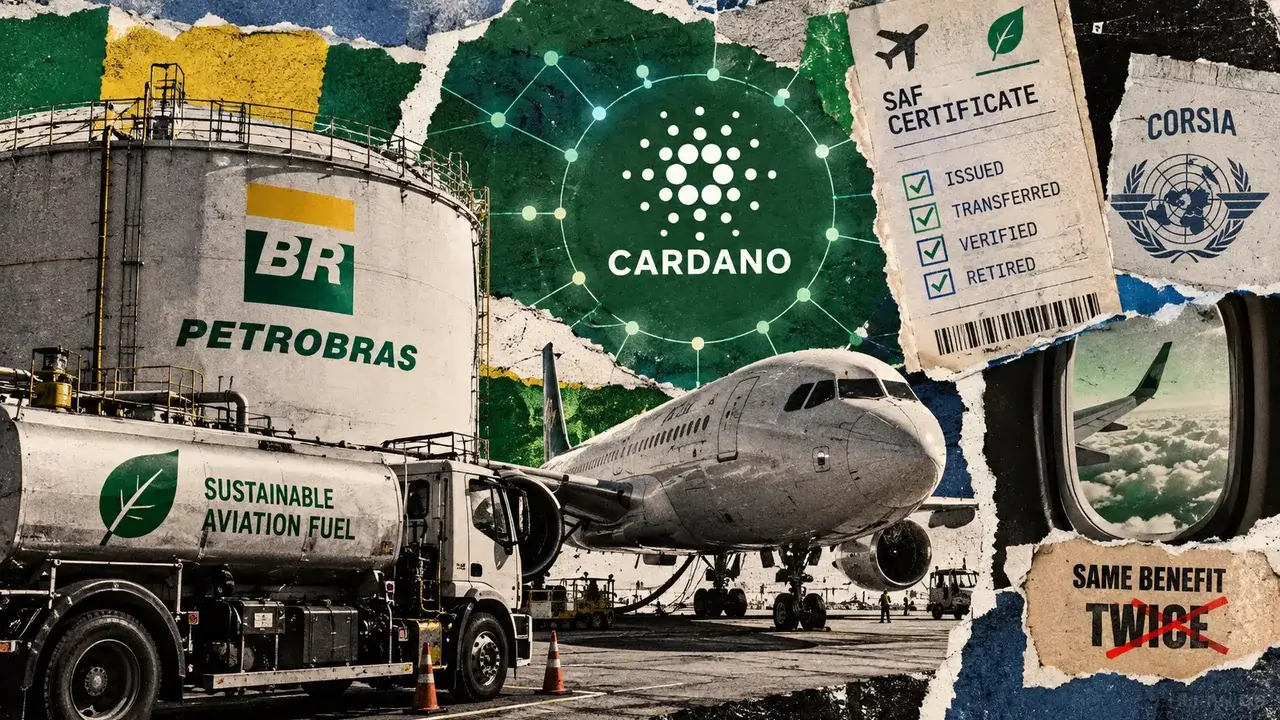
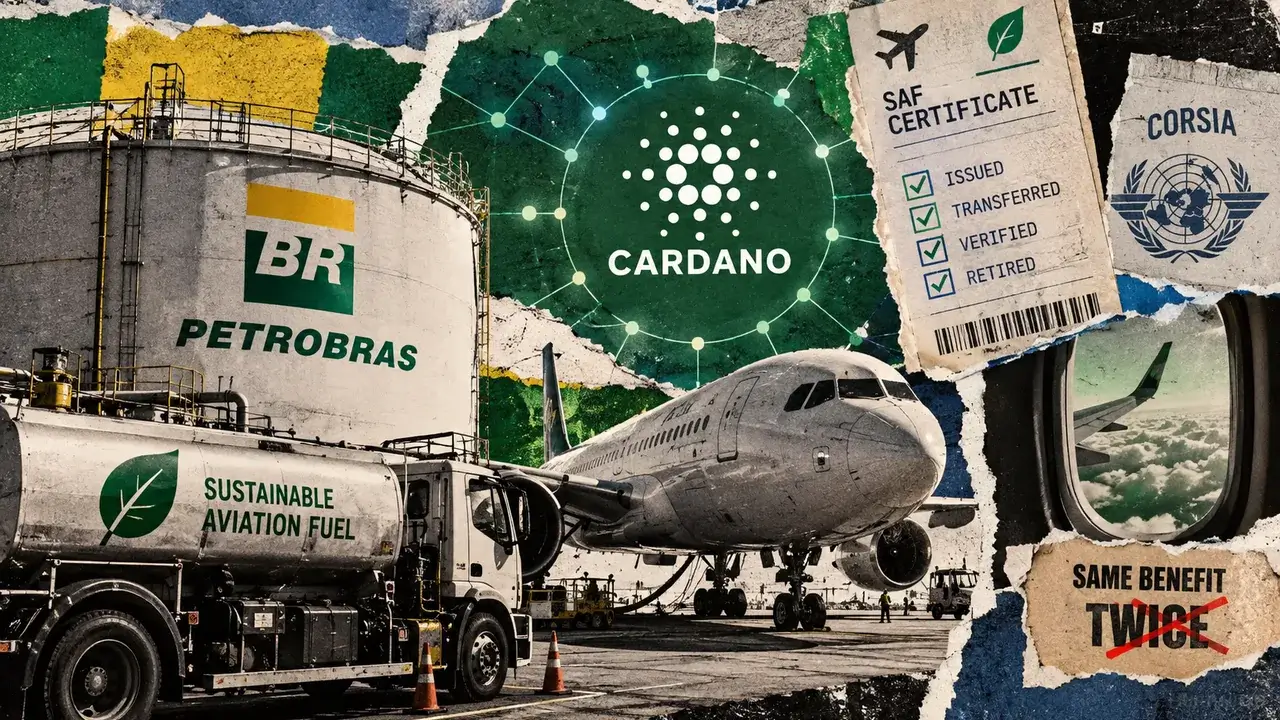
Petrobras, Brazil’s state-controlled energy company, is actively exploring the capabilities of the Cardano blockchain to revolutionize the tracking and verification of sustainable aviation fuel (SAF) benefits. This initiative, revealed by the Cardano Foundation on September 30, 2026, aims to address a critical challenge in the burgeoning carbon offset market: the prevention of double-counting of environmental credits. The ongoing research and development collaboration has already yielded functional applications for both SAF and Diesel R, Petrobras’ proprietary renewable fuel brand, marking a significant step towards greater transparency and accountability in the energy sector.
The core of the SAF project lies in its innovative approach to the "Book-and-Claim" model. This model is designed to decouple the physical purchase or use of sustainable fuel from the associated environmental benefits. Traditionally, the entity that purchases or consumes SAF would be the sole recipient of its environmental advantages, such as carbon emission reductions. However, the Book-and-Claim system allows for a more flexible allocation, enabling airlines, corporations, or even individual passengers to claim these benefits even if the SAF is produced or utilized in a different geographical location or by another party. This flexibility is crucial for scaling up the adoption of SAF, as it broadens the pool of potential beneficiaries and incentivizes investment in sustainable fuel production.
A New Era of SAF Verification on Cardano
Petrobras, in collaboration with PUC-Rio University’s Ledger Labs and the Cardano Foundation, has developed a sophisticated SAF platform that leverages Cardano’s robust infrastructure. According to a detailed case study published by the Cardano Foundation, the project represents the environmental attributes of SAF as standardized CS-SAF tokens on the Cardano blockchain. These digital tokens are designed to be immutable and transparent, offering a secure and auditable trail for their lifecycle.
The functionality of these CS-SAF tokens is multifaceted. They can be created, transferred between parties, verified for authenticity, and crucially, retired. The act of "retirement" is analogous to the concept of "double-spending" prevention in traditional cryptocurrency transactions. In this context, it ensures that once an environmental benefit associated with a specific batch of SAF has been claimed and retired, it cannot be claimed again by any other entity. This mechanism is paramount in maintaining the integrity of carbon offset schemes and preventing fraudulent claims. The digital record created on the blockchain traces the allocation of these benefits back to the original SAF certificate, providing an irrefutable audit trail.
The practical application of this system is designed to be user-friendly. Travelers, for instance, can input their departure and destination airports into an application. The system then calculates the corresponding CS-SAF allocation based on the flight’s distance and other relevant factors. Upon confirmation, the traveler receives a certificate detailing their route, the distance covered, and the specific SAF allocation they have claimed. This claim remains intrinsically linked to the original SAF certificate, ensuring that the environmental benefit is accurately attributed.
Alignment with International Standards
A critical aspect of the Petrobras SAF project is its adherence to international aviation standards. The metadata embedded within the CS-SAF tokens is aligned with CORSIA (Carbon Offsetting and Reduction Scheme for International Aviation). CORSIA is a global market-based measure adopted by the International Civil Aviation Organization (ICAO) to address the growth of international aviation emissions. By aligning with CORSIA, the Cardano-based system aims to provide a verifiable and globally recognized framework for SAF claims, facilitating its adoption by airlines and regulatory bodies worldwide.
The significance of the Book-and-Claim model in accounting for emissions has also been underscored by industry bodies. Guidance published on June 16, 2026, by the Roundtable on Sustainable Biomaterials (RSB) clarified that while the Book-and-Claim mechanism does not alter the physical fuel a buyer uses or its associated emissions, it allows for the separate disclosure of supported emissions reductions. Airlines are encouraged to report these supported reductions distinctly from their operational emissions. This distinction is vital for accurate reporting and prevents misrepresentation of overall emission reductions. The RSB guidance emphasizes that different participants in the value chain can make distinct claims, provided their disclosures do not create a misleading impression of the total reduction achieved.
Beyond Aviation: Petrobras Explores Broader Applications
The innovative application of blockchain technology by Petrobras is not limited to sustainable aviation fuel. The company is also actively exploring its use for its Diesel R renewable fuel brand, further demonstrating a commitment to leveraging distributed ledger technology for broader sustainability initiatives.
The Diesel R project, also developed in conjunction with PUC-Rio, focuses on establishing a continuous fuel-lifecycle record. This ambitious endeavor involves creating checkpoints across the entire value chain, from production and transportation to final consumption. The ultimate aim is to generate a comprehensive and auditable record that can support Scope 3 reporting. Scope 3 emissions encompass all indirect emissions that occur in a company’s value chain, both upstream and downstream, excluding those from its own operations (Scope 1) and purchased energy (Scope 2).
By connecting information held by various stakeholders, including suppliers, logistics providers, and end-users, this architecture promises to provide emissions reporting with a far more traceable and granular supply-chain history. The Cardano Foundation describes this approach as a proposed model currently under intensive research and development, highlighting its potential to set new benchmarks for transparency in indirect emissions reporting within the energy sector.
Implications for Cardano and the Energy Sector
The collaboration between Petrobras and the Cardano Foundation represents a significant validation of Cardano’s capabilities beyond its traditional cryptocurrency applications. The platform’s ability to securely record the allocation and retirement of environmental benefits, as demonstrated by the SAF project, positions it as a viable solution for complex tracking and verification needs in various sustainability-focused industries.
While the commercial scope and transaction volumes of these specific projects remain unquantified in the initial disclosures, the implications are far-reaching. For Petrobras, this initiative signifies a proactive approach to meeting evolving environmental regulations and corporate sustainability goals. It demonstrates a commitment to embracing cutting-edge technology to enhance operational transparency and build trust with stakeholders, investors, and the public.
For the Cardano ecosystem, this partnership with a major global energy player underscores the growing interest in its technology for real-world enterprise solutions. It suggests a potential for significant growth in the development of decentralized applications (dApps) focused on sustainability, supply chain management, and environmental, social, and governance (ESG) reporting. The successful implementation of these pilot projects could pave the way for broader adoption of Cardano by other energy companies and organizations seeking to improve their sustainability credentials through verifiable digital solutions.
The ability to prevent carbon double-counting is not merely a technical achievement; it is a critical step towards building a credible and effective global carbon market. As the world increasingly focuses on decarbonization, the demand for reliable mechanisms to track and verify emissions reductions will only grow. Cardano’s role in providing a secure and transparent ledger for these transactions could prove instrumental in achieving these global climate objectives. The success of Petrobras’ ventures on Cardano will undoubtedly be closely watched by industry experts and sustainability advocates alike, potentially setting a precedent for how blockchain technology can be harnessed to drive meaningful environmental progress.
A Chronology of Key Developments
The journey towards this advanced verification system on Cardano can be traced through several key stages:
- Early 2020s: Increasing global pressure on the aviation industry to reduce its carbon footprint, leading to discussions around SAF mandates and incentives. The complexity of tracking SAF benefits and the emergence of the Book-and-Claim model gain prominence.
- Mid-2020s: Petrobras initiates research into blockchain technology as a potential solution for enhancing the transparency and traceability of its renewable fuel offerings, including SAF.
- 2025-2026: Intensive R&D collaboration between Petrobras, PUC-Rio University’s Ledger Labs, and the Cardano Foundation. This period sees the development of the core architecture for the SAF and Diesel R applications.
- June 16, 2026: The Roundtable on Sustainable Biomaterials (RSB) publishes guidance clarifying the accounting principles for Book-and-Claim models in SAF, providing a framework for industry-wide adoption and validation.
- September 30, 2026: The Cardano Foundation officially announces the successful delivery of functional applications for SAF and Diesel R from the ongoing Petrobras collaboration, highlighting the system’s ability to represent SAF environmental attributes as standardized CS-SAF tokens on Cardano and its capability to prevent double-counting.
This timeline illustrates a deliberate and phased approach to innovation, combining industry expertise with cutting-edge blockchain technology to address a critical environmental challenge. The project’s progression from research to functional application signifies a tangible step towards realizing the potential of decentralized ledger technology in fostering a more sustainable future.