admin
admin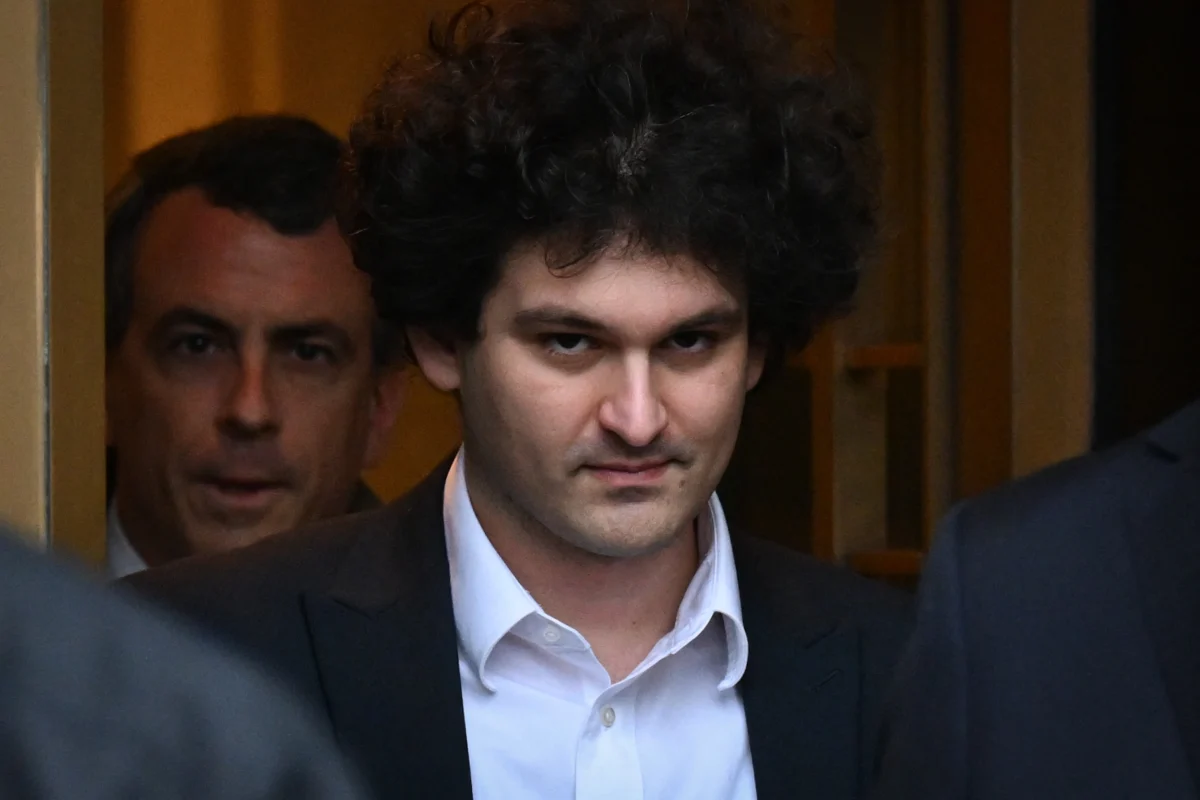
Sam Bankman-Fried, the disgraced co-founder and former CEO of the defunct cryptocurrency exchange FTX, has officially submitted a petition for a presidential pardon to the United States Department of Justice’s Office of the Pardon Attorney. The application, directed toward President Donald Trump during his second term, marks a significant legal maneuver for the 34-year-old former billionaire who is currently serving a 25-year federal prison sentence. Bankman-Fried was convicted in late 2023 on seven counts of fraud, conspiracy, and money laundering related to the collapse of his crypto empire, which resulted in the loss of billions of dollars in customer funds.
The formal application for clemency was first identified on the Justice Department’s public database and subsequently reported by major financial news outlets. While presidential pardons are often sought through informal channels or political connections, Bankman-Fried’s decision to file a formal application through the established Department of Justice (DOJ) process is notable, as many high-profile recipients of executive clemency in the current administration have bypassed this traditional administrative route.
The Rise and Catastrophic Fall of FTX: A Brief Chronology
To understand the weight of Bankman-Fried’s request, it is necessary to examine the timeline of events that led to one of the most significant financial collapses in American history. Founded in 2019, FTX quickly rose to become the third-largest cryptocurrency exchange in the world, valued at $32 billion at its peak. Bankman-Fried became the face of the industry, testifying before Congress, appearing on magazine covers, and donating tens of millions of dollars to political causes.
The downfall began in early November 2022, when a leaked balance sheet from Alameda Research, Bankman-Fried’s private hedge fund, revealed that the firm held a massive position in FTT, a token created by FTX. This sparked a liquidity crisis as customers rushed to withdraw their funds. By November 11, 2022, FTX and its sister companies filed for Chapter 11 bankruptcy, and Bankman-Fried resigned as CEO.
In December 2022, Bankman-Fried was arrested in the Bahamas and extradited to the United States. Following a high-profile trial in the Southern District of New York in October 2023, a jury found him guilty on all counts. Prosecutors successfully argued that Bankman-Fried had orchestrated a multi-year scheme to defraud FTX customers and investors by misappropriating their deposits to fund risky investments at Alameda Research, pay for luxury real estate, and make substantial political contributions. In March 2024, U.S. District Judge Lewis Kaplan sentenced him to 25 years in prison, citing the "enormous" scale of the fraud and the defendant’s apparent lack of remorse.
Analyzing the 25-Year Sentence and Judicial Findings
The sentencing of Sam Bankman-Fried was a watershed moment for the cryptocurrency sector. While the 25-year term was shorter than the 40 to 50 years sought by federal prosecutors, it was significantly longer than the single-digit sentence requested by his defense counsel.
During the sentencing hearing, Judge Kaplan emphasized several aggravating factors. He noted that Bankman-Fried had committed perjury during his trial testimony and had attempted to witness tamper. The court found that the actual loss to victims exceeded $8 billion, a figure that triggered the highest levels of federal sentencing guidelines. Kaplan remarked that there was a "risk that this man will be in a position to do something very bad in the future," and that the sentence was intended to serve as a deterrent to others in the financial technology space.
Since his incarceration, Bankman-Fried’s legal team has filed appeals, arguing that the trial was unfair and that the court’s rulings prevented him from presenting a full defense regarding the actual loss of funds and the involvement of counsel in his decision-making. The pardon application represents a parallel effort to regain his freedom outside the appellate court system.
Presidential Clemency Trends in the Second Trump Administration
President Trump’s second term has been characterized by a robust and frequent use of his Article II constitutional power to grant reprieves and pardons. Data indicates that the current administration has favored individuals convicted of financial crimes and those associated with the events of January 6, 2021.
An analysis conducted by NBC News earlier this year revealed that more than 50% of the individual pardons granted by President Trump during this term have been for white-collar offenses. These include convictions for money laundering, bank fraud, wire fraud, and securities violations. This trend suggests a specific executive philosophy regarding the perceived over-prosecution of financial figures or a skepticism toward the "deep state" Department of Justice’s handling of corporate crime.
Furthermore, Bloomberg News has highlighted that many recipients of Trump’s clemency have been major political donors or individuals with significant social and political capital. However, Bankman-Fried’s situation is complex. While he was once one of the largest donors to Democratic candidates, he also claimed in interviews that he made "dark money" donations to Republican causes of equal magnitude. Whether this past political engagement will influence the President’s decision remains a subject of intense speculation among legal and political analysts.
The Formal Application Process vs. Informal Channels
The Office of the Pardon Attorney within the DOJ typically handles clemency petitions, conducting thorough investigations and providing recommendations to the President. However, the President possesses the absolute authority to grant pardons regardless of the DOJ’s recommendation.
Historically, many of President Trump’s most controversial or high-profile pardons have bypassed the Office of the Pardon Attorney entirely, arriving at the Oval Office via personal recommendations from advisors or allies. Bankman-Fried’s decision to go through the official DOJ channel is viewed by some legal experts as an attempt to lend a veneer of institutional legitimacy to his request.
"By filing a formal application, Bankman-Fried is essentially asking the career officials at the DOJ to review his case on its merits," says a former federal prosecutor. "It is a more traditional approach, though in the current political environment, the ultimate decision remains highly unpredictable and likely rests on the President’s personal view of the FTX case."
Potential Justifications for Clemency
While the formal text of Bankman-Fried’s pardon application has not been made public, legal observers suggest several arguments his team might be employing:
- Restitution Progress: The FTX bankruptcy estate, led by CEO John J. Ray III, has made significant progress in recovering assets. Recent filings suggest that many creditors may eventually receive 100% or more of their allowed claims in cash. Bankman-Fried has long argued that the company was solvent but illiquid, and the recovery of funds might be used as an argument that the "harm" was less than the prosecution claimed.
- Disproportionate Sentencing: His legal team may argue that 25 years is excessive compared to other white-collar crimes, particularly given his age and first-time offender status.
- Effective Altruism and Public Service: Prior to his arrest, Bankman-Fried was a leading proponent of "effective altruism." He may be attempting to highlight his past charitable intentions as evidence of his character.
- Prosecutorial Overreach: Aligning with a common theme in the current administration’s rhetoric, the application might allege that the DOJ’s prosecution was politically motivated or a result of regulatory "warfare" against the crypto industry.
Reactions from Victims and the Legal Community
The prospect of a pardon for Bankman-Fried has already sparked significant debate. For many of the millions of FTX users who saw their life savings frozen in 2022, the idea of executive clemency is met with outrage. While the bankruptcy estate is working toward repayment, many victims suffered immense emotional and financial distress that cannot be rectified by a eventual payout.
"A pardon would be a slap in the face to every person who trusted FTX with their money," said a representative for a group of international creditors. "The justice system worked in this case, and the sentence reflected the gravity of the betrayal."
Conversely, some within the cryptocurrency industry believe that Bankman-Fried was "made an example of" by a government hostile to decentralized finance. They argue that while his actions were negligent or even criminal, the 25-year sentence was a political statement rather than a measured judicial outcome.
Broader Implications for Financial Regulation and the Crypto Industry
The President’s decision on Bankman-Fried’s petition will have far-reaching implications. If a pardon is granted, it could signal a shift in how the federal government views white-collar crime in the digital asset space. It might be interpreted as a rollback of the aggressive enforcement actions taken by the SEC and DOJ over the past several years.
Furthermore, it would raise questions about the finality of high-stakes financial prosecutions. The FTX trial was seen as a landmark victory for the DOJ’s specialized task forces. An executive reversal would undoubtedly impact the morale of federal prosecutors and investigators who spent years untangling the complex web of FTX’s global operations.
As of this writing, the White House has not issued a statement regarding the application. The Office of the Pardon Attorney continues to process a backlog of thousands of requests, and there is no set timeline for when a decision might be reached. For now, Sam Bankman-Fried remains in federal custody at a medium-security facility, awaiting the President’s response to his plea for a second chance.