admin
admin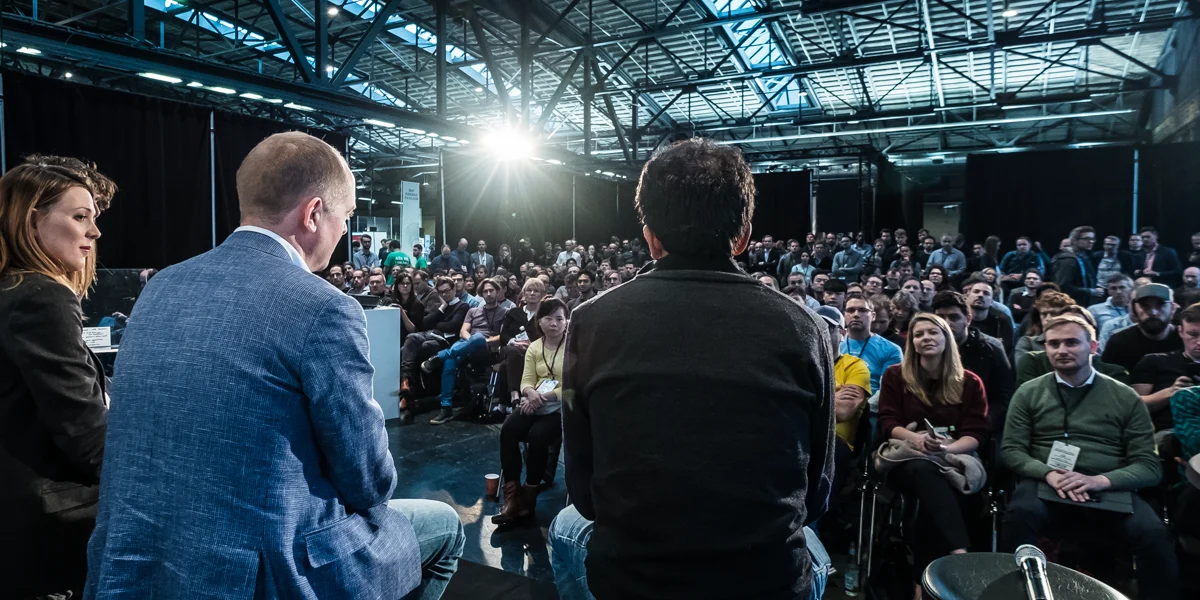
The window for industry leaders, pioneering founders, and seasoned venture capitalists to secure a speaking role at TechCrunch Disrupt 2026 is rapidly closing, with the official deadline for content submissions set for tonight, May 29, at 11:59 p.m. PT. Scheduled to take place from October 13 to October 15 at the Moscone West convention center in San Francisco, the event serves as a cornerstone for the global technology ecosystem, facilitating high-level networking and the dissemination of cutting-edge industry insights. Organizers expect an attendance exceeding 10,000 participants, ranging from early-stage entrepreneurs to managing directors of top-tier investment firms, all converging to analyze the trajectories of artificial intelligence, financial technology, and scalable infrastructure.
Application Specifics and Session Formats
The call for content is specifically targeted at individuals who can provide actionable intelligence rather than high-level platitudes. TechCrunch has structured the 2026 agenda to maximize audience engagement through two distinct presentation formats. The first, Breakout Sessions, allows for a structured 30-minute presentation followed by a 20-minute question-and-answer period. These sessions are designed for up to four speakers, including a moderator, and are held in rooms with a capacity of approximately 100 attendees. This format is traditionally utilized for deep dives into technical methodologies, regulatory navigation, or case studies on successful market exits.
The second format, Roundtables, emphasizes peer-to-peer exchange and collaborative problem-solving. These 30-minute discussions are limited to 40 participants and operate without the aid of audiovisual presentations or slides. The objective is to foster an environment where the "speaker" acts as a facilitator for a high-level dialogue among participants. This format has gained popularity in recent years as attendees increasingly seek intimate networking opportunities and the ability to discuss sensitive industry challenges in a more private, interactive setting.
The Selection Process: From Editorial Review to Audience Choice
The path to the Disrupt stage involves a multi-tiered vetting process designed to ensure the highest quality of content. Initially, every application undergoes a comprehensive review by the TechCrunch editorial team. Editors assess submissions based on the novelty of the topic, the speaker’s proven expertise, and the relevance of the content to the current market climate. This editorial gatekeeping is essential for maintaining the conference’s reputation as a venue for "news-making" discussions rather than promotional sales pitches.
Following the internal review, a shortlist of finalists will be presented to the public for the "Audience Choice" vote. This democratic component allows the TechCrunch readership and the broader tech community to influence the final schedule. By involving the community in the selection process, the organizers ensure that the sessions reflect the most pressing concerns and interests of the industry at large. Historically, the Audience Choice vote has highlighted emerging trends—such as the sudden pivot to generative AI in previous cycles—long before they become mainstream corporate talking points.

Historical Context and the Evolution of TechCrunch Disrupt
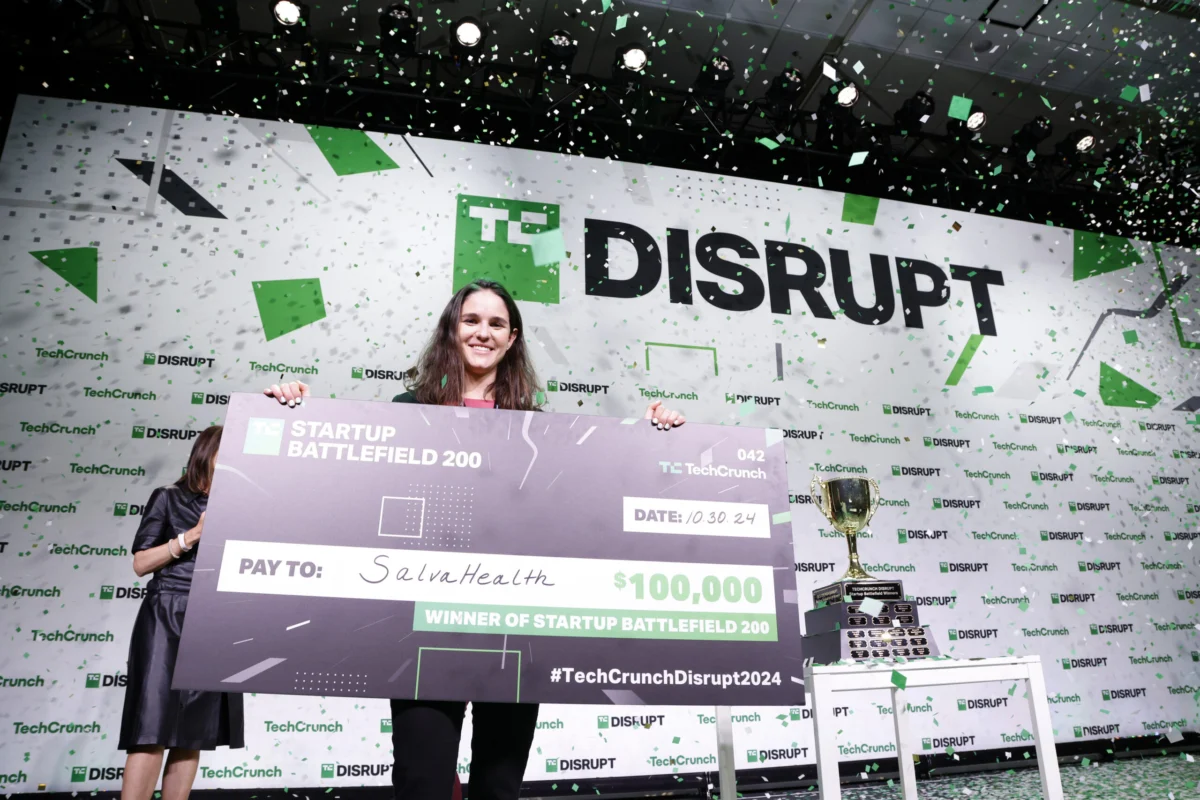
TechCrunch Disrupt has a long-standing history as a launchpad for some of the most recognizable names in technology. Since its inception, the conference has been the site of major debuts, most notably through the Startup Battlefield competition. Companies like Dropbox, Mint, and Fitbit gained their initial momentum on the Disrupt stage. While the "Call for Content" focuses on educational and thought-leadership sessions, it exists within the broader context of a conference that has traditionally signaled the health of the venture capital market.
The return to Moscone West in 2026 is symbolic of San Francisco’s enduring status as the global epicenter of tech innovation, despite recent narratives regarding "tech flight." The choice of venue remains strategic; Moscone West offers the scale necessary to house the "Disrupt Stage," the "Builders Stage," and the massive "Expo Floor," where hundreds of startups from around the world showcase their minimum viable products (MVPs). For speakers, the platform offers more than just a speaking credit; it provides a direct line to the world’s most influential tech journalists and institutional investors.
Thematic Focus for 2026: AI, Fintech, and Infrastructure
The 2026 agenda is expected to be heavily weighted toward the maturation of artificial intelligence. While previous years focused on the initial excitement of Large Language Models (LLMs), the 2026 sessions are projected to tackle "Agentic AI," the integration of AI into physical robotics, and the massive energy infrastructure requirements of next-generation data centers.
Fintech remains another core pillar of the event. With the global regulatory landscape shifting toward open banking and the continued evolution of decentralized finance (DeFi) into institutional frameworks, speakers in this vertical will likely address the intersection of traditional banking and algorithmic finance. Additionally, the "scaling" track will cater to the current economic environment, where the focus has shifted from "growth at all costs" to "sustainable profitability"—a transition that requires significant operational expertise from founders who have navigated multiple market cycles.
San Francisco’s Role as the Technological Hub
The decision to host Disrupt in San Francisco for 2026 reinforces the city’s role in the current AI-led industrial revolution. Data from the first quarter of 2024 and 2025 indicates that nearly 50% of all global venture capital for AI startups remains concentrated in the San Francisco Bay Area. By hosting the event in the heart of the city, TechCrunch facilitates a seamless flow between the formal conference programming and the informal "fringe" events—investor dinners, hacking sessions, and networking mixers—that occur throughout the city during the week of Disrupt.
Industry analysts suggest that the 2026 event will be a critical barometer for the "Series B Crunch" that has affected many mid-stage startups. Speakers who can offer concrete strategies for navigating the current funding environment are expected to be in high demand. The conference acts as a marketplace of ideas where the viability of new business models is tested against the scrutiny of the world’s most skeptical tech critics.

Chronology of the 2026 Planning Cycle
The timeline for Disrupt 2026 is rigorous, ensuring that by the time October arrives, the content is both polished and timely. Following tonight’s deadline, the editorial review process will span several weeks, with the Audience Choice voting phase typically occurring in late summer.
- May 29, 2026: Final deadline for speaker applications.
- June – July 2026: Internal editorial review and finalist selection.
- August 2026: Audience Choice voting opens to the public.
- September 2026: Finalization of the agenda and speaker onboarding.
- October 13–15, 2026: TechCrunch Disrupt 2026 takes place at Moscone West.
This timeline allows the organizers to adjust the final tracks based on any "black swan" events or sudden technological breakthroughs that may occur in the intervening months, ensuring that Disrupt remains the most relevant event on the annual tech calendar.
Broader Implications for the Global Venture Ecosystem
The significance of TechCrunch Disrupt extends beyond the three days of the event. The content generated during the sessions often sets the editorial tone for tech journalism for the following six months. For speakers, the implications are multifaceted. Founders often use the platform to signal to the market that they are preparing for a new funding round or a potential IPO. For investors, a speaking slot is an opportunity to articulate a "thesis" that can attract high-quality deal flow.
Furthermore, the emphasis on infrastructure and robotics in the 2026 call for content suggests a shift in the tech industry’s focus back toward "hard tech." After a decade dominated by SaaS and consumer apps, the 2026 sessions will likely reflect a renewed interest in the physical components of technology—semiconductors, energy storage, and automated manufacturing.
As the 11:59 p.m. PT deadline approaches, the tech community is reminded that the Disrupt stage is one of the few venues where a compelling narrative can fundamentally alter the trajectory of a startup or a technology trend. Those with unique insights into the future of innovation are encouraged to submit their proposals before the window closes, contributing to a dialogue that will shape the industry for years to come. The final selection will represent a cross-section of the brightest minds in the sector, tasked with the challenge of defining "what’s next" in an increasingly complex global landscape.