admin
admin
The global startup ecosystem is currently facing a pivotal moment as the May 27 deadline for the TechCrunch Startup Battlefield 200 rapidly approaches, representing a final opportunity for pre-Series A founders to secure a place in one of the world’s most influential venture launchpads. This program, which serves as the centerpiece of the annual TechCrunch Disrupt conference, has evolved into a high-stakes arena where 200 selected startups are granted unparalleled access to venture capital, global media visibility, and the chance to compete for a $100,000 equity-free grand prize. As the window for applications and nominations enters its final days, the technology industry is closely monitoring the pipeline of early-stage talent that will define the next generation of category-leading enterprises.
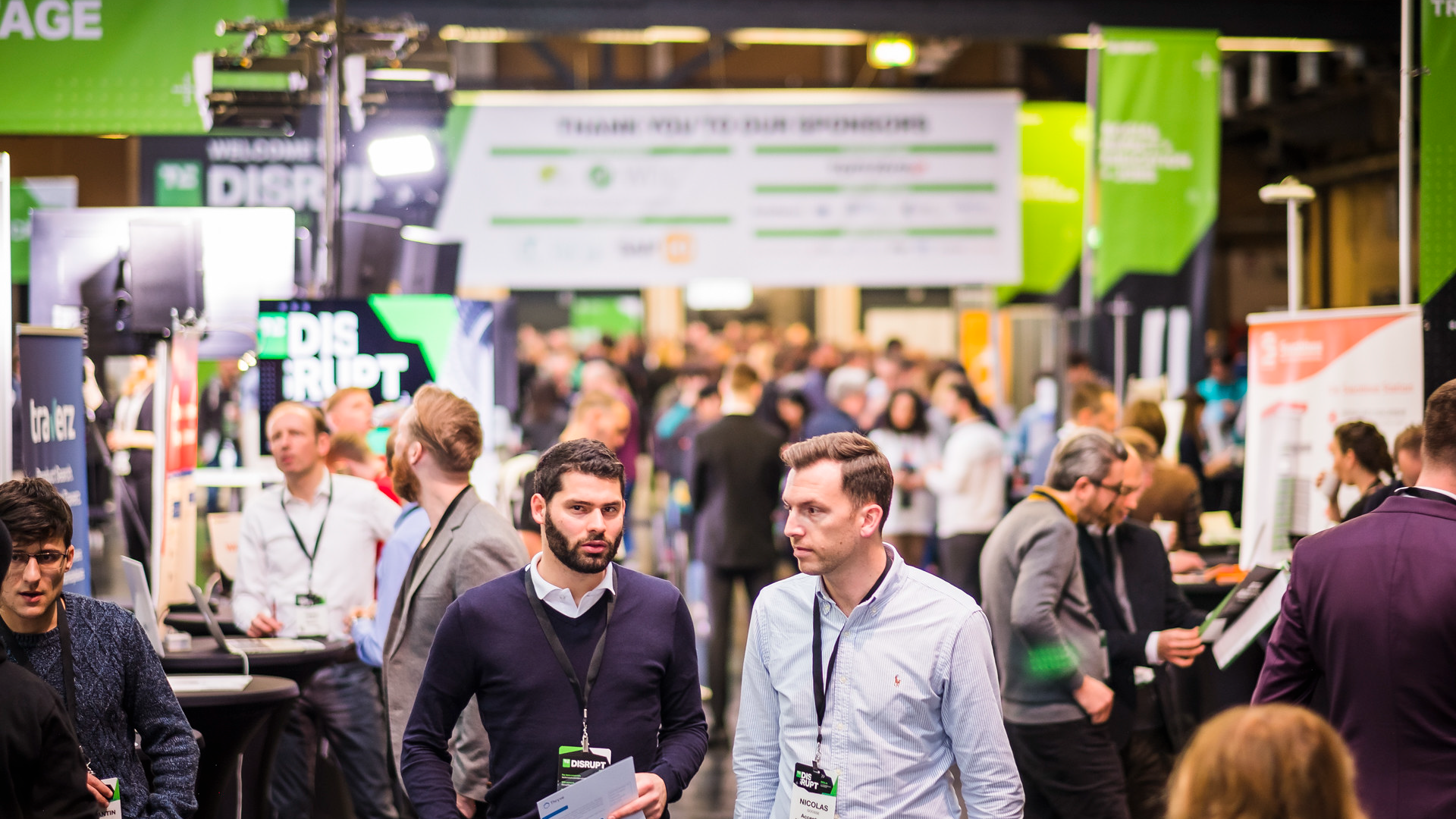
The Startup Battlefield 200 is not merely a pitch competition; it is a comprehensive accelerator of corporate trajectory. Selected participants are invited to exhibit on the Disrupt show floor for the duration of the event, placing them in the direct line of sight of more than 10,000 attendees, including top-tier institutional investors, corporate development executives, and international journalists. The program is designed to bridge the gap between initial product development and the massive scaling required to dominate global markets. By providing a stage for companies that are often in their most formative, "unpolished" stages, the competition prioritizes disruptive potential over current revenue metrics or finished branding.
Historical Context and the Legacy of Disruption
The history of the Startup Battlefield is inextricably linked with the rise of some of the most dominant names in the modern technology landscape. For over a decade, the competition has acted as a primary filter for the venture capital community, identifying high-potential founders before they become household names. The list of alumni serves as a testament to the program’s efficacy in spotting transformative technologies.

In the late 2000s and early 2010s, the Battlefield stage hosted companies that would eventually reorder entire industries. Dropbox, now a cornerstone of cloud storage and collaboration, famously demonstrated its product to a room of skeptics who questioned the necessity of cloud-based file synchronization. Similarly, Cloudflare utilized the platform to introduce the concept of edge networking and security to a broader audience long before the term "edge computing" entered the mainstream lexicon. Other notable alumni include Discord—which participated during its early phase as a gaming-centric startup named Hammer & Chisel—as well as Fitbit, Trello, and Mint. These companies did not enter the competition as fully realized giants; rather, they used the visibility and feedback provided by the Battlefield to refine their value propositions and attract the capital necessary for exponential growth.
Quantifying the Battlefield Impact: Supporting Data
The economic impact of the Startup Battlefield 200 is reflected in the staggering financial figures associated with its alumni network. Since its inception, more than 1,700 companies have passed through the program’s rigorous selection process. Collectively, these startups have raised more than $32 billion in venture funding following their appearance on the Disrupt stage. This figure highlights the "Battlefield Effect," where the mere act of being selected for the top 200 serves as a powerful signal of quality to the broader investment community.
The program also boasts a remarkable track record of liquidity events. To date, alumni have generated more than 250 exits, including high-profile acquisitions by industry titans such as Microsoft, Google, Salesforce, Uber, and Amazon. In a notable example of the program’s internal ecosystem, Dropbox—a former participant—acquired fellow Battlefield alum DocSend in 2021 for $165 million. This cycle of innovation and acquisition reinforces the program’s role as a critical node in the global tech economy, where today’s competitors frequently become tomorrow’s strategic partners or acquirers.
The Selection Process and Participant Benefits
The path to the Startup Battlefield 200 is highly competitive, with thousands of applications submitted annually from every corner of the globe. The selection committee, composed of TechCrunch’s editorial team and seasoned industry experts, looks for startups that demonstrate a "meaningful" rather than "incremental" impact on their respective fields. The criteria are intentionally broad to encourage diversity across sectors, including artificial intelligence, SaaS, fintech, climate tech, hardware, and healthtech.

To qualify, startups generally must be in the pre-Series A stage, though select Series A companies may be considered if they are at a specific strategic inflection point. The program emphasizes four core pillars during the evaluation:
- Product Innovation: Is the technology genuinely new or a significant improvement over existing solutions?
- Market Potential: Does the startup address a large or rapidly growing market?
- Founder Execution: Does the leadership team demonstrate the technical and business acumen to scale the vision?
- Impact: Does the solution have the potential to define or redefine an entire industry category?
Once selected, the "Battlefield 200" startups receive a suite of benefits designed to maximize their exposure. This includes a dedicated exhibition space on the Disrupt floor, access to exclusive workshops and masterclasses, and inclusion in TechCrunch’s editorial coverage. Most importantly, every company in the 200 is given the opportunity to pitch their business. While the top 20 finalists are chosen to pitch on the main Disrupt Stage for the $100,000 prize, the remaining 180 companies participate in the Pitch Showcase Stage, ensuring that every founder has the chance to present their vision to a live audience of investors and media.
Strategic Implications in a Shifting VC Landscape
The 2024-2025 venture capital environment has been characterized by a "flight to quality," with investors becoming increasingly discerning and prioritizing sustainable business models over pure growth at any cost. In this climate, platforms like the Startup Battlefield 200 take on added significance. For founders, the program offers a way to bypass the "noise" of a crowded market and gain direct entry to the world’s most influential investment firms.
Industry analysts suggest that the current economic cycle favors startups that can demonstrate resilience and clear utility. "The era of easy capital has transitioned into an era of earned capital," notes one industry observer familiar with the Disrupt ecosystem. "Programs that provide a rigorous vetting process, like the Battlefield, help investors de-risk their early-stage portfolios by identifying the founders who can perform under pressure and articulate a clear path to market dominance."

The $100,000 grand prize, while significant, is often viewed by participants as secondary to the equity-free nature of the funding and the long-term networking opportunities. Unlike traditional accelerators that take a percentage of equity in exchange for capital and mentorship, the Startup Battlefield maintains a "no-strings-attached" approach to its prize money, allowing the winning startup to retain full ownership while benefiting from the massive PR surge that follows the announcement.
Timeline and Final Deadlines
As the May 27 deadline approaches, the TechCrunch team has issued a "last call" for submissions. The final week of the application window historically sees a surge in volume, and organizers are urging founders to complete their applications early to ensure full consideration. Following the deadline, the selection process will begin in earnest, with the cohort of 200 being finalized over the summer months.
The culmination of the program will take place at TechCrunch Disrupt, where the selected founders will converge for three days of networking, pitching, and exhibition. The event schedule is designed to facilitate maximum interaction between founders and the "decision-makers" of the tech world. From the initial exhibition on day one to the crowning of the Battlefield winner on the final day, the timeline is a concentrated burst of entrepreneurial activity that has historically shifted the trajectory of dozens of companies each year.
Conclusion: The Urgency of the Moment
For early-stage founders, the decision to apply for the Startup Battlefield 200 often represents the first major public test of their business model. The program’s ethos—that companies defining categories rarely start polished—serves as an invitation to those building in stealth or those who may feel they are "too early" for the spotlight. As the history of companies like Dropbox and Cloudflare proves, the most important step is often the willingness to step onto the stage and defend a disruptive idea.

With the May 27 deadline looming, the window for this year’s cycle is nearly closed. Whether through direct application or third-party nomination, the opportunity to join the ranks of the Battlefield 200 remains one of the most potent catalysts available to the modern entrepreneur. As the tech world looks toward the next wave of innovation, the names that emerge from this year’s competition are likely to be the ones leading the industry in the years to come.