admin
admin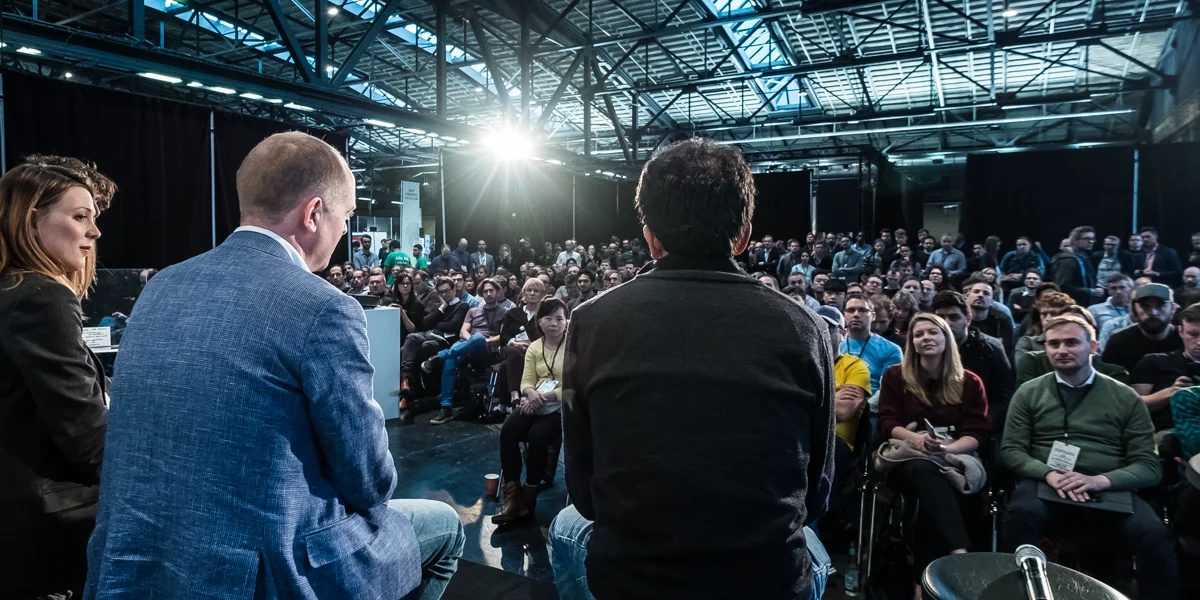
The premier global stage for early-stage technology and venture capital innovation is entering its final hours of the "Call for Content" phase, with applications set to expire at 11:59 p.m. PT today. As the technology sector prepares for its hallmark gathering at Moscone West in San Francisco from October 13–15, 2026, event organizers have issued a final invitation to founders, investors, operators, and subject matter experts to secure their place in the upcoming program. This deadline marks a critical juncture for those seeking to influence the discourse of the 2026 tech ecosystem, as the selection process moves into its editorial review and public voting phases.
TechCrunch Disrupt has long served as a barometer for the health and direction of the global startup economy. The 2026 iteration is expected to draw more than 10,000 participants, ranging from seed-stage entrepreneurs to managing partners at top-tier venture capital firms. By focusing on high-growth sectors such as artificial intelligence, fintech, infrastructure, and robotics, the event aims to provide a comprehensive look at the technologies currently redefining industrial and consumer landscapes.
Strategic Programming and Session Formats
The 2026 "Call for Content" emphasizes two distinct formats designed to maximize knowledge transfer and audience engagement. According to the organizational guidelines, applicants must choose between leading a Breakout Session or a Roundtable discussion, each serving a different pedagogical purpose within the three-day summit.
Breakout Sessions: Tactical Deep Dives
Breakout Sessions are structured as 30-minute presentations or panels featuring up to four speakers, including a moderator. These sessions are intended for a broader audience of approximately 100 attendees and are followed by a 20-minute interactive Q&A period. The primary objective of the Breakout format is to provide actionable insights on scaling, product development, or market entry. In a year where venture capital scrutiny remains high, these sessions are expected to focus heavily on operational efficiency and sustainable growth models.
Roundtables: Peer-to-Peer Engagement
In contrast, the Roundtable format is designed for intimacy and high-level networking. Limited to 40 participants, these 30-minute sessions eschew traditional slide decks and audiovisual aids in favor of moderated group discussions. This format is particularly favored by investors and seasoned operators who wish to facilitate nuanced conversations on complex regulatory environments, ethical AI implementation, or the nuances of cross-border fintech expansion. The absence of a formal stage encourages a "closed-door" atmosphere that often leads to more candid exchanges regarding industry challenges.
The Selection Process: Editorial Vetting and Audience Choice
The path to the Disrupt stage is uniquely competitive, utilizing a multi-tiered selection process that combines expert curation with community feedback. Following the closure of the application window tonight, the TechCrunch editorial team will begin a rigorous review of all submissions. Proposals are evaluated based on the speaker’s expertise, the relevance of the topic to current market trends, and the potential for the session to provide "non-obvious" value to the startup community.

A subset of these applications will then advance to the "Audience Choice" vote. This democratic component of the selection process allows the broader TechCrunch readership to vote on the sessions they find most compelling. This mechanism ensures that the final agenda reflects the genuine interests and concerns of the tech community at large. Historically, the Audience Choice vote has served as an early indicator of which sub-sectors—such as generative AI or decentralized finance—are commanding the most attention from the grassroots level of the industry.
Thematic Pillars: Defining the 2026 Tech Landscape
The 2026 event arrives at a time of significant transition for the technology industry. While previous years were dominated by the initial explosion of Large Language Models (LLMs), the 2026 program is anticipated to pivot toward the practical application and infrastructure required to support these technologies at scale.
Artificial Intelligence and Robotics
The convergence of AI and physical robotics is expected to be a primary focus of the 2026 discussions. As hardware becomes more sophisticated and AI models become more adept at interacting with the physical world, the "Call for Content" has specifically encouraged applications from experts in autonomous systems and industrial automation. Data suggests that investment in "embodied AI" has seen a steady increase, and the Disrupt stage will likely feature debates on the labor implications and technical hurdles of this transition.
Fintech and Infrastructure
The fintech track will likely address the ongoing evolution of digital payments and the integration of blockchain technology into traditional banking systems. With regulatory frameworks becoming more defined in key global markets, the 2026 sessions are expected to move past speculative assets and toward the "plumbing" of the financial world. Infrastructure, too, remains a critical pillar, as the energy demands of high-performance computing continue to challenge the sustainability goals of the world’s largest tech hubs.
The Significance of San Francisco and Moscone West
The return to Moscone West is a symbolic and strategic choice for TechCrunch Disrupt. San Francisco remains the epicenter of the global venture capital world, despite the decentralization trends seen during the early 2020s. Recent data from industry analysts indicates a "re-centralization" of AI talent in the Bay Area, with the city seeing a resurgence in office space demand from tech startups.
By hosting the event in the heart of the city’s primary convention district, Disrupt 2026 positions itself as the focal point for three days of intense networking. The proximity to major tech headquarters and the dense concentration of local talent allows for a level of serendipitous interaction that digital-only or smaller-scale regional events struggle to replicate. For many founders, the value of the event lies as much in the hallway conversations and after-hours networking as it does in the formal programming.
Historical Context and Economic Impact
Since its inception, TechCrunch Disrupt has been the site of several landmark moments in tech history. The event’s "Startup Battlefield" has previously showcased companies that would go on to become household names, including Dropbox, Mint, and Cloudflare. While the "Call for Content" specifically addresses speakers for breakout sessions and roundtables, it contributes to an ecosystem that has collectively seen its alumni raise billions of dollars in follow-on funding.

The 2026 event is expected to generate significant economic activity for the city of San Francisco. With 10,000 attendees, the event supports local hospitality, transport, and service sectors. More importantly, the concentration of capital—represented by the thousands of VC leaders in attendance—serves as a catalyst for deal-making that can sustain the startup pipeline for the following fiscal year.
Implications for the Tech Ecosystem
The closing of the speaker application window represents more than just a logistical deadline; it is the first step in shaping the intellectual framework of the 2026 tech year. Speakers who are selected for the Disrupt stage gain a platform with immense reach, often leading to increased media visibility, partnership opportunities, and interest from potential investors.
For the broader industry, the resulting agenda will serve as a roadmap for where innovation is heading. If the 2026 program leans heavily into infrastructure and robotics, it will signal a market shift toward "hard tech" and tangible assets. Conversely, a focus on scaling and fintech would suggest a continued emphasis on software-driven efficiency and the optimization of global commerce.
Conclusion and Final Call to Action
With the deadline set for 11:59 p.m. PT tonight, the window for founders and experts to influence this influential gathering is rapidly closing. The TechCrunch editorial team has reiterated that they are seeking "actionable insights and real-world experience" rather than purely promotional content. The goal is to assemble a roster of speakers who can provide a "no-nonsense" look at the challenges and opportunities facing the modern entrepreneur.
As the industry looks toward October 2026, the conversations initiated through this application process will ultimately define the themes of one of the year’s most significant technology summits. Interested parties are encouraged to submit their proposals immediately to ensure they are considered for the editorial review and the subsequent Audience Choice vote. The future of innovation is a collaborative effort, and for the next few hours, the invitation to lead that conversation remains open.