admin
admin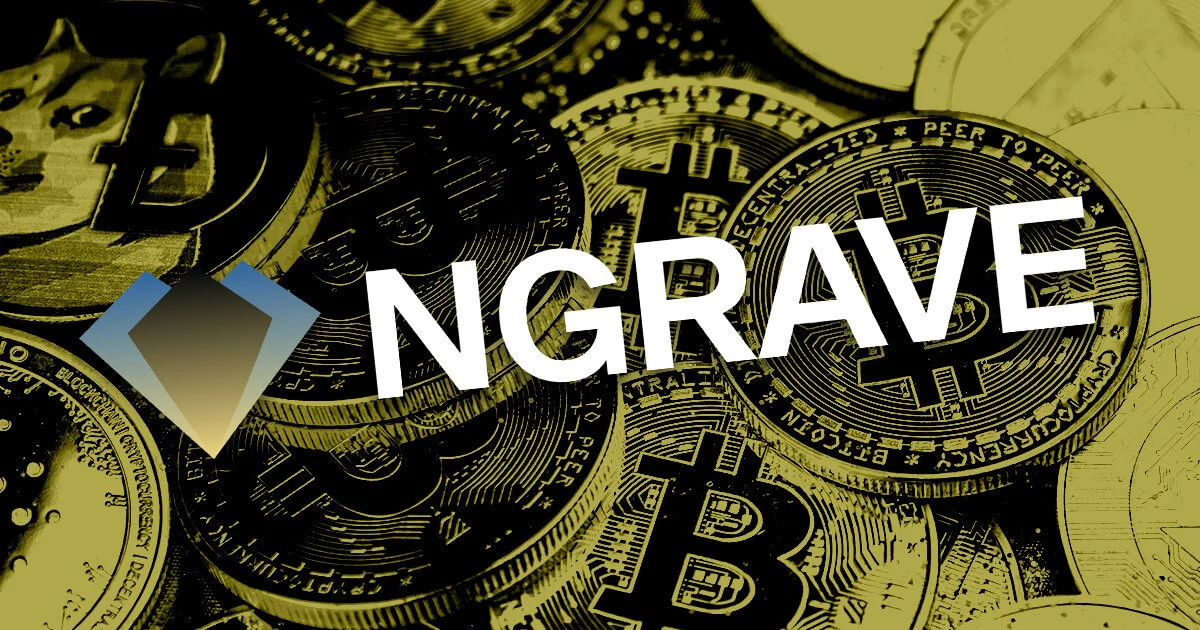
Hardware wallet manufacturer NGRAVE has officially launched its third annual Security Self-Audit, a strategic initiative designed to empower cryptocurrency holders to evaluate and fortify their digital asset protection strategies. This launch comes at a pivotal moment for the blockchain industry, following a year of unprecedented security breaches and systemic failures that have fundamentally altered the investor perception of asset custody. By providing a free, anonymous tool for self-assessment, NGRAVE aims to bridge the gap between technical security capabilities and user-end practices, which remain the most significant vulnerability in the decentralized finance ecosystem.
The State of Global Crypto Security: A 2022 Retrospective
The necessity for NGRAVE’s Security Self-Audit is underscored by the sobering statistics of the previous calendar year. According to data from blockchain analytics firm Chainalysis, 2022 was the most prolific year on record for cryptocurrency theft, with hackers successfully siphoning approximately $3.8 billion from various platforms and individual wallets. This figure represents a significant increase from the $3.3 billion stolen in 2021, despite the broader market downturn that characterized the "crypto winter."
The anatomy of these thefts reveals a shifting landscape of risk. While centralized exchange hacks were once the primary concern, the majority of stolen funds in 2022—approximately 82%—were attributed to exploits within Decentralized Finance (DeFi) protocols. Specifically, cross-chain bridge vulnerabilities accounted for a staggering $2 billion of the total losses. However, beyond these large-scale institutional exploits, individual user errors and "drained wallets" resulting from phishing or poor private key management continue to account for a massive, though often underreported, volume of total losses.
The NGRAVE Security Self-Audit Framework
For the third consecutive year, NGRAVE is positioning its Security Self-Audit as a proactive educational tool rather than a mere marketing exercise. The audit is structured as a four-minute, anonymous survey that probes the user’s current security habits without requiring the disclosure of sensitive personal information or wallet addresses.
The primary objective of the survey is to identify common "blind spots" in personal security. These include:
- Seed Phrase Management: Assessing how and where users store their 12 or 24-word recovery phrases.
- Device Connectivity: Evaluating the frequency with which users connect their wallets to decentralized applications (dApps) and the risks associated with "hot" versus "cold" storage.
- Physical Security: Investigating the resilience of backup solutions against environmental hazards like fire, water, or physical theft.
- Operational Security (OpSec): Analyzing the use of multi-factor authentication (MFA), secure email providers, and the avoidance of social engineering tactics.
Upon completion of the audit, the platform generates a customized security profile for the user, offering actionable advice and best practices tailored to their specific risk level. This feedback loop is designed to transform the audit from a static assessment into an active learning experience.
Strategic Incentives and Industry Partnerships
To drive participation and foster a culture of security awareness, NGRAVE has curated a selection of high-value prizes for audit participants. The distribution of these prizes is scheduled for March 2023, with 23 winners selected through a random draw. The incentive package includes:
- The NGRAVE Combo Set: This includes the "ZERO," the world’s first EAL7-certified hardware wallet, and the "GRAPHENE," a stainless steel, fire-resistant, and tamper-proof backup solution for seed phrases.
- Efani Yearly Mobile Plans: A partnership with Efani, a secure mobile provider that offers protection against SIM-swapping attacks—a common method used by hackers to bypass two-factor authentication on centralized exchanges.
- DieFi Platinum Accounts: Access to digital inheritance and recovery services, ensuring that assets can be safely passed to heirs or recovered in the event of an emergency without compromising the security of the private keys.
These partnerships highlight a holistic approach to security, recognizing that protecting digital assets requires more than just a hardware device; it requires a secure mobile environment and a long-term plan for asset continuity.
A Chronology of Increasing Vulnerability
The rise of the NGRAVE Security Self-Audit can be viewed through the lens of a decade-long escalation in crypto-related crime.
- 2014: The collapse of Mt. Gox highlighted the dangers of centralized custody, leading to the first major push for "Not your keys, not your coins."
- 2016-2018: The ICO boom introduced a wave of inexperienced investors, leading to widespread losses through simple phishing scams and fraudulent wallet software.
- 2019: NGRAVE was founded in Belgium, specifically targeting the security flaws found in existing hardware wallets, such as USB and Bluetooth vulnerabilities.
- 2021: The "DeFi Summer" created new attack vectors in smart contracts, leading to the first $3 billion+ year for crypto theft.
- 2022: The collapse of FTX and Celsius served as a catalyst for a massive migration toward self-custody solutions. Hardware wallet manufacturers reported record sales in the fourth quarter of 2022 as users fled centralized platforms.
NGRAVE’s decision to continue the audit into its third year reflects a commitment to this post-FTX reality, where individual responsibility has become the cornerstone of the industry.
Technical Analysis: Why Self-Auditing Matters
The technical complexity of blockchain technology often creates a false sense of security among users who believe the "immutability" of the ledger protects their assets. In reality, while the blockchain itself is secure, the interfaces used to interact with it are not.
Most "hacks" reported by individuals are not breaches of the blockchain protocol but rather compromises of the "signing environment." When a user interacts with a malicious smart contract or unknowingly reveals their seed phrase, they are effectively authorizing the transfer of their own funds.
The NGRAVE audit addresses the "Security Triangle" of digital assets:
- Security: Is the private key generated and stored in a truly isolated environment (Air-gapped)?
- Usability: Can the user sign transactions without exposing themselves to errors?
- Recoverability: If the hardware device is lost, does the user have a backup that is more durable than a piece of paper?
By forcing users to confront these questions, the audit mitigates the "human error" factor, which security experts agree is the cause of over 90% of individual crypto losses.
Broader Impact and Implications for the Industry
The move toward self-auditing and enhanced user education has broader implications for the mass adoption of digital assets. Regulatory bodies in the United States and Europe have increasingly scrutinized the lack of consumer protections in the crypto space. Initiatives like NGRAVE’s self-audit demonstrate a self-regulatory impulse within the industry, suggesting that private sector education can complement—or even precede—governmental oversight.
Furthermore, as institutional investors enter the space, the demand for high-grade security solutions like those offered by NGRAVE is expected to grow. The EAL7 (Evaluation Assurance Level) certification of the NGRAVE ZERO is a significant benchmark, representing the highest security level in the world for such devices. For comparison, most traditional banking systems and competing hardware wallets operate at EAL5 or EAL6.
Conclusion and Future Outlook
As the cryptocurrency market prepares for its next cycle, the lessons of 2022 remain fresh. The record-breaking $3.8 billion in stolen funds serves as a permanent reminder that in a decentralized world, the burden of security lies solely with the individual.
The NGRAVE Security Self-Audit is more than a survey; it is a call to action for the global crypto community to adopt a "zero-trust" mentality. By incentivizing education through high-tier security hardware and services, NGRAVE is attempting to raise the collective "security IQ" of the market.
Participants have until the end of February to complete the audit and qualify for the March prize distribution. Regardless of the prizes, the primary reward for participants is the data-driven insight into their own financial safety—an essential asset in an industry where one mistake can lead to the permanent loss of generational wealth. As the industry evolves, the integration of hardware security, secure telecommunications, and digital inheritance plans will likely become the standard for any serious participant in the digital economy.