admin
admin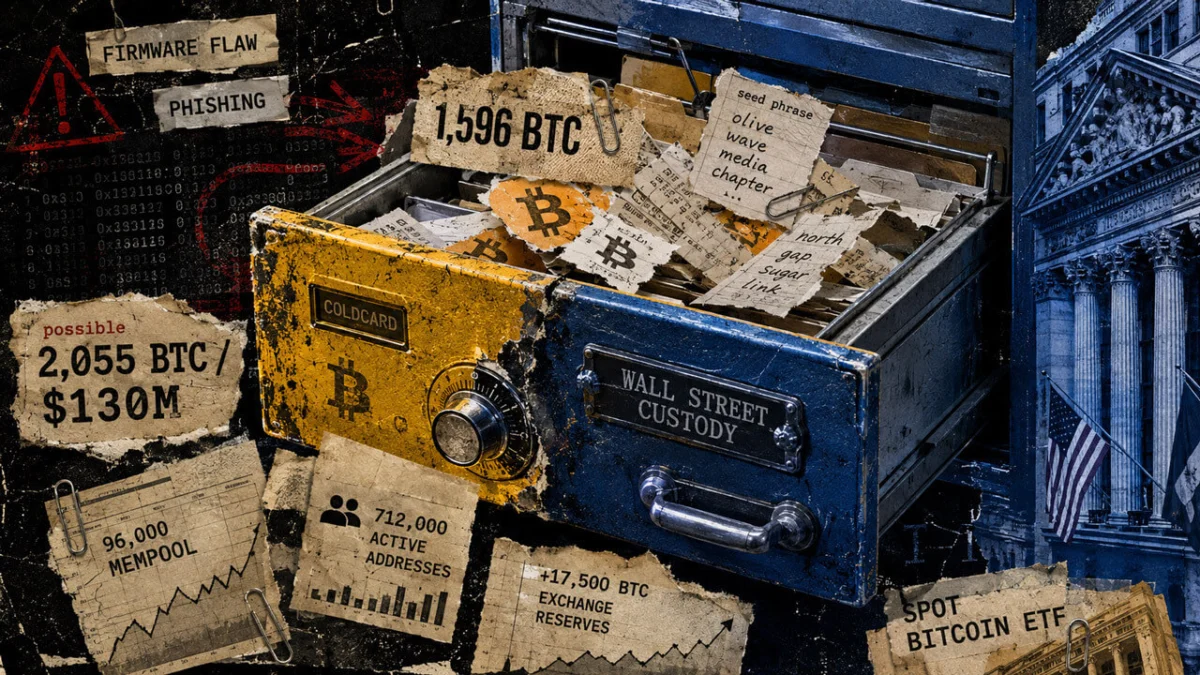
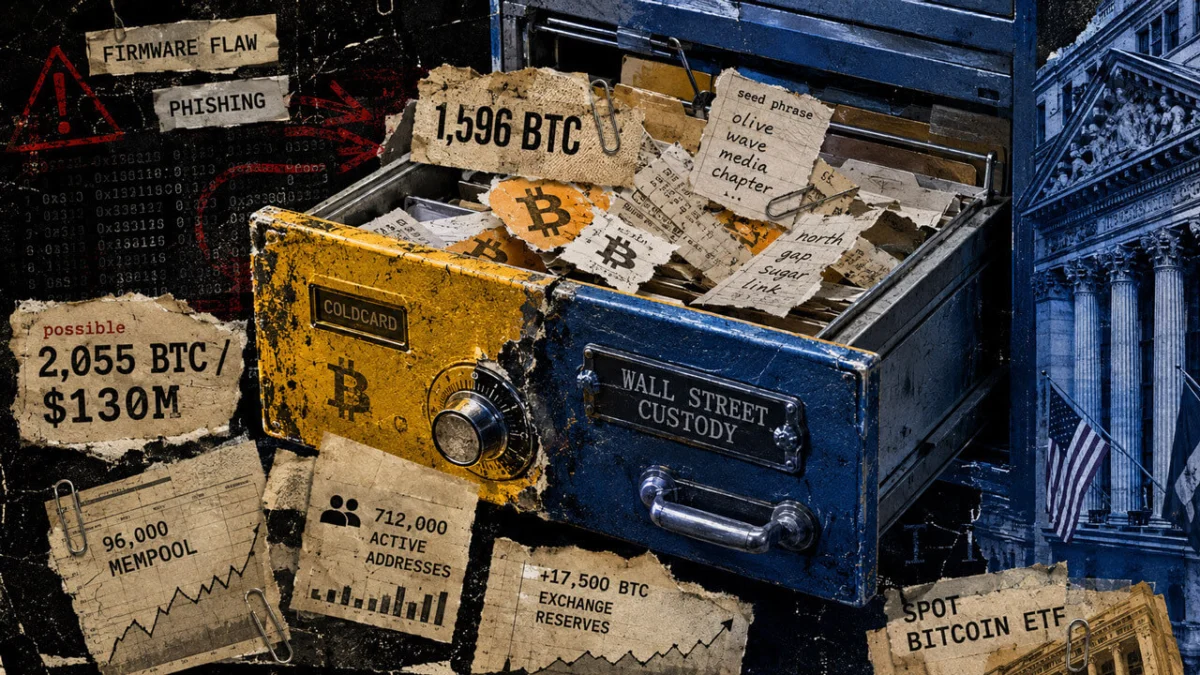
The cryptocurrency world is grappling with a significant security breach following the revelation of a vulnerability in the Coldcard hardware wallet, a device widely trusted for safeguarding digital assets. This exploit has resulted in the theft of approximately 1,596 Bitcoin (BTC), currently valued at around $130 million, impacting an estimated 7,300 addresses. As users scramble to secure their funds, the incident has sent ripples across the Bitcoin network, driving activity to multi-month highs and sparking renewed debate about cryptocurrency custody solutions.
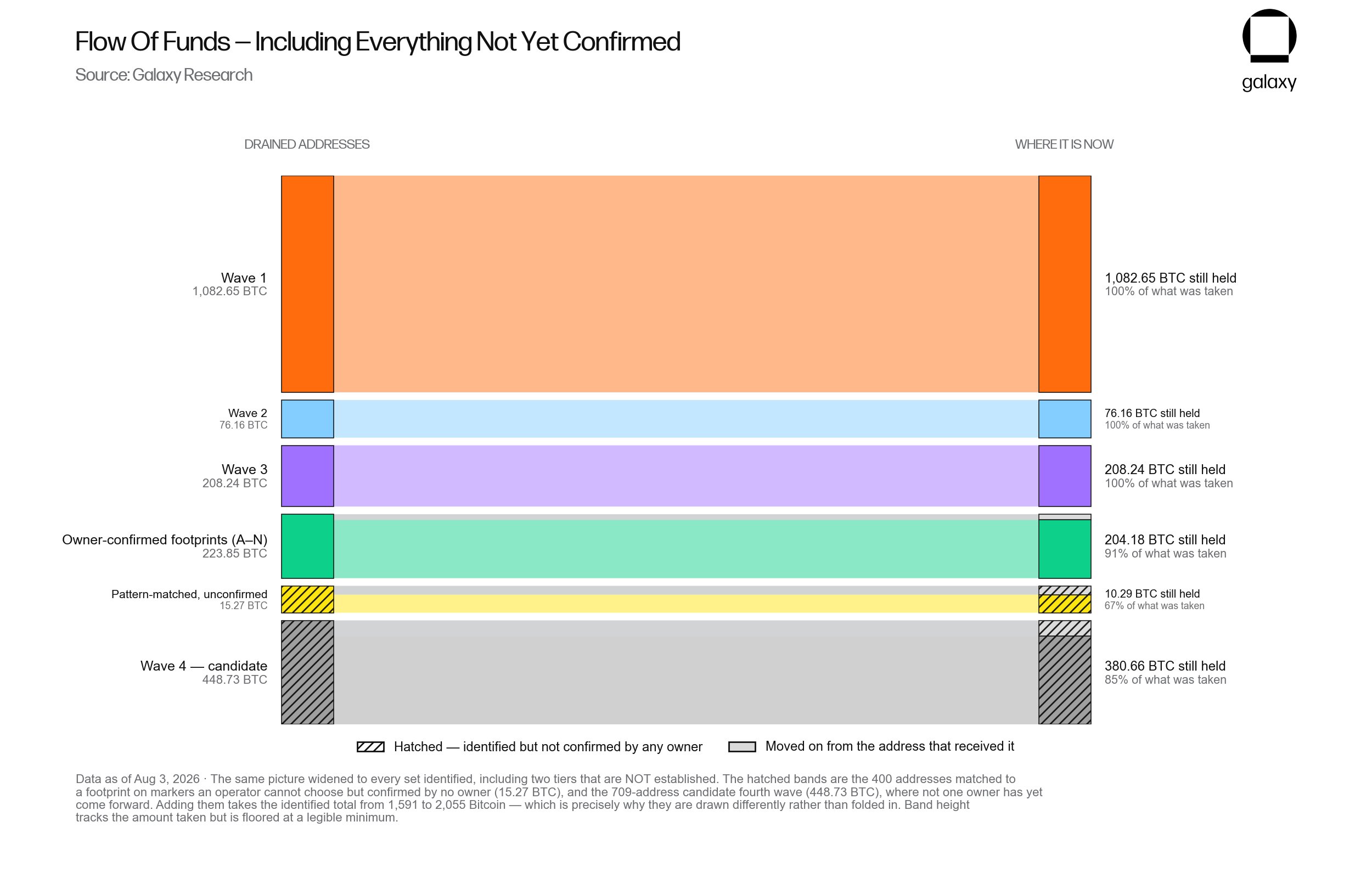
The crisis, which primarily affects wallets whose recovery seeds were generated using a flawed firmware version dating back to March 2021, has prompted a widespread migration of funds. Galaxy Research, a prominent analytics firm, has been instrumental in tracking the fallout, confirming losses from three major attack waves and 14 smaller incidents. Their analysis indicates a potential fourth wave that could elevate the total Bitcoin lost to 2,055 BTC, pending further victim reports. Alex Thorn, Head of Research at Galaxy, has personally engaged with over 73 victims seeking assistance in tracing their stolen Bitcoin, a process that has helped identify at least 15 distinct attackers exploiting the vulnerability.
Unraveling the Coldcard Vulnerability
At the heart of the crisis lies a subtle yet critical coding error within older versions of Coldcard’s firmware. This flaw caused certain devices to generate recovery seeds using a less secure software-based random number generation process, instead of adequately relying on the device’s hardware-based random number generator. The consequence was that some generated recovery seeds possessed significantly fewer possible combinations than anticipated. This weakness, while seemingly technical, provided attackers with a critical opening. By analyzing these compromised seeds, malicious actors could potentially reconstruct the private keys associated with affected wallets remotely, without ever needing physical access to the Coldcard device or obtaining the owner’s recovery words.

Coinkite, the manufacturer of Coldcard, has been proactive in urging users to update their firmware to the latest version, which rectifies the seed generation process, and to create entirely new recovery seeds. However, the critical point is that updating the firmware does not retroactively secure wallets whose recovery phrases were already compromised during the flawed generation process. These wallets remain vulnerable until the entirety of their funds are transferred to a new address derived from a securely generated seed. This ongoing exposure has fueled the urgency among affected users.
A Wave of Migration and Network Congestion
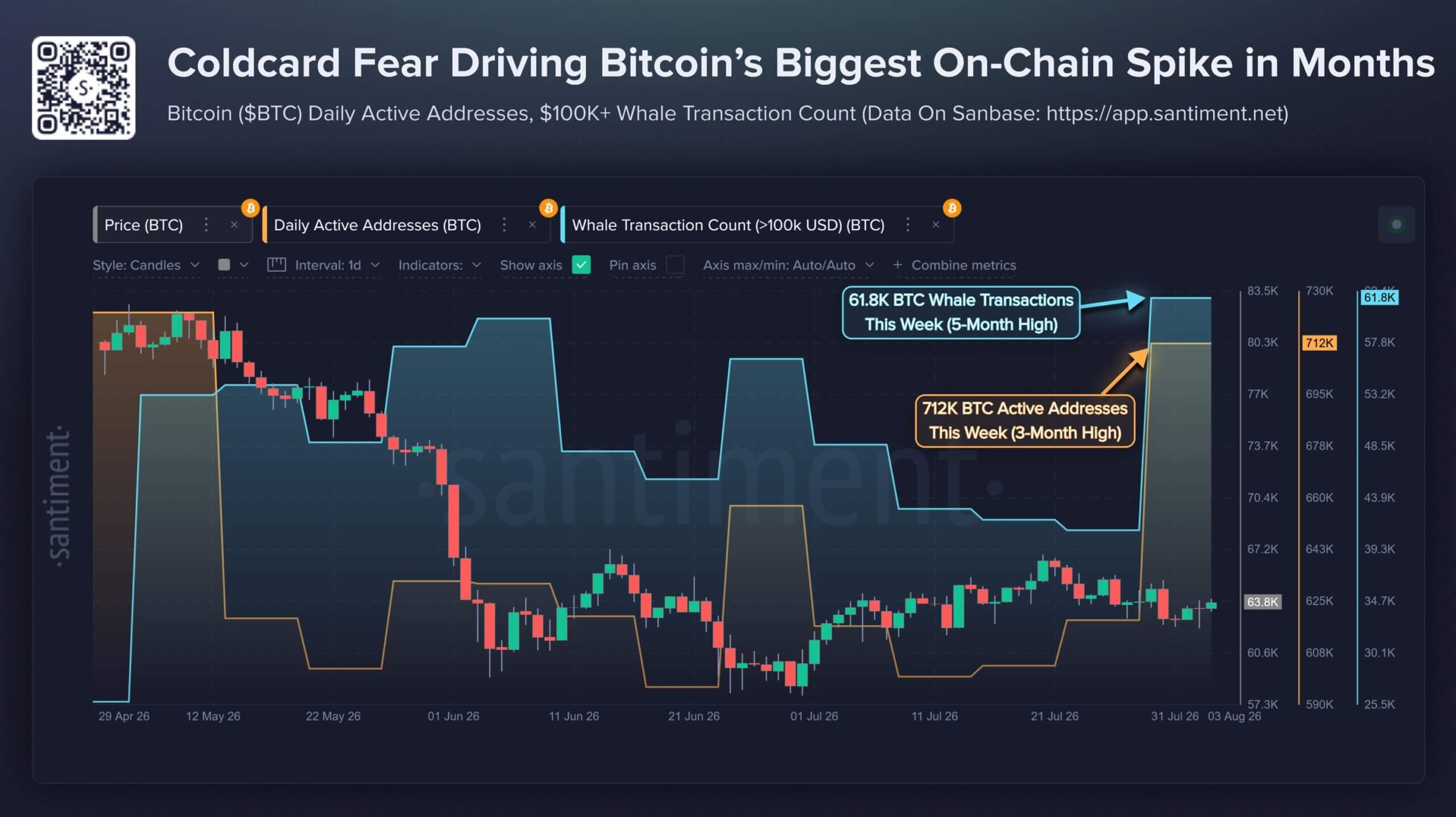
The fallout from the Coldcard exploit has manifested dramatically on the Bitcoin network itself. The imperative for affected users to move their Bitcoin has led to a surge in on-chain activity, pushing metrics to levels not observed in several months. Data from Santiment, a cryptocurrency analytics platform, revealed a seven-day average of 712,000 active Bitcoin addresses, the highest in three months. Concurrently, the number of transactions exceeding $100,000 reached 61,800 in the same period, marking a five-month peak.
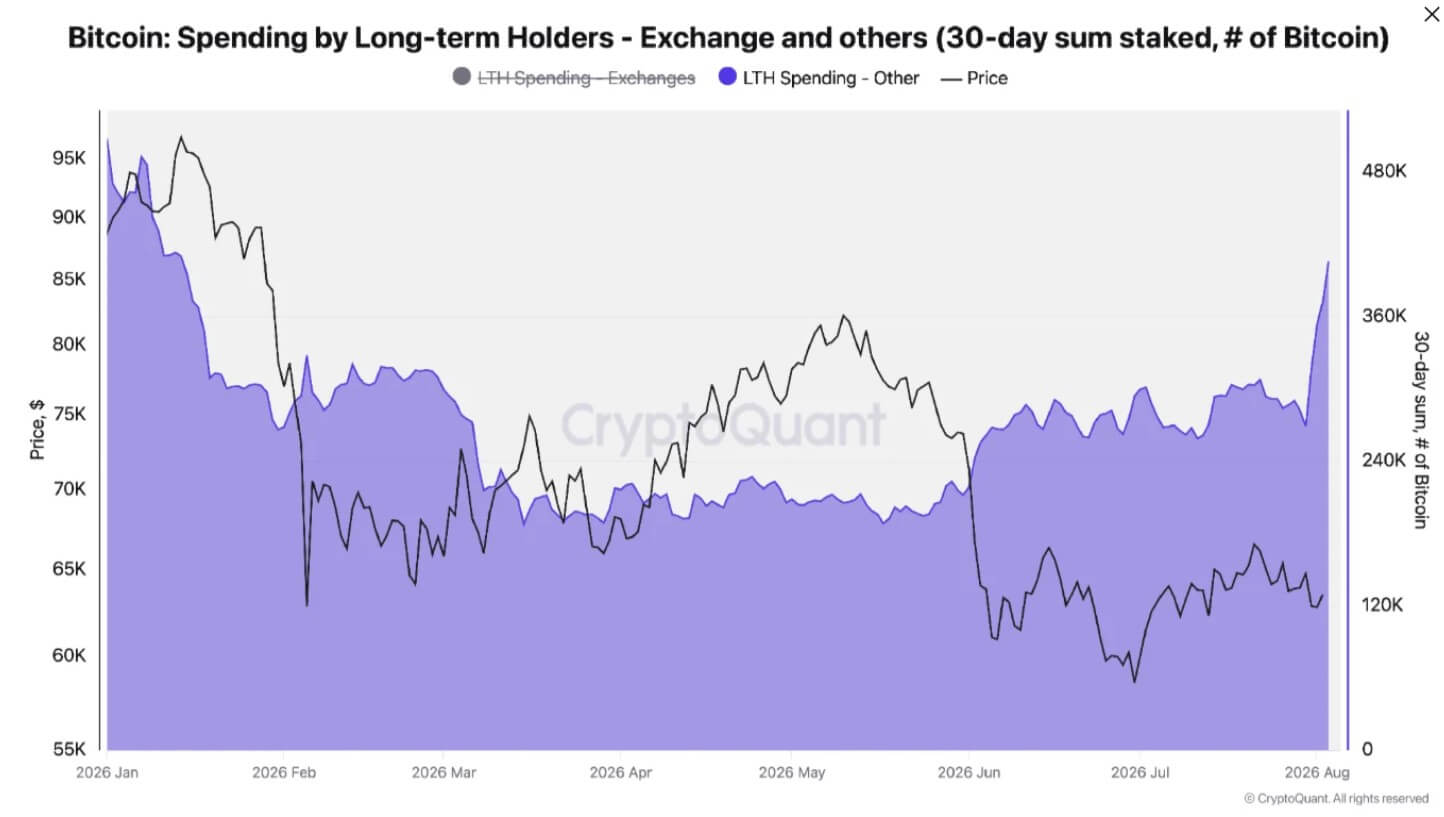
CryptoQuant, another key analytics firm, has identified the Coldcard crisis as the primary catalyst for this heightened network activity. Their analysis indicates that affected users are migrating their coins into newly generated, secure wallets, consolidating existing balances, or, in some cases, transferring funds to custodial platforms. CryptoQuant reported that transactions valued below $100,000 surged to $3.2 billion, an amount not seen since November 2024. Furthermore, the spending activity of long-term holders outside of exchanges saw a significant increase, rising to 406,000 BTC on a 30-day basis as of August 3rd, a substantial jump from 269,000 BTC prior to the exploit and the highest level recorded since January.
It is crucial to note that this increased spending activity by long-term holders does not necessarily equate to selling. When a user transfers Bitcoin from a compromised Coldcard address to a newly secured wallet, this action registers on the blockchain as a spent transaction, even if the ultimate ownership of the funds remains with the same individual. This distinction is vital for understanding the true sentiment of these market movements.
The sheer volume of users attempting to move funds simultaneously has also led to significant network congestion. The number of transactions awaiting confirmation in Bitcoin’s mempool, the waiting area for unconfirmed transactions, escalated from approximately 33,000 to around 96,000. This represents the highest level of congestion since June 20th, underscoring the scale of the urgent migration efforts.
Exchange Inflows and the Shadow of Phishing
A portion of the Bitcoin migrating from vulnerable Coldcard wallets has found its way to centralized exchanges. CryptoQuant data indicates that deposits from smaller holders reached their highest point since February 6th. This trend suggests that some users are opting for immediate safekeeping on exchanges while they deliberate their next steps, whether that involves setting up a new self-custody solution or exploring alternative hardware providers.
Between July 28th and August 3rd, total exchange reserves saw an increase of approximately 17,500 BTC, growing from roughly 2.702 million BTC to 2.719 million BTC. Binance, the world’s largest cryptocurrency exchange, absorbed a significant portion of this net increase, receiving about 51%, or approximately 9,000 BTC, bringing its reserves to 659,000 BTC. While these inflows might suggest a shift towards custodial solutions, it’s important to differentiate between temporary custody for migration and a permanent move away from self-custody. Many of these deposits could represent temporary holding arrangements as users secure their assets and prepare to re-establish self-custody.
However, this period of heightened activity and user vulnerability has also created fertile ground for malicious actors. Criminals are actively exploiting the situation by distributing fraudulent migration instructions and impersonating wallet support teams. Scammers are leveraging the complexity of generating new, secure recovery phrases and migrating funds to trick users into divulging their sensitive recovery words or sending their Bitcoin to fraudulent addresses.
Trezor, a competitor in the hardware wallet market, has issued a stark warning regarding a significant increase in phishing attempts following the disclosure of the Coldcard flaw. They are advising users to strictly avoid sharing recovery seeds or entering them into any unsolicited websites, applications, or forms. Trezor emphasizes that recovery words should only be entered directly onto a Trezor device during a legitimate wallet restoration process. They also urge users to disregard any migration instructions received via email, direct messages, or phone calls, and have confirmed that their devices are unaffected by the Coldcard incident. This advisory highlights the precarious tightrope that affected users must walk: securing their funds from attackers while simultaneously guarding against opportunistic scammers.
The Custody Debate Intensified: ETFs as a Potential Haven?
The Coldcard exploit and the subsequent scramble for secure storage have inadvertently reignited the debate surrounding Bitcoin custody solutions, potentially bolstering the case for regulated investment products like spot Bitcoin Exchange-Traded Funds (ETFs).
Eric Balchunas, a senior ETF analyst at Bloomberg Intelligence, has suggested that the Coldcard breach could prompt some investors, including long-term holders, to consider migrating their holdings to spot Bitcoin ETFs. Traditionally, Bitcoin enthusiasts have expressed reservations about ETFs, primarily because investors in these funds do not directly control the underlying coins or private keys. Instead, institutional custodians manage these assets on behalf of the ETFs.
However, Balchunas argues that this arrangement might now appear more appealing when contrasted with the perceived risks associated with relying on a smaller hardware wallet manufacturer. He points out that ETF issuers and their custodians are typically large, established financial institutions with extensive experience in safeguarding client assets, offering a different risk profile compared to a smaller company like Coldcard.
While institutional custody does not eliminate the possibility of theft or operational failure, Balchunas posits that a successful attack on an ETF custodian would likely trigger an immediate, comprehensive regulatory investigation. Such an event would likely involve a coordinated response from the fund manager, the custodian, and law enforcement agencies, offering a different level of recourse than a breach of a consumer-grade hardware wallet.
Currently, there is no direct evidence linking the Coldcard exploit to a specific surge in ETF share purchases. Similarly, the increased deposits into centralized exchanges might prove to be a temporary trend as users establish new wallets and transition back to self-custody. Nonetheless, the Coldcard incident has undeniably altered the calculus for investors contemplating the safest place to store their Bitcoin. While self-custody offers independence from financial intermediaries, it places the full burden of security for hardware and software, and the critical generation of private keys, squarely on the user. For individuals now navigating the complex and perilous process of escaping compromised seeds while evading phishing attacks, the institutional framework, once criticized for consolidating power within traditional finance, may present a more straightforward, albeit less decentralized, option. The incident serves as a stark reminder that in the realm of digital assets, the adage "not your keys, not your coins" takes on a profound new meaning when the very device tasked with generating those keys is compromised.