admin
admin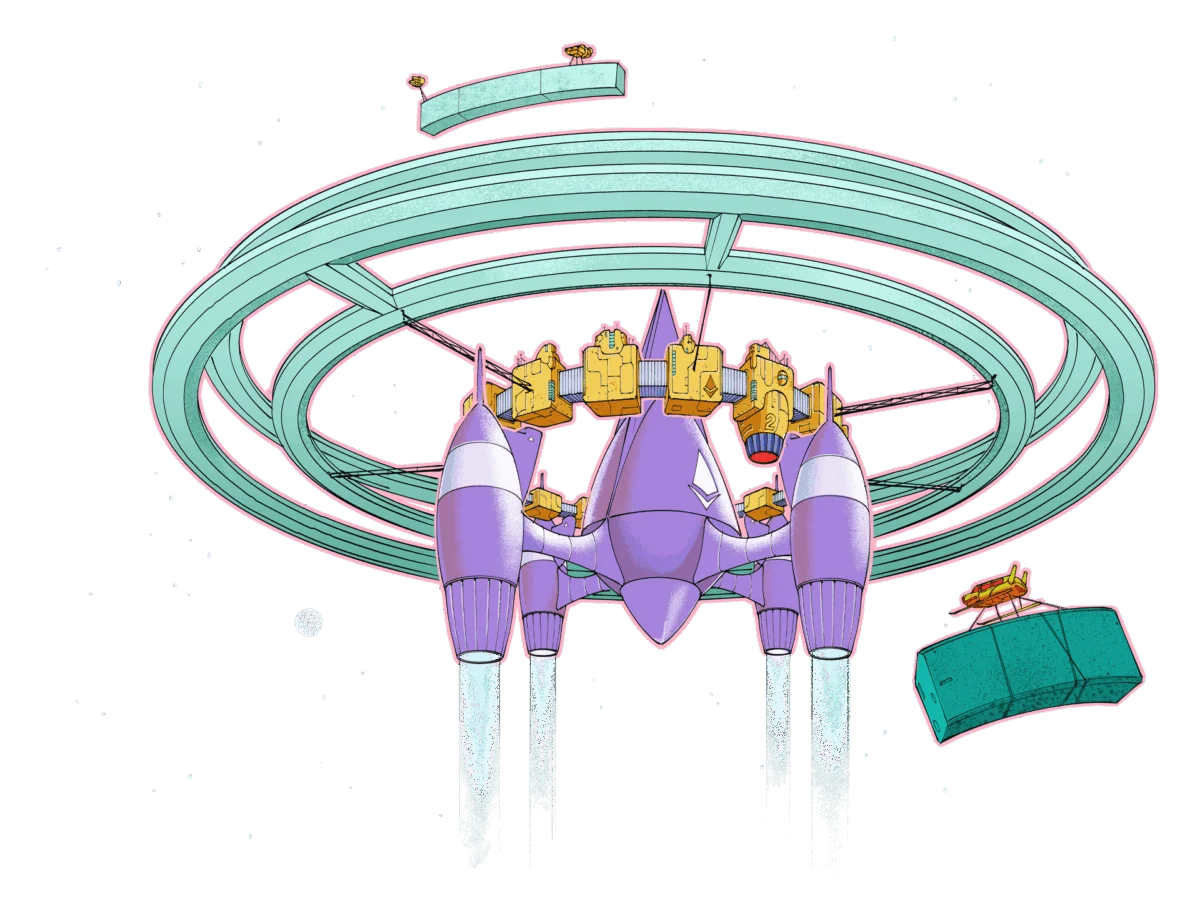
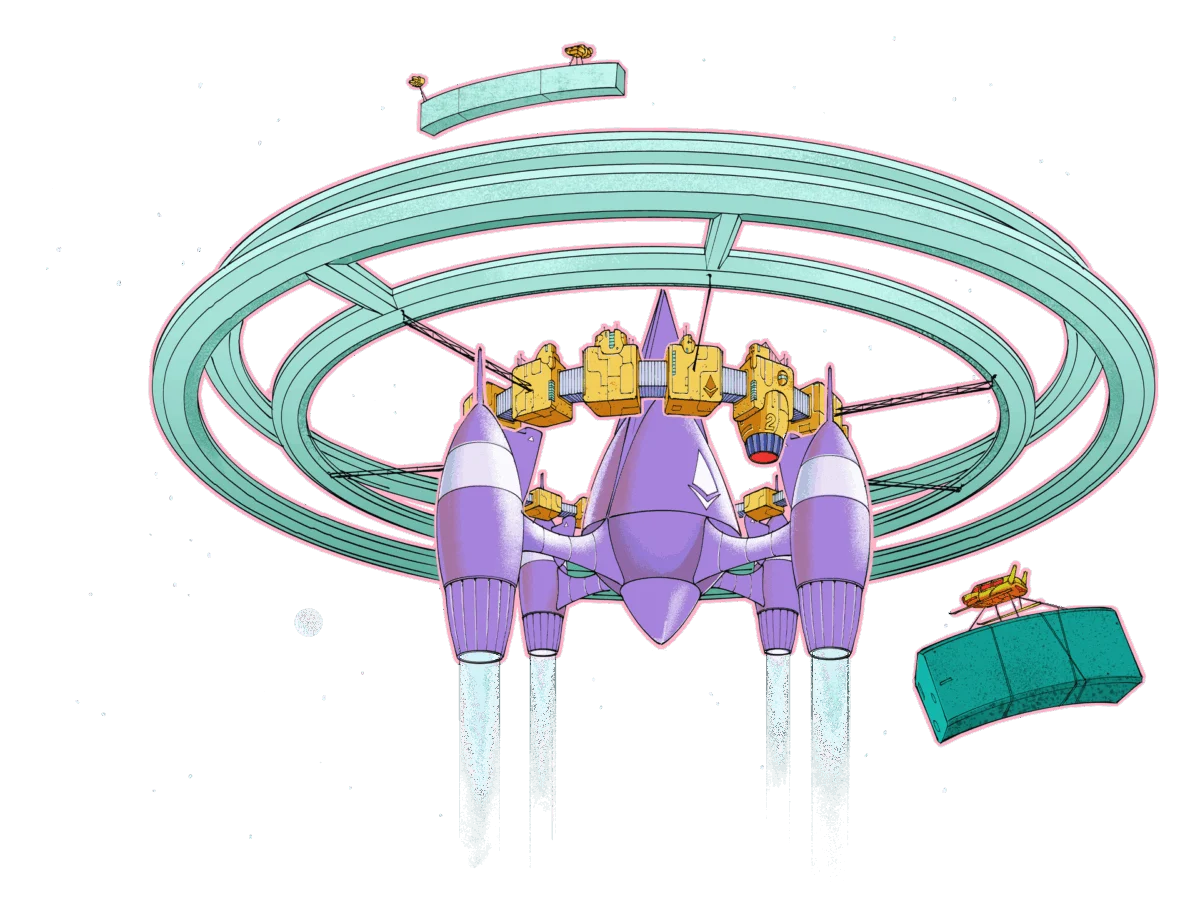
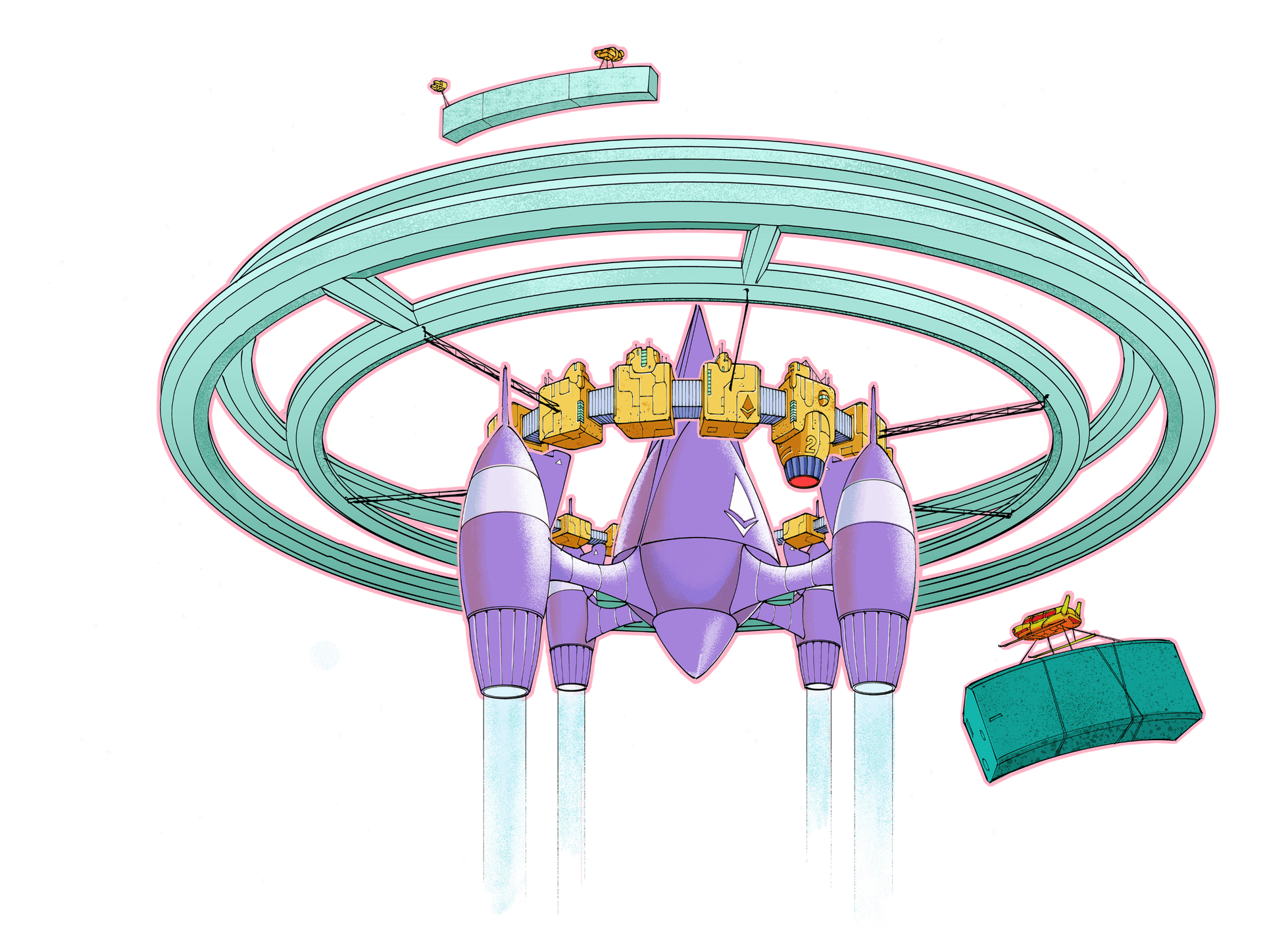
The Ethereum network, currently the second-largest blockchain by market capitalization and the foundational layer for hundreds of billions of dollars in decentralized assets, is preparing for a monumental shift in its underlying architecture. Scheduled for the middle of this year, the transition from a Proof-of-Work (PoW) consensus mechanism to a Proof-of-Stake (PoS) system—commonly referred to as "The Merge"—is a feat of engineering frequently compared to replacing the engine of a commercial airliner while it remains in mid-flight. Because the Ethereum ecosystem serves as the backbone for global decentralized finance (DeFi) and non-fungible tokens (NFTs), the network cannot, under any circumstances, cease the production of valid blocks during this migration.
Unlike the Bitcoin network, which relies on a relatively singular protocol implementation, the Ethereum community, supported by the Ethereum Foundation (EF), has intentionally fostered a multi-client ecosystem. This strategy is designed to ensure that the network does not have a single point of failure. However, as the deadline for The Merge approaches, a significant imbalance in client distribution has emerged, posing a potential "game over" scenario for the blockchain if a major software bug were to occur within the dominant client implementation.

The Architecture of the Merge: A Separation of Duties
The upcoming transition is not a traditional hard fork but a merger between the existing Ethereum mainnet and the Beacon Chain, a PoS ledger that has been running in parallel since December 2020. This merger will fundamentally redefine the roles of the nodes that maintain the network. Currently, Ethereum nodes handle both the execution of smart contracts and the validation of transactions through mining. Post-merge, these responsibilities will be bifurcated into two distinct logical layers: the Execution Layer and the Consensus Layer.
The Execution Layer will continue to host the Ethereum Virtual Machine (EVM), where transactions are processed and smart contracts are triggered. Execution nodes will essentially perform the same functions they do today, but they will no longer be responsible for securing the network through PoW. Instead, they will pass the processed data to the Consensus Layer.
The Consensus Layer, comprised of validator nodes running the Beacon Chain protocol, will take over the responsibility of validating transactions and achieving network-wide agreement. These validator nodes will use the staked ether (ETH) of participants to secure the network, replacing the energy-intensive mining process. This separation of duties is intended to enhance the robustness of the network by isolating different functional requirements into specialized software layers.
The Critical Thresholds of Client Diversity
The primary motivation for developing multiple versions of client software—written in different programming languages like Go, Rust, and Java—is to prevent a single bug from paralyzing the entire network. In a perfectly diverse ecosystem, a vulnerability in one client would only affect a minority of nodes, allowing the rest of the network to continue operating normally while a fix is deployed.
However, the safety of this model depends entirely on the distribution of "staking power" across these clients. The Ethereum protocol operates on specific mathematical thresholds that determine the severity of a software failure:
- Less than 33% Share: If a client with less than one-third of the network’s staking power suffers a critical bug, the network continues to function without interruption. The affected nodes may be penalized, but the blockchain remains stable.
- Between 33% and 50% Share: A bug in a client holding this share of the network would prevent the blockchain from reaching "finality"—the point at which a block is considered permanent. While the network would stay live, the lack of finality would cause significant concern for exchanges and high-value transactions.
- Greater than 50% Share: If a client used by more than half the network fails, the network may experience significant forks and complications, requiring manual intervention and potentially causing temporary downtime for users.
- Greater than 66% (Supermajority): This is the "game over" scenario. If a client with more than two-thirds of the staking power has a bug that causes it to follow an invalid chain, that invalid chain will be finalized. Non-buggy clients would then be faced with a catastrophic choice: either join the buggy, finalized chain or permanently split the network into two separate blockchains.
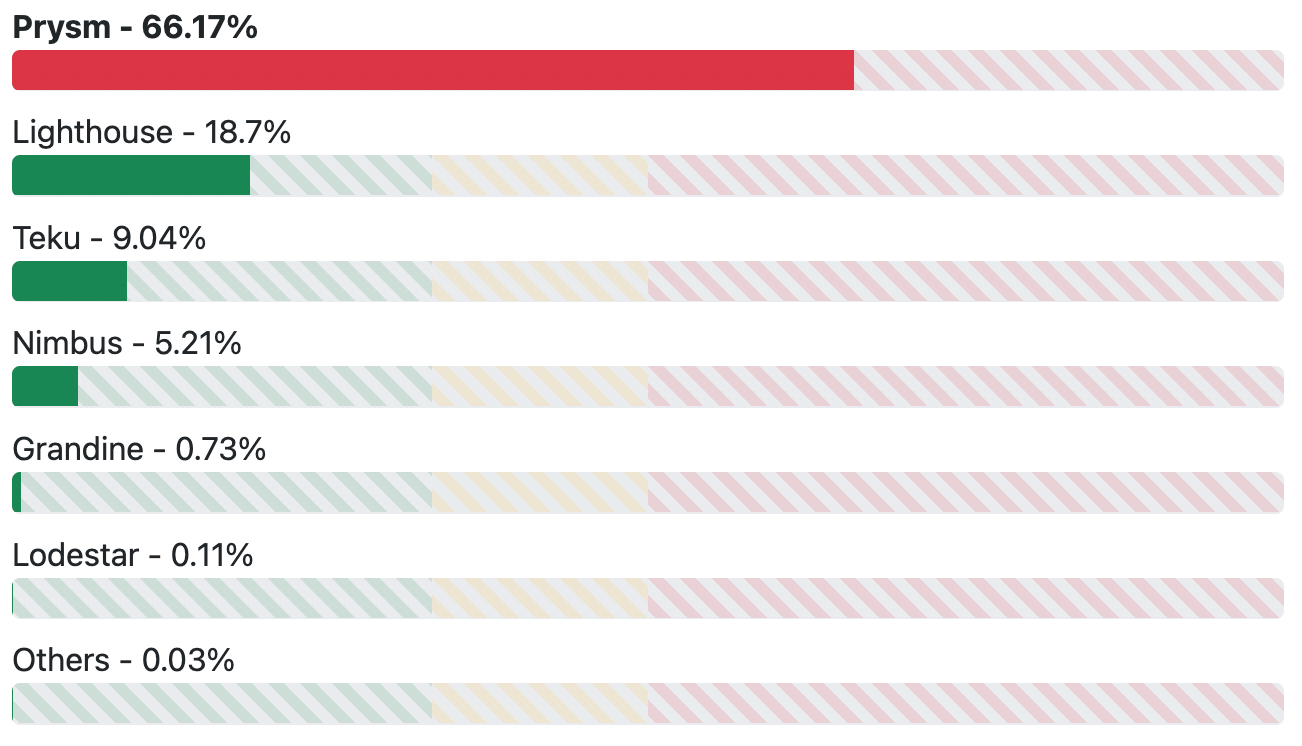
As of early 2022, the Prysm client, developed by Prysmatic Labs, hovers near or above this 66% supermajority threshold. This dominance effectively nullifies the security benefits of having multiple client implementations, as the entire network’s integrity currently rests on the bug-free performance of a single code base.
The Origins of Prysm’s Dominance
The overwhelming market share of Prysm is largely attributed to its first-mover advantage. As the first prototype implementation of a Beacon Chain client, Prysm had the opportunity to mature its codebase, documentation, and user interface long before its competitors.
Marius van der Wijden, an Ethereum core developer working on the Geth (Go-Ethereum) client, notes that the choice of programming language also played a role. Prysm is written in Golang, a language known for being performant yet easy to read. Since Geth—the dominant execution client—is also written in Go, many developers and node operators found Prysm to be the most familiar and auditable choice.
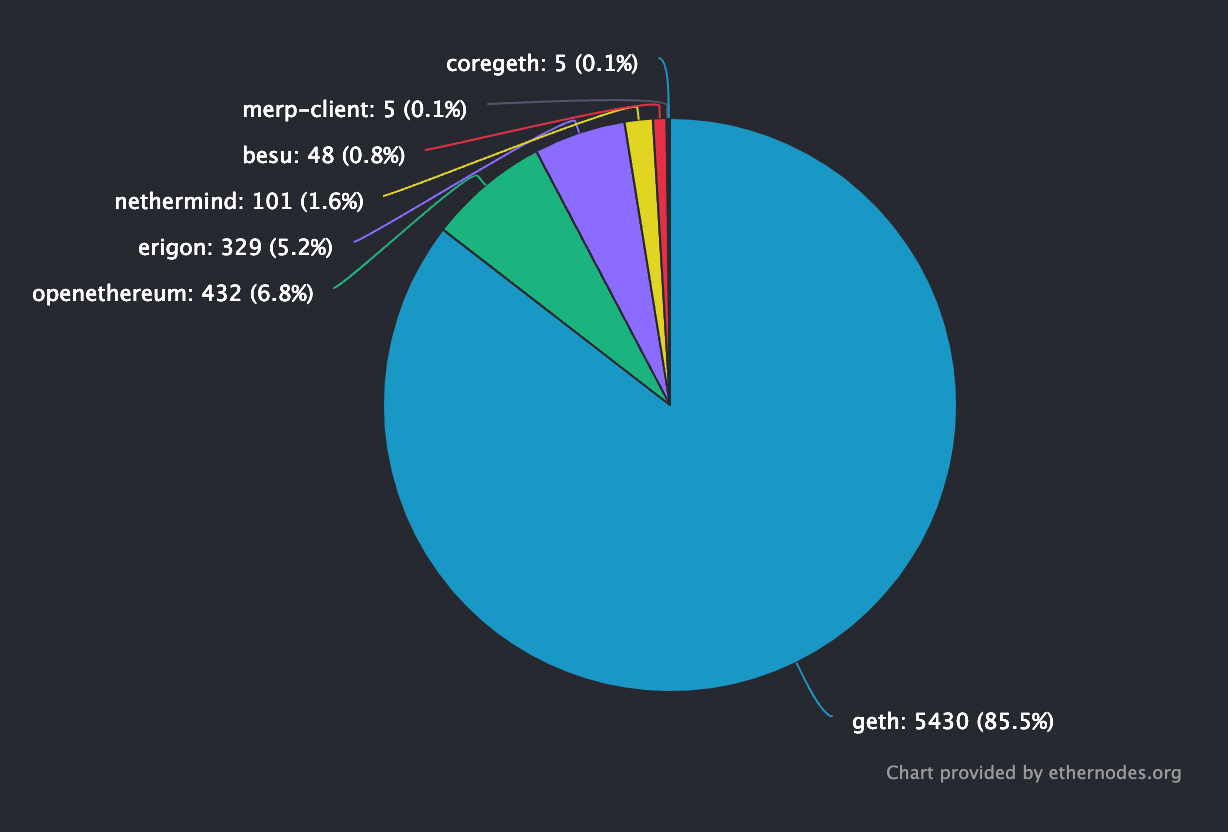
While Geth itself maintains an 85% majority on the Execution Layer, van der Wijden explains that this is less critical post-merge. Execution nodes primarily handle transaction logic, whereas the Consensus Layer clients (like Prysm, Lighthouse, and Teku) provide the actual security and finality of the chain.
Centralized Staking Services and the Diversity Gap
The concentration of staking power is not merely a result of individual hobbyists choosing the same software. It is driven by the massive "staking-as-a-service" providers and centralized exchanges that manage thousands of validator nodes on behalf of their users.
Data indicates that a handful of major players contribute significantly to the Prysm supermajority:
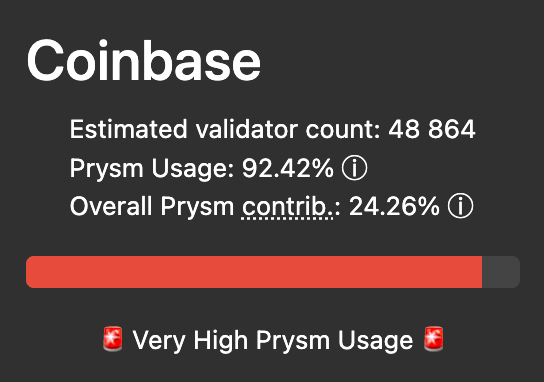
- Coinbase: Manages approximately 17.5% of all validators, with over 92% of those nodes running Prysm.
- Kraken: Controls roughly 11% of the validator pool, with a 94.9% reliance on Prysm.
- Binance: Holds about 8.7% of the validator share, with 76.6% utilizing Prysm.
- Lido: The largest decentralized staking pool, managing 18% of validators, has a more balanced but still significant Prysm usage of 42.8%.
When questioned about their reliance on a single client, these organizations often cite security and stability. Coinbase, for instance, noted that when they launched their staking services, Prysm was the only viable client that supported "remote signers." This feature allows validators to store private keys in isolated, secure environments rather than on the validator server itself, which is a non-negotiable security requirement for a multi-billion dollar custodian.
Chronology of the Transition
The road to The Merge has been a multi-year journey characterized by rigorous testing and incremental upgrades:
- December 2020: The Beacon Chain launches, introducing the PoS consensus layer without affecting the main Ethereum PoW chain.
- April 2021: The Berlin Upgrade optimizes gas costs and enhances security.
- August 2021: The London Upgrade introduces EIP-1559, fundamentally changing Ethereum’s fee market and introducing a burn mechanism for ETH.
- October 2021: The Altair Upgrade provides the first scheduled update to the Beacon Chain.
- Early 2022: The Kintsugi and Kiln testnets successfully simulate the merger of the execution and consensus layers.
- Mid-2022 (Projected): The official Merge on the Ethereum mainnet.
Official Responses and Mitigation Efforts
The Ethereum Foundation and core developers are acutely aware of the risks posed by Prysm’s dominance. Ongoing discussions are being held with major exchanges and staking pools to encourage a shift toward minority clients like Lighthouse, Teku, and Nimbus.
Kraken has already begun responding to these concerns. Brian Hoffman, Senior Product Manager at Kraken, confirmed that the exchange has started rolling out new validators built on the Teku client and is migrating existing ones to increase resilience. Similarly, Coinbase Cloud has worked with the Lighthouse team to implement the remote signing features necessary for their security protocols.
Marius van der Wijden emphasizes that switching clients is a straightforward process for most operators, involving a brief downtime (typically around seven minutes) to ensure no "double-signing" occurs, which would lead to slashing penalties. He remains optimistic about the transition, stating that the Ethereum community has a "strong consensus" that they will not bail out stakers who run a majority client if that client causes a network failure. This "social slashing" serves as a powerful financial incentive for large-scale stakers to diversify their infrastructure before The Merge occurs.
Broader Implications for the Industry
The outcome of The Merge and the resolution of the client diversity issue will have profound implications for the broader cryptocurrency industry. If successful, Ethereum will reduce its energy consumption by over 99.9%, addressing one of the primary criticisms of blockchain technology. Furthermore, the shift to PoS is expected to reduce the issuance of new ETH, potentially making the asset deflationary.
However, the current situation serves as a stark reminder of the challenges of decentralization in a maturing market. The irony that "security-focused" decisions by exchanges led to a "systemic risk" for the entire network highlights the delicate balance required to maintain a global, permissionless blockchain. As the middle of the year approaches, the eyes of the financial world will be on Ethereum’s developers and major stakers to see if they can balance the scales of diversity before the "airplane engine" is swapped for good.