admin
admin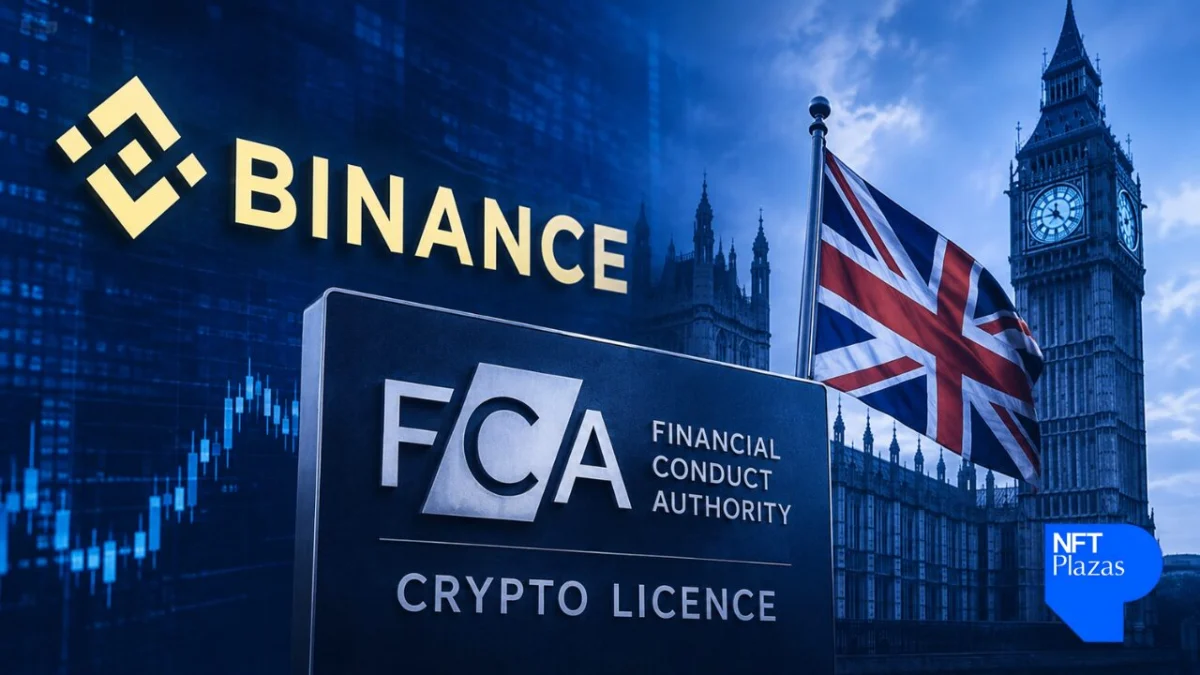
Binance, the world’s largest cryptocurrency exchange by trading volume, is reportedly poised to make a significant move to re-enter the United Kingdom market, with plans to apply for a cryptoasset licence from the Financial Conduct Authority (FCA) when the application window opens next month. This strategic endeavour marks a pivotal moment for Binance, five years after the UK’s financial watchdog effectively barred its British entity from conducting regulated activities and as the nation prepares to roll out a more stringent regulatory framework for digital assets. The FCA is scheduled to commence accepting applications for its new cryptoasset regime on September 30, 2026, with the submission period concluding on February 28, 2027. The comprehensive new regulatory framework is then set to become fully operational on October 25, 2027. For Binance, securing this approval would signify a crucial step towards re-establishing a formal, regulated presence in one of Europe’s most influential financial centres, following a period fraught with regulatory challenges globally.
Binance’s history with the UK’s Financial Conduct Authority has been notably contentious, marked by a series of escalating actions from the regulator. The relationship began to deteriorate sharply in June 2021 when the FCA issued a consumer warning and subsequently ordered Binance Markets Limited, the exchange’s UK-based subsidiary, to cease all regulated activities in Britain without explicit prior written consent. The regulator expressed profound concerns regarding its inability to effectively supervise Binance, particularly citing the complexity and opacity of the wider Binance Group’s global structure. This prohibition meant that Binance Markets Limited was not permitted to undertake any regulated activities in the UK, a decision that sent ripples through the crypto community and highlighted the FCA’s increasingly assertive stance on digital asset oversight.
The implications of the FCA’s 2021 directive were far-reaching. The regulator explicitly stated that it could not be satisfied that Binance Markets Limited, or indeed the broader Binance Group, was capable of being effectively supervised. This assessment underscored fundamental issues related to corporate governance, anti-money laundering (AML) controls, and the overall transparency of Binance’s global operations. In May 2023, following ongoing regulatory pressure and internal strategic realignments, Binance Markets Limited formally withdrew its UK permissions. At that time, the FCA reiterated that no other entity within the Binance ecosystem held authorisation or registration to conduct any regulated business in Britain, effectively solidifying the exchange’s informal status within the market. Despite these prohibitions, Binance continued to serve existing British customers from its overseas operations, a practice common among global crypto exchanges prior to the introduction of stricter geographical regulations.
Further tightening the screws, October 2023 saw the FCA impose additional restrictions, this time targeting firms approving crypto financial promotions. Binance was directly impacted, leading it to cease accepting new UK customers, although existing users were still permitted to continue trading on the platform. This series of events effectively relegated Binance to a limited and increasingly precarious position within the UK market. The forthcoming application for a full cryptoasset licence, therefore, represents a decisive and deliberate fresh attempt by Binance to mend its relationship with the UK regulator and establish a fully compliant, formal presence within the jurisdiction. It signals a significant shift in strategy, moving away from an ad-hoc, overseas-based service model to one deeply integrated within the UK’s impending regulatory framework.
The United Kingdom’s new crypto regime, set to be implemented through the robust framework of the Financial Services and Markets Act 2000 (FSMA), will usher in a transformative era for digital asset businesses. This new regulatory architecture mandates that any firm conducting regulated cryptoasset activities will require formal authorisation from the FCA, a stark departure from the previous, less comprehensive anti-money laundering (AML) registration system. Crucially, existing registrations under the current AML regime will not automatically transfer to the new system, meaning all entities, including those with prior informal presences, will need to undergo a rigorous and comprehensive re-application process. This "clean slate" approach ensures that all market participants meet the elevated standards of the new framework from the outset.
Prospective applicants, including Binance, will be subjected to an exhaustive evaluation process, necessitating a compelling demonstration of their adherence to stringent requirements across multiple critical domains. These include robust corporate governance structures, adequate financial resources to absorb potential shocks, demonstrable operational resilience against cyber threats and system failures, comprehensive consumer protection measures, and steadfast commitments to market integrity. Beyond institutional compliance, the new regime places significant emphasis on individual accountability. Senior managers within applying firms will undergo rigorous assessment against the FCA’s exacting "fit and proper" standards, scrutinising their competence, capability, honesty, integrity, and financial soundness. This dual-layered scrutiny, encompassing both the corporate entity and its key personnel, is designed to instil a culture of responsibility and ensure leadership is held directly accountable for regulatory compliance.

Binance’s corporate structure, historically a point of contention for the FCA, is expected to be a central issue during the review process. Reports, initially highlighted by The Telegraph, suggest that Binance intends to establish a UK-based board as part of its licence application. This move towards a stronger, locally embedded governance structure is a calculated strategy aimed at providing British regulators with greater oversight of the exchange’s operations and its decision-making processes. Such a measure could potentially address the FCA’s previous concerns about the difficulty in effectively supervising a globally distributed and complex organisation. However, it is imperative to note that the FCA’s 2021 action was not solely confined to Binance’s UK subsidiary; its primary focus was the broader challenge of supervising the entire Binance Group. Therefore, Binance will need to convincingly demonstrate that both its UK-specific operations and its overarching global systems and controls are robust enough to meet the regulator’s elevated expectations for effective oversight and compliance. This will require an unprecedented level of transparency and structural reform from the exchange.
Beyond its past dealings with the FCA, Binance’s application will also inevitably be scrutinised against the backdrop of its significant global compliance record, particularly its recent entanglements in the United States. In November 2023, Binance pleaded guilty to an array of US charges, including severe anti-money laundering (AML) and sanctions violations. This landmark settlement required the company to pay an unprecedented sum exceeding $4.3 billion, representing one of the largest corporate penalties ever imposed within the nascent cryptocurrency industry. The severity of the penalty underscored the gravity of the violations and the US authorities’ determination to enforce financial regulations within the digital asset space.
Adding to the company’s woes, its founder and former CEO, Changpeng Zhao (CZ), also pleaded guilty to violating US anti-money laundering requirements. In a highly publicised legal outcome in 2024, Zhao was sentenced to four months in prison, a rare instance of a high-profile crypto executive facing incarceration for such offences. This comprehensive US settlement triggered a sweeping and fundamental overhaul of Binance’s compliance operations, forcing the exchange to fundamentally restructure its internal controls and risk management frameworks. The global regulatory community, including the FCA, has been closely observing these developments, intensifying their scrutiny of the exchange’s operations worldwide. More recently, reports have surfaced raising questions about whether cryptocurrency transactions potentially linked to sanctioned Iranian networks may have moved through Binance’s platform. While Binance has vehemently rejected allegations that it knowingly facilitated such activities, asserting a "zero tolerance" policy for sanctions violations or unlawful conduct, these issues are highly likely to receive intense attention during the FCA’s review. The exchange’s compliance history, coupled with its ability to demonstrably implement and maintain effective controls against illicit finance, will undoubtedly be a critical determinant in its bid for UK licensure.
The United Kingdom retains its status as a pivotal global financial centre and a significant, albeit evolving, crypto market. Securing an FCA licence would provide Binance with a legitimate, regulated pathway back into Britain, a move that would not only unlock market access but also substantially strengthen its credibility with regulators in other major jurisdictions. This strategic advantage extends beyond mere market entry; it positions Binance to actively compete and influence as Britain continues to develop and refine its formal crypto framework. In a global landscape where regulatory legitimacy is increasingly paramount, an FCA authorisation would serve as a powerful endorsement of Binance’s commitment to compliance and responsible operation.
However, the UK market Binance seeks to re-enter is not the same one it departed several years ago. While still significant, recent data from the FCA indicates a shift in consumer sentiment and engagement with cryptoassets. FCA research showed that 8% of UK adults held cryptoassets in 2025, a noticeable decline from 12% in the previous year. This suggests a potential cooling of widespread consumer interest, even as regulatory expectations and compliance costs have dramatically increased. Consequently, the value proposition of an FCA licence for Binance may extend beyond immediate user acquisition figures. The company has dedicated recent years to pivoting towards a business model heavily predicated on compliance, regulatory approvals, and institutional credibility. An FCA authorisation would serve as a crucial test of whether this ambitious transformation has genuinely convinced a leading global financial regulator. It would validate Binance’s strategic pivot and potentially set a precedent for its engagements with other stringent regulatory bodies worldwide.
The timeline for Binance’s UK comeback attempt is clearly defined and leaves a limited window for the exchange to present its most compelling case. The FCA will officially open its application window on September 30, 2026, and will close it on February 28, 2027. The full, comprehensive regulatory regime is then scheduled to take effect on October 25, 2027. It is crucial to underscore that the submission of an application, however meticulously prepared, does not guarantee approval. Binance must rigorously satisfy all of the FCA’s stringent requirements and demonstrate an unwavering commitment to regulatory standards before it can receive formal permission to operate as a regulated cryptoasset business in Britain.
For Binance, this UK comeback represents more than simply reopening access to a previously restricted market. It is a profound test of its institutional maturity and its ability to fundamentally transform its operational ethos. It is a challenge to convince a regulator that once questioned its very capacity to be supervised, that its governance structures, its compliance systems, and its global operational framework have evolved sufficiently to enable truly effective and robust oversight. Should Binance succeed in navigating this complex regulatory gauntlet, its return to the UK market could easily become one of the most closely observed and scrutinised crypto licensing decisions globally, heralding a new era of digital-asset regulation in Britain and setting a benchmark for regulatory engagement in the broader crypto industry. The outcome will be watched keenly by market participants, regulators, and competitors alike, as it will signal the viability of large, globally integrated crypto exchanges operating within the increasingly stringent confines of established financial jurisdictions.