admin
admin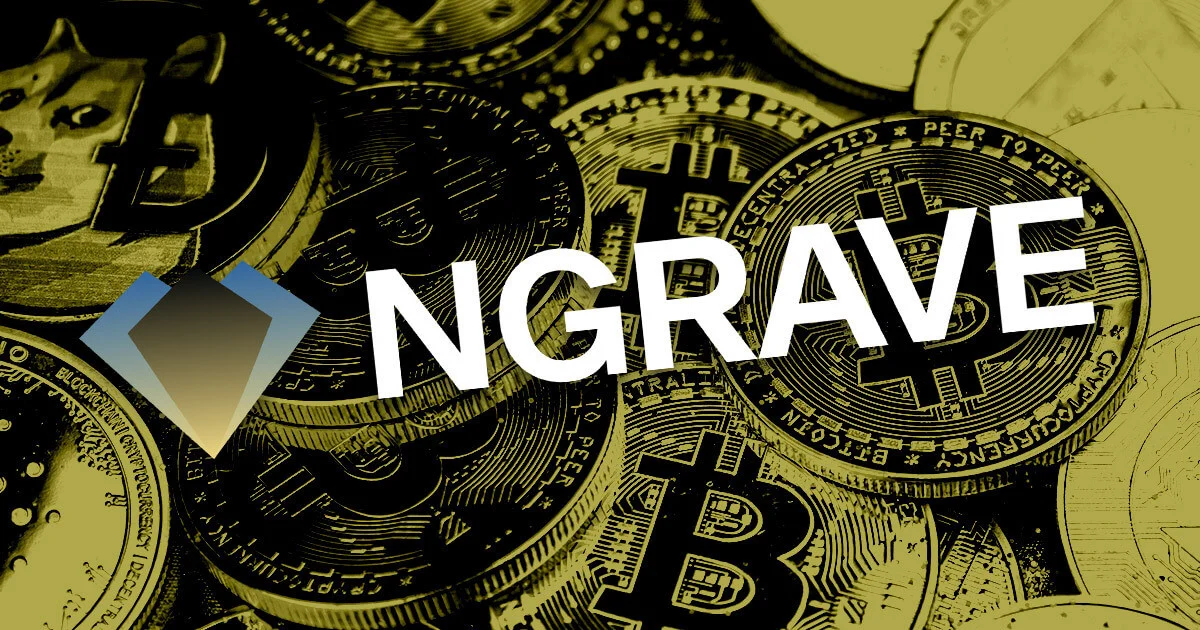
The Escalating Crisis of Cryptocurrency Theft
The necessity for such an audit is underscored by sobering data from the previous calendar year. According to market intelligence from Chainalysis, 2022 stood as a record-breaking year for digital asset theft, with hackers siphoning approximately $3.8 billion from various protocols and individual wallets. This figure represents a significant increase from the $3.3 billion stolen in 2021, indicating that market downturns do not necessarily correlate with a reduction in criminal activity.
A granular analysis of these losses reveals that the vast majority of stolen funds were the result of exploits within Decentralized Finance (DeFi) protocols. Smart contract vulnerabilities accounted for a staggering 82.1% of all cryptocurrency stolen by hackers in 2022. However, individual security lapses—ranging from the mismanagement of private keys to the use of insecure "hot" wallets—remain a primary vector for retail-level losses. The NGRAVE Security Self-Audit specifically targets these individual vulnerabilities, encouraging a shift from reactive recovery to proactive prevention.
Anatomy of the Security Self-Audit
The NGRAVE Security Self-Audit is designed as a four-minute, free, and entirely anonymous survey. This anonymity is a crucial feature, as it allows participants to answer honestly about their security habits without the fear of exposing their identity or the specific contents of their portfolios to a third party. The survey evaluates various facets of a user’s security hygiene, including:
- Storage Methods: Distinguishing between funds held on centralized exchanges, software wallets, and hardware "cold" storage solutions.
- Private Key Management: Assessing how users store their seed phrases and whether they utilize physical backups or digital (and often insecure) alternatives.
- Operational Security (OpSec): Evaluating two-factor authentication (2FA) habits, the use of secure communication channels, and susceptibility to social engineering.
- Transaction Verification: Analyzing whether users utilize "blind signing" or if they have the tools to verify the full details of a transaction before execution.
Upon completion of the audit, the platform generates a customized report providing actionable tips and best practices. These recommendations are tailored to the user’s specific profile, offering a roadmap for transitioning from high-risk storage methods to a more robust, institutional-grade security posture.
A Chronology of Increasing Vulnerability
To understand the importance of the NGRAVE initiative, one must examine the evolution of crypto-security threats over the last several years. The timeline of major exploits highlights a shift in hacker tactics:
- 2020: The DeFi Emergence: As Decentralized Finance gained mainstream traction, hackers began moving away from centralized exchange hacks toward exploiting nascent smart contracts. The industry saw early-stage "flash loan" attacks and liquidity pool drains.
- 2021: Infrastructure Attacks: The focus shifted toward cross-chain bridges and infrastructure vulnerabilities. The Poly Network exploit, which saw $611 million stolen (and later returned), served as a harbinger for the massive bridge collapses to come.
- 2022: The Year of the "Mega-Hack": This year saw the $625 million Ronin Bridge exploit and the $190 million Nomad Bridge hack. Simultaneously, the collapse of major centralized entities like FTX highlighted the "counterparty risk" inherent in not practicing self-custody.
- 2023 and Beyond: The current era is defined by highly targeted phishing campaigns, SIM-swapping, and the use of sophisticated malware designed to intercept clipboard data and replace wallet addresses during transactions.
NGRAVE’s decision to launch the third iteration of its audit reflects this persistent threat environment. By maintaining this annual tradition, the company tracks the evolving literacy of the crypto community regarding security.
The Role of Hardware Wallets in Modern Security
At the heart of the security conversation is the distinction between "hot" and "cold" storage. Software wallets, while convenient, are perpetually connected to the internet, making them vulnerable to remote exploits. In contrast, hardware wallets like the NGRAVE ZERO offer an "air-gapped" solution. This means the device never connects to the internet, Bluetooth, or Wi-Fi, utilizing QR-code communication to sign transactions.
The security implications of this "Cold Storage" philosophy are profound. By keeping private keys entirely offline, users eliminate the risk of remote key extraction. NGRAVE’s hardware also features EAL7 certification—the highest security rating in the industry—surpassing the EAL5+ or EAL6+ ratings found in many competing products. The Self-Audit serves as an educational bridge, helping users understand why such high-level certifications are necessary in a world where "not your keys, not your coins" has become a foundational mantra for survival.
Incentivizing Security Through Strategic Partnerships
Recognizing that education is often more effective when paired with incentives, NGRAVE has partnered with several industry leaders to offer prizes for audit participants. The rewards are strategically chosen to enhance various layers of a user’s digital life:
- The NGRAVE Combo Set: This includes the ZERO hardware wallet and the GRAPHENE backup system. The GRAPHENE is a stainless-steel, fireproof, and waterproof solution for seed phrase storage, addressing the physical vulnerability of paper-based backups.
- Efani Yearly Mobile Plans: SIM-swapping is a prevalent threat where hackers take over a user’s phone number to bypass SMS-based 2FA. Efani provides a secure mobile service specifically designed to prevent such attacks, adding a layer of protection to the user’s primary communication device.
- DieFi Platinum Accounts: One of the often-overlooked aspects of crypto security is "inheritance and recovery." DieFi provides a decentralized way for users to ensure their assets can be recovered by their heirs or themselves in the event of an emergency, without compromising the security of the keys during the user’s lifetime.
These prizes will be distributed to 23 randomly selected participants in March 2023, serving as a catalyst for users who might otherwise procrastinate on updating their security protocols.
Fact-Based Analysis of Market Implications
The launch of the NGRAVE Security Self-Audit represents a broader trend of "professionalization" within the retail crypto sector. Following the high-profile collapses of centralized platforms in 2022, there has been a measurable migration of assets toward self-custody solutions. Data from on-chain analytics providers showed a record spike in exchange outflows following the FTX insolvency, with hardware wallet manufacturers reporting unprecedented demand.
However, the shift to self-custody brings with it a significant burden of personal responsibility. Unlike a traditional bank, there is no "forgot password" button for a blockchain private key. If a user loses their seed phrase or falls victim to a phishing scam, the assets are generally unrecoverable.
The implications of NGRAVE’s initiative are twofold. First, it addresses the "onboarding gap"—the period during which new users hold assets but lack the technical knowledge to secure them properly. Second, it fosters a culture of "security hygiene" that is essential for the long-term viability of the digital asset ecosystem. If the industry cannot solve its security problems, institutional and mass-market adoption will continue to face significant headwinds.
Conclusion and Forward Outlook
As the cryptocurrency market matures, the tools used to protect assets must evolve at a faster pace than the methods used to steal them. The NGRAVE Security Self-Audit is more than just a marketing campaign; it is a diagnostic tool for an industry that has suffered from a lack of standardized safety protocols. By encouraging users to audit their own behaviors, NGRAVE is attempting to reduce the "attack surface" of the entire ecosystem.
The findings from previous audits have often shown that while users are aware of the risks, they frequently take shortcuts for the sake of convenience. The 2023 audit aims to close this gap between awareness and action. As hackers become more methodical, utilizing AI and social engineering to target victims, the importance of cold storage, encrypted backups, and secure mobile connectivity cannot be overstated. For the individual investor, the message from the industry is clear: security is not a one-time setup, but a continuous process of evaluation and improvement. Through initiatives like the Self-Audit, the path to a more secure digital future becomes clearer, one portfolio at a time.