admin
admin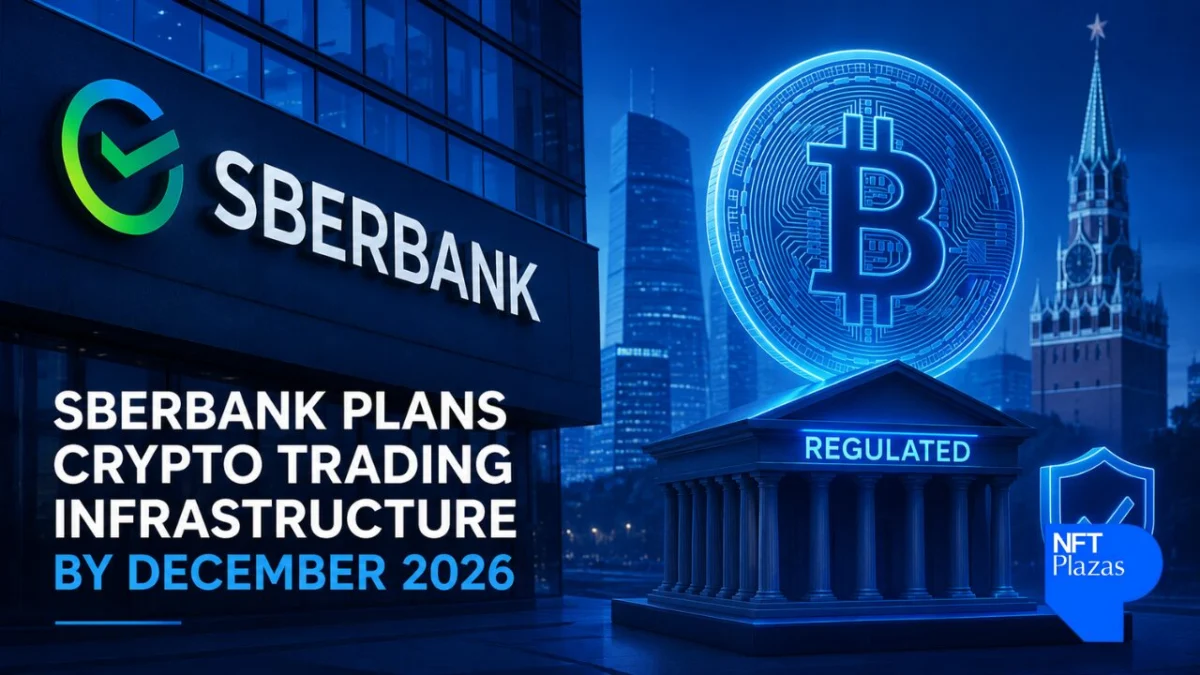
Sberbank’s Vision: A Hybrid Crypto Infrastructure
According to reports from Interfax, Sberbank’s forthcoming infrastructure will be built upon a sophisticated digital depository system. This system is engineered to meticulously record customers’ ownership of cryptocurrencies while simultaneously executing a significant portion of transactions outside the public blockchain networks. This "off-chain" approach is critical, allowing the bank to maintain strict compliance with regulatory requirements, facilitate faster settlements, and manage transaction volumes more efficiently than direct on-chain processing might permit. Complementing the depository, Sberbank intends to operate active crypto wallets, providing customers with the essential functionalities to deposit, withdraw, and transfer digital assets seamlessly through its integrated platform.
The architectural design represents a deliberate fusion of cutting-edge blockchain technology with the robust controls inherent in traditional banking systems. Rather than mandating that every single transaction be processed directly on a public ledger, Sberbank’s model will maintain customer ownership records and core settlement functions within its regulated, centralized systems. This hybrid methodology is paramount for the bank to effectively meet its stringent obligations concerning compliance, regulatory reporting, and the secure custody of digital assets, thereby bridging the gap between decentralized innovation and established financial governance.
Alexander Vedyakhin, Sberbank’s First Deputy Chairman, has expressed confidence in the lender’s ability to finalize the necessary infrastructure well in advance of the December 2026 launch deadline. However, the bank has yet to publicly disclose critical operational specifics, including the precise cryptocurrencies that will be supported, the fee structures customers can anticipate, or the eligibility criteria for platform access. These granular details are widely expected to be elucidated as Russian regulators progressively publish additional implementation rules and guidelines, providing clarity for both financial institutions and prospective users.
The Regulatory Landscape: Russia’s New Cryptocurrency Law
Sberbank’s strategic foray into regulated crypto services is directly catalyzed by the recent legislative actions taken by Russia’s Federation Council, which formally approved a comprehensive framework for a regulated cryptocurrency market. This landmark legislation, set to officially take effect on September 1, 2026, establishes a clear pathway for licensed entities – including brokers, exchanges, traditional banks, asset managers, and specialized digital depositories – to provide a broad spectrum of crypto-related services. Critically, all such operations will fall under the direct supervisory purview of the Bank of Russia, ensuring centralized oversight and adherence to national financial stability objectives. Financial institutions operating within this evolving landscape have been granted a grace period until July 1, 2027, to secure the requisite licenses and achieve full compliance with the new regulatory mandates.
A cornerstone of this new framework is the imposition of stringent eligibility criteria for publicly available cryptocurrency trading. The law dictates that only digital assets satisfying rigorous liquidity and market capitalization standards will be accessible to the broader public. Specifically, eligible cryptocurrencies must demonstrate an average market capitalization exceeding 5 trillion rubles (approximately $64 billion, based on current exchange rates) and maintain average daily trading volumes surpassing 1 trillion rubles (around $12.8 billion) over a sustained two-year period. These exceptionally high thresholds are strategically designed to funnel retail and institutional investment towards well-established and liquid cryptocurrencies, such as Bitcoin and Ethereum, while effectively curtailing access to smaller, more volatile, and potentially speculative tokens, thereby mitigating risks for investors and enhancing market stability.
Retail participation is also subject to robust regulatory controls. Non-qualified investors will be mandated to successfully complete a knowledge assessment prior to purchasing eligible cryptocurrencies. Furthermore, they will face an annual investment limit of 300,000 rubles per intermediary, a measure aimed at safeguarding retail capital. In contrast, qualified investors, while also required to undergo testing, will gain access to a wider array of digital assets and will not be subjected to the same investment cap, reflecting a tiered approach to investor protection and market access based on financial sophistication.
Sberbank’s Expanding Digital Asset Footprint: A Chronology
The impending launch of Sberbank’s crypto trading platform is not an isolated event but rather the culmination of several years of strategic engagement within Russia’s burgeoning regulated digital asset sector. The bank’s proactive stance began in 2022 when it secured registration as an operator of digital financial assets, a crucial step that legally empowered it to issue tokenized financial instruments under Russian law. Building on this foundation, Sberbank subsequently launched structured investment products tied to Bitcoin and other cryptocurrencies, catering specifically to its qualified investor base, demonstrating an early commitment to integrating digital assets into its offerings.

In late 2025, Sberbank further solidified its position by completing a pilot loan program backed by Bitcoin collateral. This innovative partnership with the Russian mining company Intelion Data showcased a practical application of how digital assets could be seamlessly integrated into conventional banking products, offering new avenues for collateralization and credit. Prior reports, including one by Reuters, had indicated Sberbank’s proposals for regulated cryptocurrency custody services for Russian customers. The current initiative represents a significant expansion of these earlier plans, evolving into a much broader, commercially viable platform designed for comprehensive digital asset management. This consistent progression highlights Sberbank’s calculated and incremental approach to embracing digital finance, aligning its offerings with the evolving regulatory landscape.
Russia’s Banking Sector Prepares for the Crypto Era
Sberbank is far from alone in its preparations for Russia’s impending regulated crypto market. Other major financial institutions across the country are also actively developing their capabilities. Leading banks such as VTB, T-Bank, and Alfa-Bank, alongside the prominent Moscow Exchange, have reportedly been investing in and developing cryptocurrency custody and trading services, positioning themselves strategically ahead of the licensing deadline. This widespread activity signals a concerted effort across Russia’s financial sector to capitalize on the new regulatory framework and capture a share of the emerging digital asset market.
The new regulatory framework carefully delineates responsibilities across different segments of the financial sector. Brokers will be tasked with executing customer orders, while licensed exchanges will facilitate the efficient trading of digital assets. Crucially, licensed digital depositories, such as the one Sberbank is establishing, will be responsible for managing the secure custody of cryptocurrencies and maintaining accurate records of ownership rights. Regulators anticipate that this meticulously structured approach will significantly enhance transparency within the digital asset market, bolster investor protection, and ensure that cryptocurrency activities operate firmly within the established parameters of Russia’s existing financial system, thereby mitigating systemic risks.
Russia’s Gradual Integration Strategy and Broader Implications
This initiative is a clear reflection of Russia’s broader, calculated strategy of gradually incorporating digital assets into its regulated financial system. Over recent years, the country has taken measured steps, including the legalization of cryptocurrency mining, recognizing its potential for economic contribution. Furthermore, an experimental framework has been introduced to permit the use of crypto in specific cross-border settlements, a move that some analysts link to efforts to navigate international sanctions and explore alternative financial channels. Concurrently, Russia has maintained its firm prohibition on domestic crypto payments, indicating a controlled and cautious approach to adoption, prioritizing financial stability and preventing capital flight.
If Sberbank successfully meets its ambitious December 2026 target, it will stand as one of the pioneering major banks in Russia to offer a fully integrated platform for regulated cryptocurrency trading, secure custody, and efficient settlement. This launch could serve as a seminal milestone in Russia’s overarching digital asset strategy, providing a tangible demonstration of how traditional financial institutions intend to support and integrate cryptocurrency markets within a comprehensive regulatory framework. This approach contrasts sharply with reliance on purely decentralized platforms, signaling a clear preference for centralized control and oversight.
The implications of this move extend beyond Russia’s borders. It presents a unique model of state-controlled integration of digital assets, potentially influencing other nations grappling with how to regulate this nascent technology. For Russia, it represents an attempt to harness the innovation of blockchain and cryptocurrencies while maintaining tight reins on its financial system, balancing potential benefits with perceived risks. It could also bolster Russia’s technological sovereignty, particularly in the face of geopolitical challenges and ongoing sanctions, by developing indigenous financial infrastructure less reliant on traditional Western systems.
However, challenges remain significant. The success of Sberbank’s platform will depend on user adoption, the attractiveness of its offerings compared to unregulated alternatives, and the ongoing stability of Russia’s broader financial and economic environment. The strict regulatory thresholds for eligible cryptocurrencies, while aimed at stability, might also limit market appeal for some investors seeking broader altcoin exposure. Furthermore, the global perception of Russia’s financial market, especially given geopolitical tensions, could influence the pace and scale of international engagement with these new services. Nevertheless, Sberbank’s push into regulated crypto marks a definitive step towards a future where digital assets are inextricably woven into the fabric of traditional finance, albeit under specific national conditions.