admin
admin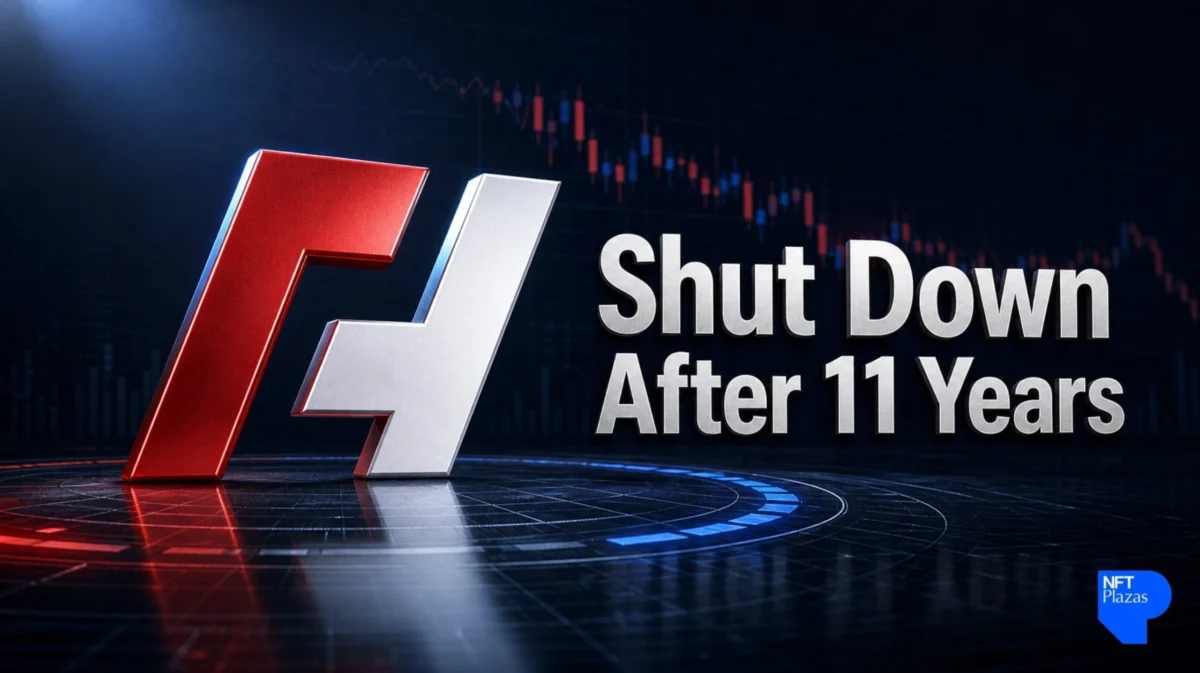
The pioneering crypto derivatives exchange, operated by HDR Global Trading Limited, confirmed on July 23 that it has ceased new account registrations with immediate effect and urged existing users to finalize open positions and withdraw all assets well in advance of the impending closure. This significant decision follows a comprehensive strategic review by HDR Global Trading Limited, acknowledging a dramatically altered crypto exchange ecosystem that has seen BitMEX’s once-dominant influence wane considerably. The company reassured its user base that the wind-down process would be meticulously managed, allowing for a structured transition period where users can continue to access their accounts for necessary management and withdrawal operations. The announcement was also disseminated via the platform’s official social media channels, including a poignant message on X (formerly Twitter), marking the end of an era for many long-time participants in the crypto space.
A Legacy Forged in Innovation: BitMEX’s Ascent
Founded in 2014 by Arthur Hayes, Benjamin Delo, and Samuel Reed, BitMEX rapidly distinguished itself as a trailblazer in the nascent cryptocurrency derivatives sector. At a time when the digital asset market was largely focused on spot trading, BitMEX introduced groundbreaking financial instruments, most notably the perpetual swap contract. This innovative product allowed traders to speculate on the future price movements of cryptocurrencies, primarily Bitcoin, without an expiry date, mimicking traditional futures but with greater flexibility and often higher leverage. This model proved revolutionary, becoming an industry standard swiftly adopted by countless other platforms globally.
During its zenith, particularly between 2017 and 2020, BitMEX was synonymous with high-octane crypto trading. It served as a critical liquidity hub for Bitcoin derivatives, attracting a vast number of sophisticated traders and institutional players alike. Its platform was lauded for its robust infrastructure, advanced trading features, and the sheer volume of activity it facilitated. The exchange’s impact extended beyond just trading volumes; it educated a generation of crypto traders on the complexities and opportunities within derivatives, making concepts like leverage, funding rates, and margin trading mainstream within the digital asset community. According to published statements, BitMEX has served over 2 million traders throughout its operational history, a testament to its widespread reach and historical significance, even if its current market footprint has diminished.
Navigating Regulatory Headwinds and Shifting Tides
BitMEX’s trajectory, however, was not without its significant challenges, particularly on the regulatory front. The exchange’s early operational model, characterized by minimal KYC (Know Your Customer) requirements and high leverage, eventually drew the scrutiny of global financial regulators. In October 2020, the U.S. Commodity Futures Trading Commission (CFTC) filed a civil enforcement action against BitMEX and its founders for operating an unregistered trading platform and violating anti-money laundering (AML) regulations. This was followed by charges from the U.S. Department of Justice (DOJ) for similar violations.
These legal actions proved to be a pivotal turning point for the exchange. In 2022, co-founders Arthur Hayes, Benjamin Delo, and Samuel Reed pleaded guilty in the U.S. to charges related to failing to establish an adequate anti-money laundering program. This regulatory crackdown led to significant fines and a mandatory overhaul of BitMEX’s compliance procedures, including the implementation of stricter KYC policies. While the exchange continued to operate, the regulatory pressure, coupled with increasing competition from newer, often more compliant, and technologically advanced platforms, gradually eroded its market share and prominence. The decision to wind down operations, while difficult, appears to be a strategic response to these enduring challenges and the intensified competitive landscape rather than an immediate crisis.
Operational Wind-Down: A Detailed Timeline for Users
The announced closure is not immediate, but rather a structured, multi-phase wind-down process designed to minimize disruption for existing users. BitMEX has provided a clear timeline to guide account holders through the necessary steps:
- July 23, 2026 (Announcement Date): New account registrations are immediately halted. Users are advised to begin closing open positions and withdrawing assets.
- July 30, 2026, at 12:00 UTC: BitMEX will delist 35 illiquid derivatives contracts. This proactive measure aims to streamline the platform’s offerings and reduce complexity as it approaches its final closure. Users with positions in these specific contracts are strongly advised to manage them before this date.
- August 26, 2026, at 04:00 UTC (Trading Restrictions Begin): A critical date for active traders. From this point forward, new risk limits will be applied, preventing users from increasing the size of their existing positions. Accounts will only be able to reduce or close out current positions. BitMEX has explicitly stated that it reserves the right to force close certain positions between this date and the final platform closure if deemed necessary to ensure a controlled and orderly wind-down.
- September 23, 2026, at 04:00 UTC (Official Platform Closure): The BitMEX trading platform will officially cease all operations. Any positions that remain open at this time will be forcibly closed by the exchange. All remaining user assets must be withdrawn by this deadline.
Users are strongly encouraged to manage their accounts proactively, well in advance of these deadlines, to mitigate risks associated with potential market volatility, declining liquidity, or system overloads that could occur during the final stages of the shutdown.
Market Repercussions and the Arc of Industry Consolidation
The direct market impact of BitMEX’s closure is widely anticipated to be minimal, a stark contrast to the platform’s historical significance. Data cited by Reuters, attributed to Kaiko, indicates that BitMEX’s current daily trading volume hovers around a modest $400,000, commanding a market share of less than 0.01%. This figure is dwarfed by the multi-billion dollar daily volumes recorded by leading platforms such as Binance, Bybit, OKX, and Deribit, which currently dominate the crypto derivatives landscape.
Therefore, BitMEX’s exit is unlikely to trigger any systemic shock or significant market volatility comparable to past major exchange failures or disruptions. Instead, its closure serves as a powerful symbol of the ongoing and accelerating consolidation within the crypto exchange industry. The market has matured significantly since BitMEX’s early days, with liquidity increasingly gravitating towards a handful of mega-platforms that offer broader product suites, deeper order books, superior technological infrastructure, and, crucially, robust regulatory compliance frameworks.
The modern crypto exchange market is characterized by intense competition across multiple fronts: liquidity provision, stringent compliance requirements, escalating operational costs, and the paramount importance of user trust. In this high-stakes environment, older platforms or former market leaders that have struggled to adapt to evolving regulatory expectations or maintain their scale advantages find it increasingly challenging to sustain their position. Capital flows continue to concentrate among a few dominant players, leaving smaller or historically significant but now diminished exchanges facing an uphill battle for relevance and profitability. BitMEX’s strategic decision to exit the market underscores this overarching trend, highlighting that even pioneers must continuously innovate and adapt to survive in a rapidly evolving digital economy.
Guidance for BitMEX Users: Protecting Your Assets
For all existing BitMEX users, proactive management of their accounts is paramount to ensure a smooth transition and avoid potential losses. The following actions are strongly recommended:
- Review and Manage Open Positions: Users should immediately review all open derivatives positions. It is advisable to reduce or close these positions well before August 26, 2026, when trading restrictions will prevent increasing position sizes and BitMEX may initiate forced closures.
- Withdraw All Assets: The most critical step is to withdraw all funds from the exchange. Users should initiate withdrawals of all cryptocurrency holdings to a personal wallet or another trusted exchange before the September 23, 2026, deadline. Delaying this could lead to complications, especially if network congestion or system overloads occur closer to the final shutdown date.
- Monitor Official Communications: Stay vigilant by verifying all updates and announcements directly through BitMEX’s official website (BitMEX.com) and its verified social media channels. Be particularly attentive to details regarding delisting schedules, settlement procedures for open contracts, potential forced closes, and the specific withdrawal processes.
- Beware of Scams: During exchange closure events, malicious actors often attempt to exploit user anxiety. Users should remain highly cautious of any unsolicited emails, fake withdrawal forms, phishing websites, or fraudulent support pages impersonating BitMEX. Always navigate directly to the official BitMEX domain for any account management.
- Secure Account Information: Ensure all account security measures are up to date, including two-factor authentication (2FA), to prevent unauthorized access during this critical period.
The End of an Era, The Evolution of a Market
BitMEX’s closure marks a significant moment in the history of cryptocurrency. It represents the formal conclusion of an 11-year journey for an exchange that, for a time, was at the very vanguard of digital asset trading innovation. Its pioneering efforts in popularizing perpetual swap contracts have left an indelible mark, transforming them from a novel concept into a core component of crypto trading across virtually every major platform today.
While the exchange itself is winding down, its legacy lives on through the ubiquitous adoption of the financial instruments it helped popularize. The departure of BitMEX is not a sign of the crypto derivatives market contracting; rather, it reflects its maturation and consolidation. The industry continues to evolve at an accelerated pace, driven by technological advancements, increasing institutional adoption, and an ever-tightening global regulatory framework. As one chapter closes, the broader narrative of crypto derivatives trading continues to unfold, albeit with a refined cast of dominant players and a more regulated, albeit still dynamic, landscape.