admin
admin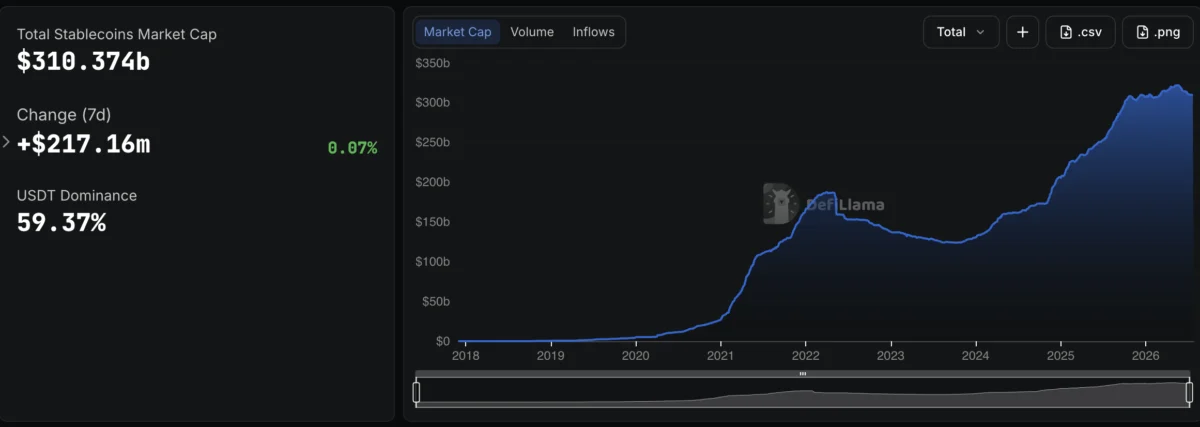
Samsung, a global leader in consumer electronics and mobile technology, officially confirmed its intention to integrate stablecoin support into Samsung Wallet. This significant announcement, made during the highly anticipated Galaxy Unpacked event on July 22, 2026, signals a pivotal expansion of digital asset utility directly within the default wallet application across its vast ecosystem of Galaxy devices. The confirmation arrives amidst a broader industry trend where major payment companies, burgeoning crypto exchanges, and established digital asset issuers are rigorously testing and implementing stablecoins for a myriad of applications, particularly in cross-border remittances and settlement. While the news marks a definitive step towards mainstream digital asset adoption, Samsung has yet to disclose critical details such as the specific stablecoins that will be supported, the identities of its implementation partners, or a concrete release timeline for this transformative feature.
This strategic move by Samsung is particularly noteworthy given the entrenched position Samsung Wallet already holds within the Galaxy ecosystem. The application currently serves as a central hub for millions of users globally, facilitating everyday payments, managing digital identities, and offering access to a curated selection of digital financial services. By embedding stablecoin functionality at the core wallet level, Samsung has the potential to propel digital currencies beyond the confines of specialized cryptocurrency exchange applications and niche crypto wallets, bringing them closer to the daily financial routines of a vast mainstream audience. This integration could fundamentally redefine how mobile users perceive and interact with digital value transfers, making them as accessible and intuitive as traditional fiat transactions.
Samsung’s Strategic Embrace of Stablecoins
The decision to introduce stablecoins into Samsung Wallet represents more than just the addition of another feature; it signifies Samsung’s deeper commitment to evolving its mobile platform into a comprehensive financial services and identity layer. Stablecoins, characterized by their peg to stable assets like the US dollar, are designed to minimize volatility, making them an ideal candidate for everyday transactions and value transfers. Their current widespread utility spans crypto trading, facilitating rapid cross-border remittances, and enabling efficient settlement processes. By integrating these digital currencies directly into Wallet, Samsung aims to merge the speed and efficiency of digital money movement with the familiar user experience of its existing payment and credential management system.
The company’s messaging at Galaxy Unpacked underscored its vision to support faster, more secure, and more familiar forms of digital value transfer for its expansive mobile user base. While the technical specifics of how the feature will operate remain under wraps, the strategic intent is clear: to leverage the inherent advantages of stablecoins – their price stability and transactional efficiency – within a trusted, pre-installed mobile application. If executed seamlessly, Samsung Wallet could emerge as one of the primary consumer touchpoints responsible for bridging the gap between the nascent world of digital assets and the established realm of traditional finance, effectively bringing stablecoins into the mainstream consciousness. This integration has the potential to simplify complex crypto transactions, reducing friction for users who might otherwise be intimidated by the intricacies of blockchain technology.
A Chronology of Samsung’s Growing Fintech Ambitions
The announcement regarding stablecoin support is not an isolated event but rather the latest development in a carefully orchestrated, multi-year strategy by Samsung to deepen its footprint in the fintech sector. The company has steadily expanded the capabilities of Samsung Wallet, progressively transforming it from a mere digital card holder into a sophisticated financial hub.
The journey began in earnest in July 2025, when Samsung Pay initiated support as both a payment and top-up method on Coinbase, one of the largest cryptocurrency exchanges, for users in the United States and Canada. This initial partnership marked Samsung’s first significant foray into directly linking its payment ecosystem with digital asset platforms, providing millions of Galaxy users with a convenient on-ramp to cryptocurrency markets.
Building on this foundational collaboration, Samsung further solidified its partnership with Coinbase three months later, in October 2025. This expansion allowed Samsung Wallet users across the US to not only access exclusive Coinbase One perks but also to view their crypto assets directly within the Wallet interface. This enhanced integration was a crucial step, bringing cryptocurrency management closer to the user’s everyday mobile experience without requiring them to navigate separate applications. At its launch, this program boasted access to a staggering over 75 million Galaxy users in the US, highlighting the immense scale and potential reach of Samsung’s digital asset initiatives.
Samsung’s fintech push continued with the launch of the Galaxy Card in the US in July 2026. Issued by Barclays on the ubiquitous Visa network, this credit card was designed for seamless integration with Samsung Wallet, offering users a comprehensive financial product that rewards their engagement within the Galaxy ecosystem. The Galaxy Card exemplifies Samsung’s strategy to create a cohesive financial experience where traditional banking services and emerging digital assets coexist within a unified platform. By positioning stablecoins alongside credit cards, mobile payment solutions, digital IDs, and existing crypto access, Samsung’s strategic direction becomes unequivocally clear: Samsung Wallet is evolving into a central financial services and identity layer, transcending its initial function as a mere repository for payment cards. This holistic approach aims to provide users with unparalleled convenience and control over their diverse financial lives, all from the palm of their hand.
The Broader Market Dynamics Driving Stablecoin Adoption
The burgeoning scale and increasing utility of the stablecoin market provide compelling reasons for major consumer platforms like Samsung to invest in the sector. According to data compiled by DeFiLlama, the total stablecoin market capitalization currently stands at an impressive around $310.4 billion. Within this vast market, USDT (Tether) leads with approximately $184.1 billion, followed by USDC (USD Coin) in second place at approximately $73.3 billion. These figures not only underscore the substantial liquidity and trading infrastructure already present in the stablecoin ecosystem but also highlight their clear utility-driven segment within the broader digital asset market. Their stability makes them an attractive alternative for value storage and transfer, mitigating the extreme volatility often associated with other cryptocurrencies.
Beyond the crypto trading landscape, major payment networks are actively exploring and implementing stablecoins for real-world payment and settlement applications. Visa, for instance, has been at the forefront of this innovation, reporting that its stablecoin settlement pilot program achieved a remarkable $7 billion annualized run rate by April 2026. This figure represents a significant 50% quarter-over-quarter growth, further bolstered by the expansion of the pilot to encompass nine different blockchain networks. For Samsung, these developments serve as powerful signals that stablecoins are rapidly moving towards integration into established real-world payment infrastructure. In this evolving landscape, a mobile wallet with the expansive reach of Samsung Wallet is uniquely positioned to play a critical distribution role, connecting stablecoin utility with everyday consumer transactions.

The increasing institutional interest is also evidenced by reports from other payment giants. Mastercard, for example, has also been exploring various blockchain-based payment solutions, including stablecoins, for cross-border transactions, aiming to reduce costs and increase speed. PayPal has launched its own stablecoin, PYUSD, further legitimizing the asset class and paving the way for broader consumer and merchant adoption. These collective efforts from major financial players indicate a strong industry consensus on the future potential of stablecoins, making Samsung’s entry into this space a timely and strategic maneuver.
A Clearer Regulatory Framework: Paving the Way for Enterprise Adoption
The regulatory environment surrounding digital assets, particularly stablecoins, has also matured significantly, providing a firmer basis for major consumer companies to engage with the sector. In the United States, a crucial legislative milestone was reached with the signing of the GENIUS Act into law on July 18, 2025. This landmark legislation established a comprehensive federal framework specifically for payment stablecoins, providing much-needed clarity and reducing regulatory uncertainty.
Prior to the GENIUS Act, the lack of a consistent federal regulatory approach created a fragmented and often ambiguous landscape, deterring many large corporations from fully committing to stablecoin integration due to potential legal and compliance risks. The Act now provides a clearer pathway for innovation, allowing companies to understand the rules of engagement for issuing, holding, and transacting with payment stablecoins. While regulatory clarity alone does not automatically transform stablecoins into a mainstream feature overnight, it significantly empowers major consumer-facing companies like Samsung to confidently test, partner with licensed entities, and roll out features market by market, adhering to established legal guidelines. This regulatory certainty is paramount for fostering trust among consumers and businesses, which is essential for mass adoption.
Furthermore, other jurisdictions are also making progress. The European Union’s Markets in Crypto-Assets (MiCA) regulation, which began to take effect in stages, provides a harmonized framework for crypto-assets, including stablecoins, across its member states. Similarly, countries like Japan and the UK have been working on their own specific regulations for stablecoins, recognizing their potential impact on monetary policy and financial stability. This global trend towards clearer regulatory frameworks is creating a more predictable and safer environment for companies like Samsung to innovate and expand their digital asset offerings internationally.
Implications for Users, Samsung, and the Broader Ecosystem
The integration of stablecoins into Samsung Wallet carries profound implications for various stakeholders. For the end-user, it promises unparalleled convenience and accessibility. Imagine sending remittances instantly and cost-effectively to family abroad, making international purchases without currency conversion fees, or simply managing a portion of your savings in a stable digital currency, all from the familiar interface of your smartphone. This move could significantly lower the barriers to entry for digital assets, making them as intuitive to use as traditional mobile payments. It also opens up possibilities for financial inclusion in regions where access to traditional banking services is limited or costly, providing a stable, digital alternative for value transfer and storage.
For Samsung, this strategic enhancement solidifies Wallet’s position as a multifaceted financial hub, capable of rivaling established fintech applications and even traditional banking services. By providing a unified platform for fiat payments, credit cards, digital identity, and now stablecoins, Samsung is actively cultivating a sticky ecosystem that encourages users to conduct more of their financial lives within the Galaxy environment. This deeper engagement can lead to increased customer loyalty, new revenue streams through partnerships, and a stronger competitive edge against other tech giants and payment providers. It transforms Samsung from merely a hardware manufacturer into a significant player in the global financial technology landscape.
For the broader digital asset ecosystem, Samsung’s endorsement represents a monumental leap towards mainstream adoption. The sheer scale of Galaxy device users – estimated to be over 1 billion worldwide – means that millions could potentially be exposed to stablecoins in a practical, utility-driven context. This exposure moves stablecoins beyond the speculative trading realm and into everyday transactions, demonstrating their real-world value. It also validates the underlying blockchain technology and the concept of decentralized finance (DeFi) in a way that academic papers or niche crypto communities cannot. Analysts predict that this move could spur other major tech companies to follow suit, accelerating the overall integration of digital assets into the global economy.
Unanswered Questions and the Road Ahead
Despite the groundbreaking nature of Samsung’s confirmation, many critical details regarding the stablecoin integration remain unannounced. The most pressing questions revolve around which specific stablecoins will be supported – will it be the market leaders like USDT and USDC, or will Samsung opt for a broader selection, potentially including algorithmic stablecoins or those pegged to other fiat currencies? The identity of implementation partners is also crucial; will Samsung deepen its relationship with Coinbase, or will it forge new alliances with other stablecoin issuers or blockchain infrastructure providers? The choice of underlying blockchain networks (e.g., Ethereum, Solana, Polygon, Stellar) will impact transaction speeds, costs, and interoperability. Furthermore, the geographic scope of the rollout and the precise launch timeline are yet to be revealed, which will determine the immediate global impact of the feature.
Perhaps the most significant unknown lies in the exact functionality Samsung Wallet will offer. Will users merely be able to view and buy stablecoins through integrated partners, similar to the existing Coinbase integration? Or will Samsung enable direct, native support for sending, receiving, and paying with stablecoins within the Wallet application itself? This distinction will be paramount in determining the true significance and transformative potential of the feature. If it serves primarily as an access layer to existing crypto services, its impact, while notable, might be relatively limited. However, if Samsung empowers users to directly transact with stablecoins – sending them to other wallets, receiving payments, or using them for purchases at merchants – it would represent a far more profound step towards embedding digital assets into daily mobile experiences, creating a true digital cash equivalent.
The integration of stablecoins also brings with it complex regulatory and operational requirements, including Know Your Customer (KYC) protocols, Anti-Money Laundering (AML) compliance, robust user protection mechanisms, and secure asset custody solutions. These stringent requirements mean that Samsung is highly likely to execute a phased, market-by-market rollout, working closely with licensed financial partners in each jurisdiction. The United States, with its recently clarified regulatory framework and Samsung’s existing deep relationship with Coinbase, appears to be a prominent candidate for an early rollout. However, Samsung has not yet confirmed the specific scope of this initial launch, leaving the global community eager for further clarity. The successful navigation of these regulatory and technical complexities will be key to unlocking the full potential of stablecoins within the Samsung ecosystem.