admin
admin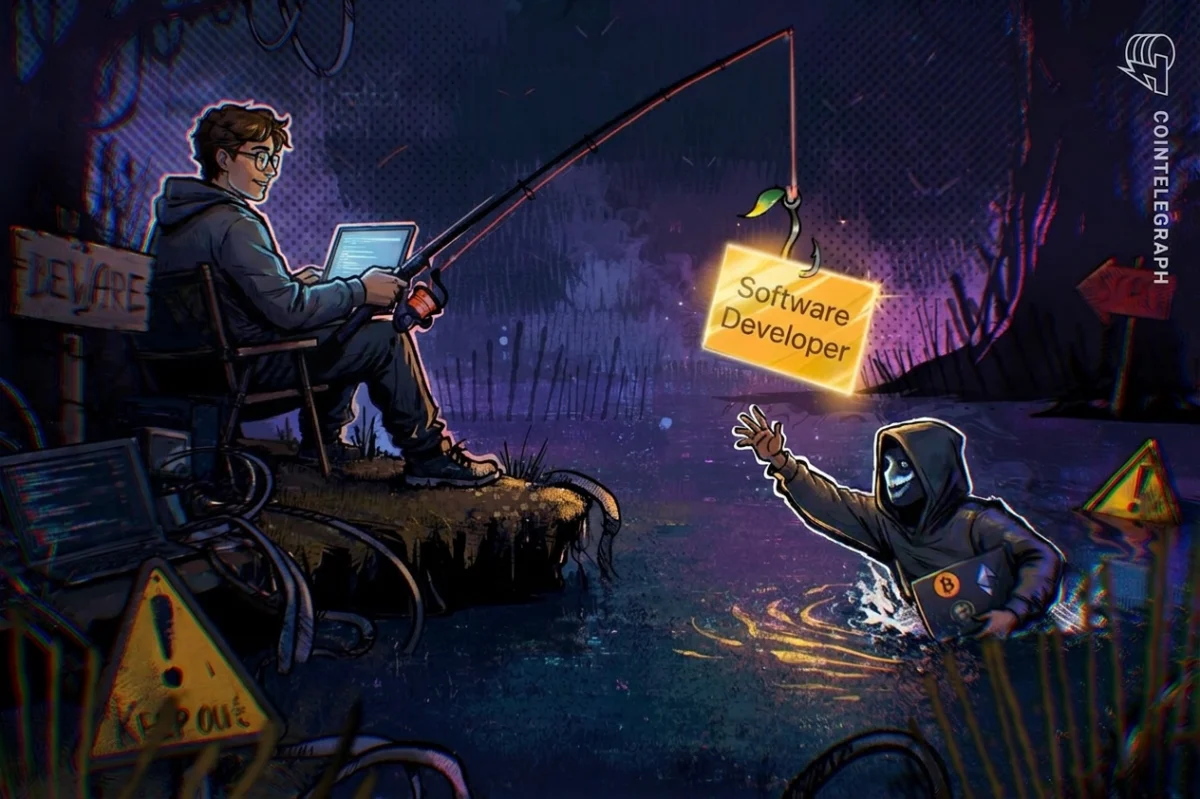
The global blockchain powerhouse Consensys, widely recognized for its pivotal role in the Ethereum ecosystem and as the developer behind the popular MetaMask crypto wallet, recently found itself embroiled in a significant cybersecurity incident after inadvertently engaging a software developer with confirmed ties to North Korea. This alarming discovery, which emerged from an internal investigation, highlights the escalating sophistication of nation-state cyber warfare and the profound supply chain vulnerabilities inherent in the rapidly evolving digital asset landscape. For approximately one month, the developer, operating under the alias "Tyler Knapp," had access to some of Consensys’s critical systems, prompting an immediate halt to product releases, a comprehensive security audit, and a reevaluation of the company’s outsourcing protocols.
The incident, initially brought to light by Drop Site on a Friday and subsequently reported by Cointelegraph, detailed how Consensys onboarded "Tyler Knapp" earlier this year. The introduction was facilitated through an existing relationship with what Consensys described as a "reputable third-party service provider." This method of engagement, common in the tech industry for sourcing specialized talent, inadvertently became the vector for a potential infiltration by an actor linked to the Democratic People’s Republic of Korea (DPRK). Upon discovering the threat, Consensys swiftly activated its security protocols, immediately terminating all access granted to "Knapp" and launching an exhaustive internal investigation to ascertain the scope of the compromise.
Matt Corva, the General Counsel for Consensys, elaborated on the situation to Cointelegraph, stating, "’Knapp’ was introduced to us through an existing relationship with a reputable third-party service provider and collaborated with Consensys as a consultant. He was never hired as a Consensys employee. Very quickly after being introduced, we discovered the threat, followed our security protocols, immediately terminated any access and launched a comprehensive investigation that confirmed there was no misappropriation of assets or data, no malicious code deployed, and no impact to user safety and security." This statement aimed to reassure the user base and the broader market that despite the concerning nature of the breach, no tangible harm, such as asset theft or data compromise, occurred. Nevertheless, the mere presence of a North Korean-linked operative within a company of Consensys’s stature sends ripples of concern across the blockchain and cybersecurity communities.
Chronology of an Unwitting Engagement
The precise timeline of "Tyler Knapp’s" engagement and subsequent discovery is crucial for understanding the incident’s implications. While specific dates were not fully disclosed, reports indicate that the developer gained access to Consensys systems for approximately one month earlier this year. The sequence of events can be reconstructed as follows:
- Early 2024 (Approximate): A developer, later identified by the alias "Tyler Knapp," is introduced to Consensys through a seemingly legitimate third-party service provider. This provider, trusted by Consensys, likely vouched for "Knapp’s" credentials and expertise, facilitating his integration as a consultant on certain projects.
- Initial Engagement Period (Approximately One Month): "Knapp" collaborates with Consensys, gaining access to designated systems. The nature and extent of this access would have been governed by the scope of his consultancy, potentially including development environments, code repositories, or project management tools.
- Discovery of Threat: Consensys’s internal security measures or external intelligence sources detect irregularities or suspicious activity associated with "Knapp." This could have involved unusual network patterns, access attempts, or a tip-off from intelligence agencies or cybersecurity firms tracking DPRK activities.
- Immediate Response: Upon threat confirmation, Consensys implements its incident response plan. This included:
- Immediate termination of "Knapp’s" access to all Consensys systems.
- Temporary suspension of product releases to prevent potential deployment of compromised code or features.
- Initiation of a comprehensive internal investigation, leveraging forensic tools and cybersecurity experts.
- Investigation Findings: The multi-faceted investigation concludes that while the developer had ties to North Korea, there was "no misappropriation of assets or data, no malicious code deployed, and no impact to user safety and security." This critical finding, though reassuring, does not diminish the severity of the attempted infiltration.
- Public Disclosure: The incident is first reported by Drop Site on a Friday, subsequently picked up by Cointelegraph, leading to public awareness and official statements from Consensys.
The Broader Threat Landscape: North Korean Cyber Warfare
This incident is not an isolated occurrence but rather a stark reminder of the persistent and increasingly sophisticated cyber threats emanating from North Korea. The DPRK, facing crippling international sanctions, has notoriously turned to illicit cyber activities as a primary source of revenue to fund its weapons of mass destruction programs and support its authoritarian regime. North Korean hacking groups, such as the infamous Lazarus Group (also known as APT38 or Hidden Cobra), Kimsuky, and Andariel, have been linked to a staggering number of high-profile cyberattacks globally, particularly targeting financial institutions and, more recently, the burgeoning cryptocurrency sector.
According to various reports from the United Nations, Chainalysis, and other cybersecurity firms, North Korean hackers stole an estimated $1.7 billion in cryptocurrency in 2022 alone, a significant increase from previous years. These attacks often exploit vulnerabilities in bridges, exchanges, and decentralized finance (DeFi) protocols. Notable incidents include the $625 million Ronin Bridge hack in March 2022 and the $100 million Harmony Horizon Bridge exploit in June 2022, both attributed to Lazarus Group. The methods employed are diverse, ranging from direct exploits of smart contracts to elaborate social engineering schemes designed to infiltrate target organizations.
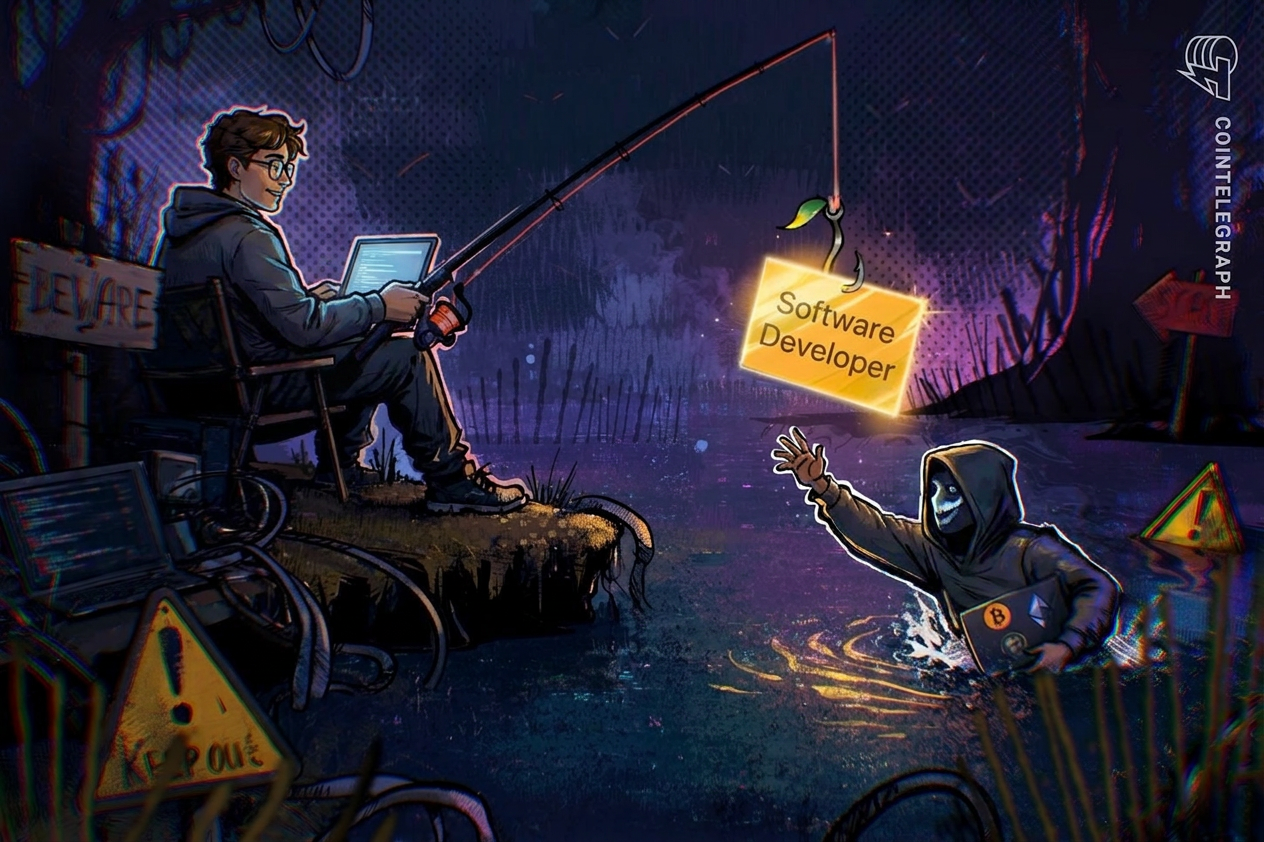
A particularly insidious tactic favored by DPRK operatives, and one that aligns precisely with the Consensys incident, involves sending fake employment offers or applying for legitimate jobs at digital asset companies. These "phantom hires" aim to gain access to internal systems, source code, intellectual property, or even directly inject malicious code that could facilitate future exploits or data exfiltration. The allure of high salaries and the remote nature of many tech roles in the post-pandemic era make such schemes particularly effective. These operatives often use sophisticated fake personas, complete with fabricated resumes, LinkedIn profiles, and even professional references, making them incredibly difficult to detect through conventional vetting processes.
Consensys’s Response and Internal Review
Consensys’s prompt response to the threat, including immediate termination of access and a comprehensive investigation, demonstrates a commitment to security protocols. The company’s general counsel, Matt Corva, emphasized that the investigation confirmed no assets or data were misappropriated, no malicious code was deployed, and user safety remained unaffected. While these findings are crucial for maintaining user trust, the incident underscores a significant learning curve for Consensys and the broader industry.
In light of the incident, Corva stated that Consensys would be reevaluating its practices for outsourcing engineering and development work. This internal review is paramount. It likely entails:
- Enhanced Due Diligence for Third-Party Providers: Scrutinizing not just the reputation of the service provider but also their internal vetting processes for contractors and consultants.
- More Rigorous Background Checks: Implementing advanced identity verification, perhaps leveraging AI-driven tools, behavioral analytics, and cross-referencing against known threat actor databases.
- Stricter Access Controls: Adopting a principle of least privilege, ensuring consultants only have access to the absolute minimum resources required for their tasks and for the shortest possible duration.
- Continuous Monitoring: Implementing real-time monitoring of all external contractor activities for unusual patterns, access attempts, or code changes.
- Security Awareness Training: Educating internal teams, especially those responsible for onboarding and managing external talent, about the evolving tactics of nation-state threat actors.
- Collaborating with Intelligence Agencies: Potentially engaging with government cybersecurity agencies and intelligence bodies to share threat intelligence and receive guidance on identifying sophisticated adversaries.
Implications for the Blockchain Industry
The Consensys incident serves as a critical wake-up call for the entire blockchain and Web3 industry. The implications are far-reaching:
- Supply Chain Security: The incident highlights the growing threat of supply chain attacks, where adversaries compromise a trusted third party to gain access to a primary target. In a highly interconnected and outsourced development environment, securing the supply chain is as crucial as securing internal systems.
- Vetting Remote Talent: The global and often remote nature of blockchain development makes companies particularly susceptible to sophisticated social engineering. Verifying the true identities and affiliations of remote workers, especially those introduced through third parties, presents a significant challenge.
- Reputational Risk: Even without direct financial losses, such incidents can damage a company’s reputation, erode user trust, and invite regulatory scrutiny. In a sector where trust is paramount, maintaining an impeccable security posture is non-negotiable.
- Regulatory Scrutiny: Governments and financial regulators worldwide are increasingly focused on cybersecurity in the digital asset space. Incidents involving nation-state actors could accelerate calls for stricter compliance, mandatory reporting, and more robust security standards across the industry.
- The Cost of Compliance: Implementing more stringent security measures, including advanced background checks, continuous monitoring, and specialized cybersecurity talent, will inevitably increase operational costs for blockchain companies.
- Collaboration and Information Sharing: The incident underscores the need for greater collaboration and intelligence sharing among blockchain companies, cybersecurity firms, and government agencies to collectively defend against sophisticated threats.
Regulatory Scrutiny and International Efforts
The global community, including law enforcement and intelligence agencies, is actively engaged in countering North Korea’s illicit cyber activities. Organizations like the U.S. Treasury Department’s Office of Foreign Assets Control (OFAC) regularly sanction entities and individuals linked to North Korean hacking groups, freezing assets and prohibiting transactions. The FBI and CISA frequently issue advisories detailing the tactics, techniques, and procedures (TTPs) used by DPRK cyber actors, urging companies to enhance their defenses.
This incident involving Consensys could potentially lead to increased scrutiny from these bodies. While Consensys acted promptly, regulators may question the initial vetting process and whether industry best practices were sufficiently robust to prevent such an infiltration. There’s a growing push for companies to not only report breaches but also to demonstrate proactive measures to prevent them, especially when dealing with known nation-state threats. The incident could contribute to a broader conversation about how blockchain companies, often operating globally with decentralized teams, can comply with national security and anti-money laundering regulations designed to combat state-sponsored illicit financing.
The Evolving Challenge of Supply Chain Security
The Consensys case perfectly illustrates the evolving challenges in supply chain security. Modern software development often relies on a complex web of third-party libraries, open-source components, cloud services, and external consultants. Each link in this chain represents a potential vulnerability that can be exploited by determined adversaries. North Korean actors have demonstrated a keen understanding of these dependencies, targeting the weakest links to achieve their objectives.
For blockchain companies, where the immutability of code and the security of digital assets are foundational, the integrity of the development supply chain is paramount. A compromised developer, even if only for a month, could potentially:
- Introduce Backdoors: Malicious code could be subtly embedded within a larger codebase, lying dormant until activated.
- Exfiltrate Sensitive Information: Proprietary algorithms, unreleased product details, or even user data (if accessible) could be siphoned off.
- Identify Future Exploits: Knowledge gained about system architecture or specific vulnerabilities could be used for future, more direct attacks.
While Consensys’s investigation found no evidence of such malicious outcomes, the potential for them underscores the gravity of the situation and the necessity for multi-layered security defenses, including code reviews, static and dynamic analysis, and continuous security audits.
In conclusion, Consensys’s accidental engagement with a North Korean-linked developer serves as a critical cautionary tale for the entire digital asset ecosystem. It underscores the pervasive and sophisticated nature of nation-state cyber threats, particularly from financially motivated actors like North Korea. While Consensys’s swift response and findings of no immediate harm are reassuring, the incident highlights the urgent need for enhanced due diligence, robust supply chain security, and continuous vigilance across the blockchain industry. As the sector matures and integrates further into mainstream finance, safeguarding against such insidious infiltrations will be paramount to its long-term credibility and security. The lessons learned from this incident will undoubtedly influence future security protocols and industry best practices for vetting talent and securing digital infrastructure against an ever-evolving threat landscape.