admin
admin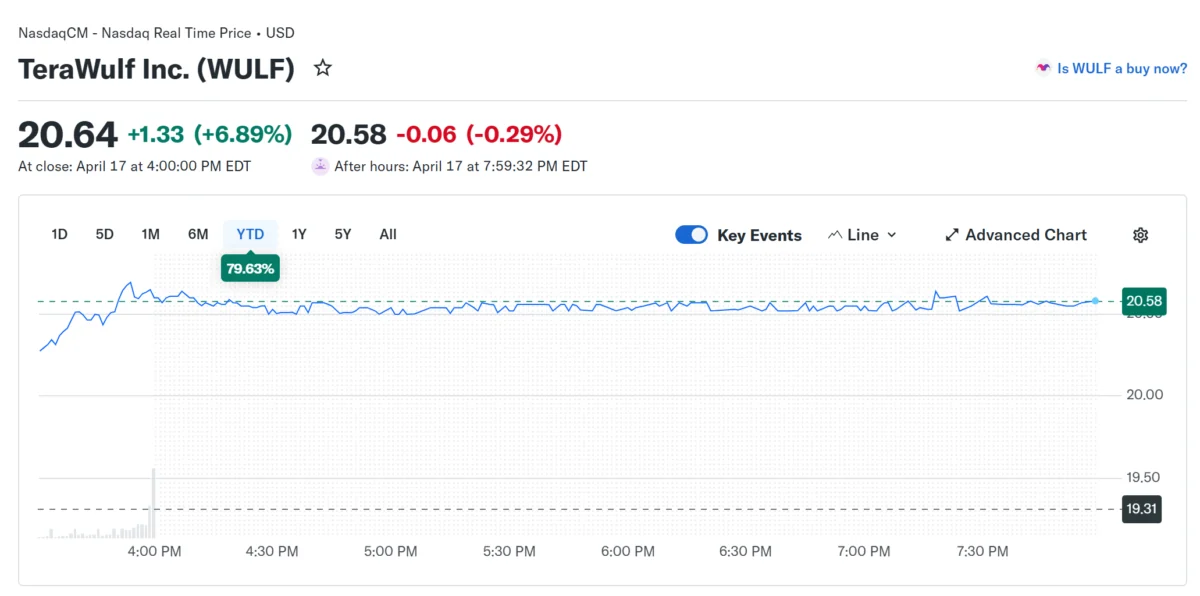
The U.S. aluminum giant Alcoa Corporation is reportedly in advanced stages of divesting its Massena East smelter, a facility in upstate New York that has been dormant for over a decade, to the Bitcoin mining and digital asset firm New York Digital Investment Group (NYDIG). This transaction underscores a burgeoning trend across the United States where legacy industrial sites, once central to heavy manufacturing, are finding new life as crucial infrastructure for the rapidly expanding digital economy, particularly in high-performance computing, artificial intelligence, and cryptocurrency mining. Alcoa CEO Bill Oplinger confirmed to Bloomberg on Friday that the company is nearing an agreement, with the transaction anticipated to conclude by mid-year.
The Massena East Legacy: From Industrial Hub to Dormant Asset
The Massena East smelter, strategically situated along the St. Lawrence River, holds a significant place in the history of American industrial production. Established in the early 20th century, it was one of Alcoa’s pioneering facilities and a cornerstone of the regional economy for decades, providing substantial employment and contributing to the global aluminum supply chain. Aluminum production is an immensely energy-intensive process, requiring continuous, high-capacity electrical input to electrolyze alumina into pure aluminum. For much of its operational history, Massena East benefited from access to the abundant and relatively inexpensive hydropower generated by the New York Power Authority (NYPA), a critical advantage that sustained its operations through various economic cycles.
However, the global landscape of aluminum production shifted dramatically in the 21st century. Rising energy costs within the U.S., coupled with increasingly fierce international competition, particularly from state-subsidized producers in countries like China, began to erode the profitability of older, less efficient smelters. Alcoa made the difficult decision to curtail operations at Massena East in 2014, effectively idling the facility and marking the end of an era for the local community and the company’s regional footprint. The closure left behind a sprawling industrial complex, a testament to past manufacturing prowess but also a challenging environmental and economic liability, awaiting a viable future.
The Strategic Allure of Legacy Industrial Sites for Digital Operators
The appeal of sites like Massena East to modern digital infrastructure companies, such as Bitcoin miners and data center operators, is multifaceted and deeply strategic. Aluminum smelters, by their very nature, were constructed for continuous, 24/7 heavy industrial operations, demanding immense and uninterrupted power supplies. This translates into a pre-existing infrastructure that is incredibly valuable for today’s energy-hungry computing applications.
Specifically, these sites often come equipped with:
- Robust Substations and Transmission Lines: Designed to handle hundreds of megawatts of power, far exceeding the capacity of typical commercial or residential grids. This avoids the monumental capital expenditure and time associated with building such infrastructure from scratch.
- High-Capacity Grid Connections: Direct access to major electrical transmission networks, ensuring reliable power delivery without the need for extensive upgrades.
- Expansive Land and Industrial Buildings: Large footprints that can accommodate rows of computing servers and associated cooling systems, often with existing structural integrity suitable for repurposing.
- Zoning and Permitting Advantages: Industrial zoning is already in place, streamlining regulatory approvals compared to developing greenfield sites in residential or mixed-use areas. This can shave years off development timelines, a critical factor in fast-moving tech industries.
For Bitcoin mining, which relies on specialized Application-Specific Integrated Circuit (ASIC) computers running continuously to solve complex cryptographic puzzles and validate transactions, access to cheap, abundant, and reliable electricity is the single most significant operational cost driver. Similarly, high-performance computing (HPC) and artificial intelligence (AI) data centers, which utilize vast arrays of powerful Graphics Processing Units (GPUs) for parallel processing, consume enormous amounts of electricity for both computation and cooling. The infrastructure at Massena East, therefore, presents a turnkey solution, allowing NYDIG to bypass many of the common hurdles and delays faced by new data center developments.
The Hydropower Dividend: A Green Edge for Energy-Intensive Computing
A particularly attractive feature of the Massena East site is its access to hydropower supplied by the New York Power Authority (NYPA). New York State is a significant producer of renewable energy, with hydroelectric dams like the St. Lawrence-Franklin D. Roosevelt Power Project providing a substantial portion of its clean electricity. For energy-intensive computing firms, this offers a dual advantage:
- Low-Cost Power: Hydropower is generally among the cheapest forms of electricity generation, offering a competitive edge in an industry where energy costs dominate operational budgets.
- Lower-Carbon Footprint: Utilizing renewable energy sources addresses growing environmental concerns surrounding the energy consumption of Bitcoin mining and large-scale data centers. This aligns with increasing investor and public pressure for Environmental, Social, and Governance (ESG) compliant operations, potentially enhancing NYDIG’s sustainability profile.
The ability to source large quantities of low-cost, lower-carbon power from NYPA makes Massena East an exceptionally desirable location for firms looking to scale their digital infrastructure responsibly and economically.
NYDIG’s Strategic Imperative: Expanding its Bitcoin Mining Footprint
New York Digital Investment Group (NYDIG), a subsidiary of Stone Ridge, has positioned itself as a leading institutional provider of Bitcoin products and services. Its acquisition strategy reflects a clear commitment to vertically integrating and expanding its presence within the Bitcoin mining ecosystem. NYDIG’s interest in Massena East is not an isolated event but rather a continuation of a broader strategy to secure critical infrastructure and operational control over its mining assets.
The firm already holds a significant stake in Coinmint, one of the largest digital currency data centers in North America, which operates its mining hardware at the very same Massena campus under a long-term lease. This pre-existing presence likely provided NYDIG with intimate knowledge of the site’s capabilities and its power advantages, making the full acquisition of Massena East a logical next step. Furthermore, NYDIG bolstered its mining operations last year by agreeing to acquire the Bitcoin mining business of Crusoe Energy, including its innovative digital flare mitigation operations which repurpose wasted natural gas into electricity for mining. These moves collectively demonstrate NYDIG’s ambition to become a dominant player in the institutional Bitcoin mining space, emphasizing secure, reliable, and increasingly, sustainably powered infrastructure.

A Broader National Trend: Repurposing America’s Industrial Heartland
The potential sale of Alcoa’s Massena East smelter is symptomatic of a wider economic and industrial transformation occurring across the United States. Regions that once thrived on heavy industry are now witnessing a repurposing of their legacy infrastructure for the demands of the digital age. This trend is driven by several factors: the decline of traditional manufacturing, the explosive growth of data centers, AI, and cryptocurrency mining, and the inherent advantages of existing industrial power infrastructure.
Earlier this year, a prominent example emerged with Century Aluminum’s sale of its Hawesville smelter in Kentucky to TeraWulf, another significant player in the digital infrastructure space, for a reported $200 million. TeraWulf announced plans to convert the site into a high-performance computing and AI facility, signaling a clear shift away from traditional industrial use. The Hawesville site, much like Massena East, possessed the robust electrical grid connections and expansive land necessary for such an undertaking, representing a substantial head start for TeraWulf compared to a greenfield development. These transformations are not merely transactional; they represent a fundamental reimagining of industrial landscapes and their potential contribution to the national economy.
Bitcoin Miners Pivot to AI: Diversifying Revenue Streams Amid Evolving Markets
NYDIG’s renewed push into Bitcoin mining infrastructure comes at a fascinating juncture for the industry. While securing low-cost power remains paramount, many Bitcoin mining firms are increasingly exploring diversification strategies, with a notable pivot towards high-performance computing (HPC) and artificial intelligence (AI) infrastructure. This shift is largely driven by evolving market dynamics, including fluctuating Bitcoin prices, increasing network difficulty (which requires more computational power for the same reward), and the consequent shrinking profit margins in pure Bitcoin mining.
The synergy between Bitcoin mining and AI/HPC lies in their shared fundamental requirements: immense computational power and robust electrical infrastructure. The specialized hardware (ASICs for Bitcoin mining, GPUs for AI/HPC) and the accompanying cooling systems and data center environments are often adaptable. Several prominent miners have already embarked on this diversification path:
- MARA Holdings (Marathon Digital): One of the largest Bitcoin miners, MARA, earlier this year acquired a 64% stake in the French infrastructure company Exaion. This strategic move provided MARA with a significant foothold in AI services, allowing them to leverage their energy infrastructure and expertise beyond just Bitcoin mining.
- Hive Digital Technologies: Hive, another major player, has explicitly articulated plans to raise substantial capital (e.g., $75 million) to fund an AI infrastructure push, recognizing the immense demand for GPU-based computing.
- Hut 8, TeraWulf, and Iren (formerly Iris Energy): These companies are actively repurposing existing or developing new mining facilities with the dual capability to serve either Bitcoin mining or high-performance computing needs, offering flexibility based on market conditions and demand.
- CoreWeave: Perhaps the most notable success story of this transition, CoreWeave began as a cryptocurrency miner and has now fully transitioned into a specialized cloud provider for AI and HPC workloads. They have successfully leveraged their mining infrastructure and expertise to become a significant player in the burgeoning AI computing market, attracting substantial investment and partnerships.
This strategic pivot reflects a mature understanding among digital asset infrastructure firms that their core competency lies not just in "mining Bitcoin" but in managing large-scale, energy-intensive computing operations. By diversifying into AI and HPC, they can mitigate risks associated with Bitcoin’s volatility, tap into new, high-growth revenue streams, and maximize the utilization of their expensive power and hardware investments.
Implications and Future Outlook
The sale of the Massena East smelter to NYDIG carries significant implications on multiple fronts:
Economic Impact: For the Massena region, this transaction could signal a revitalization of a long-dormant industrial site. While the number of direct jobs in a Bitcoin mining operation might be fewer than in a traditional smelter, it brings investment, potentially generates tax revenue, and creates demand for local support services. It also repurposes a significant piece of industrial real estate, preventing further blight.
Environmental Considerations: The use of hydropower addresses some of the environmental concerns associated with Bitcoin mining’s energy consumption. However, the sheer scale of energy demand from such operations will likely continue to draw scrutiny. Local communities and environmental groups will monitor the facility’s operations for noise pollution, heat dissipation, and its overall carbon footprint, even with renewable energy sources.
Technological Transformation: This deal exemplifies the profound technological shift underway, where the physical infrastructure of the 20th century is being adapted to power the digital demands of the 21st. It highlights the growing convergence of energy, real estate, and digital technology sectors.
Corporate Strategy: For Alcoa, the divestment is part of a broader strategy to streamline operations, shed non-core assets, and focus on its primary aluminum production business, particularly in more competitive and efficient facilities. For NYDIG, it solidifies its position as a major institutional player in the Bitcoin ecosystem, securing vital, low-cost, and relatively clean energy infrastructure.
As the digital economy continues its relentless expansion, the repurposing of legacy industrial sites like Massena East is likely to become an increasingly common narrative. These dormant giants, once symbols of past industrial might, are being reborn as critical nerve centers for the future of computing, signaling a profound and ongoing transformation of the American economic landscape.