admin
admin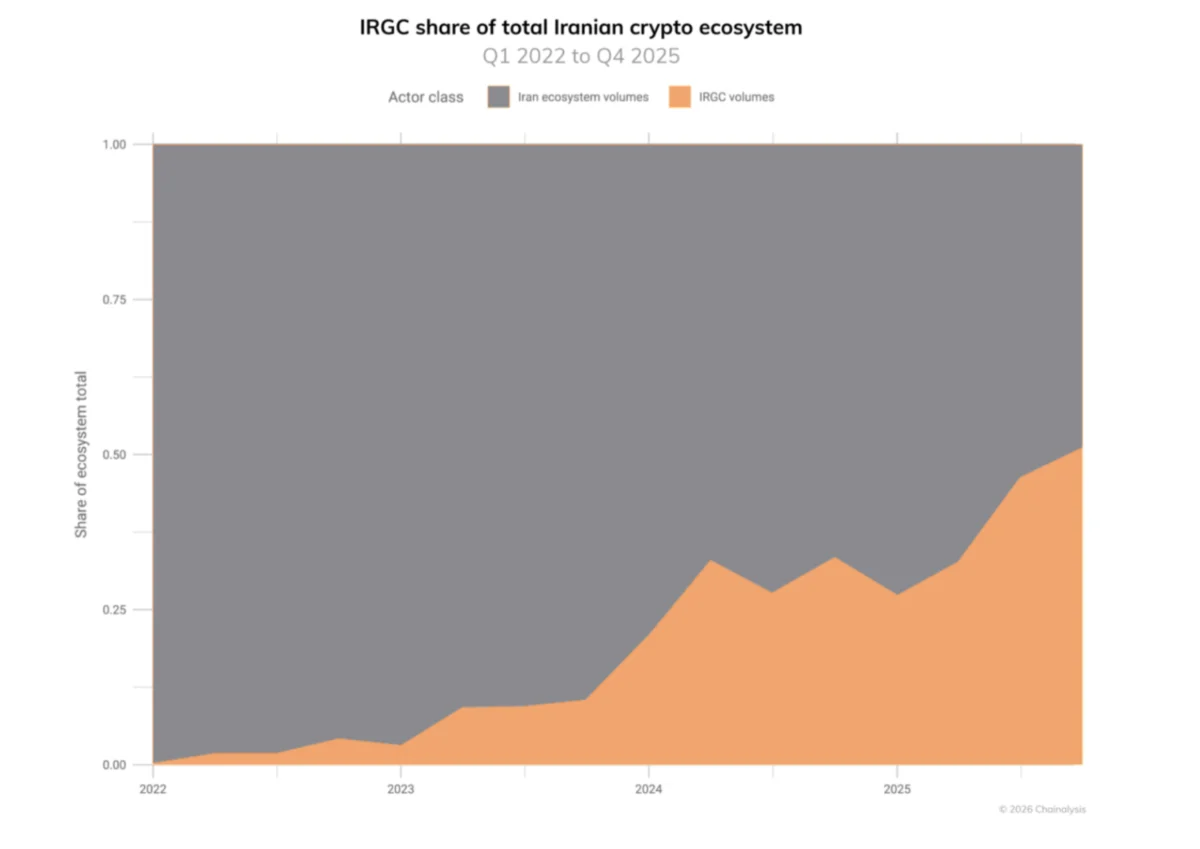
Iran’s Quest for Financial Autonomy: A History of Sanctions and Innovation
To fully grasp the significance of Iran’s embrace of Bitcoin, it is essential to understand the country’s protracted struggle against a web of international economic sanctions. For decades, Iran has faced severe restrictions imposed by the United States, the United Nations, and the European Union, primarily in response to its nuclear program, alleged support for terrorism, and human rights record. These sanctions have systematically isolated Iran from the traditional global financial system, cutting off access to crucial mechanisms like the SWIFT interbank messaging network and dollar clearing facilities. The economic repercussions have been profound, crippling Iran’s ability to conduct international trade, particularly its lucrative oil exports, which are the lifeblood of its economy. Banks, shipping companies, and businesses worldwide face severe penalties for engaging with sanctioned Iranian entities, effectively forcing Iran to seek alternative pathways for financial transactions.
Against this backdrop, Iran began exploring digital assets as a potential workaround for its financial isolation as early as 2018. Recognizing the inherent characteristics of cryptocurrencies – their decentralized nature, peer-to-peer transaction capabilities, and independence from traditional banking intermediaries – the Iranian government saw an opportunity to circumvent sanction regimes. This period marked the beginning of a deliberate and evolving digital asset strategy. In 2019, Iran officially recognized and legalized cryptocurrency mining as an industrial activity, viewing it as a means to generate hard currency by leveraging its abundant and cheap electricity. The government subsequently issued licenses for crypto exchanges and even began exploring the development of its own central bank digital currency (CBDC), demonstrating a comprehensive approach to integrating digital assets into its financial infrastructure. This culminated in 2022 when Iran announced its first official import order paid for with cryptocurrency, a clear signal of its intent to utilize digital assets for international trade. The recent announcement regarding Bitcoin for oil tolls in the Strait of Hormuz is a logical progression of this strategy, highlighting a move from general crypto adoption to targeting specific, high-value transactions that are critical for national revenue.
The Strategic Value of Bitcoin: Censorship Resistance as a Geopolitical Tool
Sam Lyman’s assertion that Bitcoin’s primary appeal lies in its censorship resistance is central to understanding its strategic value for nations like Iran. Unlike traditional fiat currencies, which are issued and controlled by central banks and can be frozen or seized by state actors, Bitcoin operates on a decentralized, public ledger known as the blockchain. Transactions are verified by a global network of independent nodes and miners, rather than a centralized authority. Once a transaction is confirmed on the blockchain, it is immutable, meaning it cannot be reversed or altered. This fundamental design makes Bitcoin exceptionally resistant to censorship or external control.
In practical terms, this means that no government, financial institution, or intermediary can unilaterally block, freeze, or confiscate Bitcoin held in a self-custodied wallet. The Bitcoin network itself is designed to be permissionless and robust, making it virtually impossible to shut down without disabling the entire global internet. This characteristic stands in stark contrast to the vulnerabilities of the traditional financial system, where the US Treasury Department, for example, can issue directives to financial institutions to freeze assets belonging to sanctioned entities. Even stablecoins, while offering the perceived stability of being pegged to a fiat currency, are issued by centralized entities (like Tether for USDT) that can, and often do, comply with regulatory requests to freeze wallets associated with illicit activities or sanctioned individuals/entities. For Iran, this distinction is not merely theoretical; it represents a tangible pathway to maintaining financial sovereignty and facilitating trade in the face of relentless economic pressure. The ability to conduct transactions without the oversight or potential interference of external powers transforms Bitcoin from a mere digital currency into a critical instrument of national strategy, offering a degree of financial autonomy previously unattainable for sanctioned states.
The Strait of Hormuz: A Geopolitical Chokepoint and New Financial Frontier
The Strait of Hormuz is one of the world’s most critical maritime chokepoints, connecting the Persian Gulf to the open ocean. Approximately one-fifth of the world’s total petroleum consumption, and a significant portion of global liquefied natural gas (LNG), passes through this narrow waterway. Its strategic importance makes it a focal point of international trade and geopolitical tensions. Iran, situated along its northern coast, exerts significant influence over the Strait, and its ability to impose tolls or control passage is a powerful lever in regional and global affairs. The decision to accept Bitcoin for these crucial oil transit tolls adds another layer of complexity to this already sensitive region.
Historically, tolls and payments for passage through such international waters are conducted in major reserve currencies, primarily the US dollar. Iran’s move to diversify payment options, particularly by including Bitcoin, challenges the long-standing dominance of the petrodollar system and signals a broader shift towards de-dollarization among certain nations. For shipping companies, this presents a mixed bag of opportunities and challenges. While offering an alternative to traditional banking channels that might be wary of facilitating transactions with Iran, it also introduces new complexities related to regulatory compliance, the volatility of Bitcoin, and the establishment of secure crypto payment infrastructures. International maritime organizations and major shipping insurers will likely need to re-evaluate their policies and protocols to navigate this emerging payment landscape, potentially setting precedents for other strategically important waterways globally.
Stablecoins: A Pragmatic but Imperfect Solution for Sanctioned States
Despite the allure of Bitcoin’s censorship resistance, the immediate reality of Iran’s digital asset strategy reveals a heavy reliance on USD-pegged stablecoins, particularly Tether (USDT). Lyman pointed out that Iran has had a digital asset strategy for several years, dating back to about 2018, and "the majority of transactions that take place there are with USDt." This preference for stablecoins, despite their inherent vulnerability to centralized control and freezing, highlights a pragmatic approach by the Iranian regime.

Stablecoins offer several advantages that pure cryptocurrencies like Bitcoin currently lack for large-scale, routine transactions. Firstly, their peg to the US dollar provides price stability, mitigating the volatility risks associated with Bitcoin, which can fluctuate wildly in short periods. This stability is crucial for budgeting, pricing goods, and managing financial risk in international trade. Secondly, stablecoins often boast higher liquidity and faster transaction speeds on certain blockchain networks compared to Bitcoin, making them more suitable for the rapid settlement of commercial transactions. Finally, the familiarity of a dollar-pegged asset, even in digital form, might make them more palatable for some trading partners or intermediaries who are accustomed to dollar-denominated trade but are wary of directly handling fiat dollars due to sanctions.
However, the use of stablecoins comes with a significant caveat: they are not censorship-resistant. As Lyman explained, stablecoin issuers like Tether can, and do, freeze wallets in compliance with regulatory mandates, particularly those from the US Treasury Department’s Office of Foreign Assets Control (OFAC). This means that funds held in stablecoins are still susceptible to seizure. Lyman described Iran’s strategy as "rolling the dice," acknowledging the risk but accepting it as a "cost of doing business." He provided compelling data to support this perspective: since 2022, the Iranian government has managed to shift approximately $3 billion in cryptocurrencies, with the "majority" of that value in stablecoins. Crucially, the US Treasury Department was only able to freeze about $600 million of these assets. "They were able to move $3 billion, and only have $600 million frozen. They were still able to move about $2.4 billion. So, I think that’s why stablecoins are still a go-to for the regime," Lyman concluded. This analysis suggests that while a portion of their stablecoin holdings may be frozen, the net amount that successfully bypasses sanctions is substantial enough to justify the continued use of these assets, making them a viable, albeit risky, tool for financial circumvention. Furthermore, research from BPI indicates that transactions carried out by the Iranian Revolutionary Guard Corps account for nearly half of the total crypto market volume in Iran, underscoring the deep integration of digital assets into the country’s strategic and military-economic operations, often with direct links to sanctioned entities.
Broader Implications for National Security and US Policy
Iran’s public embrace of Bitcoin as a payment method carries profound implications that extend far beyond its immediate economic relief. It presents a stark challenge to the existing global financial order and compels nations, particularly the United States, to reassess their approach to digital assets. Lyman explicitly stated that this announcement highlights why US lawmakers should recognize and treat Bitcoin as a strategic asset, rather than adopting a hostile regulatory stance or dismissing digital assets altogether.
From a national security perspective, the ability of states to circumvent traditional financial controls through decentralized cryptocurrencies fundamentally alters the efficacy of sanctions as a foreign policy tool. If more sanctioned entities or adversarial nations follow Iran’s lead, the US and its allies may find their economic leverage significantly diminished. This necessitates a re-evaluation of how to counter illicit finance in a decentralized world, potentially requiring new diplomatic, intelligence, and technological strategies.
For US policymakers, the dilemma is multifaceted. A restrictive or prohibitive stance on digital assets within the US could inadvertently push legitimate innovation overseas and hinder the development of technologies that could ultimately serve US strategic interests. Conversely, a permissive environment could facilitate illicit activities by adversaries. The challenge lies in crafting a regulatory framework that fosters responsible innovation while simultaneously addressing national security concerns. This includes exploring how to monitor, trace, and potentially disrupt illicit transactions on public blockchains, recognizing that complete prevention may be impossible.
Analysts suggest that the US Treasury and State Department will likely view Iran’s move as a direct challenge to the sanctions regime, potentially leading to increased enforcement actions, including the designation of specific crypto addresses associated with Iranian entities. However, the decentralized nature of Bitcoin means that enforcement will be inherently more complex than freezing traditional bank accounts. International bodies like the International Maritime Organization (IMO) and major shipping and insurance companies will also face pressure to adapt. They will need to establish clear guidelines for accepting or processing crypto payments while adhering to existing international laws and sanctions. The precedent set by Iran could also inspire other nations facing similar financial isolation to accelerate their own digital asset strategies, potentially leading to a more multipolar financial world where the dominance of the US dollar is gradually eroded.
Challenges and Future Outlook
While Iran’s move is strategically significant, its full implementation faces several practical challenges. The inherent volatility of Bitcoin remains a concern for large-scale international trade, as price fluctuations could lead to significant gains or losses for either party. Hedging strategies or immediate conversion to a stable currency would be necessary to mitigate this risk. Furthermore, the infrastructure for securely handling and settling large volumes of Bitcoin transactions for oil shipments needs to be robust and reliable. While Bitcoin’s network is secure, the points of exchange and custody require sophisticated security measures to prevent theft or loss.
Despite these challenges, Iran’s declaration signals a clear intent to leverage decentralized technologies for its strategic advantage. This development underscores the growing intersection of geopolitics, finance, and cutting-edge technology. The ongoing saga of Iran’s digital asset strategy will serve as a crucial test case for how nation-states navigate the complexities of a global financial system increasingly shaped by cryptocurrencies. It highlights the urgent need for comprehensive policy debates and robust international cooperation to address the evolving landscape of global finance, national security, and the future role of digital assets. The world watches as Bitcoin transitions from a niche technological curiosity to a potentially pivotal tool in the arsenal of national economic and geopolitical strategy.