admin
admin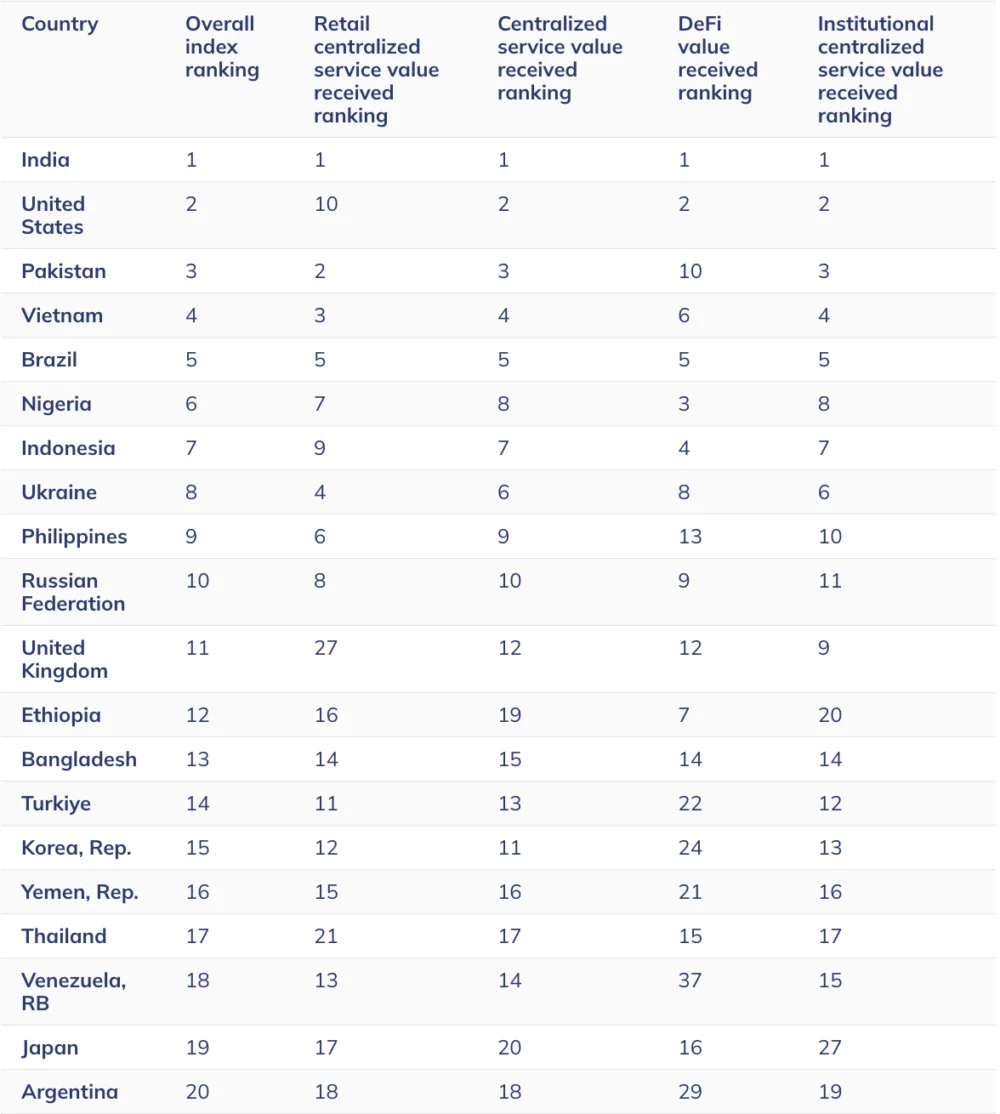
Pakistan’s legislative landscape for digital assets underwent a transformative shift on Wednesday, March 5, 2026, with the parliamentary passage of the Virtual Assets Act, 2026. This pivotal legislation officially solidifies the Pakistan Virtual Assets Regulatory Authority (PVARA) as the nation’s primary digital asset regulator, marking a definitive pivot towards formalizing the burgeoning crypto industry, enforcing stringent compliance standards, and fostering a regulated environment for innovation within the country’s financial ecosystem. The bill, having successfully navigated both the Senate and Pakistan’s National Assembly, now awaits the crucial signature of President Asif Ali Zardari to be enacted into law, a step widely anticipated to unlock new avenues for economic growth and position Pakistan as a significant player in the global digital economy.
The Virtual Assets Act represents a culmination of months of proactive policy development aimed at integrating digital assets into Pakistan’s formal financial framework. The overarching objective of the new law is to provide comprehensive legal clarity and regulatory certainty for virtual asset service providers (VASPs) and participants within the digital asset space. This framework is designed to protect consumers, prevent illicit financial activities, and encourage responsible innovation, aligning Pakistan with international best practices in financial regulation.
The Regulatory Framework Unveiled: PVARA’s Mandate
At the heart of the Virtual Assets Act, 2026, lies the formal empowerment of the Pakistan Virtual Assets Regulatory Authority (PVARA). Established in July 2025, PVARA has been designated as the apex government agency responsible for overseeing all aspects of the country’s digital asset sector. The newly passed legislation explicitly grants PVARA extensive authority, fundamentally transforming the operational landscape for crypto businesses in Pakistan.
Under the Act, PVARA is now mandated to enforce a robust licensing framework for all digital asset service providers operating within Pakistan. This includes, but is not limited to, cryptocurrency exchanges, custodial service providers, wallet providers, and other entities facilitating transactions involving virtual assets. The introduction of mandatory licensing aims to ensure that only legitimate and compliant entities can operate, thereby enhancing market integrity and investor confidence. The specific requirements for these licenses are expected to be detailed in subsequent regulations issued by PVARA, covering aspects such as capital adequacy, operational security, and consumer protection mechanisms.
Beyond licensing, PVARA is also tasked with the crucial responsibility of establishing and enforcing comprehensive anti-money laundering (AML) provisions and international sanctions compliance. This particular mandate is of paramount importance given Pakistan’s historical engagement with international financial watchdogs. The legislation underscores a commitment to combating financial crime and ensuring that the digital asset ecosystem does not become a conduit for illicit flows. PVARA will work closely with other financial intelligence units and law enforcement agencies to monitor transactions, identify suspicious activities, and implement robust know-your-customer (KYC) and customer due diligence (CDD) procedures across the virtual asset industry.
Bilal Bin Saqib, Chairman of PVARA, articulated the immediate priorities following the bill’s passage. "With no objection certificates (NOCs) already issued and banking rails being developed in coordination with the State Bank of Pakistan, we are now moving toward a comprehensive licensing framework aligned with global AML and financial integrity standards," Saqib stated. His remarks highlight the sequential approach being taken, where initial approvals pave the way for a more granular and globally compliant licensing regime, indicating a methodical and well-considered rollout of the regulatory apparatus. The development of dedicated banking rails is a critical component, as it provides the essential infrastructure for fiat-to-crypto and crypto-to-fiat conversions, enabling legitimate businesses to operate seamlessly within the traditional financial system.
A Historic Policy Reversal: From Prohibition to Proactive Regulation
The passage of the Virtual Assets Act represents a monumental shift in Pakistan’s official stance on cryptocurrencies, reversing years of skepticism and outright opposition from key regulatory bodies. For a considerable period, Pakistan’s financial regulators, including the State Bank of Pakistan (SBP) and the Ministry of Finance, maintained a cautious, if not outright hostile, position towards digital assets. Concerns primarily revolved around potential illicit use cases, market volatility, and the absence of a clear regulatory framework. Previously, officials had publicly stated that cryptocurrencies would "never be legalized" or integrated into the mainstream financial system, citing risks related to money laundering, terrorism financing, and capital flight, particularly in the context of the Financial Action Task Force (FATF) scrutiny.
This long-standing pushback began to soften significantly in November 2024, when the government of Pakistan signaled a decisive move to regulate cryptocurrencies, including considerations for treating them as a recognized asset class. This policy pivot was driven by a confluence of factors, including the global proliferation of digital assets, the undeniable economic potential they offered, and a growing recognition that an outright ban was proving ineffective in stemming their use, leading instead to an unregulated shadow market. The decision to embrace regulation rather than prohibition marked a pragmatic acknowledgment of the inevitability and potential benefits of digital finance.

The chronology of this remarkable shift can be traced as follows:
- Pre-November 2024: Characterized by strong regulatory warnings, including circulars from the State Bank of Pakistan cautioning against the use of cryptocurrencies and emphasizing their speculative nature and lack of legal backing. The prevailing sentiment was one of non-recognition and discouragement.
- November 2024: The Pakistani government publicly announces its intention to regulate cryptocurrencies, signaling a departure from its previous stance. This marked the initial formal step towards integrating digital assets into the national financial system.
- July 2025: The Pakistan Virtual Assets Regulatory Authority (PVARA) is established, an interim but crucial step towards building the dedicated institutional infrastructure required for comprehensive oversight.
- December 2025: At the Bitcoin MENA conference, PVARA Chairman Bilal Bin Saqib publicly articulates Pakistan’s vision for blockchain technology as "critical infrastructure" and digital assets as the "foundation of a new financial rail for the global south," underscoring the strategic importance attached to this sector.
- January 2026: Pakistan formalizes a significant international collaboration by signing a Memorandum of Understanding (MoU) with SC Financial Technologies, an affiliate of World Liberty Financial, the decentralized finance platform notably co-founded by the sons of former US President Donald Trump. This agreement aims to explore the use of the USD1 stablecoin for digital payments, particularly for cross-border transactions and remittances, highlighting a practical application of the emerging framework.
- March 2026: The Virtual Assets Act, 2026, is passed by both houses of Parliament, providing the legal backbone for PVARA’s operations and the overall regulation of the digital asset industry.
This rapid sequence of events underscores a deliberate and accelerated effort by Pakistani authorities to not only catch up with global trends but to position the nation as a leader in digital asset innovation and regulation.
Driving Economic Transformation: Strategic Initiatives and Global Partnerships
Pakistan’s pivot towards regulating digital assets is not merely about compliance; it is intricately linked to broader economic development goals. The government views blockchain technology and virtual assets as strategic tools to address various economic challenges and unlock new opportunities.
One of the most ambitious initiatives announced by Pakistan is the establishment of a Bitcoin strategic reserve. This move, unprecedented for many developing nations, reflects a deep-seated belief in Bitcoin’s long-term value and its potential to diversify national assets, similar to gold reserves. While details regarding the size and management of this reserve are still emerging, it signals a high level of confidence in Bitcoin as a store of value and a strategic economic asset.
Further demonstrating its commitment to the digital economy, Pakistan has allocated a substantial 2,000 megawatts of electricity specifically for Bitcoin mining and artificial intelligence (AI) data centers. This allocation is significant, considering Pakistan’s ongoing energy needs and infrastructure development. The decision to dedicate such a large power capacity indicates a strategic intent to attract large-scale mining operations and foster a domestic AI industry, leveraging the country’s potential for relatively low-cost energy, particularly from renewable sources. This infrastructure development is expected to create jobs, attract foreign direct investment, and establish Pakistan as a hub for energy-intensive digital operations.
The collaboration with SC Financial Technologies to explore the use of the USD1 stablecoin for digital payments is another critical component of Pakistan’s strategy. Remittances constitute a vital source of foreign exchange for Pakistan, with millions of expatriates sending money back home. Traditional remittance channels often involve high fees and slow transaction times. The adoption of stablecoins like USD1 could significantly streamline cross-border payments, making them faster, cheaper, and more efficient. This would not only benefit individual recipients but also boost the national economy by improving the flow of capital and reducing transaction costs. The MoU specifically targets improving cross-border transactions and remittances, areas where blockchain technology offers compelling advantages.
PVARA Chairman Bilal Bin Saqib has consistently emphasized the transformative potential of these technologies. At the Bitcoin MENA conference in December 2025, he highlighted that "digital assets are the foundation of a new financial rail for the global south," and that Pakistan views "blockchain technology as critical infrastructure." This perspective positions Pakistan as a proponent of decentralized finance solutions for developing economies, seeking to leverage blockchain to bypass traditional financial bottlenecks and foster greater financial inclusion and efficiency.
Strengthening Financial Integrity: AML, Sanctions, and FATF Compliance
A core driver behind the comprehensive regulatory framework is Pakistan’s commitment to strengthening its financial integrity, particularly in the context of anti-money laundering (AML) and combating the financing of terrorism (CFT). Pakistan has had a complex relationship with the Financial Action Task Force (FATF), the global watchdog for AML/CFT. The country has been on and off the FATF’s grey list for years, facing intense scrutiny to improve its regulatory and enforcement mechanisms against financial crimes.
The Virtual Assets Act, 2026, and the formalization of PVARA are direct responses to these international obligations. By establishing a clear legal framework for virtual assets, Pakistan aims to demonstrate its proactive approach to mitigating the risks associated with crypto-related financial crimes. The Act’s provisions for stringent AML and international sanctions compliance are designed to bring the virtual asset sector under the same rigorous oversight applied to traditional finance.

PVARA’s mandate to set and enforce these provisions means that VASPs will be required to implement robust internal controls, report suspicious transactions, and adhere to global standards for customer identification and verification. This structured approach is crucial for preventing the use of virtual assets for illicit purposes and for safeguarding Pakistan’s financial system from exploitation by criminal elements. Successful implementation of these measures is expected to enhance Pakistan’s standing with international bodies like the FATF, contributing to a more favorable global financial reputation. The transparent and regulated environment is also likely to attract legitimate foreign investment, as investors are typically more comfortable operating in jurisdictions with clear rules and strong compliance frameworks.
The Vision for a Digital Future: Pakistan as a Crypto Hub
The cumulative impact of these legislative and strategic moves has led to ambitious projections for Pakistan’s future in the digital asset space. Binance co-founder Changpeng Zhao (CZ), a prominent figure in the global crypto industry, has publicly stated that Pakistan could emerge as a global hub for digital assets by 2030, provided the country maintains its current rapid pace of development and regulatory progress. This endorsement from a leading industry figure underscores the significant potential that international observers see in Pakistan’s evolving ecosystem.
Several factors support this optimistic outlook. Pakistan boasts a large, tech-savvy youth population, a growing internet penetration rate, and a strong culture of remittances. These demographic and economic characteristics create a fertile ground for digital asset adoption and innovation. Indeed, Pakistan consistently ranks near the top of Chainalysis’s Global Crypto Adoption Index, reflecting a high grassroots engagement with cryptocurrencies despite the previous lack of clear regulation. The formalization of the industry is expected to accelerate this adoption and bring more users into a regulated and secure environment.
The establishment of a regulated market is also expected to foster local innovation, encouraging startups to build solutions leveraging blockchain technology. This could lead to job creation in the tech sector, attract venture capital, and contribute to the diversification of Pakistan’s economy away from traditional sectors. The strategic allocation of electricity for mining and AI data centers further reinforces the government’s commitment to building foundational infrastructure for a digital economy.
Challenges and Opportunities Ahead
While the passage of the Virtual Assets Act marks a significant milestone, the journey towards becoming a global crypto hub is not without its challenges. The successful implementation of the Act will require robust enforcement mechanisms, continuous adaptation to evolving technological landscapes, and effective collaboration between PVARA, the State Bank of Pakistan, and other government agencies. Educating the public and financial institutions about the new regulations and the responsible use of digital assets will also be crucial.
Moreover, the global regulatory environment for virtual assets remains dynamic, with different jurisdictions adopting varying approaches. Pakistan will need to stay agile, monitoring international developments and adapting its framework to maintain competitiveness and compliance with global standards. The stability of energy supply, particularly for large-scale mining operations, will also be a critical factor in attracting and retaining investment.
Despite these challenges, the opportunities presented by this new legislation are immense. It promises to bring regulatory clarity, foster innovation, enhance financial inclusion, improve remittance flows, and attract foreign investment. By taking a proactive and comprehensive approach to digital asset regulation, Pakistan is positioning itself to harness the transformative power of blockchain technology and virtual assets for sustainable economic growth and a more integrated global financial future. The impending presidential assent will be the final step in cementing this historic legislative achievement, setting the stage for Pakistan’s ambitious digital journey.