admin
admin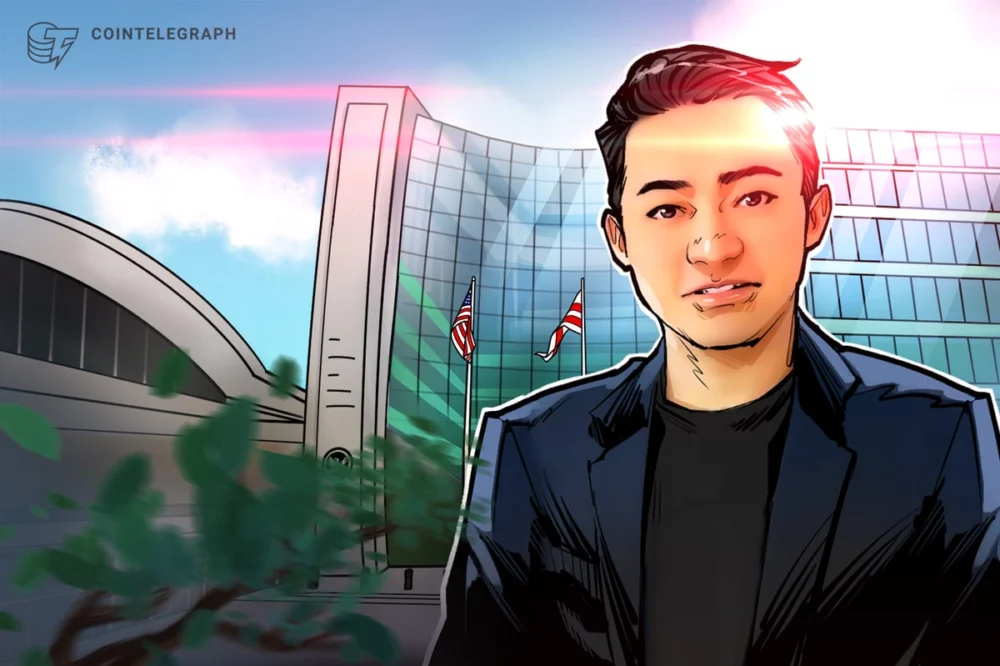
The U.S. Securities and Exchange Commission (SEC) has officially concluded its protracted legal battle against prominent crypto entrepreneur Justin Sun, alongside his associated entities, through a $10 million settlement. This resolution, formally announced in a letter to a Manhattan federal court on Thursday, May 2, 2024, brings an end to a two-year legal dispute that centered on allegations of fraud and violations of securities laws pertaining to the Tronix (TRX) and BitTorrent (BTT) tokens. The settlement stipulates that Rainberry, Inc., a company linked to Sun and the BitTorrent ecosystem, will pay the substantial fine, while claims against Sun himself, the Tron Foundation, and the BitTorrent Foundation will be dropped. This development marks a significant moment in the ongoing regulatory efforts by U.S. authorities to assert jurisdiction over the rapidly evolving cryptocurrency market.
The Genesis of the Allegations: Unregistered Securities and Market Manipulation
The lawsuit, initially filed by the SEC in March 2023, laid out a series of serious charges against Justin Sun and his corporate network. At its core, the commission alleged that Sun and his companies had engaged in the unregistered offer and sale of two crypto asset securities: TRX, the native token of the TRON blockchain, and BTT, a token integrated into the BitTorrent file-sharing protocol. The SEC contended that these offerings constituted unregistered securities offerings, bypassing the necessary disclosures and investor protections mandated by U.S. securities laws.
Beyond the unregistered securities claims, the SEC also accused Sun of orchestrating a sophisticated wash trading scheme involving TRX. Wash trading is a prohibited practice where an investor simultaneously buys and sells the same financial instrument to create a misleading impression of market activity, volume, or price. The SEC alleged that Sun directed employees to engage in more than 600,000 wash trades of TRX between February 2017 and September 2019, manipulating the token’s price and artificially inflating trading volumes. This alleged manipulation aimed to make TRX appear more liquid and attractive to potential investors than it genuinely was, thereby deceiving the market.
Additionally, the lawsuit included allegations that Sun paid celebrities to promote TRX and BTT without disclosing their compensation, a practice that the SEC views as illegal "touting" under federal securities laws. While these touting charges were part of the initial filing, the settlement primarily focused on the unregistered securities and wash trading allegations, with Rainberry Inc. bearing the financial penalty for the latter claims as well.
A Chronology of Conflict: From Launch to Legal Resolution
The journey leading to this settlement spans several years, tracing the rapid ascent of Justin Sun and his projects in the crypto space alongside the increasing scrutiny from regulators.
- 2017: The Rise of Tron: Justin Sun, a protégé of Alibaba founder Jack Ma and a prominent figure in the Chinese tech scene, launched the TRON Foundation and its native cryptocurrency, Tronix (TRX), following an Initial Coin Offering (ICO). TRON’s stated goal was to decentralize the internet through blockchain technology, building an ecosystem for dApps and content sharing. The ICO, like many during that boom period, raised substantial capital.
- 2018: BitTorrent Acquisition: The TRON Foundation acquired BitTorrent, a pioneering peer-to-peer file-sharing company. This acquisition was a significant move, signaling Sun’s ambition to integrate blockchain technology with established internet protocols.
- 2019: BitTorrent Token (BTT) Launch: Following the acquisition, the BitTorrent Token (BTT) was launched, designed to incentivize users within the BitTorrent ecosystem to share files and bandwidth. BTT was distributed to TRX holders, further intertwining the two ecosystems.
- Early 2020s: Increasing Regulatory Scrutiny: As the crypto market matured and experienced significant growth, the SEC intensified its focus on the sector. High-profile enforcement actions against companies like Ripple (XRP) and LBRY (LBC) began to signal the SEC’s broad interpretation of crypto assets as unregistered securities.
- March 2023: SEC Files Lawsuit: The SEC officially filed its lawsuit against Justin Sun, the Tron Foundation, the BitTorrent Foundation, and Rainberry Inc. in the U.S. District Court for the Southern District of New York. The filing detailed the allegations of unregistered securities offerings for TRX and BTT, wash trading of TRX, and illegal celebrity touting.
- March 2023 – May 2024: Legal Proceedings and Negotiations: Over the subsequent year, legal proceedings unfolded. Sun and his legal team challenged the SEC’s jurisdiction, arguing that the sales of TRX and BTT predominantly occurred outside the U.S. and thus fell outside the SEC’s purview. The SEC maintained its stance, asserting that U.S. investors were affected.
- May 2024: Settlement Announced: After months of legal maneuvering and likely negotiations, the SEC informed the court of the settlement agreement. Rainberry Inc. agreed to pay $10 million, and the claims against Justin Sun and the other entities were dropped.
The Parties Involved: Profiles and Context
Understanding the entities involved is crucial for appreciating the scope and implications of this settlement.
Justin Sun: A highly visible and often controversial figure in the cryptocurrency world. Sun founded TRON, served as CEO of BitTorrent, and later became the permanent representative of Grenada to the World Trade Organization (WTO). His entrepreneurial style has often been characterized by aggressive marketing and ambitious pronouncements. He is known for his connections to various high-profile individuals and for making significant investments in other crypto projects. His involvement in this lawsuit placed him at the forefront of the SEC’s regulatory push against individual crypto founders.
Tron Foundation: The organization behind the TRON blockchain, a decentralized platform aiming to build a free, global digital content entertainment system. TRON hosts a variety of decentralized applications (dApps), stablecoins like USDD, and boasts a significant number of active users and transactions. Its native token, TRX, is a major cryptocurrency by market capitalization. The foundation plays a crucial role in the development and governance of the TRON ecosystem.
BitTorrent Foundation and Rainberry Inc.: BitTorrent, Inc. (later renamed Rainberry, Inc.) is the company behind the widely used peer-to-peer communication protocol. After its acquisition by the TRON Foundation in 2018, it embarked on a strategy to integrate blockchain technology, leading to the creation of the BitTorrent Token (BTT). Rainberry Inc. was central to the BTT token offering and its subsequent integration into the BitTorrent ecosystem. The fact that Rainberry Inc. is the entity paying the $10 million fine suggests a specific allocation of responsibility within Sun’s corporate structure, likely related to the BTT token sales and the alleged wash trading activities.
The U.S. Securities and Exchange Commission (SEC): As the primary regulator of securities markets in the United States, the SEC’s mission is to protect investors, maintain fair, orderly, and efficient markets, and facilitate capital formation. Under Chairman Gary Gensler, the SEC has adopted an "enforcement-first" approach to regulating the crypto industry, consistently asserting that most crypto assets are unregistered securities subject to its jurisdiction. The agency primarily relies on the "Howey Test," derived from a 1946 Supreme Court case, to determine whether an asset constitutes an "investment contract" and thus a security. This test asks whether there is an investment of money in a common enterprise with a reasonable expectation of profits to be derived from the entrepreneurial or managerial efforts of others. The SEC has applied this test rigorously to numerous crypto tokens.
Unpacking the Charges: Unregistered Securities and Wash Trading
The SEC’s allegations against Sun and his entities represent core tenets of its regulatory strategy in the crypto space.
Unregistered Securities Offerings (TRX and BTT): The SEC argued that both TRX and BTT met the criteria of investment contracts under the Howey Test. They contended that investors bought these tokens with the expectation of profit, relying on the managerial and entrepreneurial efforts of Sun and his teams to develop and promote the TRON and BitTorrent ecosystems. By offering and selling these tokens to the public without registering them with the SEC, the agency alleged that Sun’s companies deprived investors of critical information typically found in registration statements, such as financial statements, risk factors, and descriptions of the offering. This lack of disclosure, in the SEC’s view, undermines investor protection and market integrity. The SEC has consistently stated that token issuers must comply with federal securities laws, regardless of the technology used.
Wash Trading Allegations (TRX): The charge of wash trading against TRX was particularly severe, pointing directly to alleged market manipulation. The SEC claimed that Sun directed his employees to execute hundreds of thousands of "matched orders" for TRX between accounts controlled by Sun, effectively trading with himself. This practice creates an illusion of high trading volume and demand, potentially misleading other investors into believing that the token is more popular and liquid than it actually is. Such artificial activity can distort market prices and fleece unsuspecting traders. The SEC specifically alleged that Sun provided funds to employees to conduct these trades, ensuring that the trades would not result in a net loss for the controlling entities, thereby achieving the manipulative effect without significant financial risk to the perpetrators. This type of market manipulation is strictly prohibited under securities laws because it undermines the fair and honest operation of financial markets.
The Settlement: Terms and Immediate Reactions
The $10 million settlement represents a significant financial penalty for Rainberry Inc. and a resolution to a high-profile legal challenge. The agreement to drop claims against Justin Sun and the other foundations is a crucial aspect, allowing them to move forward without the direct overhang of personal liability from this specific SEC action.
While neither the SEC nor Justin Sun’s representatives provided extensive public statements immediately following the settlement announcement, their positions can be inferred.
From the SEC’s Perspective: This settlement likely reinforces the agency’s commitment to protecting investors in the crypto markets. It serves as another strong signal that the SEC views many crypto assets as securities and expects compliance with registration requirements. The fine, though not an admission of guilt, acts as a deterrent and a recoupment for alleged illicit gains or damages. The SEC will likely frame this as a successful enforcement action that underscores its authority and vigilance in policing the digital asset space. It also demonstrates the SEC’s willingness to reach settlements when appropriate, rather than pursuing every case through protracted litigation, especially when jurisdictional challenges might complicate matters.
From Justin Sun and Tron’s Perspective: The settlement offers a degree of relief, resolving a major legal cloud that has hung over Sun and his projects for over a year. While paying a substantial fine is never ideal, the dropping of claims against Sun personally and the Tron and BitTorrent Foundations can be seen as a strategic victory, allowing them to focus on development and expansion without the immediate burden of this particular lawsuit. It’s common for settlements to include language where the defendant does not admit or deny the allegations, allowing them to resolve the matter without conceding to the SEC’s legal interpretations. Their inferred reaction would likely emphasize their commitment to compliance and continued innovation within the blockchain ecosystem, seeking to reassure their community and partners.
Broader Implications for the Crypto Industry
This settlement, like others before it, carries significant implications for the wider cryptocurrency industry and the ongoing debate over regulatory clarity.
Reinforcement of SEC’s Stance: The settlement further solidifies the SEC’s position that a significant number of crypto tokens, particularly those launched through ICOs or similar mechanisms, are unregistered securities. This continuous enforcement approach, rather than legislative action, continues to be a defining characteristic of U.S. crypto regulation. It signals to other projects that the SEC will continue to scrutinize token sales and market practices.
The "Enforcement-First" Approach Continues: The resolution underscores the SEC’s preference for an "enforcement-first" regulatory strategy in the absence of comprehensive crypto-specific legislation from Congress. This approach creates a challenging environment for crypto companies, as they often operate under legal uncertainty until an enforcement action or settlement provides some form of clarity, albeit often after the fact.
Compliance Challenges for Other Projects: Projects with similar token distribution models or those suspected of market manipulation will likely face renewed pressure to review their compliance frameworks. The specifics of the wash trading allegations against TRX serve as a stark warning about market integrity expectations. Projects will need to be increasingly diligent about how their tokens are offered, marketed, and traded, especially if they have U.S. touchpoints.
Precedent or One-Off? While every SEC settlement is technically case-specific and does not establish binding legal precedent in the same way a court ruling does, it contributes to a pattern of enforcement. For many in the industry, this settlement will be viewed as another data point indicating the SEC’s resolve, rather than a definitive roadmap for future compliance. The industry continues to yearn for clearer legislative guidelines that provide a predictable framework for innovation.
Impact on Innovation and U.S. Competitiveness: Critics of the SEC’s approach argue that the lack of clear rules and the reliance on enforcement actions stifle innovation within the U.S., potentially driving crypto projects and talent overseas. This settlement, while resolving one case, does not fundamentally alter the broader regulatory uncertainty that permeates the American crypto landscape.
Looking Ahead: The Future for Justin Sun and Tron
For Justin Sun and the TRON ecosystem, this settlement closes a chapter marked by significant legal challenges. With the direct claims dropped, Sun can potentially allocate more resources and focus toward the development and expansion of his various projects, including the TRON blockchain, BitTorrent, and potentially new ventures. The financial penalty, while substantial, is likely manageable for an entity of Rainberry Inc.’s size and resources.
However, the SEC’s underlying stance that TRX and BTT were unregistered securities remains unchallenged by a court ruling. While the settlement resolves the immediate lawsuit, it does not officially reclassify the tokens in the eyes of the SEC. This could have ongoing implications for how these tokens are viewed and traded on U.S. exchanges, which are often cautious about listing assets deemed securities by the regulator.
The broader struggle for clear crypto regulation in the U.S. continues. Congress remains divided on how best to legislate the digital asset space, with various bills proposed but none yet reaching final passage. Until a comprehensive legislative framework is established, the SEC is expected to continue its assertive enforcement strategy, making settlements like this one a recurring feature of the crypto news cycle. The resolution of the Justin Sun lawsuit serves as a powerful reminder of the complex and evolving regulatory environment facing the global cryptocurrency industry.