admin
admin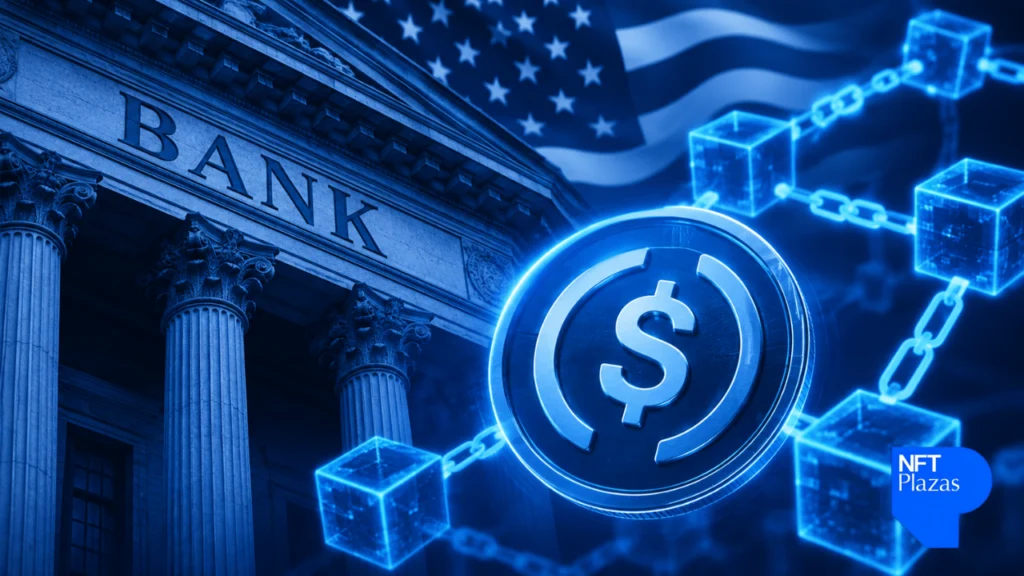
The financial landscape of the United States is poised for a significant transformation with the official unveiling of the BankChain Alliance, a formidable coalition comprising 39 U.S. state banking associations. This groundbreaking initiative, announced on Tuesday, signals a decisive pivot by traditional financial institutions towards the integration of blockchain technology into core banking operations, specifically targeting stablecoins, tokenized deposits, and advanced blockchain-based payment systems. The alliance has set an ambitious target launch for its industry-owned, industry-designed, and industry-governed blockchain network in 2027, projecting a future where digital financial services are seamlessly integrated within the established regulatory framework.
The sheer scale of the BankChain Alliance underscores its potential impact. The participating associations collectively represent an impressive 3,283 banks, which together command a staggering $21.8 trillion in assets. This broad representation, encompassing a diverse spectrum of financial institutions from major commercial banks to community lenders, highlights a unified recognition across the banking sector of the imperative to innovate and adapt to the evolving digital economy. While the project is still in its nascent stages and has yet to select a definitive technology partner, its formation alone marks a profound shift, signaling that banks are moving beyond mere experimentation with distributed ledger technology (DLT) to actively construct the foundational infrastructure for future digital finance.
A Strategic Embrace of Digital Infrastructure
The BankChain Alliance articulated a clear vision for its proposed network: to empower financial institutions to deliver cutting-edge digital banking services. Crucially, this will be achieved while meticulously upholding the stringent security protocols, robust regulatory compliance, and comprehensive customer protections that are synonymous with traditional banking. This dual objective aims to bridge the gap between the efficiency and innovation offered by blockchain and the trust and stability provided by established financial systems.
The envisioned network is designed to be highly versatile and feature-rich, supporting a range of advanced functionalities. These include smart payments, which promise automated and programmable transactions; tokenized deposits, representing traditional bank money in a digital, blockchain-native format; bank-issued stablecoins, designed to maintain a stable value pegged to the U.S. dollar; and automated settlement mechanisms, which could dramatically reduce transaction times and operational costs. A core principle guiding the development is interoperability, meaning the network is expected to integrate seamlessly with other existing payment systems and emerging blockchain networks, rather than operating as an isolated, closed ecosystem. This focus on connectivity is vital for fostering a truly interconnected digital financial landscape.
Empowering banks of all sizes is a central tenet of the BankChain Alliance. Banks across the nation will be afforded the opportunity to participate in the ownership structure of the network, fostering a collaborative model that distributes control and benefits. Leading this pivotal initiative as interim chair is Kathy Kraninger, a figure with significant experience in both banking advocacy and consumer protection. As president and CEO of the Florida Bankers Association and a former director of the Consumer Financial Protection Bureau (CFPB), Kraninger brings a unique perspective to the alliance. She emphasized that the initiative is strategically crafted to provide banks of every size, including smaller community banks often constrained by resource limitations, with equitable access to modern financial technology. This inclusive approach is particularly pertinent for ensuring that digital advancements serve customers across diverse rural, urban, and regional communities, preventing a digital divide within the banking sector. Wall Street institutions often possess the capital and expertise to develop proprietary blockchain infrastructure, a luxury typically unavailable to smaller regional or community banks. BankChain aims to level this playing field.
Despite the ambitious vision, the project remains in its early technical phase. The alliance is actively seeking a suitable technology partner, a crucial step that will determine the underlying architecture, technical specifications, and ultimately, the performance and security of the network. This decision will define critical aspects such as the choice of blockchain protocol (e.g., Hyperledger Fabric, Ethereum enterprise solutions, Corda), consensus mechanism, and cryptographic standards.
The Race for the Digital Dollar: Stablecoins and Tokenized Deposits at the Core
The timing of BankChain’s emergence is highly strategic, coinciding with an intensifying competition between traditional banks and crypto-native companies for dominance in the rapidly evolving digital dollar market. Stablecoins have firmly established themselves as a cornerstone of the broader digital asset economy, facilitating liquidity, trading, and cross-border payments within the crypto ecosystem. Simultaneously, traditional banks have been actively exploring tokenized deposits as their preferred mechanism to integrate existing bank money onto blockchain networks.

Tokenized deposits are fundamentally digital representations of traditional bank deposits. They retain the critical characteristic of being liabilities of regulated banks, meaning they are backed by actual fiat currency held in accounts and are subject to existing deposit insurance and regulatory oversight. The innovative aspect lies in their ability to move across blockchain infrastructure, leveraging the speed, transparency, and programmability of DLT, while maintaining their inherent connection and regulatory anchoring to the issuing bank. This offers financial institutions a powerful, regulated alternative to allowing purely crypto-native stablecoins, often issued by unregulated or less-regulated entities, to become the primary medium for blockchain-based dollar payments.
BankChain’s explicit focus on supporting both bank-issued stablecoins and tokenized deposits clearly indicates a proactive stance by the banking industry. Rather than passively observing or simply integrating with existing crypto solutions, banks are asserting their intent to be direct and dominant participants in the future of blockchain-based money movement. This strategy aims to ensure that the evolution of digital payments remains firmly within the established regulatory perimeter, mitigating risks associated with market volatility, illicit finance, and consumer protection often highlighted in the nascent crypto sector.
Navigating the Regulatory Labyrinth: Banks Challenge Stablecoin Yield Rules
The strategic move by the BankChain Alliance unfolds against a backdrop of intense legislative and regulatory debate in Washington, particularly concerning stablecoin rules. The banking industry has been vocally advocating for tighter controls and clearer definitions, especially regarding the economic incentives associated with stablecoins.
In July of the preceding year, a formidable coalition including the American Bankers Association (ABA), the Independent Community Bankers of America (ICBA), and dozens of state banking associations collectively urged senators to strengthen stablecoin provisions within the proposed CLARITY Act. Their primary objection centered on specific language in Section 404, which addressed rewards on payment stablecoins. While the bill aimed to prohibit returns solely for holding stablecoins, it contained provisions that preserved certain activity-based rewards.
Banking groups raised significant concerns that ambiguities within this language could inadvertently permit some stablecoin products to function akin to interest-bearing deposits. Their apprehension is straightforward and deeply rooted in the foundational model of fractional reserve banking: traditional deposits serve as a critical and stable source of funding for banks, enabling them to extend loans to households, small businesses, and local communities. If consumers and businesses were to divert substantial funds from conventional bank accounts into stablecoins offering similar economic incentives or yields, banks could face a substantial erosion of their deposit base. This potential shift poses a direct threat to banks’ ability to fund their lending operations, which in turn could have broader implications for economic growth and stability.
This ongoing debate gained even greater urgency and significance following the enactment of the GENIUS Act in 2025. This landmark legislation established the first comprehensive federal framework for payment stablecoins in the U.S., a crucial step towards bringing regulatory clarity to this rapidly expanding segment of the digital asset market. Federal regulators are now actively engaged in the complex process of developing detailed rules and guidelines to implement the GENIUS Act. These forthcoming regulations are expected to cover critical areas such as licensing requirements for stablecoin issuers, robust capital and liquidity standards, and stringent customer identification protocols (KYC/AML) to prevent financial crime.
The banking industry’s position creates an intriguing, almost paradoxical, dynamic. On one hand, banks are actively lobbying for stricter limits and more stringent oversight on stablecoins, particularly those that could directly compete with traditional bank deposits. Their concern is to protect their core business model and maintain regulatory parity. On the other hand, through initiatives like BankChain, these same institutions are simultaneously developing their own sophisticated infrastructure that will enable them to directly participate in and even lead the digital-dollar market. This dual strategy underscores a clear intent: banks want to shape the regulatory environment to their advantage while also building the tools necessary to thrive within it.
Traditional Finance’s Irreversible Shift On-Chain
The BankChain Alliance is not an isolated phenomenon but rather a prominent example within a broader, accelerating trend of traditional financial institutions integrating blockchain technology. The past few years have witnessed a palpable shift from cautious observation to active development across the global financial system.

In July, Swift, the global financial messaging network that underpins international payments, announced a significant milestone: its blockchain-based shared ledger was ready for initial deployment. This development saw 17 leading banks across six continents prepare to conduct live transactions involving tokenized deposits on the new system. This impressive roster of participants includes global powerhouses such as Citi, BNY Mellon, Wells Fargo, HSBC, UBS, BNP Paribas, Standard Chartered, DBS, and MUFG. The Swift initiative is meticulously engineered to facilitate the around-the-clock movement of tokenized deposits, leveraging the efficiency of DLT while seamlessly integrating with Swift’s existing robust infrastructure for final settlement. This hybrid approach aims to combine the best of both worlds: the innovation of blockchain with the reliability and reach of established payment rails.
Beyond tokenized deposits and payment networks, major banks are also actively exploring and implementing blockchain solutions across a spectrum of other critical financial services. These include digital asset custody, offering secure storage and management for a growing array of tokenized assets; the issuance and trading of tokenized investment products, from bonds and equities to real estate and alternative assets, potentially fractionalizing ownership and enhancing liquidity; and more efficient interbank settlement mechanisms, reducing counterparty risk and processing times.
This pervasive trend unequivocally suggests a fundamental change in the financial industry’s perception and attitude toward blockchain technology. What was once predominantly viewed as a disruptive force emanating from the nascent crypto sector, often perceived as a challenge or even a threat, is now increasingly recognized and embraced as a powerful infrastructural layer. Banks are strategically adapting this technology to enhance their own regulated systems, improve operational efficiency, reduce costs, and unlock new revenue streams, rather than simply competing against it.
A Race for Control: Defining the Future of Digital Finance
The BankChain Alliance, while still in its nascent stages, represents a pivotal moment in the evolution of finance. Its journey ahead involves several critical hurdles: the meticulous selection of a technology partner, the complex process of building a robust and scalable network, and the crucial task of persuading individual banks to actively participate and integrate the new infrastructure into their existing operations. Furthermore, achieving seamless interoperability with legacy payment systems and other burgeoning blockchain networks will be paramount for its widespread adoption and utility.
Yet, its very creation signifies an undeniable paradigm shift. For many years, the narrative surrounding blockchain and stablecoins was largely dominated by crypto companies aiming to construct entirely new, decentralized alternatives to traditional financial institutions. Now, the tables are turning. Banks are not merely reacting; they are proactively developing their own sophisticated blockchain infrastructure. Simultaneously, they are engaging in intense lobbying efforts in legislative chambers, actively shaping the regulatory framework that will govern how competing stablecoins and digital assets operate.
Should the BankChain Alliance succeed in its ambitious endeavor, the implications would be profound. Thousands of U.S. banks, regardless of their size or existing technological footprint, could gain access to a shared, secure, and compliant infrastructure for digital payments, tokenized deposits, and automated settlement. This would empower them to innovate and compete in the digital age without having to abandon the time-tested regulatory framework that underpins the stability and integrity of traditional banking.
The broader competition at play extends far beyond the mere adoption of blockchain technology by financial institutions. It has evolved into a fundamental race for control over the infrastructure of the next generation of banking. The entities that successfully build, govern, and control these foundational digital rails will ultimately dictate the standards, efficiency, and accessibility of financial services for decades to come. BankChain Alliance is a powerful declaration by traditional finance that it intends to be at the forefront of this digital revolution, shaping its direction and ensuring its future remains firmly rooted in regulated, secure, and accessible systems.