admin
admin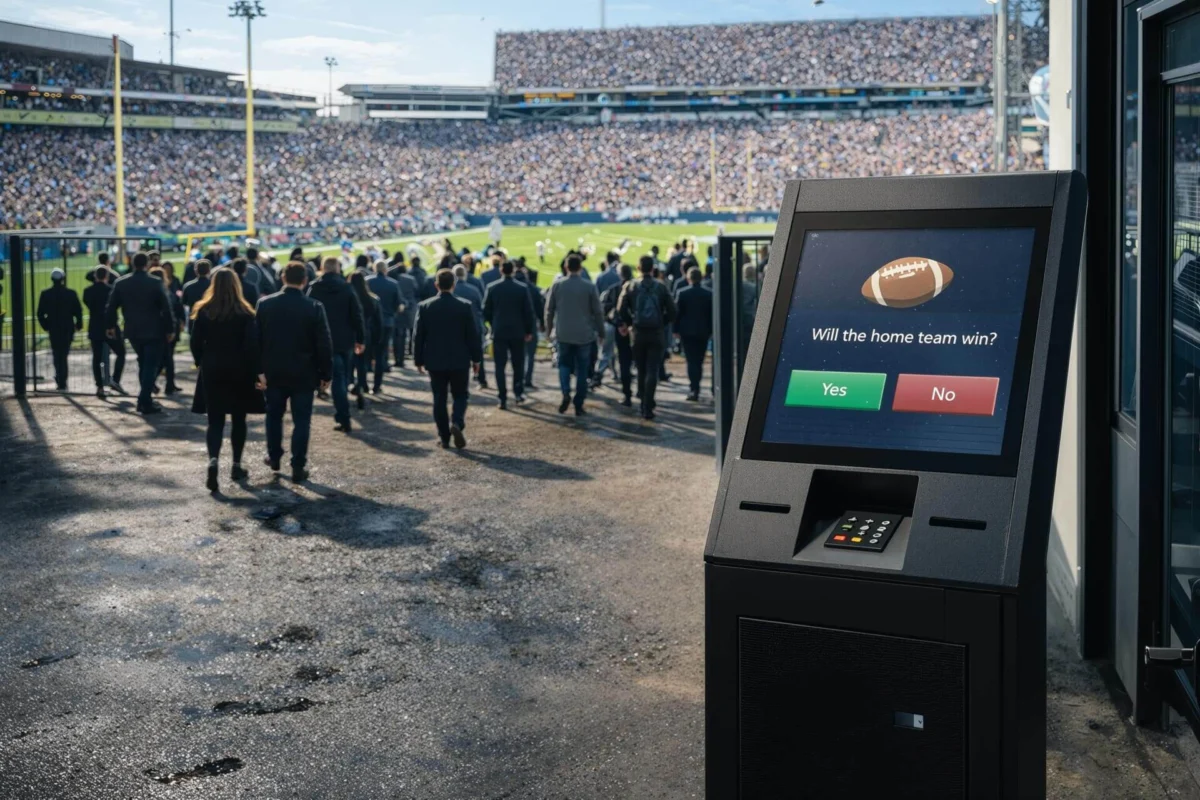
Prediction markets, long striving to distinguish themselves as sophisticated financial instruments rather than mere gambling venues, now find themselves at a critical crossroads. The meteoric rise of sports-related contracts, which brought unprecedented scale and mainstream appeal, has simultaneously ignited a regulatory firestorm, threatening to redefine the very nature and future of the industry. What began as a niche pursuit of trading on future events has exploded into a mass-market phenomenon, pushing prediction platforms into a perilous identity crisis and attracting the intense scrutiny of federal and state regulators, as well as lawmakers.
The industry’s ambition to be perceived as "smarter, better, and more useful than straight-out gambling" was largely realized when sports betting became the dominant use case. Elections, inflation contracts, and policy wagers, while drawing interest, never achieved the widespread adoption that sporting events did. This surge in popularity, however, has proven to be a double-edged sword. The very contracts that propelled prediction markets into the public consciousness are now the focal point of a complex legal and regulatory battle, pitting the industry’s claims of being federally regulated derivatives against state-level assertions that they function as illegal gambling.
The Regulatory Onslaught: A Multi-Front War
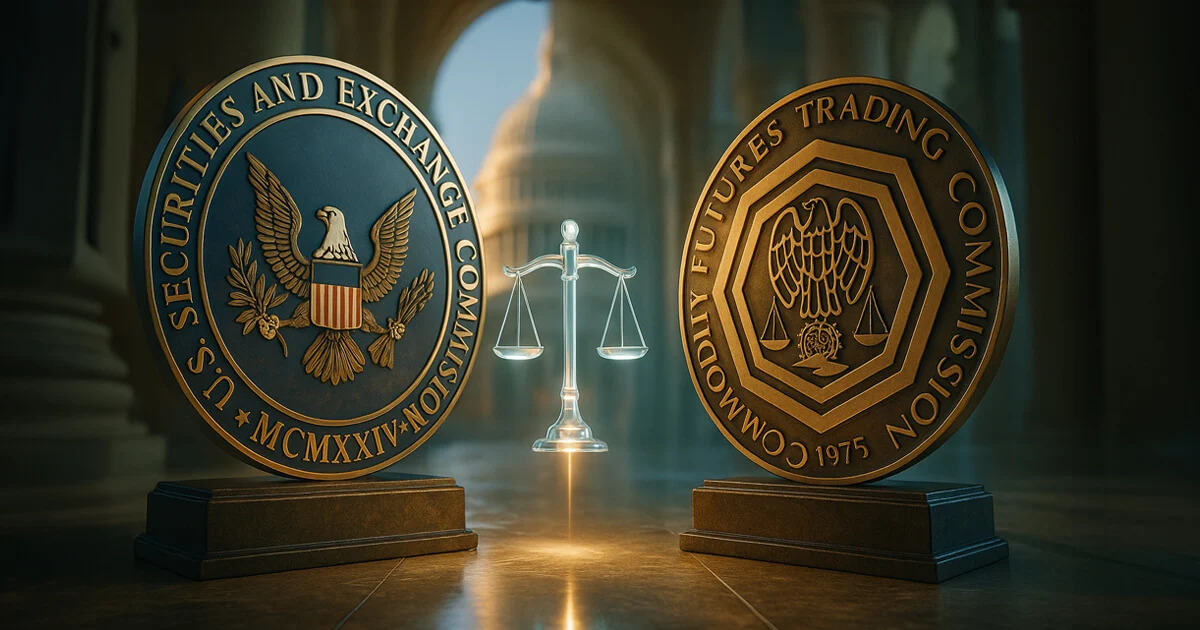
The regulatory crackdown began in earnest on March 12, 2026, when the U.S. Commodity Futures Trading Commission (CFTC) initiated a formal rulemaking process specifically for prediction markets. This move placed critical aspects such as market manipulation, federal oversight, and contract structure under a national spotlight. The CFTC’s action signaled a significant shift from a hands-off approach to active engagement, driven by concerns about the integrity and stability of these emerging markets.
Following the CFTC’s lead, state-level actions escalated dramatically. On March 17, Arizona took a bold step by filing criminal charges against Kalshi, a prominent prediction market operator. This marked a significant escalation, moving the dispute from civil cease-and-desist orders into the realm of criminal prosecution. Just days later, on March 20, a Nevada judge issued a temporary injunction, blocking Kalshi from operating within the state without a proper gaming license. This decision underscored the growing willingness of state judiciaries to apply existing gambling laws to prediction market activities. Massachusetts had already signaled its intent to crack down on Kalshi’s sports-related contracts, demonstrating a coordinated state-level resistance.
The legislative branch has not been idle. A bipartisan group of senators is reportedly preparing to introduce legislation that would explicitly ban sports betting and casino-style contracts from CFTC-regulated prediction markets. The proponents of this bill argue that these platforms are exploiting a legal loophole to circumvent established state-by-state gambling regulations and infringe upon tribal sovereignty, which often includes exclusive rights to operate gaming facilities. This congressional move signifies a potential federal legislative solution aimed at curtailing the growth of sports-related contracts on prediction platforms.
The Core Dilemma: Bet or Swap?
At the heart of this escalating conflict lies a fundamental definitional question: Are prediction market contracts bets or swaps? The answer to this query dictates regulatory authority. As Linda Goldstein, a partner at CM Law, explained to CryptoSlate, if these transactions are classified as bets, they fall under state regulation. Conversely, if they are deemed swaps or derivatives, the CFTC assumes primary oversight.
States contend that while these contracts may possess the outward appearance of financial derivatives, their underlying substance is that of wagers. This argument is particularly potent when there is no discernible commercial hedging utility, and users are primarily staking money on the outcome of an event for the sole purpose of profit. Such activity, states argue, closely mirrors traditional gambling and should therefore be subject to their established regulatory frameworks, which include consumer protection measures, age verification, and responsible gambling initiatives.
Prediction market operators, however, counter that event contracts have historically been considered commodities and thus fall under federal commodities law. They assert that a fragmented regulatory landscape, where each state can arbitrarily classify the same federally recognized product as illegal gambling, is untenable for a functioning national market. This legal tension creates an unstable environment, where the same product can be interpreted as a regulated financial instrument by federal authorities and as illegal gambling by state regulators.
Product Design as a Regulatory Battleground
Beyond the legal classification, the very design of prediction market products plays a crucial role in shaping their regulatory fate. The allure of high trading volume and rapid user engagement often incentivizes listing fast-moving and popular events, which can sometimes lead to a dilution of precision in contract definitions and settlement mechanisms. When spectacle and volume take precedence over clarity and irrefutable settlement, prediction markets can inadvertently begin to resemble sportsbooks.
Ross Weingarten, a partner and co-chair of the Sports Integrity Group at Steptoe, highlighted that from a consumer perspective, prediction markets differ from traditional sportsbooks because users trade positions against each other rather than against a house. However, when the outcome of a contract becomes ambiguous or subject to interpretation, this distinction can blur, leading to disputes and potential litigation.
A classic example cited involved a bet on whether Cardi B would perform at the Super Bowl. While she appeared on stage, she was reportedly without a microphone. This ambiguity raises questions about whether she "performed," illustrating how subjective interpretations can complicate binary contracts and necessitate legal intervention.
The defensibility of sports contracts hinges on their clarity and susceptibility to manipulation. Contracts based on straightforward, difficult-to-manipulate outcomes, such as the winner of a game, are more easily defended. Conversely, in-game props, performance metrics, officiating-dependent outcomes, and events vulnerable to insider knowledge or integrity breaches are considered more precarious.
Platforms that exhibit characteristics of a neutral exchange—visible order books, transparent pricing, independent settlement sources, and robust abuse detection systems—possess a stronger argument for federal market status. In contrast, platforms that more closely resemble traditional bookmakers face a more challenging regulatory path. The legal battles may be decided in court, but the perceived legitimacy of these markets will ultimately be determined by the integrity and transparency of their product architecture.
States’ Financial Incentives and Federal Aspirations
States view the proliferation of sports-related prediction markets as a direct threat to their existing revenue streams and regulatory structures. Licensed sportsbooks operate within a comprehensive regime designed for consumer protection, responsible gambling funding, integrity monitoring, and tax collection, with rules tailored to each jurisdiction. Prediction markets, by operating under a federal commodities framework, bypass much of this state-level oversight.
Linda Goldstein emphasized the financial motivations behind states’ strong stance. "Event contracts on sporting events account for the vast majority of transactions on prediction platforms like Kalshi and Polymarket, with some data estimating that it could be as much as 90% of the event contracts," she stated. "These contracts are directly competing with licensed sportsbooks. Traditional sports betting generates significant tax revenue for the states because the states receive taxes on the gross gaming revenue. The American Association of Gaming has estimated that, since the beginning of 2025, sports betting platforms have lost over $600 million to prediction markets."
Beyond financial considerations, states are also deeply concerned about circumventing consumer safeguards. Prediction markets, by operating under a different regulatory umbrella, may not adhere to age verification requirements, rigorous integrity monitoring of games, or mandatory contributions to responsible gambling funds that are standard in state-regulated sports betting.
The American Gaming Association has been vocal in its criticism, accusing sports-related prediction markets of undermining the state-based system built for legal sports betting. Even major sports leagues are adapting, with MLB’s deal with Polymarket and its memorandum with the CFTC on integrity cooperation acknowledging the significant presence and influence of these markets.
The recent escalation in Arizona and Nevada highlights the urgency felt by states to reassert control. Arizona’s criminal charges and Nevada’s restraining order represent efforts to force the prediction market industry back under state jurisdiction before federal market laws become an entrenched workaround.
However, the regulatory landscape remains complex and contested. While some courts have sided with states, viewing sports event contracts as unlicensed sports betting, others have classified them as "swaps" under the Commodity Exchange Act. Courts in New Jersey, California, and Tennessee have leaned towards federal jurisdiction, while courts in Maryland, Nevada, Massachusetts, and Ohio have emphasized the historical role of states in regulating gambling. This divergence of judicial opinion underscores the "very much in flux" nature of prediction market regulation.
The Congressional Endgame: A Defining Moment
The most significant development in this ongoing saga is the impending bipartisan legislation from Congress. This proposed bill aims to explicitly ban sports and casino-style contracts from CFTC-regulated prediction markets. This is a far more potent threat than previous state-level actions, as it challenges a core assumption of the industry: that the federal versus state jurisdiction battle would ultimately allow sports contracts to thrive under federal oversight.
This congressional intervention shifts the focus from a jurisdictional dispute to a fundamental question of permissibility. The industry now faces the prospect of Congress deciding not just who regulates these contracts, but whether they should be offered on regulated prediction markets at all. This represents a fundamental redefinition of the playing field, moving beyond arguments about market classification to a debate over the very existence of certain contract types within the federally regulated financial system.
The ultimate resolution is unlikely to be a clear-cut "yes" or "no." A hybrid regulatory regime appears to be the most plausible outcome. This would likely involve tighter federal rules, stricter category restrictions, enhanced surveillance demands, greater emphasis on contract clarity, and more stringent marketing expectations. Platforms may continue to operate as exchanges, but they will be compelled to demonstrate their legitimacy through robust product design, transparent settlement processes, vigilant surveillance, and responsible marketing practices.
Prediction markets have undeniably found their mass audience by embracing the excitement and familiarity of sports. Now, however, they face the challenge of proving that their success has not come at the expense of their fundamental distinction from traditional gambling. The industry is at the precipice of a foundational debate about the boundaries between finance and gambling, a process that is likely to be protracted and could redefine the future of event-based trading for years to come.