admin
admin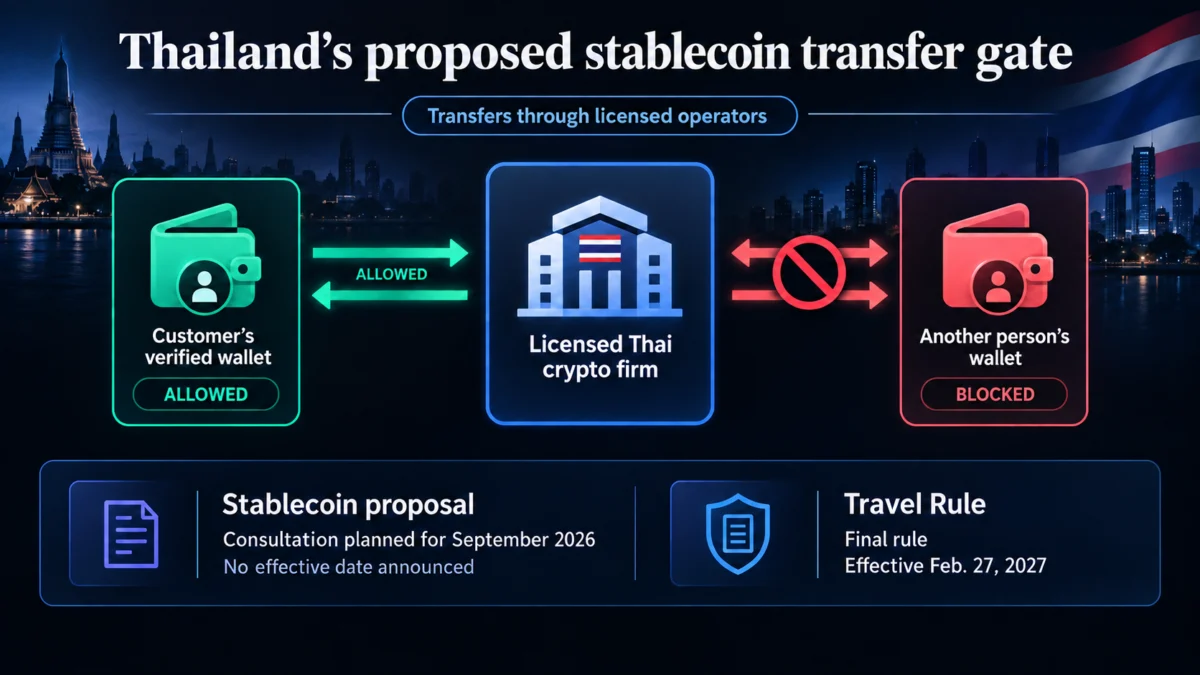
Thailand’s Securities and Exchange Commission (SEC) has unveiled a proposed regulation that would mandate a "same-owner" requirement for stablecoin transfers conducted through licensed digital asset operators. This significant regulatory shift, currently in its public consultation phase, aims to curb illicit activities such as money laundering and cybercrime by restricting how users can move stablecoins, particularly Tether (USDT), through regulated platforms. If enacted, the rule would fundamentally alter the landscape of stablecoin transactions within the country, limiting them to movements between a customer’s own verified accounts.
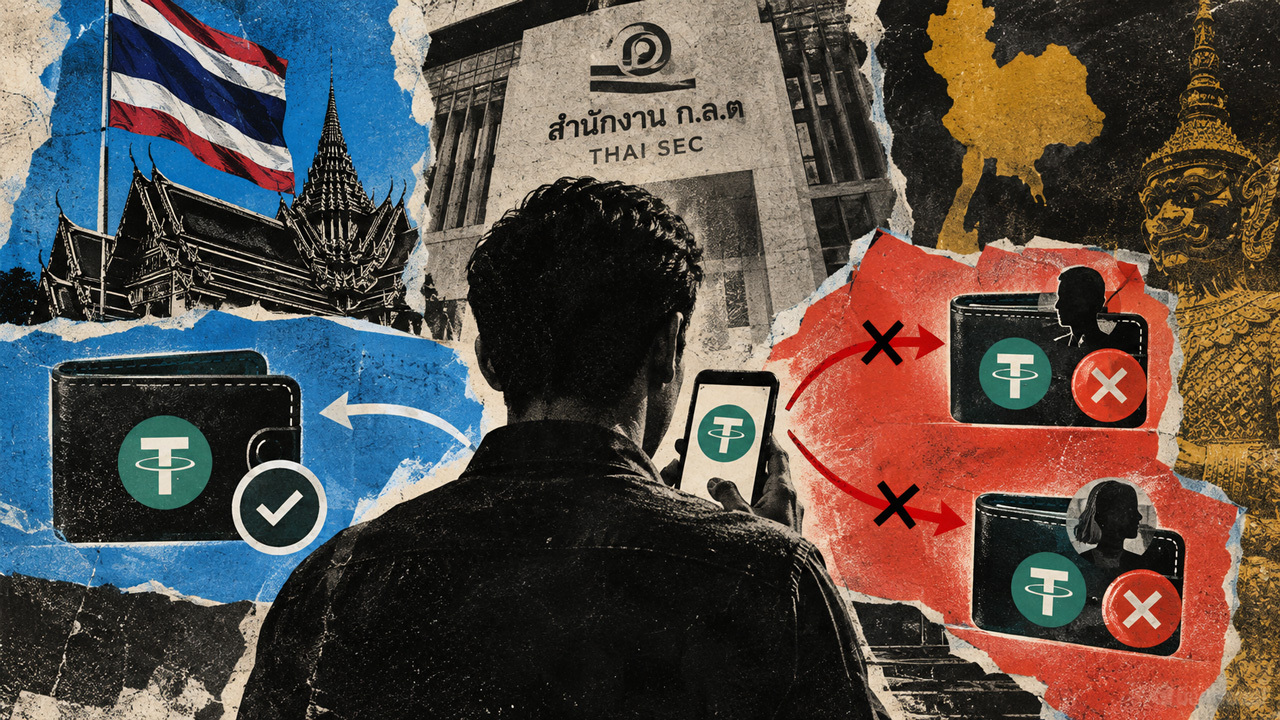
The proposed measures, approved by the SEC Board on September 3rd, stipulate that any stablecoin deposit into a customer’s account at a licensed digital asset operator must originate from an account or wallet that has been verified as belonging to that same customer. Similarly, withdrawals of stablecoins would be permitted only to an account or wallet also verified as belonging to the account holder. This directly prohibits transactions where a customer attempts to receive stablecoins from another individual’s wallet or send them to another person’s wallet via a regulated Thai platform.
Understanding the Ownership Gate Mechanism
The core of the proposed regulation lies in this stringent ownership verification. As drafted, the restriction specifically targets transfers that involve a Thai SEC-supervised platform. This means that while peer-to-peer stablecoin transfers conducted entirely outside of these regulated entities might not be directly impacted, any interaction with a licensed digital asset operator would be subject to the new rule. The implication is a significant curtailment of third-party stablecoin transfers, aiming to enhance traceability and accountability within the digital asset ecosystem.
Beyond the same-owner mandate, the proposal also introduces a requirement for stablecoin transfer values to be consistent with a customer’s declared income sources and overall financial standing. This provision is designed to detect and prevent the use of stablecoins for activities that might be inconsistent with a user’s legitimate financial profile. Furthermore, daily limits are being proposed, capping inbound and outbound stablecoin transfers at 5 million Thai baht (approximately $137,000 USD) per person, per operator.
However, certain exceptions to this daily cap are outlined. Transfers between customer accounts facilitated by SEC-supervised operators are exempt, provided both entities adhere to the forthcoming Travel Rule. Additionally, the consultation paper lists exemptions for transfers related to specified operator business activities, those involving certain Bank of Thailand-authorized operators, and transactions by stablecoin and baht market makers. The precise interaction between these cap waivers and the same-owner test remains a point for clarification during the consultation period, as further implementation details are anticipated.
The Rationale Behind the Regulatory Push
The Thai SEC has articulated a clear justification for these proposed changes, citing a substantial surge in stablecoin transaction volume and value observed in recent times. The regulator specifically highlighted the increasing prominence of Tether (USDT) within this growth. This expansion, according to the SEC, has unfortunately been accompanied by patterns suggestive of increased risks associated with money laundering, cybercrime, and the potential circumvention of regulations governing international money transfers.
By introducing a robust ownership verification mechanism, the SEC aims to create a more transparent and secure environment for stablecoin usage. The goal is to ensure that licensed operators act as secure conduits for individual users’ assets, rather than facilitating anonymous or pseudonymous transfers that could be exploited for illicit purposes.
This proposed stablecoin ownership test is distinct from, yet complementary to, Thailand’s finalized Travel Rule. The Travel Rule, which officially takes effect on February 27, 2027, mandates that digital asset operators collect comprehensive information about both the sender and receiver of a transaction. It also requires these operators to perform counterparty checks and verify ownership or control of certain self-hosted wallets. The stablecoin proposal, therefore, adds an extra layer of scrutiny specifically for stablecoin movements, focusing on the direct link between the user and their financial activities.
The SEC officially opened the public consultation for these proposed stablecoin restrictions on September 11th, with a deadline for feedback set for September 25, 2026. As of the article’s publication, no effective date for the implementation of these stablecoin rules has been announced, underscoring their current status as proposals subject to public input.
Broader Implications for Thailand’s Digital Asset Market
The proposed "same-owner" rule for stablecoin transfers represents a significant regulatory intervention with potentially far-reaching implications for Thailand’s burgeoning digital asset market. While the stated intent is to bolster anti-money laundering (AML) and counter-terrorist financing (CTF) efforts, such measures can also impact the usability and accessibility of stablecoins for legitimate users.
One of the primary benefits of stablecoins is their perceived ease of transfer and their ability to act as a bridge between traditional finance and the cryptocurrency ecosystem. The proposed restrictions could impede certain use cases, such as individuals pooling funds for collective investments, facilitating remittances, or providing financial assistance to family members abroad, if these activities involve transfers between different individuals’ wallets through regulated entities.

The clarity on exemptions will be crucial. If the exemptions for market makers and inter-operator transfers are broad enough, it could mean that the primary impact will be on retail users and smaller businesses. The daily cap of 5 million baht, while substantial for many individuals, could also present a bottleneck for larger institutional players or high-net-worth individuals engaging in significant stablecoin transactions.
The SEC’s focus on USDT, the world’s largest stablecoin by market capitalization, suggests a particular concern about the risks associated with its widespread use. USDT has faced scrutiny in the past regarding its reserve backing and potential for market manipulation. By tightening the reins on its transfer through regulated channels, Thailand is signaling a cautious approach to managing the risks associated with such globally dominant, yet sometimes controversial, digital assets.
The success of these proposed regulations will hinge on several factors. Firstly, the clarity and enforceability of the "same-owner" verification process will be paramount. Robust technological solutions will be required to accurately identify and verify wallet ownership. Secondly, the balance struck between regulatory oversight and user convenience will be critical. Overly restrictive measures could drive activity underground or to less regulated jurisdictions, defeating the intended purpose.
Furthermore, the Thai SEC’s approach can be viewed within a broader global trend of increased regulatory scrutiny over stablecoins. Jurisdictions worldwide are grappling with how to integrate these digital assets into existing financial frameworks while mitigating potential risks. Thailand’s proposed rules offer a specific model for how a national regulator can implement a direct ownership control mechanism.
The consultation period will be a vital opportunity for industry stakeholders, including digital asset operators, cryptocurrency exchanges, and user advocacy groups, to provide feedback. Their input could shape the final form of the regulation, ensuring that it effectively addresses regulatory concerns without unduly stifling innovation or hindering legitimate financial activities. The SEC’s commitment to a consultation process indicates a willingness to engage with the industry, which is a positive sign for the development of a well-rounded regulatory framework.
The timing of these proposals, preceding the February 2027 implementation of the Travel Rule, suggests a coordinated effort to establish a comprehensive regulatory regime for digital assets in Thailand. The interconnectedness of these rules implies a strategic approach to building a more robust and secure digital asset ecosystem. As the consultation progresses, market participants will be closely watching for any amendments or clarifications that could further refine the scope and impact of these significant regulatory changes. The ultimate outcome will shape how stablecoins are utilized and managed within Thailand’s financial landscape for years to come.