Dwi Wanna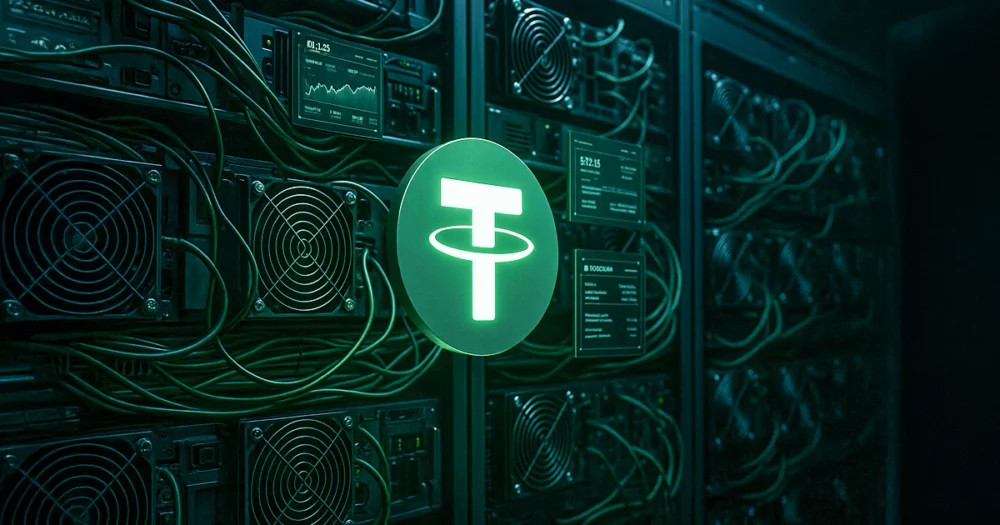
Tether, the company behind the world’s most widely used stablecoin, USDT, has officially announced plans to release its proprietary Bitcoin Mining Operating System (MOS) as open-source software by the end of 2025. This strategic move, spearheaded by CEO Paolo Ardoino, aims to lower the high barriers to entry that currently characterize the Bitcoin mining industry, potentially shifting the landscape from one dominated by large-scale institutional players to a more inclusive ecosystem that includes small-scale and independent operators. By making the MOS code public, Tether intends to foster greater competition and enhance the overall security and decentralization of the Bitcoin network.
The announcement, which was first detailed in a series of communications on the social media platform X on June 9, underscores a significant shift in Tether’s corporate strategy. Ardoino emphasized that the release of the MOS will eliminate the necessity for third-party hosted software, which often comes with high licensing fees and restrictive terms. According to Ardoino, the introduction of an open-source MOS will create an even playing field, effectively reducing the technological and financial gap between publicly listed mining giants and smaller, decentralized players. However, the CEO noted that the transition to open-source will be a gradual process, as the company is currently focused on developing comprehensive technical documentation to ensure the software is accessible and functional for a global audience. This preparatory phase is expected to extend through the fourth quarter of 2024, with the full rollout slated for completion by the end of 2025.
Technical Architecture and Scalability of the Mining OS
The technical vision behind the Bitcoin Mining OS is centered on resilience, scalability, and modularity. Giw Zanganeh, Tether’s Vice President of Energy and Mining, has played a critical role in articulating the software’s capabilities. The MOS is designed to be an all-encompassing management tool that allows miners to optimize their hardware performance without relying on external vendors. One of the most distinctive features of the system is its extreme versatility; it is engineered to handle operations ranging from a single Raspberry Pi setup to massive industrial mining farms with complex redundant server architectures.
The software includes built-in modules specifically designed to control popular mining hardware, such as Application-Specific Integrated Circuits (ASICs), while managing diverse cooling environments, including air, immersion, and hydro-cooling systems. Furthermore, the architecture is open to developer contributions, allowing for the creation of custom plugins tailored to specific equipment or unique energy environments. Zanganeh expressed confidence that this architecture will eventually become the industry standard, citing its ability to simplify complex operations while maintaining high levels of efficiency. By providing a free, robust alternative to proprietary firmware and management suites, Tether is positioning its MOS as the foundational layer for the next generation of Bitcoin mining infrastructure.
A Chronology of Tether’s Diversification into Infrastructure
Tether’s foray into Bitcoin mining is not an isolated event but rather the culmination of a multi-year strategy to diversify its business model beyond its core stablecoin product. Historically known primarily as the issuer of USDT, Tether began signaling its interest in the energy and infrastructure sectors in early 2023. In May 2023, the company announced its first major venture into the space with a significant investment in a sustainable mining operation in Uruguay, leveraging the country’s abundant renewable energy resources.
This was followed in June 2023 by a high-profile partnership with "Volcano Energy" in El Salvador. Tether contributed to a $1 billion initiative aimed at building one of the world’s largest Bitcoin mining farms powered entirely by solar and wind energy. By November 2023, following Paolo Ardoino’s transition to the role of CEO, the company committed approximately $500 million to build out its own mining facilities and invest in other mining companies globally. The development of the Mining OS represents the software pillar of this expansion, complementing Tether’s physical investments in hardware and energy production. This chronology illustrates a deliberate evolution from a financial services provider to a vertically integrated technology and energy conglomerate.
The Economic Context: Post-Halving Pressures and Mining Difficulty
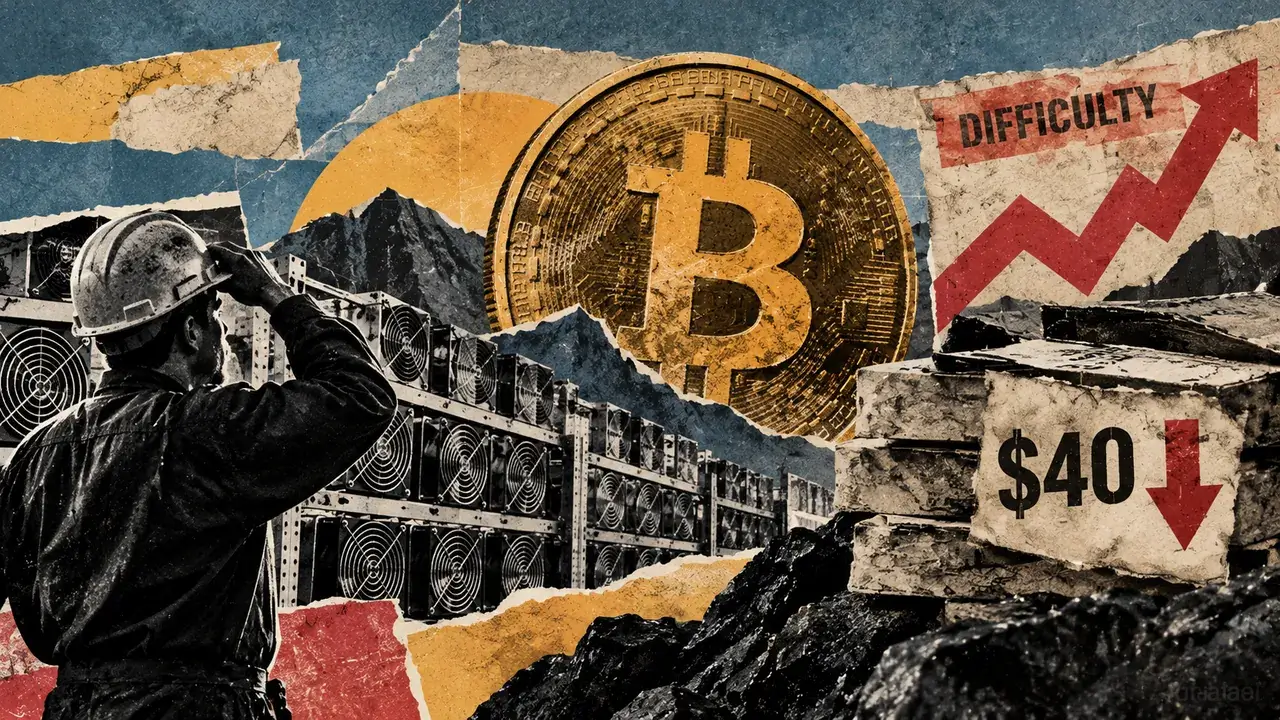
The timing of Tether’s announcement is particularly relevant given the current economic state of the Bitcoin mining industry. Following the fourth Bitcoin halving in April 2024, block rewards were reduced from 6.25 BTC to 3.125 BTC. This event has placed immense pressure on profit margins, forcing miners to seek maximum efficiency to remain viable. Concurrently, the Bitcoin network’s hash rate and mining difficulty have hovered near all-time highs, meaning that only the most technologically advanced and well-capitalized operations have been able to thrive.
In this high-stakes environment, the cost of software and management tools can be a significant burden for smaller operators. Proprietary software often takes a percentage of the mining revenue or requires monthly subscriptions, which can be the difference between profit and loss for a small farm. By introducing a free, open-source OS, Tether is providing an economic lifeline to independent miners. Furthermore, the democratization of mining software could help mitigate the trend of centralization. Currently, a handful of publicly traded companies and large mining pools control a significant portion of the network’s hash rate. An open-source MOS encourages "at-home" mining and small-business integration, which distributes the hash rate more broadly across the globe, thereby making the network more resistant to censorship and single points of failure.
Integration of Artificial Intelligence and Real-Time Optimization
A forward-looking component of the Tether Mining OS is its planned integration with QVAC, Tether’s decentralized artificial intelligence platform. This integration is intended to enhance performance reporting and operational transparency. In the context of modern mining, real-time data is essential for managing fluctuating energy prices and hardware health. By utilizing AI, the MOS will be able to provide miners with predictive analytics, identifying potential hardware failures before they occur and suggesting optimal power settings based on real-time electricity costs and network difficulty.
The use of AI in mining also addresses the critical issue of energy efficiency. Tether’s vision includes helping businesses with surplus power—such as factories or renewable energy plants with "stranded" energy—to easily convert that excess into Bitcoin. The QVAC-powered MOS would automate much of this process, allowing non-specialized businesses to enter the mining space with minimal friction. Ardoino has noted that the synergy between AI and mining is a cornerstone of Tether’s broader ambition to become a dominant force in the global financial and technological ecosystem, bridging the gap between digital assets and physical infrastructure.
Industry Reactions and the Shift Toward Open Standards
While the broader mining community has generally welcomed the news, the move is expected to disrupt the business models of existing mining software providers. Companies that specialize in custom firmware or farm management dashboards may face stiff competition from a free, well-supported alternative backed by Tether’s substantial resources. Industry analysts suggest that this could trigger a wave of innovation among competitors, who will now need to offer unique value-added services to justify their costs.
Reactions from Bitcoin decentralization advocates have been largely positive. Many see the move as a necessary step toward "sovereign mining." When miners rely on closed-source, third-party software, they inherit the risks associated with those vendors, including potential backdoors, data harvesting, or sudden service terminations. An open-source OS allows for public auditing of the code, ensuring that the software does exactly what it claims to do. This transparency is vital for a network built on the principles of "don’t trust, verify."
Broader Implications for the Global Financial System
Tether’s transition into mining software is part of a larger organizational restructuring. The company recently organized its operations into four distinct divisions: Tether Data (AI and peer-to-peer platforms), Tether Finance (stablecoins and financial services), Tether Power (mining and energy), and Tether Edu (education and digital transformation). This structure reflects Ardoino’s vision of Tether as more than just a stablecoin issuer; he envisions it as a provider of "freedom technology."
By democratizing mining, Tether is indirectly supporting the stability and value of the Bitcoin network, which in turn provides a more robust foundation for the digital asset economy. As USDT continues to play a vital role in global liquidity, particularly in emerging markets, Tether’s investment in the underlying security of the Bitcoin network serves as a strategic hedge. If the Bitcoin network is decentralized and secure, the entire ecosystem—including stablecoins—benefits from increased trust and longevity.
The eventual release of the MOS in 2025 will be a litmus test for Tether’s ability to execute complex software projects at scale. If successful, the Bitcoin Mining OS could become as fundamental to the mining industry as Linux is to the server industry, providing a stable, free, and community-driven platform that empowers users worldwide. As the fourth quarter of 2024 approaches, the industry will be watching closely for the release of the technical documentation, which will provide the first real glimpse into the code that Tether hopes will redefine the future of Bitcoin mining.