admin
admin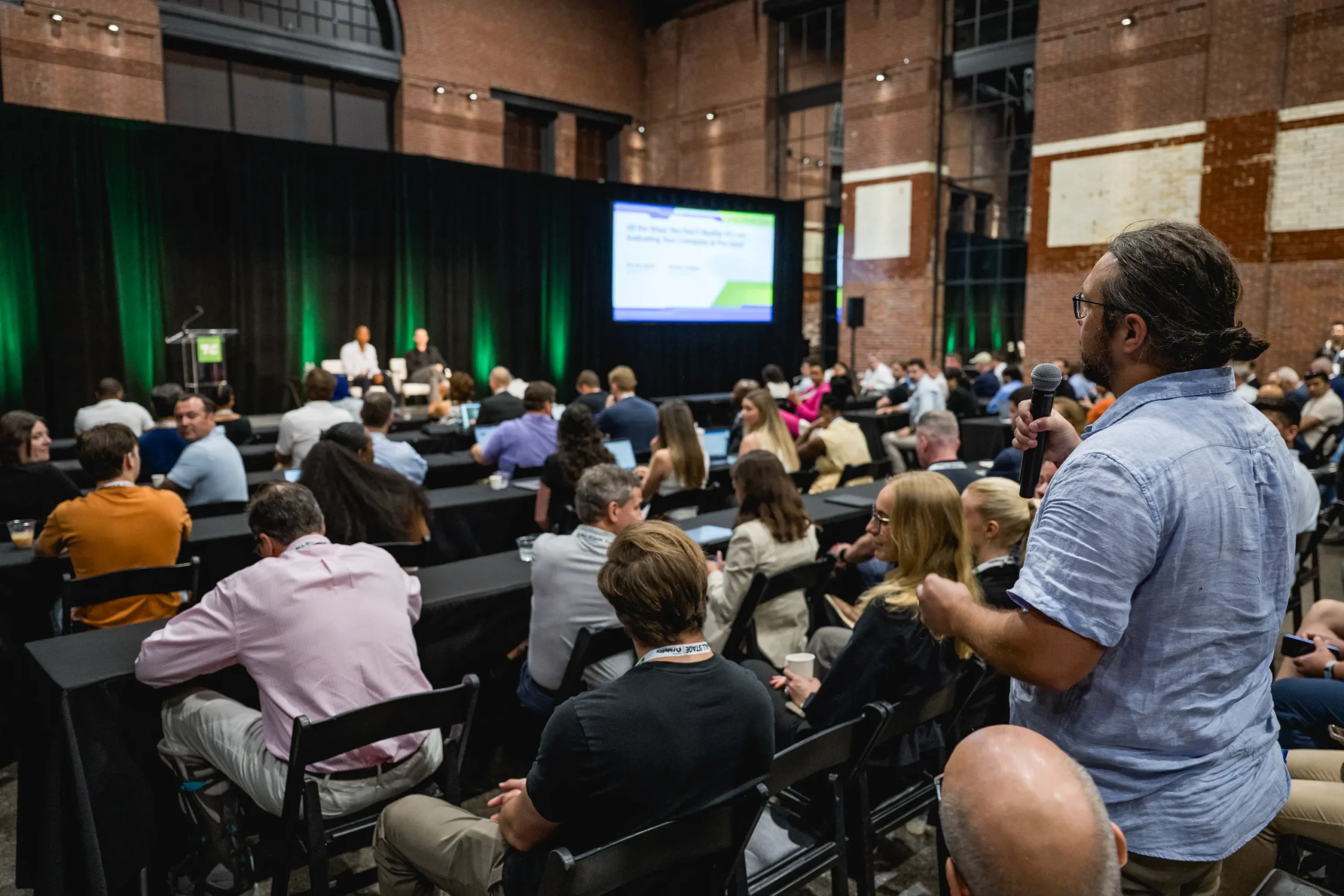
The landscape of global entrepreneurship continues to shift toward collaborative ecosystems, a trend that will be underscored on November 4, 2026, as Boston hosts the TechCrunch Founder Summit. This flagship event, specifically curated for the architects of the next generation of technology companies, serves as a critical nexus for over 1,000 founders and investors. As the tech industry navigates a complex economic environment characterized by disciplined capital allocation and rapid technological pivots, the summit provides a dedicated forum for peer-to-peer learning and strategic networking. Prospective attendees currently face a pivotal deadline, with Early Bird registration rates set to expire on June 26 at 11:59 p.m. PT. This initial pricing tier offers a significant financial incentive, allowing individual registrants to save up to $190, while organizations sending groups of four or more are eligible for discounts of up to 30%.
Strategic Convergence in Boston’s Innovation Hub
The selection of Boston as the host city for the 2026 summit is a calculated move that reflects the city’s enduring status as a premier global hub for deep tech, biotechnology, and artificial intelligence. While Silicon Valley remains a primary engine of venture capital, the Boston-Cambridge corridor has seen a sustained surge in "tough tech" investment, fueled by its proximity to world-class academic institutions like MIT and Harvard. By bringing the Founder Summit to this environment, TechCrunch aligns the event with a community known for long-term value creation and rigorous scientific inquiry.
The summit is designed to address the fundamental reality that founders do not achieve scale in isolation. The curriculum for the day-long event is built upon three pillars: peer-to-peer exchange, operator-led insights, and investor relations. In an era where "growth at all costs" has been replaced by a focus on "efficient growth," the ability for founders to learn from those who have successfully navigated the transition from Series A to Series C is more valuable than ever. The 2026 summit aims to bridge the gap between theoretical business strategy and the granular, day-to-day realities of running a high-growth startup.
Chronology of the 2026 Summit and Key Deadlines
The path to the November 4 event is marked by several critical milestones that dictate both the composition of the audience and the substance of the programming. The current phase, ending on June 26, represents the final opportunity for founders to access the lowest possible entry price. Following this date, registration fees will transition to standard rates, reflecting the increasing demand as the full speaker lineup is unveiled.

In the months leading up to the summit, TechCrunch has implemented a "Call for Content" initiative, which democratizes the agenda-building process. This phase allows the community to submit topics for breakout sessions and roundtables, ensuring that the discussions remain relevant to the immediate challenges facing the 2026 cohort of entrepreneurs. These submissions are subsequently vetted and voted upon by the TechCrunch audience, a process that ensures the summit remains a reflection of the market’s current pain points and interests.
By September, the final agenda is expected to be codified, featuring a mix of keynote presentations, moderated panels, and interactive workshops. The November 4 date itself is positioned strategically in the fourth quarter, a time when many founders are finalizing their 2027 budgets and refining their fundraising decks for the upcoming new year.
Data-Driven Insights: Navigating the 2026 Venture Capital Landscape
The 2026 Founder Summit arrives at a time when the venture capital industry is undergoing a structural reset. Data from the previous eighteen months suggests that while total deal volume has stabilized, the bar for achieving "unicorn" status has risen significantly. Investors are increasingly prioritizing unit economics, path to profitability, and defensible intellectual property over mere user acquisition metrics.
Recent industry reports indicate that early-stage valuations have remained resilient, but mid-to-late-stage companies are facing more rigorous due diligence processes. At the Founder Summit, these data points will be translated into actionable advice. Past sessions have delved into the mechanics of "down rounds," the strategic use of venture debt, and the legal nuances of modern term sheets. For the 1,000+ attendees in Boston, the focus will be on how to leverage these market conditions to build more durable enterprises.
Furthermore, the summit addresses the human capital aspect of scaling. With the tech labor market experiencing its own set of fluctuations, founders are seeking guidance on how to attract and retain top-tier talent without the excessive compensation packages of the early 2020s. Sessions focused on building a "culture of performance" and "remote-first operational excellence" are expected to be high-demand features of the 2026 program.

The Collaborative Model: Peer Learning and Operator Insights
One of the defining characteristics of the TechCrunch Founder Summit is its emphasis on "operators"—individuals who have held leadership roles in companies that have successfully scaled. Unlike theoretical consultants, these speakers provide a "war room" perspective on challenges such as international expansion, pivoting a product-market fit, and managing board relations during times of crisis.
Previous summits have featured a prestigious roster of speakers from firms such as Sequoia Capital, Greylock, and Precursor Ventures, as well as founders from some of the decade’s most successful startups. While the 2026 roster is currently being finalized, the involvement of entities like Glasswing Ventures, Underscore VC, and Wing Venture Capital ensures a high level of discourse. These participants do not merely present; they engage in candid, off-the-record style conversations that are often the highlight of the event for many founders.
The roundtable format, in particular, has been praised for its ability to foster deep networking. Unlike large-scale conferences where interactions can be superficial, these smaller groups allow for a direct exchange of ideas. A founder struggling with a specific hiring bottleneck in their engineering department might find themselves seated next to a veteran CTO who has solved that exact problem across three different companies.
Economic and Ecosystem Implications of Flagship Founder Gatherings
The broader impact of the TechCrunch Founder Summit extends beyond the individual success of its attendees. Events of this scale act as a barometer for the health of the innovation economy. When 1,000 leaders in the tech space convene, the resulting "collision density" often leads to the formation of new partnerships, the closing of investment rounds, and even the spark of future mergers and acquisitions.
From an economic perspective, the summit reinforces the "cluster effect" in cities like Boston. By drawing international attention to the local ecosystem, TechCrunch helps solidify the city’s reputation as a destination for global capital. For the attendees, the return on investment (ROI) of the summit pass is often measured in the months following the event, as the relationships forged in November translate into strategic advantages in the subsequent year.

Analysis of past participant feedback suggests that the most significant value derived from the summit is the mitigation of "founder burnout." By connecting with peers facing identical stressors, entrepreneurs find a support system that is often missing in the high-pressure environment of startup leadership. This psychological resilience is a vital, if often overlooked, component of long-term company success.
Final Call for Early Bird Registration
As the June 26 deadline approaches, the window for cost-effective participation is closing. TechCrunch has emphasized that the Early Bird rates are designed to make the event accessible to early-stage founders for whom every dollar of capital must be maximized. The potential savings of $190 per pass, combined with the 30% group discount, represent a significant reduction in the overhead required to access this level of high-tier networking and education.
The 2026 Founder Summit is not merely an industry gathering; it is a strategic asset for those serious about navigating the complexities of modern entrepreneurship. With its focus on practical takeaways, candid conversations, and meaningful connections, the event stands as a cornerstone of the TechCrunch events calendar. Founders and investors intending to participate in the Boston summit are encouraged to finalize their registrations before the price increase to ensure they are positioned to benefit from the insights and opportunities that will define the tech landscape in 2027 and beyond.
In summary, the TechCrunch Founder Summit 2026 represents a critical opportunity for the startup community to recalibrate and prepare for the challenges of the future. By combining the historical innovation of Boston with the forward-looking insights of global tech leaders, the summit promises to be a defining moment for the 1,000 attendees who will shape the next era of technological advancement. The countdown to June 26 marks the first step in that journey.