admin
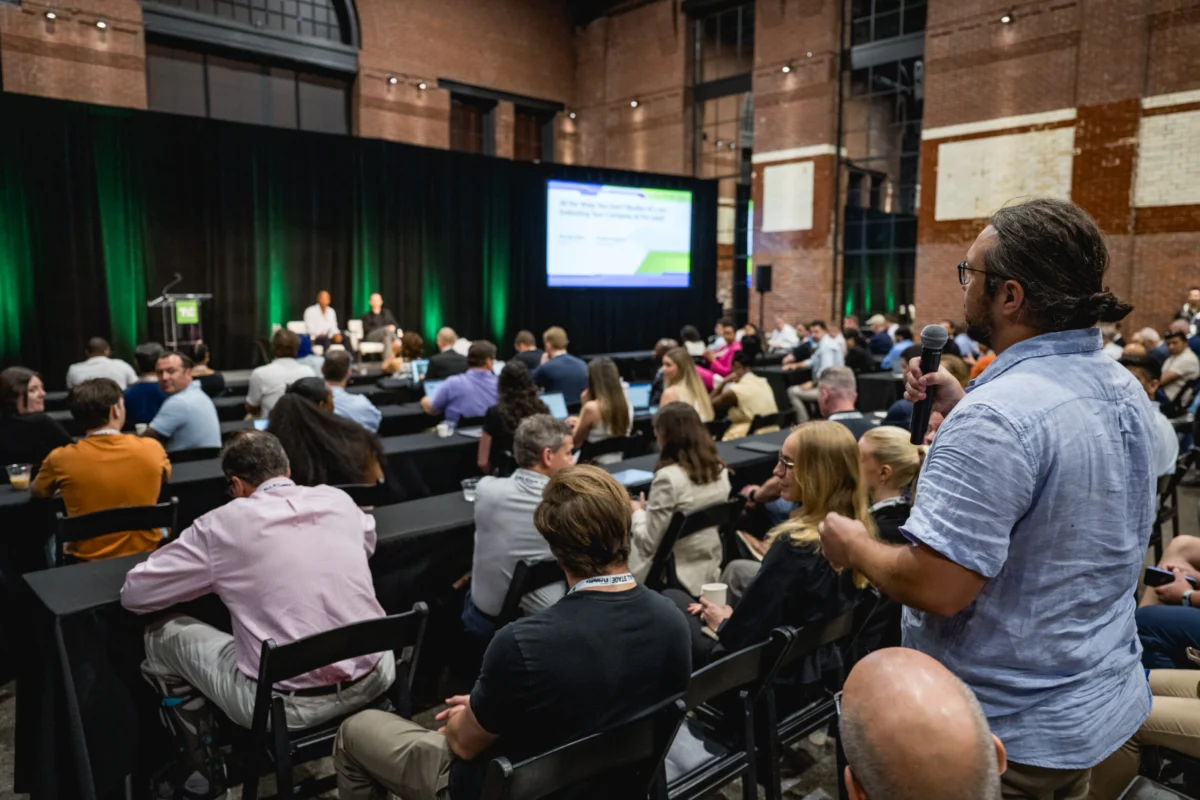
The global startup ecosystem is increasingly characterized by a shift toward sustainable growth and collaborative intelligence, making peer-to-peer networking more vital than ever for early-stage and scaling companies. As the venture capital landscape continues to recalibrate following the market fluctuations of the mid-2020s, the TechCrunch Founder Summit 2026 stands as a pivotal gathering for entrepreneurs seeking to navigate these complexities. Scheduled to take place on November 4 in Boston, the summit is expected to host more than 1,000 founders and investors for a comprehensive day of strategic planning, operational deep dives, and high-level networking. With the Early Bird registration deadline set for June 26 at 11:59 p.m. PT, prospective attendees have a narrow window to secure significant discounts, including savings of up to $190 on individual passes and tiered discounts of up to 30% for groups of four or more.
The TechCrunch Founder Summit has established itself as a cornerstone event in the technology sector, specifically designed to address the unique challenges of the "founder’s journey." Unlike broader technology conferences that cater to general enthusiasts or corporate IT departments, this summit is curated for the individuals at the helm of emerging enterprises. The programming is meticulously structured to facilitate connections between those preparing for capital raises, those scaling revenue operations, and those looking to optimize their human capital through strategic hiring. By bringing together a diverse cohort of founders and seasoned operators who have successfully navigated the "trough of sorrow" to achieve exit or scale, the event provides a rare environment for candid, actionable discourse.
The Strategic Importance of the Boston Tech Corridor
The selection of Boston as the host city for the 2026 summit is a calculated move that reflects the city’s resurgence as a primary hub for deep tech, biotechnology, and artificial intelligence. While Silicon Valley remains the traditional heart of the venture world, Boston’s unique concentration of world-class academic institutions—including MIT and Harvard—and its robust healthcare and robotics sectors offer a different flavor of innovation. Analysts suggest that the 2026 summit will likely focus heavily on the intersection of hardware and software, a domain where Boston-based companies traditionally excel.
The local ecosystem in Massachusetts has seen a steady influx of venture capital investment over the past three years, with a notable emphasis on "tough tech"—startups working on complex engineering challenges that require longer time horizons and more specialized knowledge. For founders attending the summit, the location provides an opportunity to tap into a regional network of investors who are accustomed to high-barrier-to-entry industries. The proximity to the Seaport District and the Kendall Square innovation hub ensures that the summit is embedded within an environment that understands the nuances of technical scaling.

A Chronological Roadmap to the 2026 Summit
The path to the November 4 event is marked by several critical milestones for both organizers and participants. The current phase, ending on June 26, is defined by the Early Bird registration window. This period is essential for founders who are operating on lean budgets but recognize the long-term value of the insights provided at the summit. Following the close of Early Bird rates, the "Call for Content" phase will become the primary focus. This democratic approach to agenda-setting allows the TechCrunch audience to vote on proposed breakout sessions and roundtable topics, ensuring that the final schedule reflects the most pressing concerns of the current market.
By late August, the finalized agenda is expected to be announced, featuring a mix of keynote speakers, interactive workshops, and curated networking sessions. September and October will see the announcement of additional high-profile investors and operators joining the speaker roster. The timeline culminates on November 4, when the doors open to a curated audience of 1,000+ participants. This chronological progression is designed to build a community around the event months before the first session begins, fostering a sense of shared purpose among attendees.
Data-Driven Insights and Market Context
The 2026 summit arrives at a time when the "growth at all costs" model has been largely replaced by a focus on "efficient growth." Data from recent venture reports indicate that startups with a strong emphasis on unit economics and capital efficiency are 40% more likely to secure Series B funding compared to those focused solely on user acquisition. This shift in market sentiment is reflected in the summit’s programming, which prioritizes practical takeaways over theoretical visionary speeches.
Past topics at the Founder Summit have included granular discussions on navigating the Series A crunch, managing board dynamics during down-rounds, and leveraging AI for operational efficiency. The 2026 agenda is expected to expand on these themes, particularly focusing on the integration of generative AI into core business workflows—not just as a product feature, but as a tool for scaling internal operations. Furthermore, with interest rates stabilizing in the mid-2020s, the summit will likely address the return of traditional M&A (mergers and acquisitions) as a viable exit strategy, providing founders with a roadmap for positioning their companies for acquisition.
Supporting the Founder Ecosystem: A Multi-Stakeholder Perspective
The value of the TechCrunch Founder Summit is amplified by the caliber of its participants. In previous years, the event has attracted representatives from top-tier venture firms such as Sequoia Capital, Greylock, and NFX. These investors are not merely observers; they are active participants in roundtables and breakout sessions, offering a rare look into the decision-making processes of the world’s most successful VC firms.

Founders who have attended previous iterations of the summit often highlight the "operator perspective" as the most valuable component. These are insights from individuals who have held leadership roles at companies like Uber, Airbnb, or Stripe during their hyper-growth phases. "Founders don’t grow alone," the event organizers emphasize, a sentiment echoed by industry analysts who note that peer support networks are one of the strongest predictors of founder resilience. By facilitating these connections, the summit helps mitigate the isolation often felt by startup leaders, providing them with a sounding board of peers facing similar challenges in hiring, fundraising, and product-market fit.
Official Responses and Strategic Implications
While TechCrunch maintains editorial independence, the organization’s events division has voiced a clear commitment to fostering a diverse and inclusive startup environment. The inclusion of groups like Glasswing Ventures, Underscore VC, and Precursor Ventures in previous speaker lineups suggests a deliberate effort to include voices from across the investment spectrum, including those focused on underrepresented founders and niche technical domains.
The broader impact of the Founder Summit extends beyond the individual companies in attendance. By concentrating high-potential startups and active investors in a single location, the event acts as a catalyst for deal flow. Historically, major tech conferences have been the site of initial introductions that lead to significant funding rounds or strategic partnerships. For the city of Boston, hosting an event of this magnitude reinforces its status as a top-tier global tech hub, potentially attracting more permanent talent and capital to the region.
The Interactive Nature of the 2026 Programming
One of the defining features of the TechCrunch Founder Summit 2026 is its departure from the traditional "sage on a stage" format. Instead, the summit emphasizes interactive sessions that encourage active participation. Roundtable discussions are designed to be small-group environments where founders can ask specific questions about their business models or operational hurdles. Breakout sessions are led by experts who provide "how-to" guides on topics such as building a sales team from scratch, navigating international expansion, or securing government grants for R&D.
The "Call for Content" initiative is particularly significant in 2026. By allowing the community to submit and vote on topics, TechCrunch ensures that the summit remains agile and responsive to real-time market shifts. If a new regulatory challenge or a breakthrough technology emerges in the months leading up to November, the democratic nature of the agenda-setting process allows the summit to pivot and address these developments head-on.

Conclusion: Securing a Seat at the Table
As the June 26 deadline for Early Bird savings approaches, the urgency for founders to register is not merely about financial savings, but about ensuring a place in a room that will shape the next generation of technology leaders. The TechCrunch Founder Summit 2026 represents a unique intersection of tactical education and high-level networking, set against the backdrop of one of the world’s most vibrant innovation ecosystems.
For the 1,000+ founders and investors who will gather in Boston this November, the summit offers more than just a series of presentations; it offers a blueprint for growth in an increasingly competitive global market. By focusing on actionable insights and meaningful relationships, the event provides the tools necessary for startups to move faster, make smarter decisions, and ultimately achieve their milestones. With only four days remaining to take advantage of the Early Bird rates, the window to join this influential cohort is rapidly closing.