admin
admin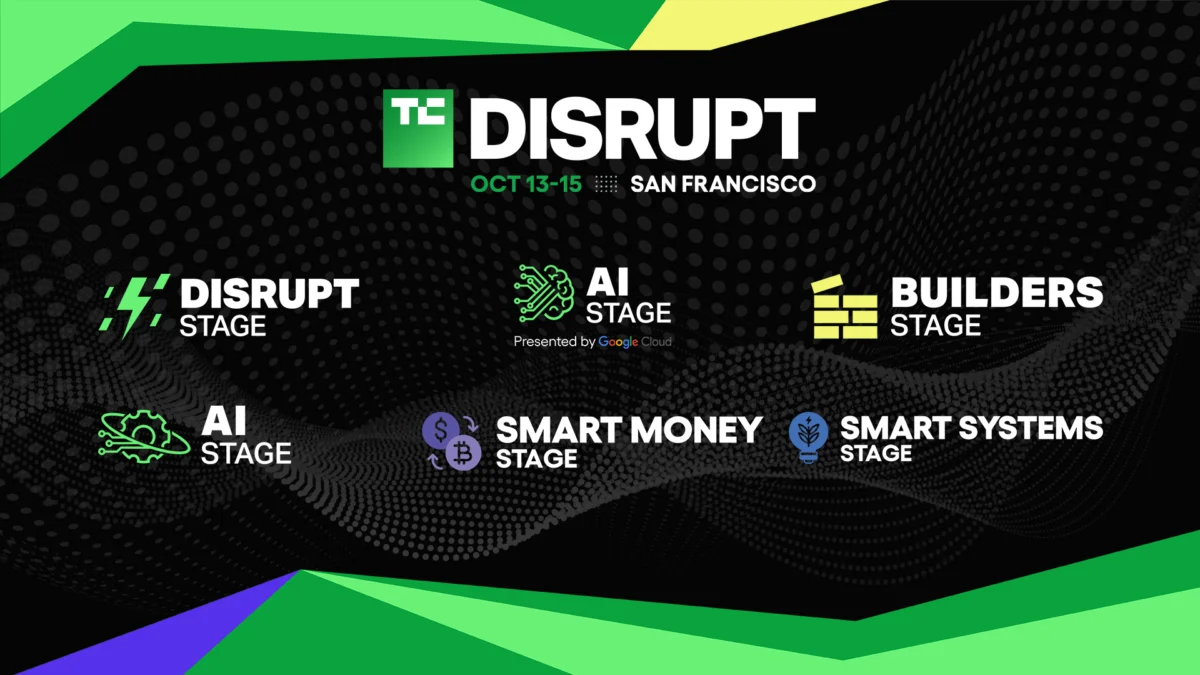
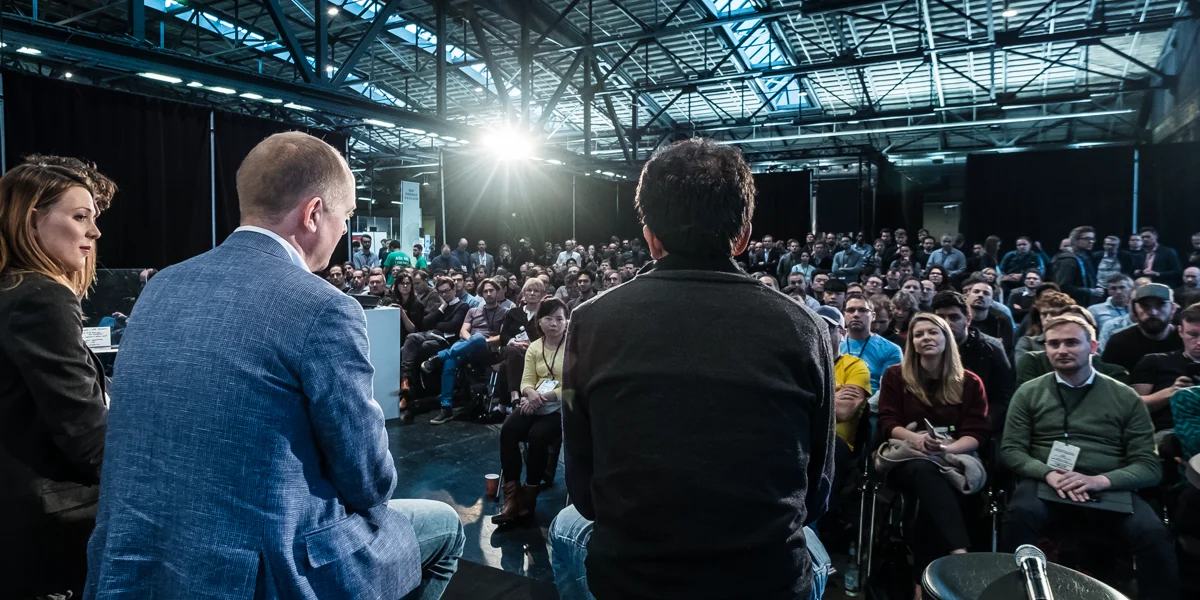
The global technology landscape is currently defined not by the speed of innovation, but by the agility with which founders and investors respond to rapid market shifts. As the industry moves toward the final quarter of 2026, the primary risk facing the startup ecosystem is no longer a lack of velocity, but rather the failure to adapt to a market that has already moved. In response to these complex dynamics, TechCrunch Disrupt 2026 has announced a redesigned format featuring six specialized stages designed to provide 10,000-plus attendees with the tactical and strategic insights required to navigate a highly volatile environment. Scheduled to take place from October 13–15 at the Moscone West convention center in San Francisco, the event will serve as a critical junction for founders, investors, and operators to address the operational pressures reshaping innovation, ranging from infrastructure bottlenecks to the fundamental rewriting of software business models.
The Evolution of TechCrunch Disrupt and the 2026 Strategic Pivot
Since its inception, TechCrunch Disrupt has served as a primary launchpad for some of the world’s most influential technology companies. Historically known for the Startup Battlefield competition—which has seen past participants such as Dropbox, Cloudflare, and Mint rise to global prominence—the conference has evolved from a showcase of early-stage prototypes into a comprehensive industry summit. The 2026 iteration marks a significant departure from previous years by acknowledging that the "move fast and break things" era has been replaced by an era of "informed resilience."

The decision to organize the event around six distinct stages is a direct response to the fragmentation of the tech industry. As venture capital dynamics shift and enterprise adoption of artificial intelligence (AI) matures, a singular, general-interest track is no longer sufficient for the specialized needs of today’s tech leaders. The 2026 agenda focuses on the intersection of AI-native competition, the physical constraints of data center infrastructure, and the maturation of fintech systems.
A Detailed Chronology of the Disrupt 2026 Roadmap
The road to the October event involves several critical milestones for the startup community. As of May 2026, the application window for the Startup Battlefield 200 is officially open, with a firm deadline of May 29. This selection process identifies the top 200 early-stage startups from around the globe, providing them with exhibition space and the opportunity to pitch on the main stage.
Following the application deadline, the summer months will be dedicated to vetting the "Battlefield 200," while the conference organizers finalize a speaker roster that already includes over 250 tech leaders. By late September, the full schedule for the 250-plus sessions will be released, allowing attendees to coordinate their movements across the Moscone West campus. The event itself, spanning three days in mid-October, is expected to generate significant economic activity for San Francisco, reinforcing the city’s status as the global epicenter of the AI revolution.

The Six Stages: A Tactical Breakdown of the 2026 Agenda
To manage the complexity of modern technology, Disrupt 2026 has categorized its programming into six specific areas of focus. Each stage is designed to address a different layer of the startup lifecycle and the broader market ecosystem.
The Disrupt Stage: Macro Trends and Headline Strategy
As the "center of gravity" for the event, the Disrupt Stage will host the most high-profile discussions. It is here that headline founders and top-tier venture capitalists will debate the broader shifts reshaping the global market. Key themes for 2026 include the geopolitical implications of technology, the state of the IPO market, and the long-term sustainability of the current AI investment cycle. This stage also serves as the venue for the Startup Battlefield finals, where the winning team will receive the $100,000 Equity-Free Grand Prize.
The Builders Stage: Tactical Execution for Founders
The Builders Stage is specifically designed for the operational realities of 2026. Unlike theoretical discussions, these sessions focus on the "how-to" of startup management. Significant attention will be given to "How to Win When You’re Not Building AI," a session addressing the challenge of securing capital in a market heavily skewed toward large language models. Speakers such as Nina Achadjian of Index Ventures and Josh Reeves of Gusto will provide insights into hiring, scaling, and achieving product-market fit in a more demanding investor environment.

The Smart Money Stage: The Future of Financial Infrastructure
The fintech sector has entered a period of intense scrutiny and maturation. The Smart Money Stage will move beyond the hype of previous years to examine digital financial systems that demonstrate durable growth. Discussions will center on real-time payments, the evolution of embedded finance, and the survival of fintech models in a high-interest-rate environment. Jack Zhang of Airwallex and Lotti Siniscalco of Emergence Capital are among the featured speakers tasked with identifying where capital is flowing as the "fintech winter" begins to thaw.
The Smart Systems Stage: Physical Constraints and Infrastructure
Perhaps the most critical addition to the 2026 lineup is the Smart Systems Stage. As AI expansion accelerates, the industry is facing unprecedented demand for data center capacity, grid connectivity, and energy. This stage focuses on the physical-world constraints—energy, logistics, and industrial systems—that software companies often overlook. Jeff Lawson of Inertia and David Kirtley of Helion will discuss how innovations in energy and robotics are becoming the next major competitive advantages.
AI in the Real World Stage: From Prototype to Production
The transition of AI from digital demos to physical reliability is the theme of the AI in the Real World Stage. When AI is integrated into manufacturing, drug discovery, or autonomous systems, the margin for error disappears. This programming will explore the operational risks of AI deployment, including what happens when cloud access is limited and how to build trustworthy, autonomous products that can scale in regulated industries.

The AI Stage: Rewriting the Software Business Model
Presented by Google Cloud, the AI Stage focuses on the software layer. The central thesis of this stage is that traditional Software-as-a-Service (SaaS) advantages are eroding. Sessions like "Rewriting SaaS: Why AI Breaks the Old Business Model" will examine how generative AI and autonomous agents are changing user expectations and product economics. The stage will provide a roadmap for how software companies can adapt their business models before their competitive advantages vanish.
Supporting Data: The Economic Context of 2026
The themes of TechCrunch Disrupt 2026 are supported by emerging data in the venture and technology sectors. Reports from the first half of 2026 indicate that while total venture deal volume has stabilized, the "bar for entry" for Series A and Series B rounds has reached a five-year high. Investors are increasingly prioritizing "capital efficiency" over "growth at all costs," a shift that is reflected in the Builders Stage programming.
Furthermore, data from the energy sector suggests that AI-related power consumption is projected to grow by 25% annually through 2030. This makes the Smart Systems Stage particularly timely, as founders who can solve energy efficiency problems are currently seeing a 40% premium on valuations compared to general application developers.

Industry Reactions and Implications
While official statements from the 250-plus speakers are being released in phases, the consensus among early confirmed participants is one of cautious optimism. Nina Achadjian of Index Ventures noted that the current market requires a "return to fundamentals," suggesting that the most successful founders in 2026 will be those who prioritize unit economics over market noise.
The broader implications of the Disrupt 2026 agenda suggest a maturing of the "AI era." The industry is moving away from the novelty of generative AI and toward a more sober assessment of its integration into the global economy. By focusing on infrastructure, physical reliability, and the rewriting of SaaS, TechCrunch is positioning the event as the definitive guide for the next phase of the digital revolution.
Logistical Information and Participation
For founders and investors looking to attend, the 2026 event offers tiered ticketing options. Current "Early Bird" rates allow for savings of up to $410 per pass, with a secondary incentive offering 50% off a second ticket. Given the 10,000-person capacity and the historical tendency for Disrupt tickets to sell out as the October dates approach, organizers recommend early registration.

As the tech industry prepares for the final quarter of 2026, the insights gathered at Moscone West will likely dictate the strategic direction of the startup ecosystem heading into 2027. In a market where reacting too late is the greatest risk, TechCrunch Disrupt 2026 aims to provide the foresight necessary to stay ahead of the shift.