admin
admin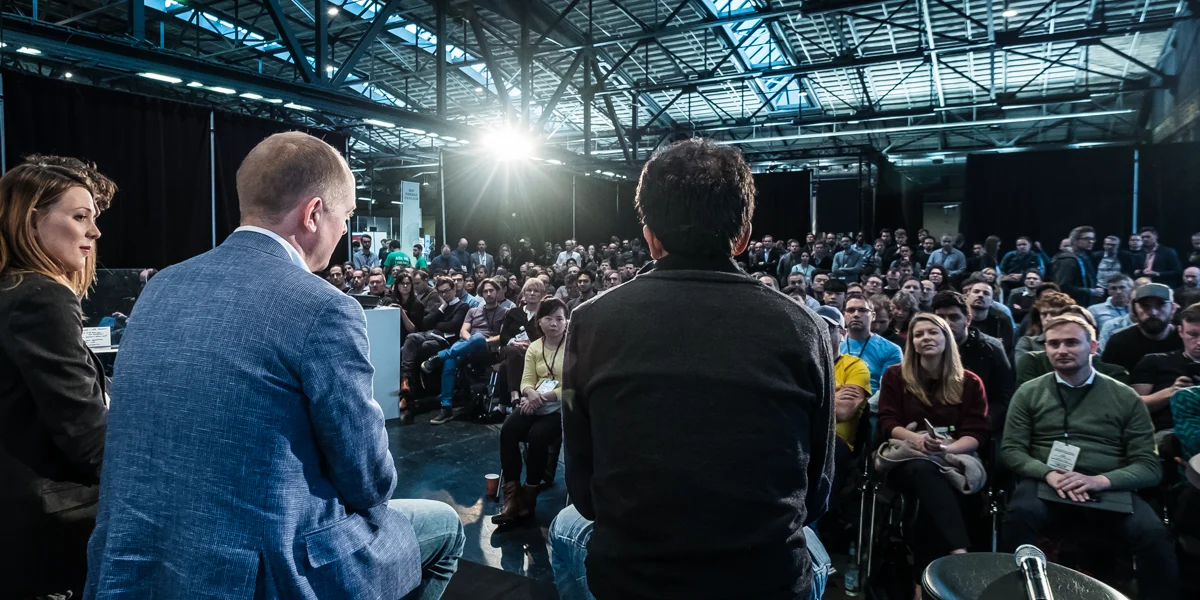
The window for visionaries, industry disruptors, and venture capital titans to secure a speaking role at TechCrunch Disrupt 2026 is rapidly closing, with the official call for content set to expire at 11:59 p.m. PT tonight. This final call marks a critical milestone in the lead-up to one of the technology sector’s most anticipated annual gatherings, scheduled to take place from October 13 to October 15, 2026, at the Moscone West convention center in San Francisco. As the tech industry navigates a transformative era defined by the rapid maturation of artificial intelligence and a shifting macroeconomic landscape for startups, the 2026 iteration of Disrupt aims to serve as the definitive forum for the conversations that will dictate the next decade of innovation.
TechCrunch Disrupt has long been regarded as the premier stage for the global startup ecosystem, and the 2026 event is expected to draw more than 10,000 attendees, including a concentrated demographic of founders, early-stage investors, and corporate operators. The event’s location at Moscone West is particularly symbolic, as San Francisco continues to reassert its dominance as the global epicenter for artificial intelligence development and venture capital activity. By opening the stage to external applications, the organizers are seeking to ensure that the programming reflects a diverse range of perspectives from those currently in the "trenches" of company building and technological research.
Strategic Session Formats: Breakouts and Roundtables
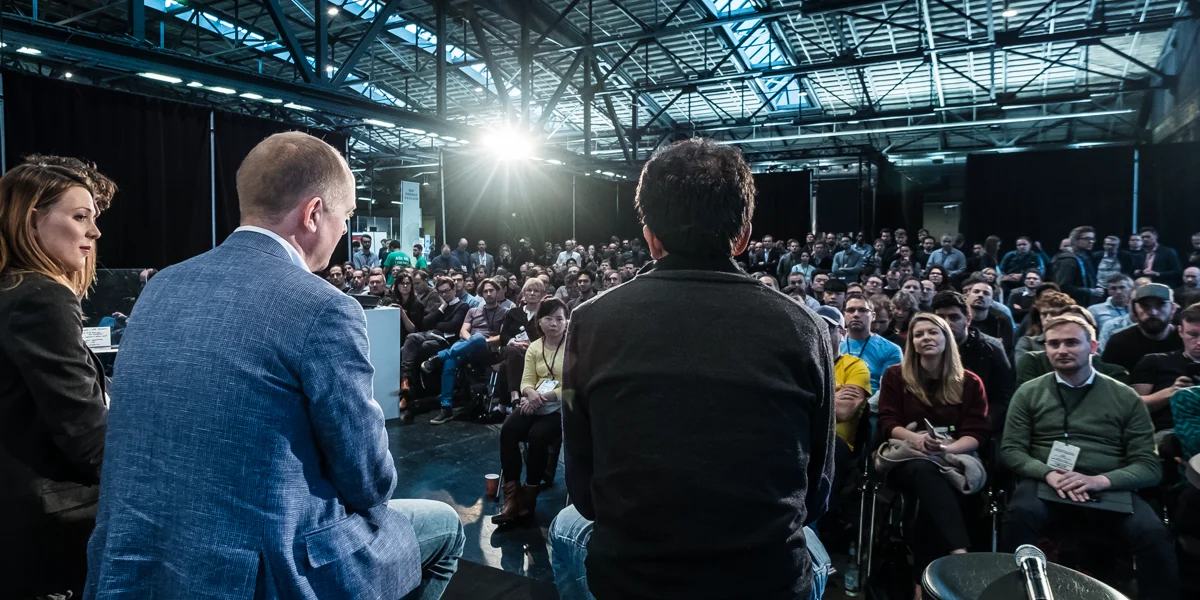
The 2026 call for content emphasizes two distinct session formats designed to maximize engagement and knowledge transfer. The first, known as Breakout Sessions, offers a structured platform for high-impact presentations. These 30-minute sessions allow for up to four speakers, including a moderator, and are followed by a 20-minute intensive audience Q&A. With a capacity of approximately 100 attendees, these sessions are tailored for deep dives into specific technical challenges, scaling strategies, or sector-specific trends.
The second format, Roundtables, focuses on the "unconference" model of peer-to-peer learning. These are 30-minute, speaker-led group discussions limited to 40 participants. Notably, these sessions eschew traditional audio-visual aids and slide decks in favor of raw, unfiltered dialogue. This format has gained popularity in recent years as attendees increasingly seek intimate networking opportunities and the chance to engage directly with experts on nuanced topics that may not be suited for a large stage.
A Rigorous Selection Process and the Audience Choice Vote
The path to the Disrupt stage is highly competitive, involving a multi-tiered vetting process designed to maintain the event’s reputation for high-quality, actionable content. Following the closure of the application window tonight, the TechCrunch editorial team will begin a comprehensive review of all submissions. The criteria for selection are stringent, focusing on the novelty of the insights, the speaker’s proven track record, and the relevance of the topic to the current technological zeitgeist.

In a move to democratize the programming, TechCrunch will once again utilize the "Audience Choice" voting system. After the editorial team narrows the field to a list of finalists, the broader TechCrunch community will be invited to vote on which sessions they find most compelling. This interactive element ensures that the final agenda aligns with the actual needs and interests of the tech community, while also providing finalists with an early platform to gauge interest in their specialized subjects.
Historical Context: The Legacy of TechCrunch Disrupt
To understand the significance of this deadline, one must look at the historical impact of the Disrupt conference series. Since its inception, Disrupt has been the launching pad for some of the most influential companies in the modern economy. The "Startup Battlefield" competition, a cornerstone of the event, has featured companies like Dropbox, Mint, and Cloudflare in their infancy. According to historical data provided by TechCrunch, Battlefield alumni have collectively raised over $9 billion in funding and have seen more than 100 successful exits through acquisitions or initial public offerings (IPOs).
The 2026 event arrives at a juncture where the "growth at all costs" mentality of the previous decade has been replaced by a focus on sustainable scaling and "capital efficiency." This shift is expected to be a major theme across the Breakout and Roundtable sessions. Speakers who can provide data-backed insights into navigating the current "VC winter" or leveraging generative AI to reduce operational overhead are expected to be high on the editorial team’s priority list.
Core Themes for 2026: AI, Fintech, and Beyond
The 2026 agenda is structured around several core pillars that represent the highest areas of growth and investment in the current market. Artificial Intelligence remains the dominant narrative, but the focus has shifted from theoretical capabilities to enterprise-grade implementation and infrastructure. Data from recent industry reports suggests that while AI investment reached record highs in 2024 and 2025, the 2026 cycle will be defined by "the realization of ROI," making experts in AI deployment and ethics highly sought after for the Disrupt stage.
Fintech is another primary focus, specifically the evolution of cross-border payments and the integration of decentralized finance (DeFi) into traditional banking stacks. As regulatory frameworks around the world become more defined, the 2026 sessions will likely explore the intersection of compliance and innovation. Additionally, sectors such as robotics and "hard tech" are seeing a resurgence. As labor shortages persist in manufacturing and logistics, the role of autonomous systems has moved from the periphery to the center of the industrial strategy, a trend that Disrupt 2026 intends to cover extensively.
The San Francisco Tech Renaissance
The return to Moscone West is also a nod to the resilience of the San Francisco tech ecosystem. Despite headlines suggesting a "tech exodus" in previous years, recent data from the San Francisco Office of Economic and Workforce Development indicates a significant uptick in commercial lease signings by AI startups. The city remains the top destination for venture capital, receiving nearly 40% of all US-based VC funding in the most recent fiscal quarters.

By hosting Disrupt in the heart of the city, TechCrunch provides a localized hub for international attendees to interface with the world’s most concentrated talent pool. For speakers, this provides an unparalleled opportunity to influence not just the 10,000 people in the room, but the global audience that follows TechCrunch’s digital coverage, which reaches millions of unique visitors monthly.
Chronology of the Disrupt 2026 Planning Cycle
The timeline for Disrupt 2026 is a year-long undertaking, reflecting the complexity of coordinating a global summit. The process began in late 2025 with the securing of the Moscone West venue and the establishment of the core thematic tracks.
- May 2026: Launch of the Call for Content, inviting global applications.
- Tonight (11:59 p.m. PT): Final deadline for all speaker and session applications.
- Summer 2026: Editorial review and the announcement of Audience Choice finalists.
- Late Summer 2026: Finalization of the speaker roster and publication of the full event agenda.
- October 13–15, 2026: TechCrunch Disrupt 2026 takes place in San Francisco.
Industry Implications and Broader Impact
The sessions selected through this call for content will do more than just fill a 30-minute slot; they often set the tone for the industry’s narrative in the following year. When a founder or investor presents a new framework for thinking about infrastructure or fintech at Disrupt, it frequently becomes a reference point for future venture rounds and strategic partnerships.
Furthermore, the emphasis on diverse session formats like Roundtables reflects a broader trend in the events industry toward "active learning." In an age where keynote speeches are often recorded and distributed online instantly, the value of a physical conference has shifted toward the "un-Googleable" insights—the off-the-record conversations and the nuanced answers provided during a 20-minute Q&A session.
Final Call to Action
For those possessing the expertise to guide the next generation of tech leaders, the remaining hours represent a fleeting opportunity to join the ranks of past Disrupt speakers. The application process requires a clear thesis, a defined set of takeaways for the audience, and a commitment to delivering high-quality, non-promotional content.
As the 11:59 p.m. PT deadline approaches, the tech community remains focused on who will rise to the challenge of shaping the 2026 agenda. In an industry where timing is often the difference between success and failure, this deadline serves as the final gate for those wishing to lead the conversation at one of the world’s most influential technology events. Application forms and further details on the submission requirements remain available on the official TechCrunch Disrupt Call for Content page for the duration of the evening.