admin
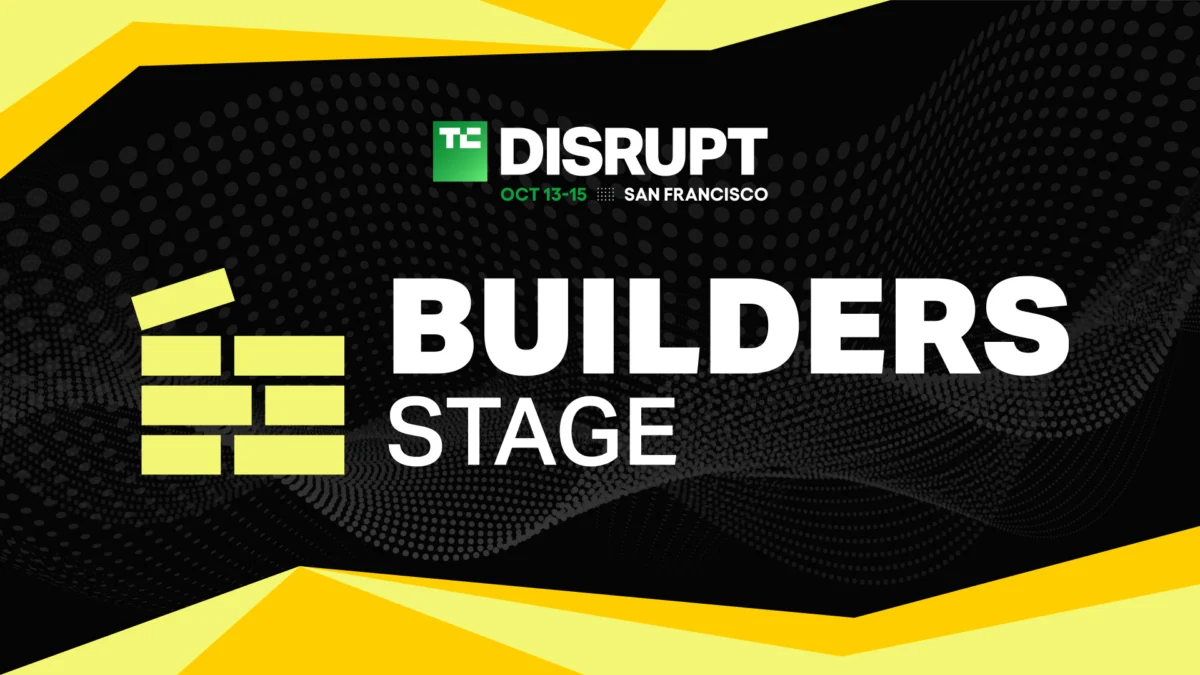
The Builders Stage will officially return to TechCrunch Disrupt 2026, serving as a dedicated forum for founders, startup operators, and venture capitalists to engage in high-level discussions regarding the mechanics of scaling successful technology companies. Scheduled to take place at the Moscone Center in San Francisco from October 13 to 15, the 2026 edition of the event arrives during a pivotal era for the global tech ecosystem, characterized by the rapid integration of artificial intelligence and a fundamental shift in how venture capital is deployed. The Builders Stage stands as one of six industry-focused tracks designed to provide actionable intelligence on fundraising, talent acquisition, go-to-market execution, and operational resilience.
As the venture landscape continues to recalibrate following the volatility of the mid-2020s, the 2026 agenda emphasizes the transition from early-stage experimentation to sustainable enterprise growth. This year’s lineup features a diverse array of industry leaders, including Grant Lee, CEO and co-founder of Gamma; Leah Solivan, founder and general partner at Precedent.vc; and Robby Stein, Vice President of Product at Google. Through a series of candid fireside chats, panel discussions, and real-world case studies, these experts will address the specific hurdles of the current market, where the "growth at all costs" mentality has been replaced by a rigorous focus on unit economics and capital efficiency.
Historical Context and the Evolution of the Builders Stage
TechCrunch Disrupt has long served as a bellwether for the technology industry. Since its inception, the conference has been the launchpad for numerous companies that have achieved unicorn status, largely through its signature Startup Battlefield competition. However, as the startup lifecycle has matured, the need for a dedicated "Builders" track became evident. While other stages at Disrupt focus on the "what" of technology—such as the latest breakthroughs in SaaS, Fintech, or Hardware—the Builders Stage is uniquely focused on the "how."
The return of this stage in 2026 reflects a broader industry trend: the "Series A Crunch" and the rising bar for "fundability." In previous years, a compelling minimum viable product (MVP) and modest user growth might have been sufficient to secure mid-stage funding. Today, investors demand sophisticated go-to-market engines and a clear path to $10 million in Annual Recurring Revenue (ARR). The Builders Stage is designed to bridge this gap, offering a curriculum that mirrors the complexities of modern company building.
Strategic Focus on Artificial Intelligence and Defensibility
A significant portion of the 2026 agenda is dedicated to the pervasive influence of artificial intelligence. Unlike previous iterations that focused on the novelty of generative AI, the 2026 sessions take a more pragmatic and defensive stance. One of the most anticipated sessions, "What Happens When OpenAI Ships Your Roadmap," features Michel Tricot of Airbyte, Rob Toews of Radical Ventures, and Linda Tong of Webflow. This discussion will analyze "platform risk"—the danger faced by startups when foundational model providers like OpenAI or Anthropic release features that overlap with a startup’s core offering.

Furthering this analysis, the session "How to Win When You’re Not Building AI" will provide a counter-narrative to the current AI-centric investment climate. Led by Shan Shan of Baillie Gifford and Yuri Sagalov of General Catalyst, the panel will explore how non-AI companies can compete for venture dollars by emphasizing retention, revenue quality, and disciplined execution. This reflects a growing sentiment among institutional investors that while AI is a powerful tool, the fundamental principles of business—solving a specific customer pain point and maintaining a high lifetime value (LTV) to customer acquisition cost (CAC) ratio—remain the primary drivers of long-term value.
Operational Excellence and the New Talent Paradigm
The operational sessions at Disrupt 2026 highlight a fundamental shift in the startup workforce. With the emergence of AI agents and automated workflows, the very definition of a "founding team" is being rewritten. The session "Hiring When AI Is a Co-Founder," featuring Josh Reeves of Gusto, will examine how early-stage companies are building hybrid teams where human talent and AI agents coexist. This shift has profound implications for equity distribution, compensation models, and corporate culture.
Supporting data suggests that the average headcount for a seed-stage startup reaching $1 million in ARR has decreased by nearly 30% over the last three years, largely due to increased productivity from AI-enabled engineering and marketing tools. Consequently, the session "Competing for AI Talent: Pay, Equity, and Retention" will address the skyrocketing costs of specialized labor. Speakers such as Matt Birnbaum of Wylder.co and Atli Thorkelsson of Redpoint Ventures will provide data-driven insights into how startups can attract top-tier talent without overextending their runways.
The Fundraising Landscape: Projections for 2027
For many attendees, the primary draw of the Builders Stage is the direct access to venture capital perspectives. The session "The Series A in 2027" is particularly noteworthy, as it features partners from three of the world’s most influential firms: Index Ventures, Peak XV, and Bessemer Venture Partners. These investors will provide a forward-looking analysis of the metrics that will define "success" in the coming year.
The consensus among analysts is that the "Series A" has effectively become what the "Series B" used to be. Founders are now expected to demonstrate product-market fit (PMF) with higher degrees of certainty. To address this, the session "PMF Red Flags: How to Tell If You Really Have It," featuring Rahul Vohra of Superhuman and Rajeev Dham of Sapphire Ventures, will dismantle the myths of early traction. They will argue that usage spikes and pilot wins are often "false positives" in a hype-driven market, and that true PMF is defined by high-frequency retention and organic "pull" from the market.
Chronology of the Builders Stage Agenda
The three-day event is structured to take founders through a logical progression of company growth.

Day One: Foundations and Early Traction
The opening day focuses on the "Zero to One" phase. Sessions like "Winning Pre-Seed Without a Product" will guide founders on how to leverage their personal narratives and market conviction to secure initial capital. This will be followed by "The Zero-to-1K Playbook," where Grant Lee and Leah Solivan will share tactical advice on founder-led distribution and community building—strategies that require minimal marketing spend but maximum creative execution.
Day Two: Scaling and Defense
The second day shifts focus to the "One to Ten" phase. This includes the highly technical "Real Tokenmaxxing" session, which explores how AI companies manage multi-model architectures to ensure reliability and cost-efficiency. The afternoon will feature "M&A Is Now an Early-Stage Strategy," a session that encourages founders to view acquisitions not as a "failure to IPO," but as a strategic exit option that should be cultivated through product partnerships from day one.
Day Three: Long-term Vision and Mental Resilience
The final day addresses the human element of building. "Yes, It’s Hard to Be a Founder" brings together mental performance experts and successful entrepreneurs to discuss burnout and decision fatigue. The stage concludes with "The High-Conviction Filter," a debrief from the Startup Battlefield judges, providing a meta-analysis of the trends observed throughout the week and what they signal for the future of the tech industry.
Broader Impact and Industry Implications
The programming at the Builders Stage at Disrupt 2026 is a reflection of a tech industry that has matured beyond the "move fast and break things" era. The focus on defensibility, multi-product engines, and mental health suggests a shift toward more sustainable, long-term thinking.
Industry analysts suggest that the emphasis on "The 90-Day GTM" and "AI Disruptors" indicates an acceleration in the pace of business. Companies no longer have years to find their footing; they must now find it in months. This compression of the startup lifecycle places an immense burden on founders to be "right" more often and more quickly. By providing a platform for these high-stakes conversations, TechCrunch Disrupt 2026 continues to play a vital role in the education and survival of the next generation of global tech leaders.
As the Moscone Center prepares to host more than 10,000 technology leaders, the Builders Stage remains the core destination for those looking to transform a volatile market into a strategic advantage. Registration for the event is currently open, with tiered pricing reflecting the high demand for these specialized insights. The conversations held this October in San Francisco are likely to set the tone for the venture and startup activities of 2027 and beyond.