admin
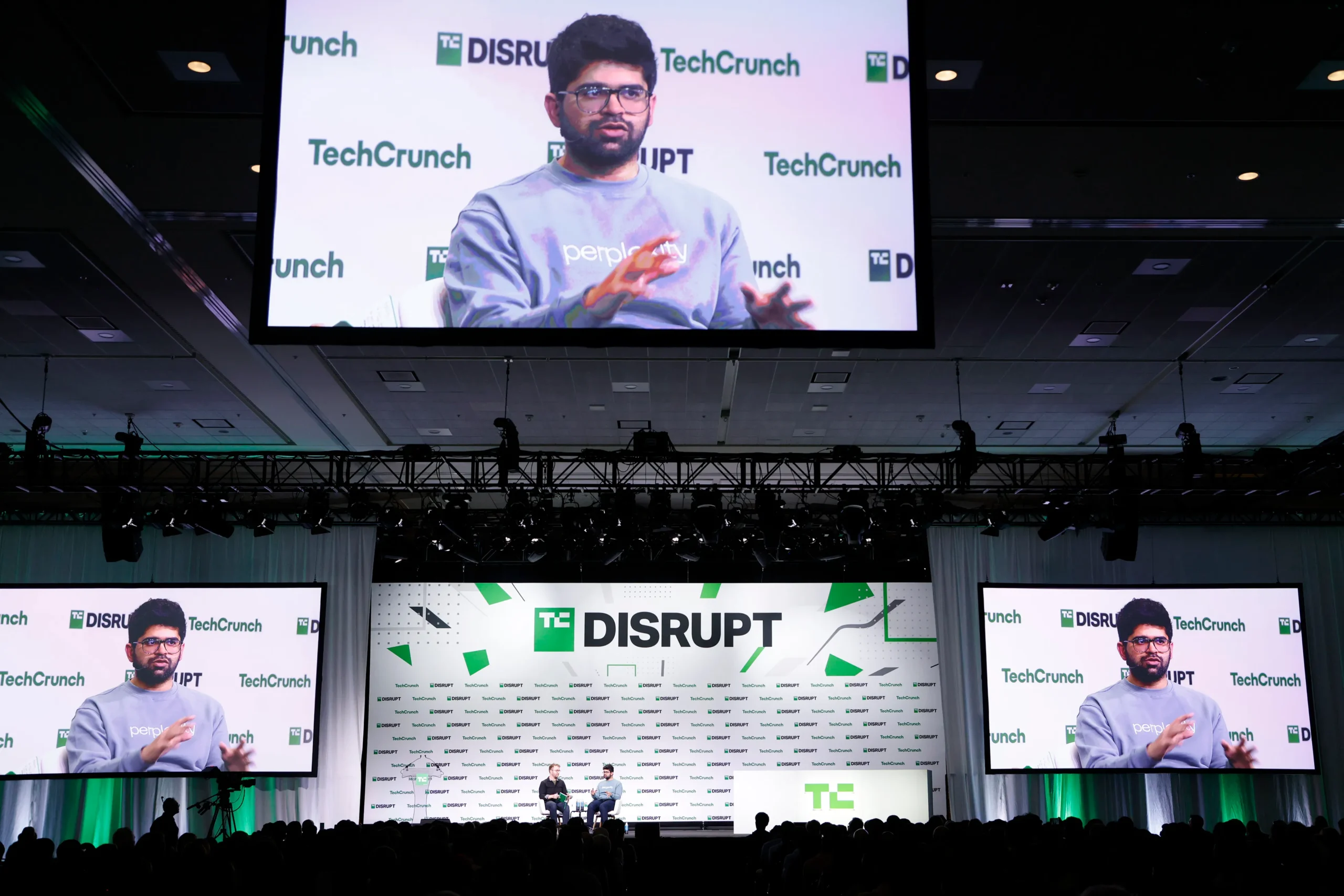
The 2026 iteration of Disrupt arrives at a time of significant transition for the technology sector. With the rapid maturation of generative artificial intelligence, the resurgence of hardware innovation, and a shifting venture capital environment, the event serves as a critical barometer for the industry’s health. This year’s program is notably expansive, featuring more than 250 speakers across 200 sessions and six specialized stages. These sessions are designed to provide granular insights into the decision-making processes of the world’s most prominent technology firms and the emerging startups poised to challenge them.
A High-Stakes Agenda Focused on Scalable Innovation
The core of TechCrunch Disrupt 2026 is its rigorous conference program, which has been curated to address the most pressing challenges and opportunities in the current market. The agenda spans a wide array of sectors, including artificial intelligence, robotics, infrastructure, fintech, climate technology, and the logistical realities of building companies at scale. By hosting these conversations in San Francisco, the event reinforces the city’s status as a primary hub for technological advancement despite global decentralization trends.
Among the headlining speakers is RJ Scaringe, the founder and CEO of Rivian. Scaringe’s presence highlights the ongoing intersection of automotive technology and sustainability, particularly as the electric vehicle (EV) market enters a more competitive and cost-sensitive phase. His insights are expected to cover the complexities of manufacturing at scale and the integration of autonomous software in consumer transport.

Adding a unique dimension to the lineup is entrepreneur and actor Mark Wahlberg, whose business ventures in fitness, apparel, and production reflect the growing trend of celebrity-led brand ecosystems. His session is anticipated to focus on the intersection of media and consumer technology, providing a different perspective on brand building and venture investment.
The technical and financial backbone of the industry will be represented by figures such as Alexa von Tobel, Managing Partner at Inspired Capital and founder of LearnVest, and Andrew Feldman, CEO of Cerebras Systems. Feldman’s participation is particularly timely given the intense demand for high-performance computing and AI chips. Cerebras has been at the forefront of developing "wafer-scale" engines designed to handle the massive computational loads required by modern large language models (LLMs).
The AI and Robotics Frontier
As artificial intelligence continues to dominate the headlines, Disrupt 2026 has dedicated substantial resources to exploring the practical applications of this technology. Cat de Jong from Anthropic and Les Karpas from NVIDIA are slated to discuss the infrastructure required to sustain the next wave of AI development. Anthropic’s focus on "AI safety" and ethical alignment provides a counterpoint to the pure-speed approach of other labs, while NVIDIA’s dominance in the GPU market makes Karpas’s insights essential for any founder or investor looking to understand the hardware supply chain.
Robotics also takes center stage this year, with discussions moving beyond industrial automation into humanoid robotics and edge computing. The integration of AI into physical forms represents one of the most significant technical hurdles of the decade, and the sessions at Disrupt aim to demystify the progress being made in sensor technology, battery life, and spatial reasoning.

The Startup Battlefield 200 and the Expo Hall
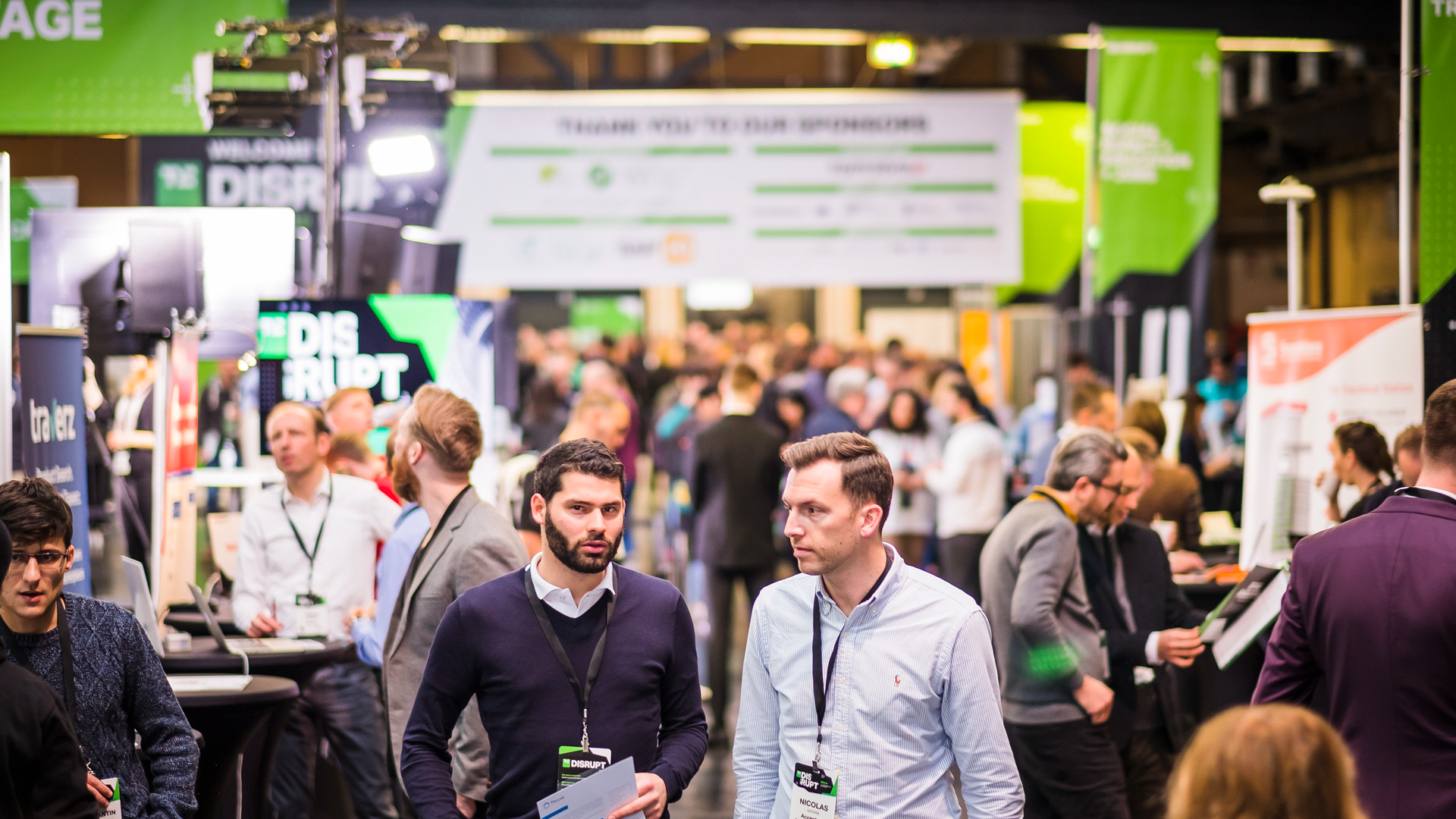
While the keynote stages offer high-level strategy, the Expo Hall serves as the event’s engine room. This year, more than 300 startups will showcase their products, providing a first look at the innovations that could become household names by the end of the decade. Central to this discovery process is the Startup Battlefield 200, an elite cohort of hand-picked companies that have undergone a rigorous vetting process by TechCrunch’s editorial team.
Historically, the Startup Battlefield has been a kingmaker in the tech world. Since its inception, Battlefield alumni have collectively raised over $9 billion in funding and produced numerous successful exits, including companies like Dropbox, Cloudflare, and Fitbit. The "Battlefield 200" represents the top tier of applicants who receive flash-stage time, workshops, and direct access to top-tier venture capitalists. For investors, the Expo Hall is a high-density environment for deal-flow discovery, while for founders, it is an opportunity to validate their products against a backdrop of intense peer competition.
Economic Context and the "Layoff to Liftoff" Initiative
The 2026 event takes place against a backdrop of a complex labor market. While certain sectors like AI are seeing unprecedented hiring and investment, other areas of the tech industry have faced significant downsizing and restructuring over the past 24 months. In response to these market conditions, TechCrunch has continued its "Layoff to Liftoff" program. This initiative offers a deeply discounted Expo+ Pass for just $75 to individuals who have recently been displaced from their jobs.
The program is designed to facilitate re-entry into the workforce by providing networking opportunities with high-growth startups that are actively hiring. Industry analysts view such programs as vital for maintaining the "knowledge density" of the San Francisco tech ecosystem, ensuring that talent remains within the orbit of innovation rather than exiting the industry entirely.

Furthermore, the event’s pricing structure is designed to encourage collaborative participation. Beyond the standard discounts of up to $100 for early registration, organizers are offering a "Buy One, Get One 50% Off" promotion for second passes of the same ticket type. Group discounts for teams of four or more are also available, reflecting a broader industry trend toward team-based professional development and strategic planning.
Chronology of the Three-Day Event
The structure of TechCrunch Disrupt 2026 is designed to maximize both learning and networking:
- Day 1 (October 13): The event opens with high-level keynotes focusing on the global macro-environment. The first rounds of the Startup Battlefield begin, and the Expo Hall opens to all attendees. This day is traditionally characterized by high energy and the establishment of primary networking threads.
- Day 2 (October 14): The focus shifts to specialized tracks. Breakout sessions and roundtables allow for more intimate discussions on niche topics like fintech regulation and climate tech unit economics. The Builders Stage becomes a hub for technical founders looking for advice on engineering management and product-market fit.
- Day 3 (October 15): The final day features the culmination of the Startup Battlefield, where the finalists compete for the $100,000 equity-free grand prize. The afternoon concludes with a focus on "What’s Next," providing a forward-looking summary of the themes that emerged during the week.
Broader Impact and Industry Implications
The significance of TechCrunch Disrupt extends beyond the three days of the conference. For San Francisco, the event is a major economic driver, filling hotels and restaurants and reinforcing the city’s narrative of a "comeback" following the pandemic-era challenges. The concentration of wealth, talent, and media attention creates a "halo effect" that can influence local policy and real estate trends.
From a sectoral perspective, Disrupt 2026 is likely to solidify the shift from "growth at all costs" to "sustainable innovation." The inclusion of leaders from companies like Rivian and Cerebras suggests a move toward "hard tech"—industries that require significant physical infrastructure and long-term capital commitment. This marks a departure from the software-only dominance of the 2010s.

Moreover, the heavy emphasis on AI infrastructure and robotics indicates that the industry is moving into an implementation phase. The "conversations shaping tech right now," as highlighted in the event’s promotional materials, are less about the theoretical potential of AI and more about the realities of power consumption, data privacy, and ROI.
As the tech world prepares to gather at Moscone West, the stakes remain high. For the 10,000 attendees, the next 48 hours represent the final window of preparation before they enter a venue that has, for nearly two decades, served as the launchpad for the next generation of global industry leaders. Whether through a chance meeting in the Expo Hall or a strategic insight gained from a roundtable session, the connections made this week will likely reverberate through the tech industry for years to come.