admin
admin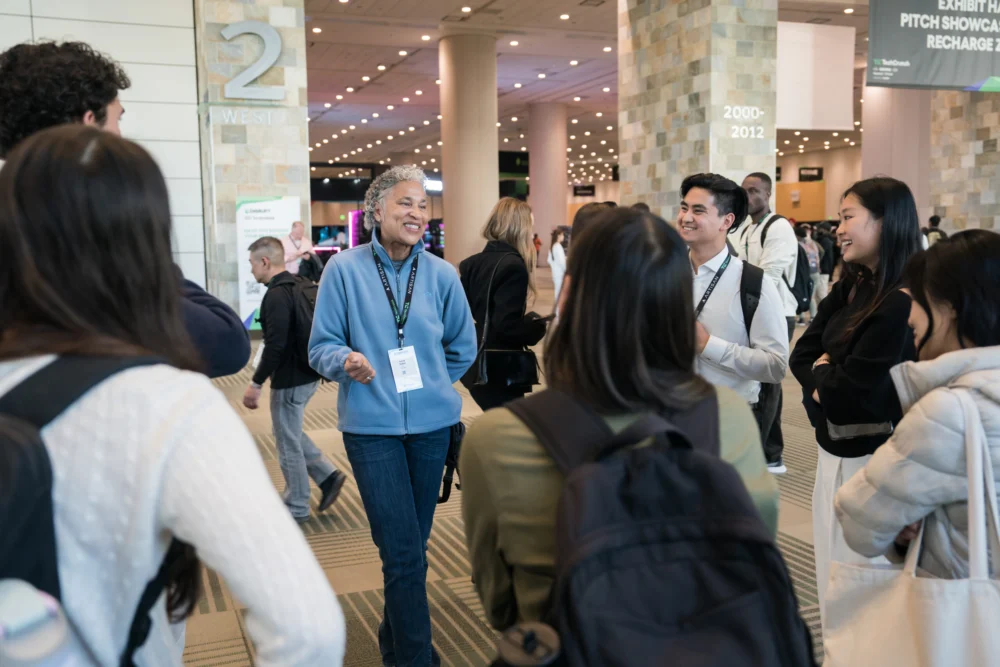
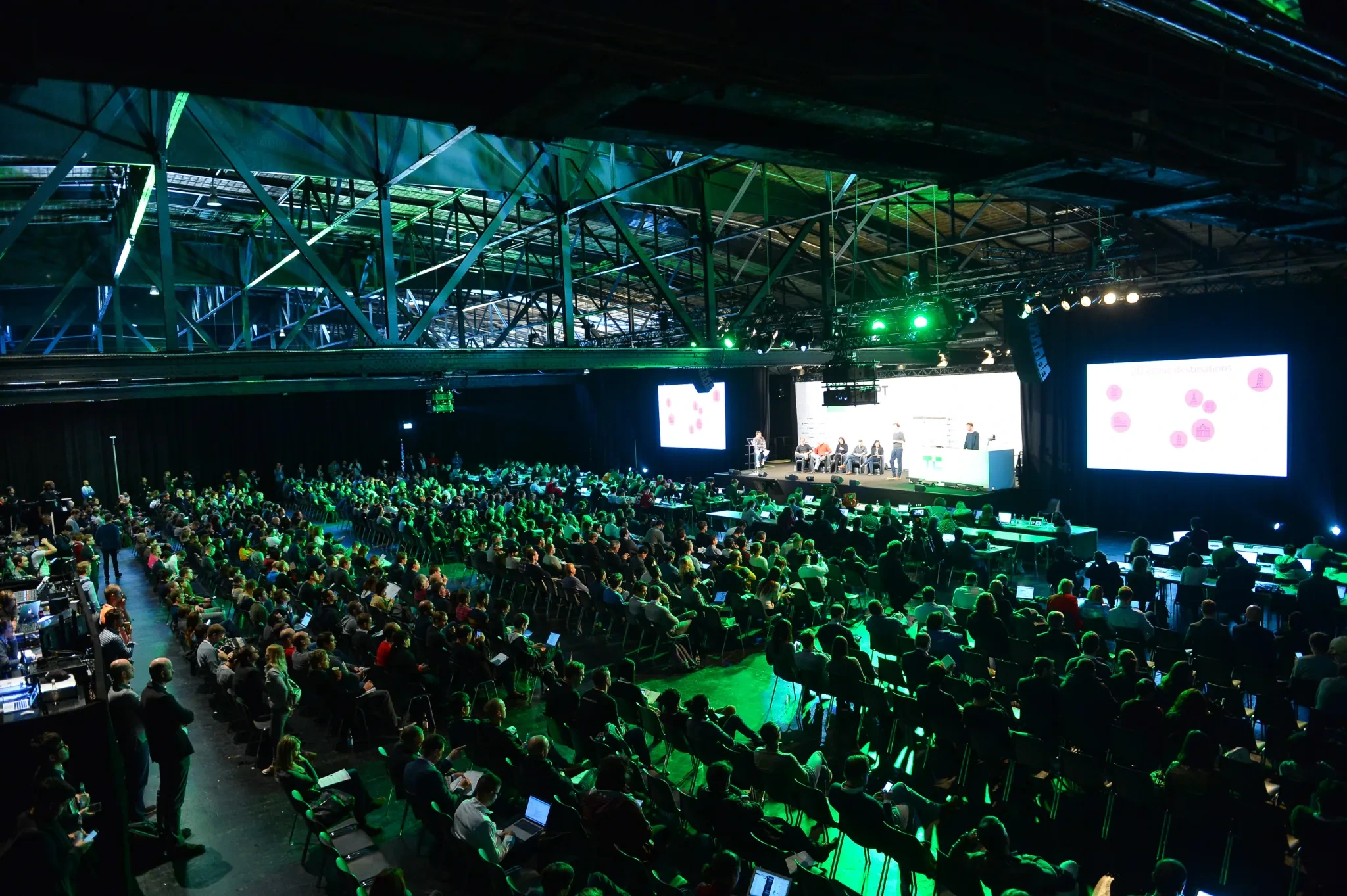
The final day of TechCrunch Disrupt 2025 commenced at Moscone West in San Francisco, marking the culmination of a three-day summit that has served as a primary barometer for the global technology ecosystem. As the event enters its concluding phase, the focus has shifted from early-stage conceptualization to the practicalities of scaling, the "agentic" shift in artificial intelligence, and the evolving dynamics of venture capital in a high-interest-rate environment. With thousands of founders, investors, and engineers in attendance, the atmosphere remains charged with the anticipation of the Startup Battlefield 200 winner announcement, an accolade that has historically preceded the meteoric rise of companies such as Dropbox, Fitbit, and Mint.
The Strategic Importance of the 2025 Summit
TechCrunch Disrupt has long been regarded as the premier venue for debut innovations, but the 2025 iteration arrives at a critical juncture for the industry. Following two years of aggressive AI experimentation, the sector is now facing pressure to demonstrate tangible return on investment and operational utility. The presence of heavyweight figures from Meta, Google Cloud, and Box underscores a broader industry effort to move beyond generative chat interfaces toward "agentic" systems—AI entities capable of executing complex workflows with minimal human oversight.
The choice of San Francisco as the host city also carries significant weight. Despite ongoing debates regarding the city’s economic recovery, the 2025 conference highlights San Francisco’s enduring status as the "AI Capital of the World." Mayor Daniel Lurie’s scheduled appearance on the Disrupt Stage is expected to address the symbiotic relationship between the city’s municipal policy and the tech sector’s growth, particularly as the city seeks to fill commercial real estate vacancies with high-growth startups.
AI Infrastructure and the Agentic Cloud
The AI Stage on Day 3 features a rigorous exploration of the "AI Stack," led by Thomas Wolf, co-founder and Chief Science Officer of Hugging Face. As the open-source community continues to challenge proprietary models, Wolf’s insights into model transparency and accessibility are pivotal for developers looking to build outside the "walled gardens" of Big Tech.
Complementing this perspective, Will Grannis, CTO of Google Cloud, is set to detail how the "Agentic Cloud" is being constructed to support enterprise-level deployments. This involves moving data processing closer to the edge and ensuring that AI agents can interact securely with legacy corporate infrastructure. The discussion on "vibe coding"—a burgeoning trend where natural language prompts replace traditional programming syntax—is also a central theme. Experts from Sentry, Warp, and Bessemer Venture Partners are debating whether the traditional "10x engineer" remains the most valuable asset for a startup, or if the ability to orchestrate AI agents will become the dominant skill set for the next generation of founders.
The ethical and social dimensions of AI are not being ignored. A unique session titled "Love, Lies & Algorithms" features researchers from the Kinsey Institute alongside leadership from Tinder and Replika. This panel explores the psychological impact of AI-driven companionship and the role of algorithms in human intimacy, reflecting a growing awareness that the disruption caused by AI extends far beyond productivity and into the fabric of social interaction.
The Startup Battlefield: A High-Stakes Finale
The centerpiece of the final day is the Startup Battlefield 200 finale. From an initial pool of hundreds of applicants, a select group of finalists will pitch their businesses to a panel of seasoned judges, including Kirsten Green of Forerunner, Kevin Rose of Digg, and Aileen Lee of Cowboy Ventures. The competition is not merely a quest for the $100,000 equity-free grand prize; it is a platform for visibility that often leads to immediate term sheets and strategic partnerships.
The 2025 finalists represent a diverse array of sectors, with a notable concentration on "Deep Tech" and sustainability. While AI remains the common thread, the application of machine learning to physical world problems—such as Blue River Technology’s work in autonomous agriculture and Nuro’s advancements in robotic delivery—demonstrates a shift toward "hard tech" solutions. This trend is further supported by the "SOSV: Where Deep Tech is Headed" session, which posits that the most significant breakthroughs of the late 2020s will occur at the intersection of biology, energy, and computation.

Navigating the New Venture Capital Landscape
On the Builders Stage, the conversation has centered on the changing mechanics of startup funding. The session "Rethinking Startup Capital without VCs" addresses a growing sentiment among some founders that traditional venture cycles may not be suitable for every business model. Erik Allebest, CEO of Chess.com, and other partners are discussing the merits of bootstrapping, revenue-based financing, and long-term sustainability over the "blitzscaling" approach that defined the previous decade.
However, for those still pursuing the VC path, the "Seed Money Secrets" panel featuring partners from Harlem Capital and MaC Venture Capital provides a roadmap for navigating a market that has become increasingly discerning. Data indicates that while seed-stage funding remains resilient, the bar for Series A and B rounds has risen significantly, requiring founders to demonstrate clear paths to profitability and robust unit economics.
National Security and the Global Race for Innovation
A notable addition to the 2025 agenda is the focus on AI and National Security. Featuring Justin Fanelli, CTO of the U.S. Department of the Navy, and Kathleen Fisher of the RAND Corporation, this session examines the geopolitical implications of the AI race. As the line between civilian and military technology blurs, the role of Silicon Valley in national defense is being redefined. The discussion highlights the "high-stakes race to innovate," where the speed of software development is now seen as a critical component of national resilience and deterrence.
This focus on security extends to the crypto sector. Anatoly Yakovenko, co-founder of Solana, is expected to discuss "Crypto’s Next Chapter," focusing on how blockchain technology can provide a decentralized layer of trust in an era of AI-generated misinformation. The integration of crypto payments into global hiring platforms, as discussed by Francoise Brougher of Pebl, suggests that the industry is moving away from speculative assets toward functional financial infrastructure.
San Francisco’s Economic and Cultural Resurgence
The conference also serves as a platform for local advocacy. Mayor Daniel Lurie’s session, "Rebuilding the City that Builds Startups," is a direct address to the tech community regarding the future of San Francisco. Following several years of negative headlines regarding public safety and "doom loops," the city is using TechCrunch Disrupt to showcase its revitalization efforts.
The presence of over 80 side events across the city—ranging from founder mixers in Hayes Valley to technical workshops in SoMa—demonstrates that the "Disrupt" effect extends beyond the walls of Moscone West. These satellite gatherings are often where the most significant deals are brokered, reinforcing the importance of physical proximity in a digital-first industry.
Conclusion: Implications for the 2026 Tech Cycle
As TechCrunch Disrupt 2025 draws to a close, several key themes have emerged that will likely define the tech narrative for the coming year. First, the "Agentic AI" era has officially begun, moving the conversation from what models can say to what they can do. Second, the startup ecosystem is undergoing a maturation process, with a renewed emphasis on capital efficiency and alternative funding models. Finally, the convergence of tech and policy—whether in the form of national security or municipal rebuilding—indicates that the industry is entering a more regulated and civic-minded phase.
The announcement of the Startup Battlefield winner will provide a final exclamation point to the event, but the true impact of Disrupt 2025 will be measured in the months to follow. As the thousands of attendees depart San Francisco, they carry with them the blueprints for the next generation of industry giants. For those who were unable to attend the first two days, the final day’s 50% registration discount offers a last-minute opportunity to engage with the thinkers and builders who are actively architecting the future. In an industry defined by rapid change, Disrupt 2025 has once again proven that while the players may change, the spirit of innovation remains the tech world’s most consistent currency.