admin
admin
A critical policy report, jointly published Wednesday by Hashed Open Research and the Solana Policy Institute, has strongly advocated for South Korea to adopt a more flexible regulatory framework for stablecoin issuers, introduce immediate interim licensing guidance, and implement stablecoin regulations in a phased manner, even prior to the full completion and enactment of its landmark Digital Asset Basic Act (DABA). These recommendations, emerging from a June 23 symposium that gathered a diverse group of lawmakers, legal experts, and industry participants, underscore a growing consensus on the urgent need for a pragmatic and progressive approach to digital asset governance in the nation. The symposium served as a crucial platform for stakeholders to deliberate on the path forward for South Korea’s digital economy, aiming to balance innovation with financial stability and investor protection.
The Stalled Digital Asset Basic Act and its Implications
The Digital Asset Basic Act represents South Korea’s ambitious endeavor to establish the nation’s first comprehensive regulatory framework for digital assets. This foundational legislation is envisioned to encompass all facets of the burgeoning crypto market, including detailed provisions for stablecoins, rules governing asset issuance, robust disclosure requirements, and overarching market conduct guidelines. However, the legislative process has encountered significant hurdles, with lawmakers struggling to reconcile multiple proposed bills. A primary point of contention, and a major factor in delaying the legislation’s progress, has been the complex issue of stablecoin issuance. The debate often centers on who should be permitted to issue stablecoins and under what conditions, reflecting deep concerns about systemic risk, consumer protection, and the broader implications for monetary sovereignty.
Democratic Party lawmaker Ahn Dogeol shed light on ongoing discussions aimed at breaking this legislative deadlock. He indicated that policymakers are actively exploring a compromise solution that would delineate roles between traditional financial institutions and innovative fintech entities. Under this potential model, established banks would likely maintain majority ownership stakes in stablecoin operations, thereby leveraging their existing regulatory oversight and financial stability, while fintech firms and non-bank entities would be entrusted with the operational management. This proposed hybrid model seeks to harness the agility and technological prowess of fintechs while grounding stablecoin issuance in the robust regulatory infrastructure of the banking sector. The goal is to foster innovation without compromising financial integrity, a delicate balance that many global jurisdictions are grappling with.
Expert Calls for Regulatory Clarity and a Phased Approach
Echoing the urgency for actionable regulatory steps, Kim Hyobong, a distinguished partner at the prominent law firm Bae, Kim & Lee, outlined several specific areas requiring immediate attention from South Korean authorities. Kim emphasized the critical need for explicit clarification regarding the types of crypto activities that licensed financial institutions are permitted to conduct. This clarity is essential for banks and other traditional players to confidently engage with the digital asset space, fostering legitimate institutional participation. Furthermore, he urged the resolution of persistent licensing uncertainties surrounding stablecoin payments, which are crucial for the widespread adoption and utility of these digital currencies in everyday transactions. Finally, Kim highlighted the importance of establishing clear rules for foreign-issued stablecoins circulating within the South Korean market, a measure vital for ensuring market integrity, preventing regulatory arbitrage, and safeguarding national financial interests.
Kim Hyobong’s recommendations extend to advocating for South Korea to emulate the European Union’s successful model of a phased rollout for its Markets in Crypto-Assets Regulation (MiCA). Specifically, he advised that South Korea prioritize the introduction of stablecoin issuance rules ahead of the full implementation of the broader Digital Asset Basic Act. This strategic sequencing would allow the market to adapt gradually, provide immediate regulatory certainty for a crucial segment of the crypto ecosystem, and enable authorities to gain practical experience before rolling out a more comprehensive framework.
The Context: South Korea’s Dynamic Crypto Landscape
South Korea stands as a global powerhouse in digital asset adoption and innovation. The nation boasts one of the highest per capita rates of cryptocurrency ownership and trading activity worldwide. This enthusiastic embrace of digital assets, however, has often outpaced regulatory development, leading to periods of both speculative fervor and regulatory uncertainty. The "kimchi premium," a historical phenomenon where cryptocurrencies traded at higher prices on South Korean exchanges compared to international markets, vividly illustrated the intense domestic demand and relative isolation of the market in earlier years.
The government’s previous responses have included a ban on Initial Coin Offerings (ICOs) in 2017, a move aimed at curbing speculative excesses, alongside a gradual introduction of anti-money laundering (AML) and know-your-customer (KYC) requirements for crypto exchanges. Despite these measures, a comprehensive, holistic framework has remained elusive, leading to calls from industry and investors alike for clearer guidelines that promote responsible growth while protecting consumers. The current push for DABA and the specific recommendations for stablecoins are a direct response to this evolving landscape, aiming to integrate digital assets more seamlessly into the regulated financial system.
A Deeper Look into the Symposium and its Conveners
The June 23 symposium, which served as the genesis for these vital policy recommendations, brought together a cross-section of influential figures. Lawmakers like Ahn Dogeol provided the legislative perspective, highlighting the political complexities and the need for consensus-building. Legal experts, represented by individuals like Kim Hyobong, offered critical insights into the legal implications of various regulatory approaches and best practices from other jurisdictions. Industry participants, including representatives from Hashed Open Research and the Solana Policy Institute, articulated the practical challenges faced by businesses operating in the digital asset space and the necessity for regulations that foster innovation rather than stifle it.
Hashed Open Research, the research arm of Hashed, a prominent South Korean venture capital firm focused on blockchain and digital assets, plays a pivotal role in shaping policy discourse through evidence-based analysis. Their involvement underscores the industry’s commitment to proactive engagement with policymakers. The Solana Policy Institute, affiliated with the Solana blockchain ecosystem, brings a global perspective on decentralized technologies and their regulatory implications. The collaboration between these entities highlights a growing trend of industry-led policy advocacy, seeking to bridge the gap between technological advancement and regulatory oversight. Their combined expertise lends significant weight to the report’s recommendations, positioning them as well-informed proposals for navigating the complexities of stablecoin regulation.
Global Parallels: Learning from the European Union’s MiCA
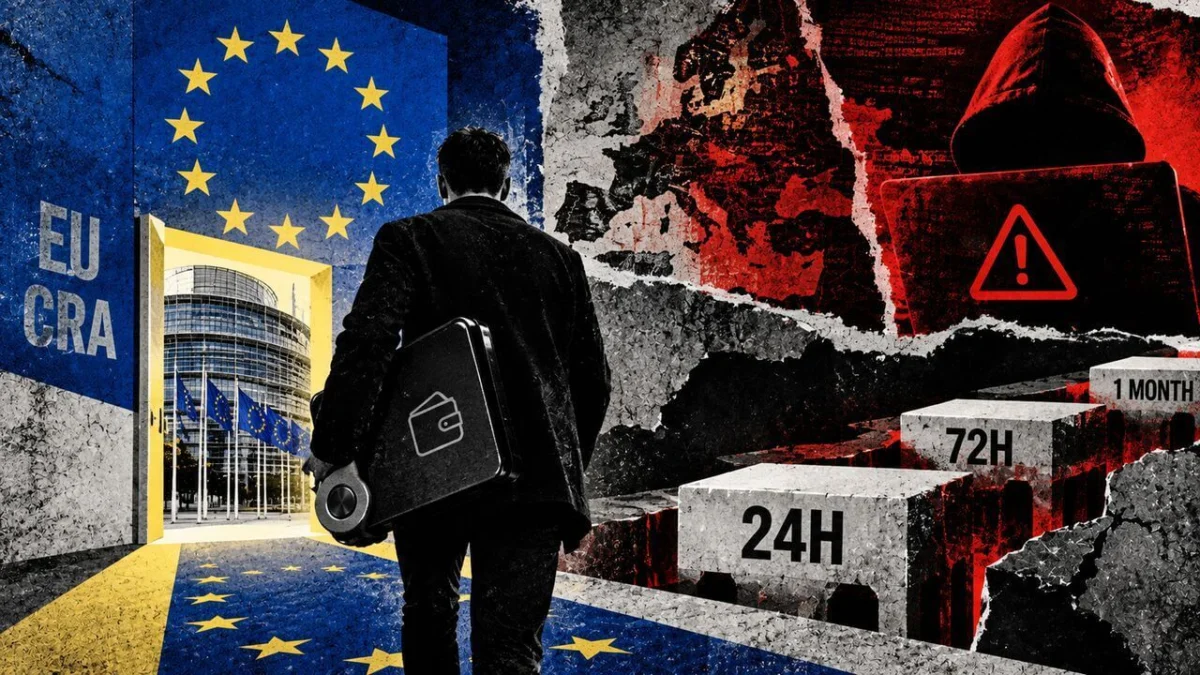
The recommendation to follow the European Union’s phased rollout of the Markets in Crypto-Assets Regulation (MiCA) is particularly pertinent. MiCA, a pioneering and comprehensive regulatory framework for crypto assets across the EU’s 27 member states, offers a robust blueprint for other jurisdictions. It distinguishes between different types of crypto assets, including "asset-referenced tokens" (ARTs) and "e-money tokens" (EMTs), which largely correspond to stablecoins.
MiCA’s phased implementation schedule is designed to give market participants and national competent authorities sufficient time to adapt. Key provisions relating to stablecoins (ARTs and EMTs) are set to apply earlier, typically in mid-2024, while the broader rules for other crypto assets and service providers will come into effect later, in late 2024 or early 2025. This staggered approach acknowledges the unique risks and functionalities of stablecoins, prioritizing their regulation due to their potential for widespread adoption in payments and their implications for financial stability. By drawing this parallel, the report suggests that South Korea can leverage MiCA’s design principles to create a regulatory environment that is both effective and conducive to market development, avoiding a sudden shock to the nascent industry.
Implications of the Proposed Regulatory Shift
Adopting the recommendations outlined in the Hashed Open Research and Solana Policy Institute report could have profound implications for South Korea’s digital asset ecosystem and its broader economy.
For Stablecoin Issuers: Greater flexibility in regulatory requirements, coupled with interim licensing guidance, would provide a clearer pathway for legitimate stablecoin projects to operate within South Korea. This certainty could attract both domestic and international issuers, fostering competition and innovation in the stablecoin market. It would also differentiate South Korea as a forward-thinking jurisdiction that understands the nuances of digital asset innovation.
For Traditional Financial Institutions (Banks): Clarifying permissible crypto activities and the potential for majority ownership in stablecoin operations could open new avenues for banks to engage with digital assets. This institutional participation would lend significant credibility to the stablecoin market, potentially leading to increased liquidity, reduced risk perceptions, and the development of new financial products and services. Banks could leverage their existing infrastructure for custody, payments, and compliance, integrating stablecoins into mainstream finance.
For Fintech and Non-Bank Firms: The proposed compromise, allowing fintechs to manage operations while banks retain ownership, offers a pragmatic solution for these agile innovators. It enables them to bring their technological expertise and user-centric design to stablecoin services without bearing the full regulatory burden of a bank. This collaborative model could drive efficiency and innovation in stablecoin-based payment systems and other applications.
For Consumers and Investors: A regulated stablecoin market, with clear rules for issuance, reserves, and disclosures, would significantly enhance consumer protection. Investors would have greater assurance regarding the stability and reliability of stablecoins, mitigating risks associated with opaque operations or insufficient backing. This increased trust is crucial for broader public adoption of digital currencies for payments, remittances, and savings.
For South Korea’s Global Standing: By implementing a thoughtful, phased, and flexible regulatory framework, South Korea could solidify its position as a leader in digital asset innovation and governance. This proactive approach would distinguish it from jurisdictions that either impose outright bans or lag in developing clear guidelines, potentially attracting foreign direct investment and talent to its burgeoning blockchain sector. It would also enhance the nation’s reputation as a secure and reliable hub for digital finance.
Challenges and the Path Forward
Despite the clear benefits, implementing these recommendations will not be without challenges. Overcoming the legislative disagreements that have stalled the Digital Asset Basic Act remains paramount. Political will and a spirit of compromise among different factions will be essential to advance the legislation. Furthermore, balancing the imperative for innovation with the critical need for risk management—particularly concerning financial stability, consumer protection, and anti-money laundering efforts—requires continuous calibration. The Financial Services Commission (FSC) and the Bank of Korea (BOK) will need to coordinate closely to ensure a cohesive and effective regulatory strategy that addresses both prudential and monetary policy considerations.
The timeline for the Digital Asset Basic Act and subsequent stablecoin rules remains fluid. However, the report’s call for interim guidance and phased implementation suggests a pragmatic recognition that the market cannot wait indefinitely for a perfect, comprehensive framework. Taking incremental, well-considered steps now could provide the necessary breathing room for the industry to grow responsibly, while regulators gain valuable experience to inform the final shape of DABA.
In conclusion, the policy report from Hashed Open Research and the Solana Policy Institute marks a pivotal moment in South Korea’s journey towards comprehensive digital asset regulation. By advocating for flexibility, interim measures, and a phased approach inspired by global best practices like MiCA, the report offers a practical roadmap for unlocking the potential of stablecoins while mitigating their inherent risks. The success of these recommendations hinges on sustained collaboration between lawmakers, regulators, and industry stakeholders, all working towards a common vision of a vibrant, secure, and globally competitive digital asset ecosystem in South Korea. The nation stands at a crossroads, with the opportunity to set a new standard for responsible innovation in the global digital economy.