admin
admin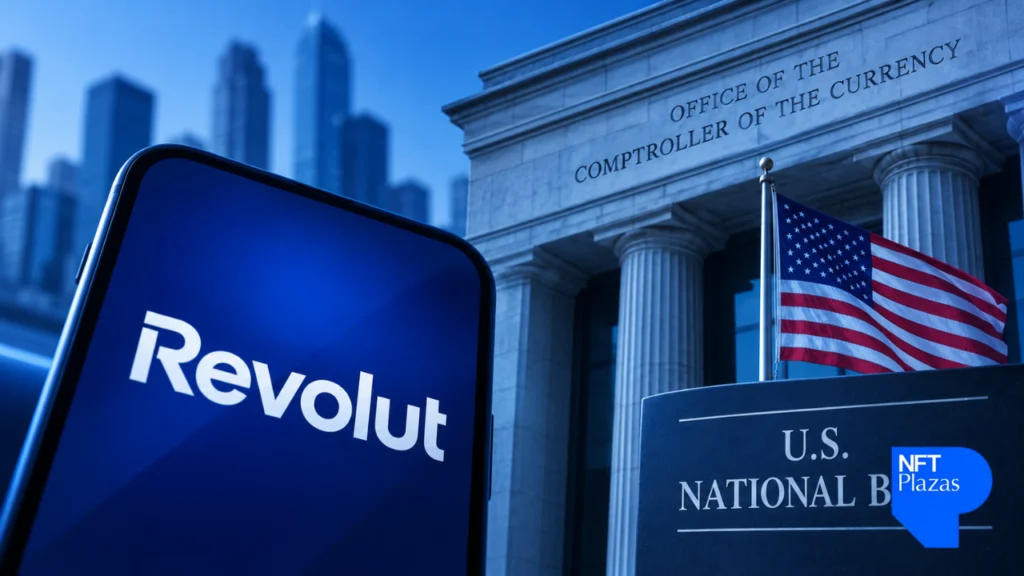
British fintech giant Revolut has achieved a significant milestone, receiving conditional approval from the U.S. Office of the Comptroller of the Currency (OCC) for a national bank charter, a pivotal step that moves the company closer to launching a fully-fledged banking operation in the United States. This announcement, made on Thursday, represents a strategic leap for Revolut, signaling its intent to directly compete within the highly regulated and competitive American financial landscape by the first half of 2027. While the OCC’s nod is a critical endorsement, Revolut still requires further approvals from the Federal Deposit Insurance Corporation (FDIC) and the Federal Reserve before it can commence full banking operations and offer federally insured services to U.S. customers.
The journey to a full banking license in the U.S. is notoriously rigorous, underscoring the importance of this initial conditional approval. Cetin Duransoy, Revolut’s U.S. CEO, conveyed confidence in securing the remaining regulatory clearances as the company meticulously prepares for its anticipated launch. The proposed Revolut Bank US will establish its headquarters in Stamford, Connecticut, with the fintech committing an initial capital injection of approximately $95 million. This substantial investment highlights the seriousness of Revolut’s U.S. expansion strategy and its readiness to meet the capital requirements associated with operating a national bank.
Nik Storonsky, co-founder and CEO of Revolut, emphasized the transformative nature of this approval in an official statement. He remarked, "Conditional OCC approval is an important first step towards establishing the proposed Revolut Bank US." Storonsky further articulated that this foundational approval provides Revolut with a robust platform to expand its presence in the world’s largest financial market, enabling it to deliver its comprehensive suite of financial services directly to American consumers and businesses. The move signifies a strategic pivot for Revolut, transitioning from a digital financial-services platform operating through partnerships to a fully regulated banking institution.
The Strategic Shift: Beyond Fintech Partnerships
Revolut has built its global empire on a foundation of innovative smartphone-based financial services. Originating with core offerings like seamless currency exchange and efficient international money transfers, the company has systematically diversified its portfolio to encompass a broader spectrum of banking and financial products. Its initial foray into the U.S. market, typical of many challenger banks and fintechs, relied heavily on collaborations with existing licensed banks to deliver services to its American clientele. These partnerships, while enabling rapid market entry, inherently limited Revolut’s control over the full customer experience, product development, and, critically, the economics of its operations.
A national bank charter fundamentally alters this paradigm. It empowers Revolut to bring a significant portion of its services under its direct operational control, fostering greater autonomy and efficiency. The proposed U.S. bank is slated to offer a comprehensive array of retail banking products, including checking accounts, installment loans, credit cards, and foreign exchange services – areas where Revolut has already demonstrated considerable expertise and market traction globally. In a forward-looking statement, Duransoy also hinted at Revolut’s plans to launch a stablecoin, a digital asset pegged to a stable reserve asset like the U.S. dollar, although specific details regarding this initiative remain under wraps. This potential venture into digital assets further illustrates Revolut’s ambition to remain at the forefront of financial innovation.
The initial operational phase of Revolut Bank US is expected to commence with a workforce of approximately 160 employees, a figure projected to grow as the bank scales its operations. Leveraging its established infrastructure and operational expertise in Europe and Latin America, Revolut plans to integrate these capabilities to bolster its multicurrency services, a cornerstone of its appeal to international customers and frequent travelers. This integration strategy aims to create a cohesive global banking network, providing U.S. customers with seamless access to international financial functionalities. The direct control afforded by a national charter will not only enhance Revolut’s control over its U.S. product offerings but also substantially reduce its reliance on third-party banking partners, thereby streamlining its operational model and potentially improving profitability. This strategic move positions Revolut in direct competition with entrenched American banks across critical segments, including deposits, lending, payments, and credit services.
U.S. Expansion: A Global Priority
The United States has increasingly emerged as a top-tier priority for Revolut as the company endeavors to expand its footprint beyond its traditional European stronghold. The U.S. market, characterized by its sheer size, depth, and consumer appetite for digital innovation, presents an unparalleled opportunity for growth. Revolut currently boasts an impressive global customer base exceeding 80 million, with an ambitious target of reaching 100 million customers across 100 countries. This rapid ascent has been mirrored by a dramatic increase in its valuation; a secondary share sale in July placed Revolut’s valuation at approximately $115 billion, underscoring investor confidence in its growth trajectory and disruptive potential.
The planned U.S. bank charter is an integral component of a broader, transformative journey for Revolut. The company is actively evolving from a purely digital financial-services platform into a comprehensive, regulated banking group, systematically acquiring banking licenses in several major markets. This strategic shift reflects a maturity in Revolut’s business model and a commitment to providing a more robust and secure banking experience.
A notable precedent for this U.S. expansion was set in March when Revolut secured a full banking license in the United Kingdom. This crucial authorization empowered Revolut to offer lending services directly to customers and to compete more aggressively with established retail banks in its home market. Crucially, it also afforded customers enhanced banking protections, including deposit insurance, bolstering trust and confidence. More recently, just last month, Revolut successfully obtained a full banking license in France. This enables its French bank to operate in conjunction with its Lithuanian subsidiary, establishing two key banking hubs within the European Union and solidifying its regional operational capabilities. This systematic acquisition of banking licenses across key geographies reflects Revolut’s overarching strategy to construct a highly integrated international banking network while steadfastly maintaining its core focus on innovative, digital-first financial services.
Navigating Regulatory Scrutiny and Compliance Imperatives
While the OCC approval signifies a monumental victory for Revolut, it also ushers in an era of heightened regulatory scrutiny. As Revolut expands its global footprint and transitions into a fully regulated banking entity, it has faced, and continues to face, meticulous examination regarding its compliance frameworks. In recent years, the fintech has drawn criticism concerning its efficacy in meeting stringent requirements related to fraud prevention and anti-money laundering (AML) controls. These issues assume particular significance as Revolut penetrates regulated banking sectors, where the demands pertaining to customer funds protection, lending practices, and compliance protocols are considerably more stringent and complex.
The conditional nature of the OCC approval underscores that Revolut must satisfy additional, predefined requirements before the charter can become fully effective. This typically involves demonstrating robust operational readiness, comprehensive risk management systems, and a fully compliant governance structure. Furthermore, the imperative to secure subsequent approvals from the FDIC and Federal Reserve introduces additional layers of regulatory oversight. The FDIC’s approval is critical for obtaining deposit insurance, a fundamental pillar of consumer trust and protection in the U.S. banking system. The Federal Reserve, as the central bank, scrutinizes the overall financial health, management capabilities, and systemic risk implications of new banking entrants.
These remaining regulatory hurdles will be subject to intense scrutiny as Revolut proceeds with establishing its U.S. banking infrastructure, committing the necessary capital, and assembling its local workforce. The journey from conditional approval to full operational readiness is a multi-faceted process demanding significant organizational effort and meticulous attention to detail. However, despite these ongoing challenges, the OCC’s decision undeniably represents a profound shift in Revolut’s American ambitions. It marks a clear departure from merely providing services through partner banks to laying the foundational groundwork for operating its own independent, fully licensed U.S. bank.
Broader Strategic Implications and Future Outlook
Revolut’s banking expansion, particularly into the U.S., aligns seamlessly with the company’s broader strategic trajectory as it prepares for its next phase of exponential growth. Nik Storonsky indicated in April that an initial public offering (IPO) remains at least two years away. This timeline suggests that the fintech remains steadfastly focused on consolidating its global business expansion and completing its international banking rollout before contemplating an entry into public markets. The successful launch of a U.S. bank would undoubtedly enhance Revolut’s attractiveness to potential investors, demonstrating its capability to navigate complex regulatory environments and establish a presence in one of the world’s most lucrative financial markets.
Should Revolut successfully secure the remaining regulatory approvals and launch its U.S. bank as planned in 2027, this operation is poised to become a central pillar of the company’s global strategy. With an existing global customer base exceeding 80 million, Revolut is banking on the inherent strengths of its digital-first model, its proven agility, and its established expertise in cross-border financial services to carve out a significant presence in the fiercely competitive U.S. banking sector. The company’s value proposition, which often includes lower fees, transparent exchange rates, and a seamless user experience, could resonate strongly with a segment of American consumers seeking alternatives to traditional banking models.
The implications extend beyond Revolut itself. This move by a major global fintech to secure a national bank charter in the U.S. could serve as a blueprint and an accelerant for other digital-native financial services providers contemplating a similar trajectory. It underscores a growing trend where leading fintechs are moving beyond their initial disruptor roles to embrace the full responsibilities and opportunities of regulated banking. This evolution promises to intensify competition, spur innovation across the financial services industry, and ultimately offer consumers more choice and potentially better services. The coming years will reveal whether Revolut’s ambitious gamble in the U.S. pays off, transforming it from a fintech sensation into a truly global banking powerhouse.