admin
admin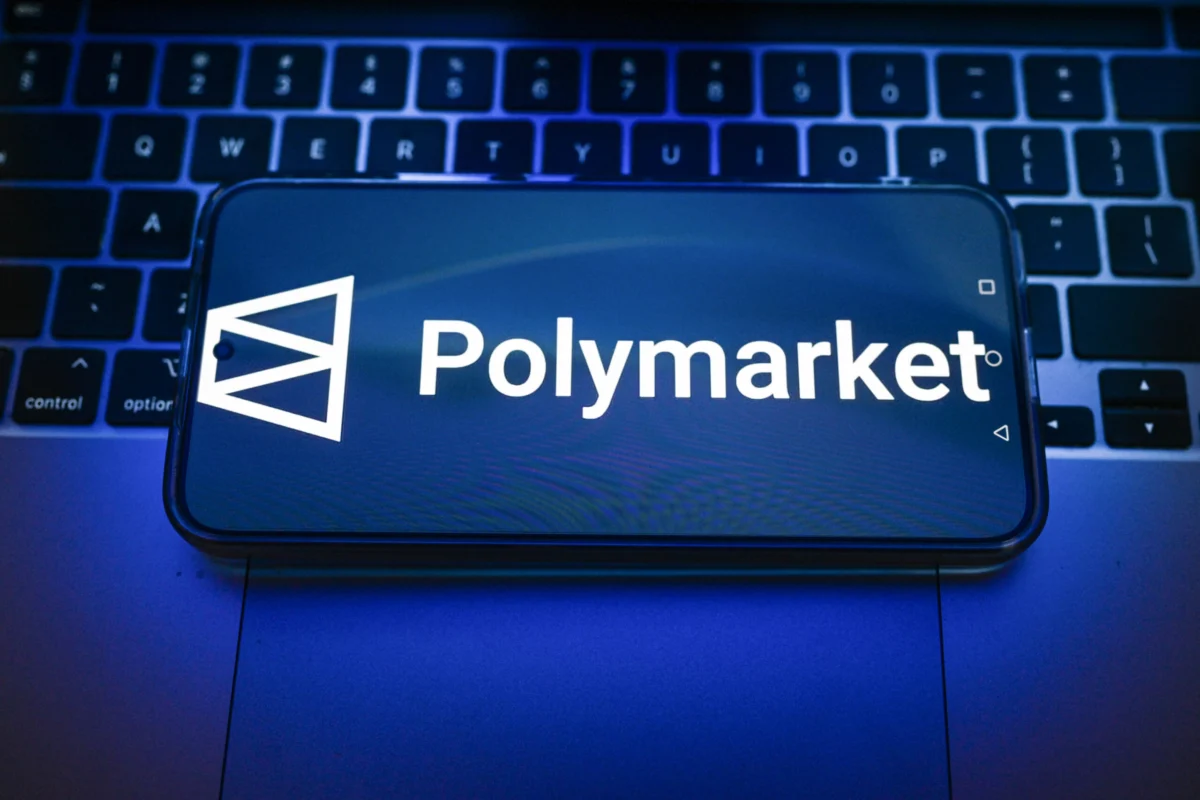
The decentralized prediction market platform Polymarket has come under intense investigation following allegations that the company orchestrated a sophisticated and deceptive marketing campaign designed to lure retail investors through fabricated success stories. A detailed report recently published by The Wall Street Journal has pulled back the curtain on a strategy involving over 1,100 promotional videos, many of which allegedly featured falsified trading interfaces and staged financial gains. These findings have sparked a broader conversation regarding the ethics of cryptocurrency-adjacent marketing and the regulatory oversight of offshore betting platforms that continue to command significant attention from the global public.
The Scope of the Investigation
The investigation into Polymarket’s promotional practices involved a comprehensive analysis of social media content across platforms such as TikTok, Instagram, and X (formerly Twitter). According to the report, Polymarket utilized a network of online creators to produce content that depicted high-stakes betting and lucrative returns. However, the investigation revealed that many of these creators were not using the live, public version of the Polymarket website. Instead, they were reportedly provided with "near-perfect copies" or sandbox environments of the platform.
These simulated environments allowed creators to execute trades and "win" large sums of money that did not reflect actual market activity or real-world financial risk. By showcasing these manufactured victories, the videos created an illusion of ease and profitability, potentially misleading viewers about the true nature of prediction market volatility. The Wall Street Journal’s analysis suggests that this was not a series of isolated incidents but a coordinated effort supported by instructional materials provided directly by the company to its influencers.
The Role of the Social Media Army
Central to the dissemination of this content was a marketing contractor tasked with deploying what has been described as a "social-media army." This contractor was responsible for the amplification of the deceptive videos, ensuring they reached a wide audience through aggressive engagement tactics. The use of such an "army" typically involves bot accounts, engagement pods, and paid boosting to manipulate platform algorithms, making the content appear more popular and organic than it truly is.
Furthermore, the investigation alleges that Polymarket explicitly instructed its partners to omit disclosures regarding their financial relationship with the company. Under the Federal Trade Commission (FTC) guidelines in the United States, and similar consumer protection laws globally, influencers are required to clearly and conspicuously disclose when they are being compensated for a post. The WSJ report indicates that it was only after journalists began inquiring about these practices that creators started adding tags such as "@polymarket partner" to their social media biographies. This retroactive compliance suggests a systemic attempt to bypass transparency requirements in favor of "guerrilla" marketing.
Creator Perspectives and the Fast Food Analogy
Among the creators interviewed was Razeen Khan, a college student who collaborated with Polymarket until March 2024. Khan defended the practice of using simulated wins by drawing a comparison to the advertising standards of other industries. He likened the faked betting videos to commercials for fast food, where the burgers shown on screen are meticulously styled to look more appetizing than the product a customer receives at a drive-thru window. "We’re depicting what actually happens," Khan stated, suggesting that the videos were intended to be aspirational rather than literal documentation of his personal finances.
However, critics argue that the comparison to fast food is flawed. While a burger advertisement might use glue instead of milk or paint on grill marks, the underlying product—a sandwich—remains fundamentally the same. In contrast, faking financial trades involves the misrepresentation of risk and reward in a financial instrument, which carries significantly higher stakes for the consumer. The psychological impact of seeing a peer "win" thousands of dollars can lead to impulsive financial decisions and significant losses for those who attempt to replicate the success on the real platform.
Regulatory Context and Polymarket’s History
This controversy arrives at a time when Polymarket is already navigating a complex regulatory landscape. In January 2022, the Commodity Futures Trading Commission (CFTC) issued a de facto ban on Polymarket’s operations within the United States. The company was ordered to pay a $1.4 million civil penalty for operating an unregistered facility for the trading of event-based options. As part of the settlement, Polymarket agreed to wind down its services for U.S. users and focus on international markets.
Despite these restrictions, Polymarket has seen a massive surge in volume during the 2024 election cycle, as it remains one of the primary venues for betting on political outcomes, including the U.S. presidential race. Because the platform operates on the Polygon blockchain, it is technically accessible via Virtual Private Networks (VPNs), leading to ongoing concerns that U.S. residents are still participating in the markets despite the official ban. The recent revelations regarding deceptive marketing may prompt regulators like the FTC or the SEC to take a closer look at how offshore platforms target domestic audiences through digital backdoors.

Official Response and Planned Audit
In response to the allegations, Polymarket released a statement emphasizing its commitment to integrity. The company asserted that it is "committed to maintaining accurate, fair, and transparent markets." To address the concerns raised by the investigation, Polymarket announced plans to conduct a comprehensive internal audit of its promotional content and its relationships with third-party marketing contractors.
The company has not yet provided a timeline for this audit or specified whether the findings will be made public. Industry analysts suggest that the audit may be an attempt to distance the core executive team from the actions of the marketing contractor, a common strategy for startups facing scrutiny over the actions of external agencies.
Data and Market Impact
The scale of Polymarket’s influence cannot be understated. In the months leading up to the report, the platform reported record-breaking monthly volumes, sometimes exceeding hundreds of millions of dollars in total value locked. Prediction markets are often cited by proponents as "truth oracles" that are more accurate than traditional polling because participants have "skin in the game."
However, if the sentiment and volume on these platforms are being driven by deceptive marketing and "social-media armies," the validity of the data they produce is called into question. If users are joining the platform based on faked success stories, the "wisdom of the crowd" becomes distorted by a crowd that may not fully understand the mechanics of the market they are entering. This raises a fundamental question about whether decentralized prediction markets can serve as reliable indicators of public sentiment if their user bases are built on a foundation of misinformation.
Broader Implications for the Crypto Industry
The Polymarket situation is a microcosm of a larger issue within the cryptocurrency and fintech sectors: the "shilling" of high-risk assets through influencer networks. From the collapse of FTX to the rise of celebrity-backed meme coins, the use of paid promoters to drive retail hype has frequently led to catastrophic financial outcomes for the public.
The WSJ investigation highlights a critical gap in enforcement. While the FTC has the authority to penalize influencers and companies for non-disclosure, the decentralized and often offshore nature of crypto platforms makes service of process and jurisdictional enforcement difficult. This has created a "Wild West" environment where companies feel emboldened to push the boundaries of traditional advertising ethics.
The Future of Prediction Markets
As the 2024 political season reaches its peak, the scrutiny on Polymarket is likely to intensify. Competitors like Kalshi and PredictIt, which operate under different regulatory frameworks and levels of oversight, may find themselves positioned as the "safer" alternatives for those looking to engage in event-based wagering.
For Polymarket, the path forward involves more than just a marketing audit; it requires a restoration of trust. The revelation that the company provided tools to "fake" wins strikes at the heart of the transparency that blockchain technology is supposed to provide. If a platform built on a transparent ledger uses opaque and deceptive methods to acquire its users, it creates a paradox that may be difficult for the brand to overcome in the long term.
The outcome of this controversy will likely serve as a landmark case for how digital assets and prediction platforms are marketed in the future. As regulators continue to catch up with the pace of technological innovation, the era of undisclosed influencer partnerships and simulated trading videos may be coming to a close, replaced by a more stringent era of accountability and consumer protection.