admin
admin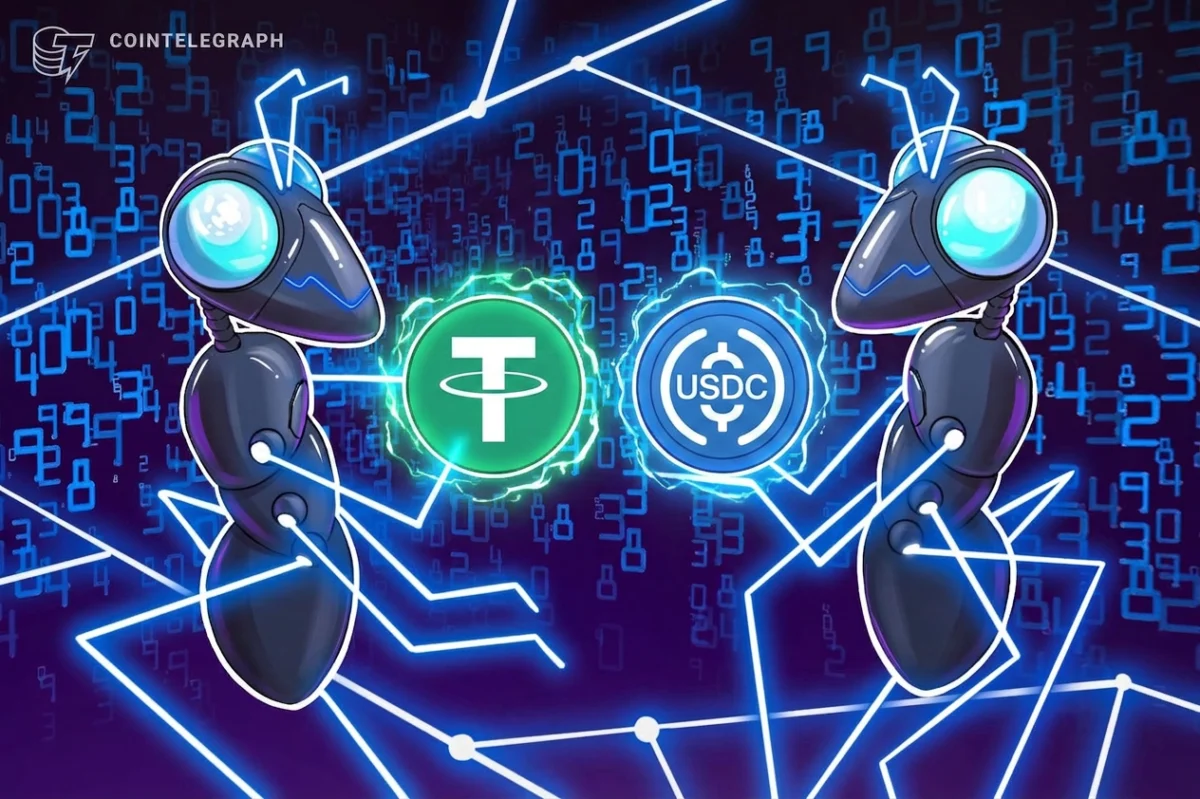
OKX Europe has introduced a new one-way conversion feature, enabling its customers to deposit Tether’s USDt (USDT) and seamlessly convert it into USD Coin (USDC). This strategic move provides a regulated migration path for users as the European Union’s Markets in Crypto-Assets (MiCA) framework progressively limits support for stablecoins that have not secured the necessary authorization, including the world’s largest stablecoin, USDT. The announcement, shared with Cointelegraph, underscores a critical shift within the European cryptocurrency market, where compliance with the newly implemented MiCA rules is becoming paramount for digital asset service providers.
The Imperative of MiCA Compliance in Europe
The European Union’s comprehensive Markets in Crypto-Assets (MiCA) regulation represents a landmark legislative effort to establish a harmonized legal framework for crypto-assets across all 27 member states and the wider European Economic Area (EEA). MiCA aims to provide legal certainty, support innovation, ensure consumer protection, and safeguard financial stability within the burgeoning crypto sector. Its phased implementation began with rules specifically targeting stablecoins, officially coming into effect on July 1, 2024. These provisions mandate that issuers of stablecoins, classified under MiCA as Asset-Referenced Tokens (ARTs) or E-money Tokens (EMTs), must obtain authorization from competent national authorities within the EU and adhere to stringent operational, governance, and reserve requirements.
Crucially, MiCA’s stablecoin rules require issuers to maintain robust and liquid reserves, held in segregated accounts and often with regulated credit institutions, to ensure the stability and redeemability of their tokens. This regulatory scrutiny is designed to mitigate risks associated with stablecoin collapses, such as those witnessed in other parts of the world, and to integrate these digital assets more safely into the financial system. For crypto exchanges and service providers operating within the EU/EEA, facilitating transactions in non-compliant stablecoins post-July 1, 2024, carries significant regulatory risks and potential penalties.
Tether’s Stance and the MiCA Dilemma
Tether, the issuer of USDT, has notably chosen not to seek authorization under the MiCA framework. This decision stems from the company’s strong criticisms of certain aspects of the regulation, particularly its reserve requirements. Paolo Ardoino, CEO of Tether, has been an outspoken critic, arguing that MiCA’s stipulations, which require a portion of stablecoin reserves to be held with European credit institutions, introduce unnecessary counterparty risks for stablecoin issuers.
In a May 2025 interview with Cointelegraph, Ardoino expressed his view that the framework is "very dangerous when it comes to stablecoins." He maintained that Tether would not pursue MiCA authorization despite the high likelihood that USDT would face significant restrictions or lose support on European exchanges. This position was reiterated in a July 2025 post on X (formerly Twitter), where Ardoino stated that Tether would only reconsider seeking MiCA authorization "when MiCA becomes safer for consumers and stablecoin issuers." Tether’s core argument revolves around the perceived risk of concentrating reserves within a single regulatory jurisdiction or with specific financial institutions, which they believe could undermine the decentralized and resilient nature of stablecoins.
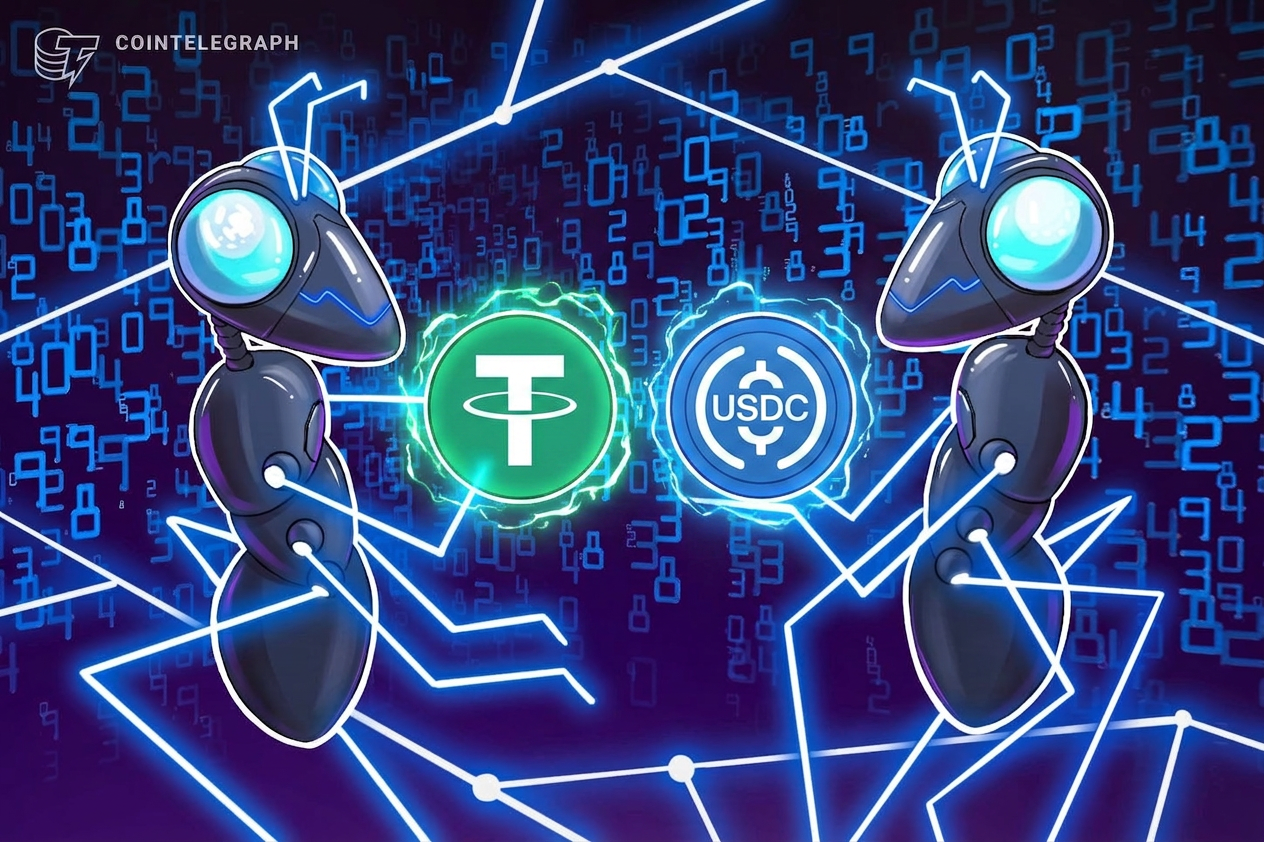
As a result of Tether’s decision, many European platforms have been compelled to adapt their services. This includes restricting deposits of USDT, delisting trading pairs involving USDT, or, as in OKX Europe’s case, implementing mechanisms to convert customer balances into compliant alternatives like USDC. This proactive approach by exchanges is essential to maintain their operational licenses and adhere to the new regulatory landscape that officially completed its rollout on July 1.
OKX Europe’s Proactive Migration Solution
OKX Europe’s new one-way conversion feature directly addresses the challenges faced by European users and platforms navigating the post-MiCA environment. The feature allows customers to deposit USDT into their OKX Europe account and then convert these tokens into USDC, a stablecoin issued by Circle, which is widely considered to be compliant with the MiCA framework or actively pursuing its authorization. This provides a crucial "off-ramp" for USDT holders in the region.
According to OKX Europe, the feature is specifically designed for customers whose existing platforms may no longer accept USDT or those who anticipate automatic migration of their balances. A key aspect of OKX Europe’s offering is the emphasis on customer discretion. The exchange stated that conversions can be completed at the customer’s choosing, rather than being subjected to a platform-imposed deadline. This approach offers flexibility and control to users, contrasting with other platforms that might enforce automatic conversions or delistings with strict timelines.
Operating under its MiCA license, OKX Europe serves customers across 30 EU and European Economic Area countries. This broad reach makes its conversion service particularly impactful for a significant portion of the European crypto market. By facilitating a compliant transition, OKX Europe aims to retain its user base and ensure a smooth operational environment within the new regulatory paradigm.
Market Dynamics: USDT Dominance vs. Regional Compliance
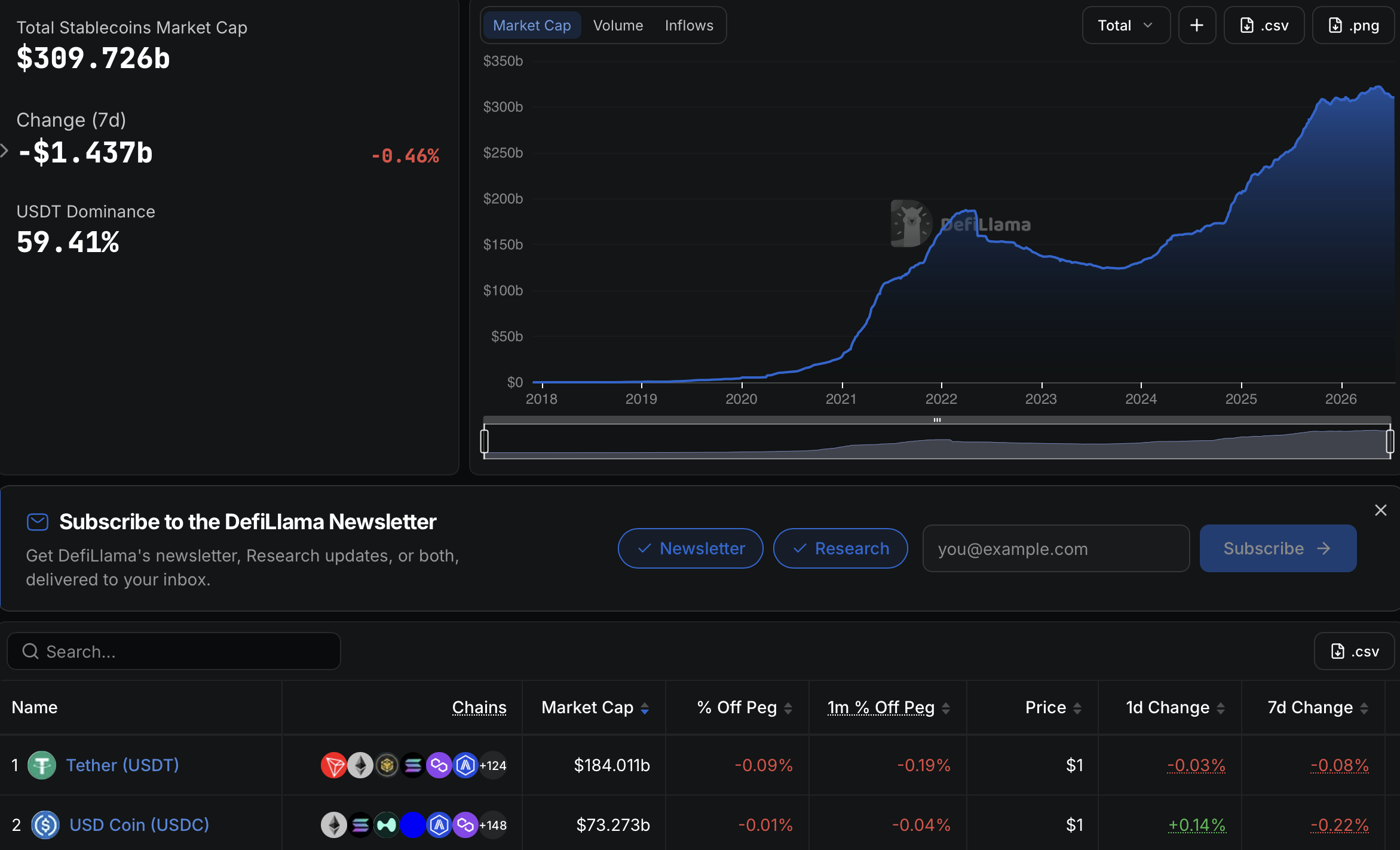
Despite the regulatory headwinds faced in Europe, USDT remains the dominant stablecoin globally. According to data from DefiLlama, Tether accounts for approximately 59% of the nearly $310 billion stablecoin market, boasting a market capitalization of roughly $184 billion. In contrast, Circle’s USDC, while the second-largest stablecoin, has a market capitalization of about $73 billion, representing a significantly smaller, though substantial, share.
This global dominance of USDT creates a unique challenge for European regulators and crypto platforms. While USDT enjoys widespread liquidity and adoption internationally, its non-compliance with MiCA forces a bifurcation in the stablecoin market. European users and businesses will increasingly need to gravitate towards MiCA-compliant stablecoins, potentially leading to a gradual shift in market share within the EU/EEA region. This could see USDC, and other authorized stablecoins, gain significant traction in Europe, even if USDT maintains its global lead. The current situation highlights the tension between global crypto market realities and localized regulatory imperatives.
Broader Industry Reactions and the Path Forward
OKX Europe is not alone in adapting to MiCA. Other major platforms have also announced changes to their stablecoin offerings. For instance, the digital banking platform Revolut recently informed its customers in the European Economic Area and Switzerland that it would cease supporting USDT. Revolut set a deadline of August 31 for users to sell or withdraw their USDT holdings, after which any remaining balances would be automatically converted into their respective base currencies. This illustrates a more forceful approach to compliance compared to OKX Europe’s discretionary conversion option.
The cumulative effect of these platform-level decisions is a significant push for European crypto users to transition away from USDT. This trend is likely to accelerate as the regulatory framework matures and enforcement becomes more stringent. The focus will shift towards stablecoins that can demonstrate full compliance with MiCA’s requirements, including robust audit trails, transparent reserve management, and proper authorization.
The emergence of MiCA also sets a precedent for crypto regulation globally. As the first comprehensive regulatory framework of its kind, it serves as a blueprint or at least a point of reference for other jurisdictions considering their own crypto laws. The challenges and successes of MiCA’s implementation, particularly regarding stablecoins, will undoubtedly inform future regulatory discussions worldwide.
Implications for European Crypto Users and the Market
For individual crypto users in Europe, the evolving regulatory landscape necessitates proactive engagement. Those holding USDT on European platforms must now consider their options: either convert their holdings to a MiCA-compliant stablecoin like USDC, withdraw them to self-custody wallets (though trading or using them on regulated European platforms would still be challenging), or transfer them to non-European exchanges. OKX Europe’s feature offers a relatively straightforward and controlled method for conversion, minimizing potential disruption.
The long-term implications for the European crypto market are significant. While the initial phase might involve some user friction and market adjustments, the goal of MiCA is to foster a more secure, transparent, and stable environment for digital assets. This regulatory clarity is expected to attract more institutional investors and mainstream adoption, as the risks associated with an unregulated market are mitigated. It could also spur innovation in compliant stablecoin solutions and potentially lead to the development of new, EU-native stablecoins designed from the ground up to meet MiCA’s stringent standards.
The current situation with USDT and MiCA serves as a powerful reminder of the increasing influence of national and supranational regulations on the global, often borderless, crypto ecosystem. While the crypto world strives for decentralization and permissionless innovation, the realities of traditional financial systems and regulatory oversight continue to shape how digital assets are accessed, traded, and utilized within specific jurisdictions. OKX Europe’s initiative is a clear indicator of how leading platforms are navigating this complex intersection, prioritizing compliance to ensure continued service and growth in a regulated future.