admin
admin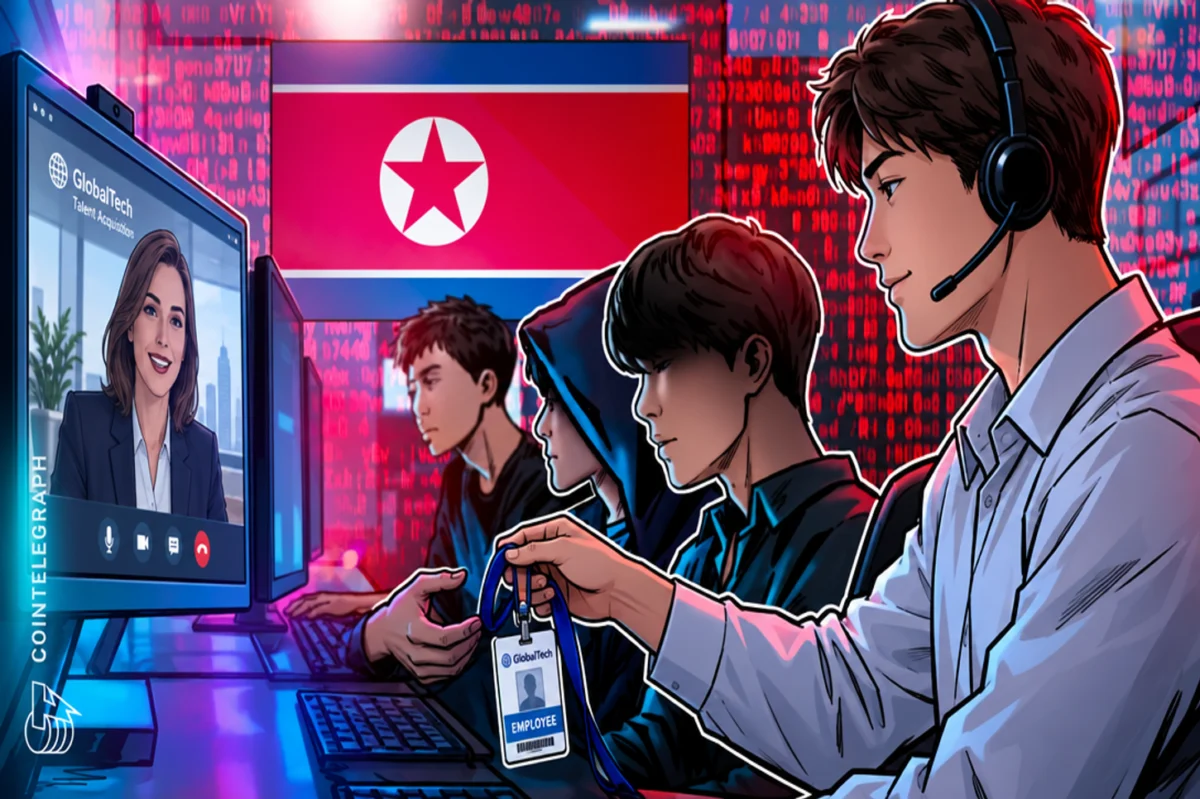
Pyongyang has escalated its cyber infiltration tactics by increasingly leveraging remote IT workers from third-party nations, including Iran and Lebanon, as a sophisticated front to gain access to US companies. This elaborate scheme involves using these foreign nationals to successfully navigate job interviews, after which North Korean operatives clandestinely assume control of the positions. The primary objective behind these covert operations is to illicitly acquire funds and sensitive information, crucial for advancing the DPRK’s prohibited weapons programs amidst stringent international sanctions.
This alarming development was brought to light by a detailed report from NBC on Friday, September 12, 2026, which underscored the evolving and adaptive nature of North Korea’s state-sponsored cyber efforts. The revelations follow a critical alert issued in July 2026 by a coalition of US government agencies and international partners. This advisory explicitly warned that North Korean IT workers actively "seek out contracts with the intent of remitting their salaries to their parent North Korean agencies." Beyond financial illicit gains, these operatives "pose an insider threat to companies and are involved in data exfiltration, cryptocurrency theft, and theft of sensitive information," highlighting the multifaceted danger they present to corporate and national security alike.
The Anatomy of a Proxy Infiltration Scheme
The new tactic marks a significant shift in North Korea’s operational methodology, moving beyond direct infiltration attempts that have become increasingly scrutinized. As global governments, particularly the United States, have intensified their efforts to identify and neutralize overt North Korean cyber activities, Pyongyang has adapted by adopting a more layered and deceptive approach. The scheme capitalizes on the global proliferation of remote work opportunities and the challenges associated with comprehensive vetting of international contractors.
According to the NBC report, the recruitment process for these third-country "interview associates" often begins on professional networking platforms such as LinkedIn. Prospective candidates are typically offered seemingly legitimate part-time roles, sometimes with attractive remuneration packages, such as $500 monthly paid in cryptocurrency. Their primary task is to act as proxies, using their genuine identities and skills to pass rigorous technical and behavioral interviews for positions within US-based companies. Once a work contract is secured, the crucial handoff occurs: North Korean operatives, possessing the necessary technical expertise but lacking the legitimate credentials, then take over the remote position. This allows them to operate under the guise of the third-country national, effectively bypassing initial security checks and gaining unfettered access to company networks and data.
These "interview associates" may be unaware of the full scope of the illicit activities they are facilitating, or they may be complicit, lured by the promise of quick financial gains in regions where economic opportunities can be scarce. The choice of countries like Iran and Lebanon as recruiting grounds is strategic, potentially leveraging existing geopolitical complexities and varying levels of cybersecurity oversight in those regions. This adds another layer of complexity for intelligence agencies attempting to track and dismantle these networks.
Historical Context: North Korea’s Evolving Cyber Warfare Capabilities
North Korea’s reliance on illicit cyber activities is not a new phenomenon; it is a cornerstone of its economic survival and military development strategy, especially in the face of decades of crippling international sanctions. Dating back to the early 2000s, the DPRK began cultivating a formidable cyber warfare capability, initially focusing on South Korean targets before expanding its reach globally. Groups like the Lazarus Group (also known as APT38, Guardians of Peace, or Hidden Cobra) have become synonymous with sophisticated state-sponsored cybercrime.
Notable incidents illustrating Pyongyang’s cyber prowess include the 2014 hack of Sony Pictures Entertainment, a retaliatory attack over the film "The Interview"; the global WannaCry ransomware attack in 2017, which crippled critical infrastructure worldwide; and a series of brazen heists targeting financial institutions and cryptocurrency exchanges. These operations have consistently demonstrated North Korea’s willingness to employ aggressive tactics, from data destruction and espionage to outright theft, all aimed at generating hard currency and acquiring advanced technological intelligence.
The focus on cryptocurrency theft, in particular, has intensified in recent years. Digital assets offer a relatively anonymous and borderless means of transferring vast sums of money, making them ideal for sanctions evasion. The scale of these operations is staggering. Cointelegraph reported in May 2026, citing analysis from cybersecurity firm CrowdStrike, that North Korean state-affiliated hackers were responsible for over $2 billion in cryptocurrency losses in 2025 alone. This figure represents a staggering 51% year-on-year increase, underscoring both the DPRK’s growing capabilities and its increasing reliance on this revenue stream. The successful pilfering of such vast sums directly contributes to Pyongyang’s ability to circumvent financial restrictions and procure materials and expertise for its ballistic missile and nuclear weapons programs.
Official Responses and Warnings from the International Community
The US government, alongside its allies, has been at the forefront of identifying and combating North Korea’s cyber threats. The July 2026 alert, which precipitated the recent NBC report, was a collaborative effort involving multiple agencies, likely including the Federal Bureau of Investigation (FBI), the Cybersecurity and Infrastructure Security Agency (CISA), and the Department of the Treasury. These advisories typically provide detailed technical indicators of compromise (IOCs), tactics, techniques, and procedures (TTPs) used by North Korean actors, enabling organizations to strengthen their defenses.
US officials have consistently issued warnings regarding the dual threat posed by North Korean IT workers: not only are they a conduit for illicit funds back to the regime, but they also represent a significant insider threat, capable of stealing intellectual property, sensitive data, and trade secrets. In a broader context, the Treasury Department has frequently sanctioned individuals and entities linked to North Korea’s cyber operations, aiming to disrupt their financial networks and limit their access to the global financial system. However, the persistent evolution of these tactics, now incorporating third-country proxies, demonstrates the challenges inherent in fully neutralizing the threat.
The international community, including organizations like the United Nations, has also repeatedly condemned North Korea’s illicit activities, which violate multiple UN Security Council resolutions. Despite these condemnations and the imposition of increasingly severe sanctions, Pyongyang’s determination to advance its WMD programs remains unwavering, driving its continuous search for innovative funding mechanisms.
Economic Resilience Amidst Sanctions: A Paradoxical Outcome
The success of North Korea’s illicit cyber endeavors appears to be having a tangible impact on its economy. The Bank of Korea, in its assessment for 2025, estimated that North Korea’s Gross Domestic Product (GDP) increased by 3.5% that year. This growth is particularly remarkable given the comprehensive and escalating global sanctions regime designed to isolate the country economically and compel it to abandon its WMD programs.
This paradoxical economic resilience strongly suggests that the revenue generated through cyber theft, coupled with other illicit activities such as arms trafficking and counterfeiting, is effectively offsetting the impact of sanctions. The stolen cryptocurrency, for instance, can be laundered through various sophisticated methods, eventually converted into fiat currency, and then used to import essential goods, procure dual-use technologies, and fund the regime’s strategic priorities. The fact that the DPRK’s economy is growing despite international pressure underscores the urgency for nations to enhance their counter-cybercrime strategies and improve global cooperation in tracking and freezing illicit digital assets.
Broader Implications and Corporate Vulnerabilities
The implications of North Korea’s new proxy scheme extend far beyond immediate financial losses. For US companies, particularly those in critical sectors like technology, defense, and financial services, the risk of infiltration has never been higher. The reliance on remote work, a trend significantly accelerated by the global pandemic, has inadvertently created new vectors for attack. Companies often struggle with conducting thorough background checks on international remote workers, especially when dealing with individuals in countries with less robust data verification systems.
The insider threat, once primarily associated with disgruntled employees, now takes on a new dimension with state-sponsored operatives masquerading as legitimate contractors. Such access can lead to:
- Intellectual Property Theft: Stealing proprietary software, research and development data, and strategic business plans.
- Supply Chain Attacks: Injecting malicious code into software or hardware components that could then be distributed to other customers.
- Espionage: Gaining insights into sensitive projects, government contracts, or critical infrastructure vulnerabilities.
- Further Cyber Attacks: Using the compromised network as a launchpad for additional attacks against partners, clients, or government agencies.
To mitigate these risks, corporations must adopt more stringent vetting processes for all remote hires, regardless of their declared nationality. This includes enhanced digital identity verification, continuous monitoring of network activity for anomalous behavior, and implementing robust "zero-trust" security architectures where no user or device is inherently trusted, even inside the corporate network. Furthermore, employee training on social engineering tactics and recognizing suspicious activities remains paramount. The case of Consensys, which unknowingly outsourced developer work to a North Korean national, serves as a stark reminder of how easily legitimate companies can become unwitting conduits for illicit activities.
Conclusion: An Enduring and Evolving Threat
North Korea’s adoption of third-country proxy IT workers represents a significant escalation in its cyber warfare strategy, demonstrating the regime’s adaptability and determination to circumvent international sanctions. This sophisticated approach not only provides a fresh avenue for funding its illicit weapons programs but also poses a profound threat to global corporate security and national interests. The growing economic resilience of the DPRK, evidenced by its GDP growth despite sanctions, directly correlates with the success of these cyber operations, underscoring the urgent need for a concerted international response.
As the lines between cybercrime and state-sponsored espionage continue to blur, governments and private sector entities must collaborate more closely to share intelligence, develop advanced threat detection capabilities, and strengthen global cybersecurity frameworks. The persistent and evolving nature of North Korea’s cyber threat demands continuous vigilance, innovative countermeasures, and a unified front to safeguard the international financial system and critical infrastructure from hostile state actors. The cat-and-mouse game between Pyongyang’s cyber operatives and global security forces is set to intensify, with profound implications for digital security and geopolitical stability in the years to come.