admin
admin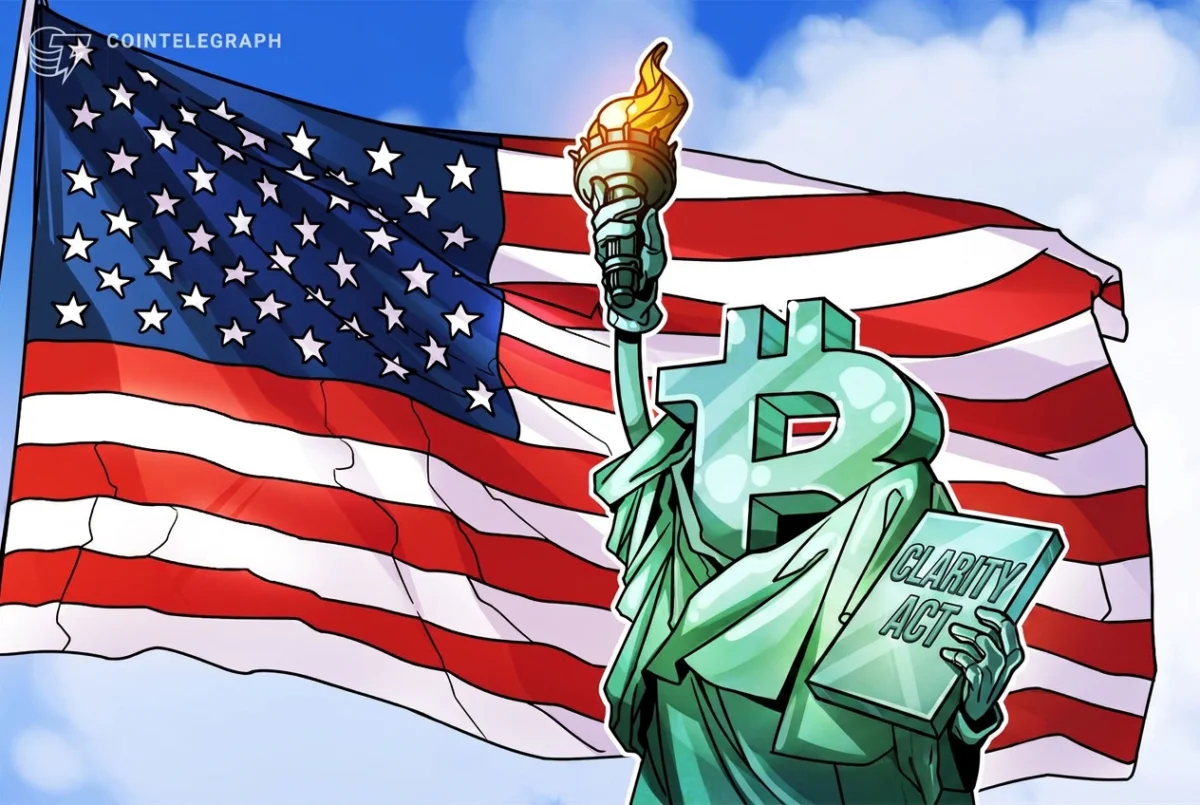
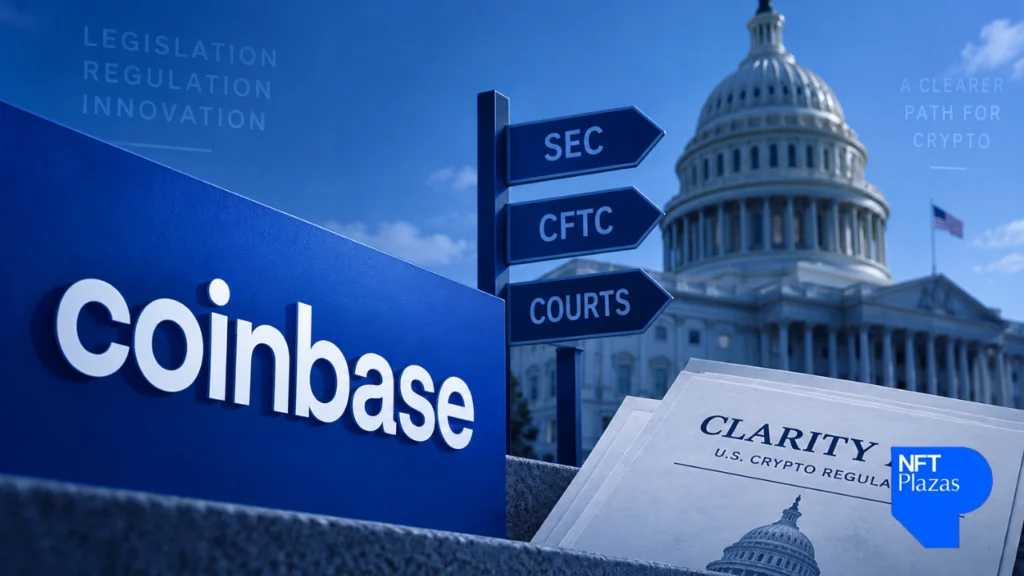
New York Attorney General Letitia James has issued a stern warning to Congress, asserting that a proposed federal crypto market structure bill, specifically the Digital Asset Market Clarity Act, risks severely curtailing the investigative and enforcement powers of state regulators. Her testimony, submitted Monday to the Senate Permanent Subcommittee on Investigations, underscored the critical need for robust consumer protections within the burgeoning digital asset space, advocating for a framework that strengthens, rather than diminishes, the ability of states to combat fraud and hold platforms accountable.
The Looming Threat to State Authority
At the core of Attorney General James’s concern is the potential for the Digital Asset Market Clarity Act to preempt existing state-level regulations governing digital asset markets. By shifting primary oversight to the Commodity Futures Trading Commission (CFTC), James argues the bill would undermine the crucial role state and local enforcement agencies play in safeguarding consumers. This federal preemption, she contends, could create a regulatory vacuum or, at minimum, significantly impede the agility and responsiveness of state attorneys general who are often on the front lines of addressing consumer complaints and scams. The proposed legislation, which has garnered support from certain crypto advocacy groups and industry players seeking a more unified regulatory landscape, aims to clarify the jurisdictional lines between the CFTC and the Securities and Exchange Commission (SEC) and establish a comprehensive federal framework for digital assets. However, James’s intervention highlights a significant pushback against what she perceives as an overreach that could disempower states.
A Surge in Crypto Scams: New York’s Experience
The urgency of James’s appeal is underpinned by compelling data from her office. Over the past three years, complaints related to cryptocurrency scams received by the New York Attorney General’s office have tripled, indicating a rapidly escalating threat to residents. The financial toll of these illicit activities is equally alarming, with reported losses totaling nearly $500 million over the last five years in New York alone. These figures are not isolated incidents but reflect a broader national and global trend of increasing financial exploitation within the digital asset ecosystem. The Federal Trade Commission (FTC) reported in 2023 that consumers lost over $1.1 billion to crypto-related scams in 2022, marking a substantial increase from previous years and highlighting the pervasive nature of these sophisticated frauds. The anonymity and speed often associated with cryptocurrency transactions make them attractive vectors for scammers, leaving victims with limited recourse, especially when platforms lack adequate safeguards.
The Broader Context of US Crypto Regulation
The debate over the Digital Asset Market Clarity Act is set against a complex backdrop of evolving US crypto regulation, characterized by a fragmented approach and ongoing jurisdictional disputes. For years, the absence of a clear, comprehensive federal framework has led to a "patchwork" of regulations, with various federal agencies (SEC, CFTC, FinCEN, IRS) asserting jurisdiction over different aspects of digital assets, often based on their classification as securities, commodities, or currencies.
- Early Days (2010s): Initial regulatory efforts largely focused on anti-money laundering (AML) and combating the financing of terrorism (CFT), with FinCEN issuing guidance on virtual currency businesses. States like New York began developing their own licensing regimes, such as the BitLicense, for virtual currency firms operating within their borders.
- The ICO Boom (2017-2018): The surge in Initial Coin Offerings (ICOs) led the SEC to take a more aggressive stance, classifying many tokens as unregistered securities, leading to numerous enforcement actions.
- Congressional Interest (2020s): As the crypto market matured and gained mainstream attention, Congress intensified efforts to draft dedicated legislation. Bills like the Lummis-Gillibrand Responsible Financial Innovation Act (2022) and various House proposals, including the Digital Asset Market Structure Bill (2023), emerged, aiming to provide clarity on asset classification, regulatory oversight, and consumer protection.
- Executive Branch Engagement: President Biden’s Executive Order on Ensuring Responsible Development of Digital Assets (2022) further signaled a whole-of-government approach to addressing the risks and opportunities presented by digital assets, emphasizing consumer protection, financial stability, and national security.
The Digital Asset Market Clarity Act is one of several legislative proposals attempting to bring greater coherence to this landscape. Proponents argue that federal preemption is essential to foster innovation, prevent regulatory arbitrage, and provide legal certainty for businesses operating across state lines. They contend that a fragmented state-by-state approach could stifle growth and make compliance unduly burdensome for legitimate enterprises. However, Attorney General James’s testimony represents a strong counter-argument, emphasizing the invaluable role of state-level oversight in addressing localized issues and providing immediate recourse for consumers.
Attorney General James’s Comprehensive Proposals for Enhanced Protections
To counter the perceived shortcomings of the proposed federal bill and strengthen the overall regulatory framework, Attorney General James outlined a series of specific and far-reaching recommendations to Congress:
- Mandatory Compliance with AML, KYC, and Cybersecurity: James called for crypto platforms to adhere strictly to established anti-money laundering (AML) and know-your-customer (KYC) requirements. These measures are foundational to preventing illicit financial activities, including money laundering and terrorist financing, by ensuring that platforms verify the identities of their users. Additionally, she stressed the importance of robust cybersecurity protocols to protect customer assets and data from breaches and theft, which have been recurring issues in the crypto space.
- Market Surveillance for Suspicious Activity: The Attorney General urged Congress to mandate that platforms conduct continuous surveillance for suspicious activity and market manipulation. This includes identifying pump-and-dump schemes, insider trading, and other fraudulent practices that can destabilize markets and harm retail investors. Effective surveillance, coupled with enforcement, is critical for maintaining market integrity and investor confidence.
- Financial Liability for Platforms: A key proposal from James is to hold platforms and intermediaries financially liable when they fail to adequately protect customers from fraud. This measure aims to incentivize platforms to implement stronger security measures and proactive risk management protocols, shifting some of the burden of loss from individual consumers to the entities that profit from facilitating transactions. This concept mirrors existing liabilities in traditional finance where institutions can be held responsible for security failures or negligence.
- Prohibition of Mixer-Linked or Untraceable Crypto Conversion: James advocated for prohibiting the conversion of cryptocurrency linked to mixers or otherwise deemed untraceable into US dollars. Crypto mixers are services that pool and scramble various cryptocurrencies to obscure their origin and destination, often used by bad actors to launder illicit funds. This prohibition would significantly hinder the ability of criminals to cash out ill-gotten gains, thereby disrupting a critical step in the money laundering process.
- Preservation of Existing State Laws: Crucially, James urged Congress to preserve existing state money transmission, commodities, and securities laws. This recommendation directly addresses her concern about federal preemption, emphasizing that state laws often provide tailored protections and enforcement mechanisms that are responsive to local market conditions and consumer needs. Overriding these laws without providing equally robust or superior federal alternatives could, in her view, create dangerous gaps in consumer protection.
- Ethical Guidelines for Officials: Finally, Attorney General James proposed barring elected officials and recent government officials from regulating crypto when they may have financial interests in the industry. This recommendation aims to prevent conflicts of interest and ensure that regulatory decisions are made impartially and in the public interest, rather than being influenced by personal financial gain. Such ethics rules are common in other regulated sectors and are essential for maintaining public trust in governmental oversight.
Inferred Reactions and Broader Implications
Attorney General James’s testimony is a significant intervention in the ongoing debate, drawing clear lines between the perceived benefits of federal streamlining and the imperative of robust consumer protection.
- Crypto Industry and Proponents of Clarity Act: These stakeholders would likely express concerns about the potential for a fragmented regulatory environment if state powers are fully preserved. Their primary argument centers on the need for a unified federal framework to reduce compliance costs, foster innovation, and attract investment by providing regulatory certainty. They might view state AG actions as potentially inconsistent, leading to a "race to the bottom" or overly burdensome rules that stifle growth. They could argue that the CFTC, with its expertise in commodity markets, is better equipped to oversee much of the digital asset space than a multitude of state agencies.
- Federal Regulators (SEC/CFTC): While both agencies seek clearer jurisdiction, they operate with different mandates. The CFTC would generally welcome expanded authority over digital commodities, as outlined in the Clarity Act. The SEC, however, has historically asserted that many digital assets are securities and fall under its purview, often leading to clashes with industry and other regulators. Both agencies would likely emphasize the need for adequate resources to effectively police an increasingly complex and global market, regardless of the ultimate jurisdictional split.
- Consumer Advocacy Groups: These groups would largely echo James’s sentiments, emphasizing that consumer protection should be paramount. They might point to the localized nature of many scams and the efficiency with which state attorneys general can respond to complaints, advocating for a dual regulatory approach where both federal and state authorities play complementary roles.
- Implications for Consumer Protection: The central tension lies in whether federal preemption will genuinely enhance or diminish consumer protection. James argues that state AGs are closer to the ground, can act quickly, and are often the first point of contact for victims. A federal framework, while offering uniformity, could potentially create bureaucratic hurdles or dilute specific protections tailored to state-level issues.
- Impact on Innovation vs. Regulation: The debate also touches upon the delicate balance between fostering technological innovation and implementing necessary safeguards. While some argue that strict regulation stifles innovation, others contend that a robust regulatory environment builds trust and stability, which are ultimately beneficial for long-term growth and adoption. James’s proposals aim for a middle ground, advocating for clear rules that protect consumers without necessarily halting legitimate innovation.
- Regulatory Turf Wars: The testimony further highlights the ongoing jurisdictional complexities in the US regulatory landscape. The push and pull between federal and state authorities, as well as among federal agencies, underscore the significant challenges in creating a cohesive and effective regulatory framework for digital assets that respects existing legal structures while adapting to new technologies.
Conclusion
Attorney General Letitia James’s forceful call for stronger federal oversight of cryptocurrency companies, coupled with her dire warnings against the erosion of state regulatory powers, injects a critical perspective into the ongoing legislative efforts to shape the future of digital asset regulation in the United States. Her testimony, grounded in the tangible experiences of New York consumers facing a surge in crypto scams, underscores the high stakes involved. The outcome of the debate surrounding bills like the Digital Asset Market Clarity Act will not only determine the jurisdictional lines between federal and state authorities but will also profoundly impact the level of protection afforded to millions of investors and the long-term integrity and stability of the evolving digital asset economy. The challenge for Congress lies in crafting a comprehensive framework that harmonizes the goals of innovation, market efficiency, and robust consumer safeguarding, ensuring that the promise of digital assets is realized responsibly and equitably.