admin
admin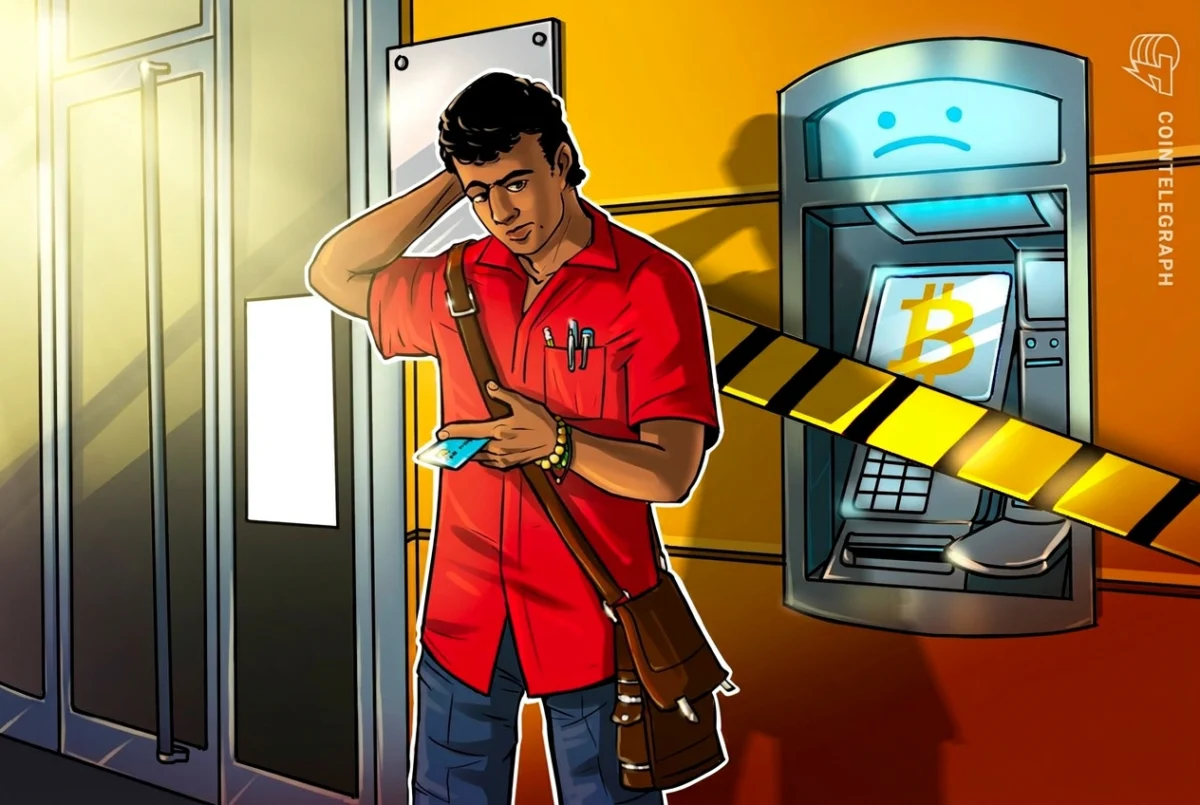
The state of Minnesota has officially enacted a comprehensive ban on virtual currency kiosks, a legislative move designed to combat the escalating financial fraud that has reportedly siphoned millions from its residents, with a particularly devastating impact on senior citizens. The prohibition, which took effect on Saturday, August 1, mandates the deactivation of all existing crypto ATMs across the state, followed by their complete physical removal by the end of the year. This decisive action positions Minnesota at the forefront of states addressing the unique challenges posed by these machines in the context of sophisticated financial scams.
The Legislative Mandate and Immediate Impact
Governor Tim Walz signed Senate File 3868 into law on May 5, 2024, cementing Minnesota’s commitment to consumer protection against a rapidly evolving threat. The legislation explicitly forbids the "installing, operating, maintaining, or making available" of virtual currency kiosks within the state’s borders. For companies that had already established these machines, the law stipulated an immediate requirement for deactivation by August 1. A grace period extending until December 31, 2024, has been provided for the physical removal of these devices from locations "visible or accessible to the public," ensuring a complete eradication from the public sphere. Prior to the ban, data from CoinATMRadar indicated a significant presence, with 201 crypto ATMs and kiosks operational throughout Minnesota, highlighting the scale of the infrastructure now being dismantled.
The swift implementation underscores the urgency felt by state officials regarding the financial exploitation facilitated by these machines. The law’s passage followed a period of intensive deliberation, driven by compelling evidence of significant financial losses and the vulnerability of specific demographic groups. The ban is not merely a restriction but a total prohibition, reflecting a legislative stance that the risks associated with virtual currency kiosks, particularly in the context of scams, outweigh any perceived benefits they might offer to the public.
A Growing Crisis: The Scams and Their Victims
The primary catalyst for Minnesota’s stringent new law is the alarming rate of financial losses reported by its citizens due to scams linked to crypto ATMs. State officials revealed that Minnesota residents, particularly senior citizens, lost approximately $1 million from such scams between 2023 and 2025. This figure, while substantial, represents only a fraction of the broader cryptocurrency-related fraud impacting the state. The FBI’s Internet Crime Complaint Center (IC3) reported an even more staggering statistic, indicating that Minnesota residents incurred over $151 million in losses tied to cryptocurrency or crypto wallets in 2025 alone. This broader figure encompasses various types of crypto fraud, but the specific mention of crypto ATM-tied scams underscores a targeted and effective method employed by fraudsters.
Officials have consistently highlighted that these malicious schemes "disproportionately target seniors." Elderly individuals, often less familiar with the intricacies of digital currencies and susceptible to high-pressure tactics, become prime targets for scammers. These fraudsters exploit a combination of psychological manipulation and technological unfamiliarity, leading victims to irreversible financial decisions. The emotional and financial toll on these victims and their families is immense, extending beyond the monetary losses to include feelings of betrayal, shame, and a profound erosion of trust.
Anatomy of a Crypto Kiosk Scam
To understand the rationale behind Minnesota’s ban, it is crucial to examine how these scams typically operate. Crypto kiosks, often resembling traditional ATMs, allow users to purchase cryptocurrencies like Bitcoin (BTC) and Ethereum (ETH) with cash. While they offer a quick and relatively anonymous way to acquire digital assets, these features also make them attractive tools for scammers.
A common scenario involves victims receiving unsolicited calls or messages from individuals impersonating government officials (e.g., IRS, Social Security Administration), law enforcement (e.g., local police, FBI), utility companies, or even romantic interests in "romance scams." The scammer creates a sense of urgency and panic, informing the victim of a fabricated emergency – such as an outstanding warrant for arrest, unpaid taxes, compromised bank accounts, or a loved one in distress. They then instruct the victim to immediately convert cash into cryptocurrency using a nearby kiosk and send the funds to a specific wallet address provided by the scammer.
The speed and irreversibility of cryptocurrency transactions are key to the scam’s success. Once the victim deposits cash into the kiosk and sends the crypto, the funds are nearly impossible to recover. Scammers often guide victims step-by-step through the process, even staying on the phone while the transaction occurs, further isolating and pressuring them. The lack of traditional banking safeguards, such as chargebacks or fraud protection, renders victims particularly vulnerable. The physical presence of these kiosks in retail locations, convenience stores, and gas stations lends an air of legitimacy that scammers exploit, making it seem like a conventional financial transaction rather than a high-risk transfer of funds to an unknown entity.
Minnesota’s Road to Regulation: A Chronology
The journey to Minnesota’s crypto kiosk ban reflects a growing awareness and concern among state lawmakers regarding digital asset fraud.
- Early 2023 – Ongoing: Reports of cryptocurrency-related scams, particularly those involving ATMs, begin to escalate across Minnesota, prompting consumer complaints to the Minnesota Commerce Department and law enforcement agencies.
- Late 2023 – Early 2024: The Minnesota Commerce Department begins actively tracking and reporting on the losses, noting the disproportionate impact on seniors and linking specific incidents to crypto ATM usage. Their findings become a critical component in advocating for legislative action.
- Legislative Session 2024: Senate File 3868 is introduced in the Minnesota Legislature. The bill garners bipartisan support as lawmakers recognize the urgent need to protect vulnerable populations. Discussions likely included testimony from law enforcement, consumer advocates, and potentially victims.
- May 5, 2024: Governor Tim Walz signs SF 3868 into law, officially prohibiting virtual currency kiosks. This signing represents a culmination of legislative efforts and a strong signal of the state’s stance on the issue.
- August 1, 2024: The law takes effect, mandating the deactivation of all virtual currency kiosks. This date marks the official cessation of new crypto kiosk operations and begins the compliance period for existing operators.
- December 31, 2024: This is the final deadline for companies to physically remove all deactivated crypto kiosks from public view or access, ensuring their complete eradication from the state’s physical landscape.
Throughout this period, the legislative process was likely informed by a combination of local incident reports, FBI IC3 data, and insights from consumer protection agencies. The clear link between the physical presence of these machines and reported scams provided a compelling argument for their removal.
Official Voices and Public Safety Imperatives
Governor Tim Walz, upon signing the bill, emphasized the state’s commitment to protecting its citizens. While specific quotes from the signing event were not provided in the original text, the act itself speaks volumes about the executive branch’s support for robust consumer safeguards. The Minnesota Commerce Department has been a vocal proponent of the ban, consistently issuing warnings about cryptocurrency scams and advocating for stronger regulatory measures. Their public statements and news releases have frequently detailed the nature of these scams and the vulnerabilities they exploit.
"Our priority is to protect Minnesotans from financial exploitation, especially our senior citizens who are often targeted by these predatory schemes," a spokesperson for the Minnesota Commerce Department might infer to have stated, echoing the sentiment of officials across various state agencies. "The data clearly showed a direct correlation between the proliferation of these kiosks and the devastating losses suffered by our residents. This ban is a necessary step to remove a tool frequently exploited by criminals and to provide a safer financial environment for everyone."
Law enforcement agencies, including local police departments and the FBI, have also lent their support to such measures. The FBI’s Internet Crime Complaint Center (IC3) annual reports consistently highlight the rising tide of cryptocurrency-related fraud, making their data a crucial resource for policymakers. Their warnings about the irreversibility of crypto transactions and the difficulty of tracking scammers post-transaction reinforce the need for preventative measures at the point of sale, such as the kiosk ban.
The Broader National Landscape: A Trend Towards Regulation
Minnesota’s ban is not an isolated incident but rather part of a growing national trend where states are taking proactive measures to regulate or prohibit virtual currency kiosks. The lack of comprehensive federal oversight in this specific area has prompted individual states to step in, creating a patchwork of regulations across the United States.
- Tennessee: This state took an even earlier and equally decisive step, enforcing a total ban on crypto ATMs effective July 1, 2024. Similar to Minnesota, Tennessee’s action was driven by concerns over fraud and consumer protection.
- Georgia: Also effective July 1, 2024, Georgia implemented a law that, while not a total ban, imposes significant restrictions on crypto ATM transactions. These restrictions often include transaction limits, stricter Know Your Customer (KYC) requirements, and potentially longer processing times, all designed to make it harder for scammers to quickly process large, anonymous transactions.
- Delaware and New Jersey: Lawmakers in these states have advanced bills proposing similar measures, indicating a legislative momentum building across the country. These proposals range from outright bans to stricter operational requirements, reflecting a shared concern among state governments about the risks associated with largely unregulated crypto kiosk operations.
This wave of state-level action highlights a broader regulatory awakening to the unique challenges posed by the intersection of digital assets and physical cash access points. As federal agencies deliberate on national frameworks, states are moving quickly to address immediate threats to their constituents, particularly those vulnerable to financial exploitation. The differing approaches — from outright bans to transaction limits — reflect various legislative philosophies but share the common goal of mitigating fraud.
Industry Perspectives and Challenges
The implementation of these bans and restrictions presents significant challenges for cryptocurrency kiosk operators. Companies like Bitcoin Depot, CoinFlip, and others, which have invested heavily in building out their networks, face the prospect of decommissioning machines, losing market access in certain states, and adapting to a fragmented regulatory landscape.
From the industry’s perspective, crypto kiosks serve legitimate purposes, offering a convenient way for individuals to access digital currencies, especially for the unbanked or underbanked populations who may not have access to traditional banking services or online exchanges. Operators often argue that strict KYC/AML (Know Your Customer/Anti-Money Laundering) protocols can be implemented at kiosks to mitigate fraud, and that a blanket ban punishes legitimate users alongside illicit actors. They might also contend that banning kiosks merely pushes illicit activity to less traceable channels, rather than eliminating it.
However, the ease with which scammers manipulate unsuspecting victims at these machines, combined with the irreversible nature of crypto transactions, has proven to be a formidable challenge for even the most robust KYC measures. While operators can implement identity verification, the transaction itself often occurs under duress, with victims being pressured by external scammers, not necessarily by the kiosk operator directly. The core issue, from the perspective of states like Minnesota, is that the physical kiosk acts as the critical interface through which scammers facilitate the final, irreversible transfer of stolen funds.
Looking Ahead: Implications and Future of Crypto Regulation
The Minnesota ban, alongside actions in other states, carries significant implications for various stakeholders:
- For Consumers: In Minnesota, consumers will likely experience a reduction in crypto-related scams facilitated by kiosks, leading to enhanced financial safety. However, those who used kiosks for legitimate reasons will need to find alternative methods to acquire cryptocurrency, such as online exchanges or peer-to-peer platforms, which themselves come with their own set of risks and learning curves.
- For Crypto Kiosk Operators: These companies will face immediate revenue losses in affected states and may need to re-evaluate their business models, potentially shifting focus to states with less restrictive regulations or investing more heavily in lobbying efforts to prevent further bans. The trend suggests a need for the industry to proactively engage with regulators to demonstrate effective fraud prevention measures that do not necessitate outright bans.
- For the Broader Crypto Industry: State-level bans highlight the urgent need for clearer, more consistent federal regulatory frameworks for digital assets. A fragmented approach at the state level can stifle innovation and create compliance nightmares for businesses operating across state lines. It also underscores the reputational damage that unchecked fraud can inflict on the entire cryptocurrency ecosystem. The industry must continue to work on self-regulation and consumer education to foster trust and demonstrate responsible growth.
- For Law Enforcement and Regulators: These bans represent a tactical victory in the fight against specific types of financial fraud. However, they also pose the challenge of anticipating and addressing how scammers will adapt. Criminals are highly adaptable; with kiosks gone, they will likely shift their tactics to other crypto access points or payment methods, necessitating continuous vigilance and evolving strategies from law enforcement.
The Minnesota ban on virtual currency kiosks is a pivotal moment in the ongoing battle against cryptocurrency-related fraud. It represents a clear legislative statement that public safety and consumer protection, particularly for vulnerable populations, will take precedence. As other states observe these developments, it is highly probable that similar legislative efforts will gain momentum, shaping the future landscape of cryptocurrency access and regulation across the United States. The era of largely unregulated crypto kiosks is rapidly drawing to a close, ushering in a new chapter of increased scrutiny and, hopefully, enhanced protection for all citizens.