admin
admin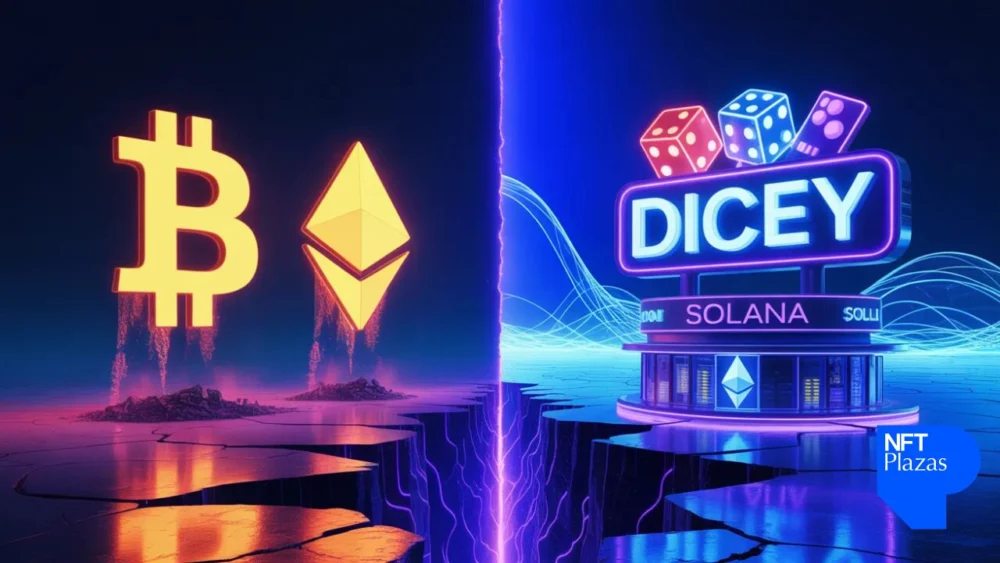
In a significant strategic realignment within the Web3 ecosystem, Magic Eden, once a dominant force in the multi-chain non-fungible token (NFT) marketplace, has announced its complete withdrawal from the Bitcoin and Ethereum Virtual Machine (EVM) NFT sectors. Effective March 9, 2026, the platform will cease all trading activities for assets native to these blockchain networks, initiating a critical period for thousands of users who must migrate their digital holdings before wallet functionalities are permanently disabled. This abrupt pivot marks a pivotal moment for Magic Eden and signals a broader recalibration within the NFT industry, moving away from universal multi-chain ambitions towards more focused, revenue-generating ventures.
The Strategic Shift: From Multi-Chain Dominance to Niche Profitability
Magic Eden’s decision, confirmed by co-founder and CEO Jack Lu, is rooted in financial imperatives. Lu openly acknowledged that the pursuit of a multi-chain strategy, while ambitious, had become an unsustainable financial burden for the company. At its zenith, Magic Eden commanded an impressive 80% of the trading volume for Bitcoin Ordinals, a testament to its operational efficiency and user adoption in nascent markets. However, despite this market share, the underlying economics of maintaining presence across disparate blockchain ecosystems, particularly those characterized by high operational costs and fluctuating market interest, proved challenging.
The company’s extensive foray into Bitcoin Ordinals and EVM-compatible chains like Ethereum, Polygon, and Arbitrum was part of a broader industry trend towards interoperability and capturing liquidity across the fragmented Web3 landscape. This strategy necessitated significant investment in infrastructure, security protocols, and development resources to support diverse blockchain architectures, each with its unique technical specifications and community dynamics. The associated costs, coupled with the increasingly competitive and often low-margin nature of NFT marketplace operations, eroded the profitability that Magic Eden sought to achieve through market expansion.
Instead of continuing to allocate capital to maintain a presence in what it now deems low-margin sectors, Magic Eden is reverting its core focus to the Solana blockchain, where it initially established its dominance. More crucially, the company is making a substantial strategic bet on Dicey, its newly launched iGaming platform. This move represents a calculated shift towards a business model promising more robust and predictable revenue streams.
Dicey’s Early Success and the Lure of iGaming
The early performance of Dicey has evidently been a key factor in Magic Eden’s strategic pivot. In just two months of its closed beta phase, Dicey has reported processing over $15 million in wagers from a highly concentrated user base of approximately 200 individuals. This rapid accumulation of transaction volume from a relatively small group underscores the lucrative potential of the iGaming sector (online casino and sports betting). Unlike the often speculative and volatile NFT market, iGaming platforms typically generate consistent cash flow through established business models, attracting a different type of user who engages in recurring transactions.
CEO Jack Lu highlighted this success in a social media update on February 27, 2026, stating, "It is clear we’re entering a new era where finance and entertainment merge. We are now 2 months into DiceyHQ’s closed beta and are incredibly bullish on how things have developed (~200 users, >$15M wagered)." This statement encapsulates the company’s renewed vision: to leverage its Web3 expertise in a sector with proven financial viability, thereby uncovering a "lucrative new goldmine" with actual cash flow. The iGaming market, projected to reach hundreds of billions of dollars globally by the end of the decade, offers a stark contrast to the often boom-and-bust cycles of the NFT market, presenting a more stable foundation for long-term growth.

The Impending Shutdown: A Critical Timeline for Holders
The timeline for Magic Eden’s withdrawal from Bitcoin and EVM NFT markets is aggressive, demanding immediate action from affected users. While specific staggered dates for various services were not fully detailed in the initial announcement, the overarching schedule is critical:
- March 9, 2026: All trading activities for Bitcoin Ordinals, BRC-20 tokens, and EVM-compatible NFTs (including those on Ethereum, Polygon, and other supported chains) will be officially halted. This means users will no longer be able to list, buy, or sell these assets on the Magic Eden platform.
- Early March 2026 (Ongoing): Users are strongly advised to delist any active listings for Bitcoin and EVM assets. This prevents potential issues with sales occurring just before the shutdown and ensures assets remain under the user’s direct control.
- Before April 1, 2026: This is the critical deadline for all users to withdraw their Bitcoin, BRC-20, and EVM NFTs and tokens from Magic Eden’s integrated wallets. After this date, Magic Eden will permanently disable its wallet features for these chains, meaning any assets remaining on the platform will become inaccessible to their rightful owners.
The company has directed users to its help center for detailed instructions and support regarding asset migration, emphasizing the urgency of these actions to prevent permanent loss of access.
Essential Actions for Affected Holders
For any individual holding Bitcoin Ordinals, BRC-20 tokens, or EVM-based NFTs on Magic Eden, immediate and decisive action is paramount. Failing to act before the April 1 deadline could result in irreversible loss of digital assets. Here are three crucial steps to secure your holdings:
- Delist All Active Listings: Before any other action, navigate to your Magic Eden profile and remove all active listings for Bitcoin and EVM assets. This ensures that your NFTs are not sold against your will as the platform transitions and that you retain full control over their movement.
- Withdraw Assets to a Private Wallet: This is the most critical step. Transfer all your Bitcoin Ordinals, BRC-20 tokens, and EVM NFTs to a self-custodial wallet (e.g., MetaMask for EVM assets, Xverse or Leather Wallet for Bitcoin Ordinals). Ensure the chosen wallet is compatible with the respective blockchain and that you have securely backed up your seed phrase or private keys. Do not rely on centralized exchanges for long-term storage of NFTs, as they may not fully support all NFT functionalities or might face their own operational changes.
- Verify All Transactions: After initiating withdrawals, diligently check your private wallet to confirm that all assets have been successfully transferred. Cross-reference the transaction IDs on the respective blockchain explorers (e.g., Etherscan for Ethereum, Ordinals.com for Bitcoin) to ensure the integrity and completion of the migration process.
It is crucial for users to exercise extreme caution during this period, remaining vigilant against potential phishing attempts or scams that may try to exploit the urgency of the situation. Always verify official communications from Magic Eden through their verified channels.
Broader Implications for the NFT Market and Web3 Landscape
Magic Eden’s retreat is not an isolated incident but rather indicative of a brutal purge sweeping across the broader NFT landscape. This move follows the permanent closure of Nifty Gateway, another prominent NFT marketplace, in January 2026. The cumulative effect of these high-profile exits signals the end of the "pleasing everyone on every blockchain" era, a strategy that many Web3 projects initially pursued in the fervent belief of a boundless, interconnected digital future.
The initial enthusiasm for multi-chain interoperability was driven by the vision of a seamless user experience, allowing assets to flow freely across networks. However, the practical realities often involved significant technical overhead, fragmented liquidity, and increased security vulnerabilities. The cost of supporting multiple blockchain standards, each with its unique development roadmap and community, proved to be an overwhelming burden for many platforms.

This trend underscores a maturing market where sustainability and clear revenue models are paramount. The days of speculative growth fueled by venture capital and unbridled optimism are giving way to a more pragmatic approach. Web3 projects are increasingly compelled to narrow their focus, optimize operations, and identify sustainable revenue streams. This pivot is evident in the growing interest in "GambleFi" (blockchain-based iGaming) and targeted "GameFi" (blockchain gaming) ecosystems, where direct monetization models, such as transaction fees, betting commissions, or in-game asset sales, provide more predictable cash flow compared to the often volatile secondary sales of NFTs.
Expert Commentary and Market Outlook
Market analysts suggest that Magic Eden’s decision, while disruptive for its users, is a rational business move in a challenging environment. "The multi-chain dream was compelling on paper, but the operational complexities and capital burn often outweighed the benefits for marketplaces," noted a senior blockchain analyst who preferred to remain anonymous due to ongoing consultations with affected entities. "We’re seeing a clear trend: platforms need to specialize, either by blockchain or by utility. Chasing every chain became a race to the bottom in terms of margins."
The withdrawal will undoubtedly impact the liquidity and user experience for Bitcoin Ordinals and EVM NFTs. While other marketplaces like OpenSea, Blur, and X2Y2 will likely absorb some of the displaced users and trading volume, the sudden consolidation could lead to temporary market fragmentation and a shift in user habits. For the Bitcoin Ordinals ecosystem, which is still relatively nascent, the departure of a major player like Magic Eden could temporarily slow its growth trajectory, pushing users towards alternative inscription platforms and marketplaces.
Conversely, this move reinforces Solana’s position as a key blockchain for Magic Eden’s future. The platform’s original success on Solana, characterized by lower transaction fees and faster processing times compared to Ethereum, provides a solid foundation for its renewed focus. The integration of iGaming through Dicey on Solana further positions Magic Eden to tap into a rapidly expanding digital entertainment market, leveraging blockchain technology for transparency and secure transactions within a regulated framework.
Conclusion: A New Era of Specialization in Web3
Magic Eden’s significant strategic shift is a stark reminder that the Web3 landscape is constantly evolving, driven by technological innovation, market demands, and financial realities. The "brutal purge" referenced by industry insiders signifies a necessary consolidation and a push towards specialization and sustainable business models. The era of broad, all-encompassing multi-chain platforms may be giving way to more focused entities that excel in specific niches, whether it be a particular blockchain, a distinct asset class, or a high-revenue utility like iGaming.
For NFT holders, this event underscores the importance of understanding the underlying infrastructure of their digital assets and the critical need for self-custody. The agility required to navigate such platform shifts will become an increasingly vital skill in the dynamic world of Web3. As Magic Eden embarks on its new chapter centered on Solana and iGaming, the broader industry will be watching closely to see if this strategic pivot provides the blueprint for survival and prosperity in an increasingly competitive and maturing digital economy. The future of Web3, it appears, will be defined not by the breadth of its reach, but by the depth of its sustainable innovation and economic viability.