admin
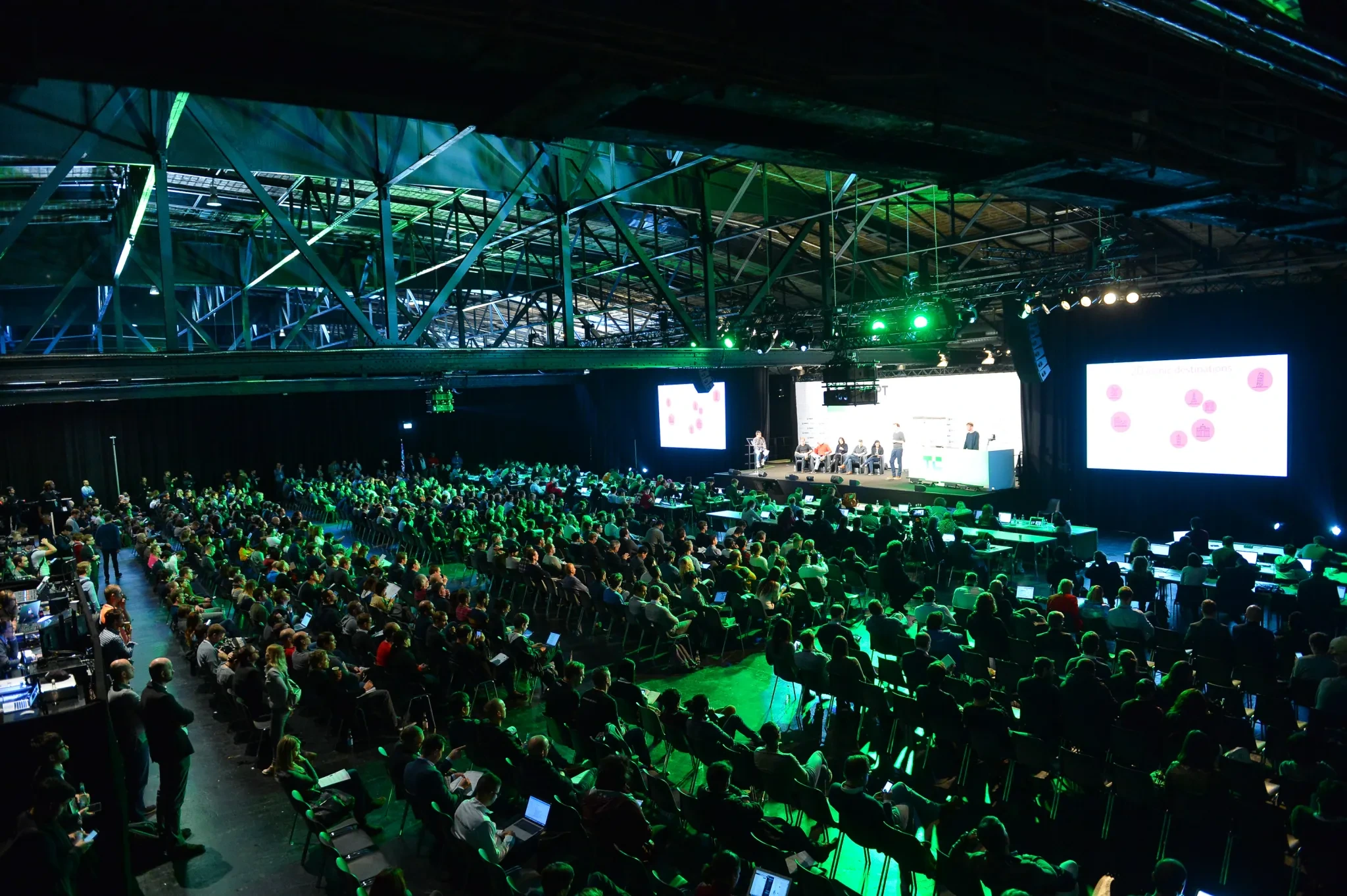
The global technology sector is turning its attention toward San Francisco as the final 24-hour countdown begins for early-bird registration for TechCrunch Disrupt 2026. Market participants, including venture capitalists, early-stage founders, and corporate operators, have until midnight tonight to secure a discount of up to $200 on tickets for the landmark event, which is scheduled to take place from October 13 to October 15 at the Moscone West convention center. This pricing deadline marks a pivotal moment in the lead-up to one of the industry’s most influential gatherings, occurring at a time when the tech landscape is navigating rapid shifts in artificial intelligence, sustainable infrastructure, and venture capital liquidity.
The 2026 iteration of Disrupt is expected to draw more than 10,000 attendees, consolidating months of traditional business development, market research, and investor relations into a concentrated three-day window. Beyond the individual savings of $200, the organizers have introduced a tiered incentive structure designed to encourage collaborative attendance, including a 50% discount on a second pass of the same type and group rates that offer up to 30% off for teams of four or more. As the deadline approaches, the emphasis from industry analysts and the event’s organizers remains centered on the concept of strategic momentum—the ability for startups and investors to accelerate their growth trajectories through high-density networking and intelligence gathering.
The Strategic Importance of TechCrunch Disrupt in the Innovation Lifecycle
TechCrunch Disrupt has long served as a bellwether for the technology industry, functioning as both a launchpad for nascent startups and a forum for established leaders to debate the future of the digital economy. The event is perhaps most famous for its Startup Battlefield competition, a high-stakes arena that has historically featured companies that went on to define their respective categories. Past participants and winners of the Battlefield have collectively raised billions of dollars in follow-on funding, with alumni including household names such as Dropbox, Fitbit, and Cloudflare.
In the context of 2026, the event’s value proposition is built on the compression of time. For a founder, the process of identifying the right venture partner, conducting market validation, and building a competitive intelligence profile can often take six to nine months of fragmented effort. The Disrupt framework aims to condense these activities into 72 hours. By hosting over 250 sessions across six specialized industry stages, the conference provides a comprehensive overview of the current state of the art in sectors ranging from generative AI and fintech to healthtech and hardware.

A Chronology of TechCrunch Disrupt: From Battlefield to Global Stage
To understand the weight of the 2026 event, one must look at the evolution of the Disrupt brand over the past two decades. Originally conceived as a way to bring the raw energy of the Silicon Valley startup scene to a broader audience, the event has transitioned through several distinct eras of technology.
- The Early Years (2007–2012): Initially known as the TechCrunch40, the event focused heavily on web 2.0 and the burgeoning mobile revolution. It established the "Battlefield" format, where founders presented to a panel of expert judges, including top-tier VCs and tech luminaries.
- The Expansion Era (2013–2019): Disrupt expanded globally, holding events in London, Berlin, and Beijing. This period saw the rise of the "Unicorn" phenomenon, with the conference serving as a primary stage for companies navigating the transition from seed-stage experiments to massive scale-ups.
- The Hybrid Shift (2020–2023): In response to global health challenges, the event pioneered high-production virtual and hybrid formats. This era emphasized the democratization of access, allowing founders from emerging markets to pitch to Silicon Valley investors without the necessity of immediate travel.
- The Renaissance of In-Person Connection (2024–Present): By 2024 and 2025, the industry saw a significant return to physical gatherings. The 2026 event at Moscone West represents the culmination of this trend, emphasizing that while digital tools have streamlined operations, the high-trust environment of face-to-face interaction remains the primary driver of major investment decisions and strategic partnerships.
Supporting Data: The Impact of High-Density Networking
The decision to attend a major industry conference is increasingly scrutinized through the lens of Return on Investment (ROI). Data from previous TechCrunch Disrupt events suggests that the density of participants is a primary factor in successful outcomes. With an expected 10,000+ attendees in 2026, the statistical probability of a founder encountering a compatible investor or a key strategic partner increases exponentially compared to traditional outreach methods.
According to historical attendance data, Disrupt typically attracts a diverse mix of ecosystem participants:
- Founders and Co-founders: Approximately 40% of the audience, representing the next wave of innovation.
- Investors (VCs, Angels, and PE): Roughly 20%, ranging from seed-stage specialists to late-stage institutional investors.
- Corporate Operators and Executives: 25%, looking for M&A opportunities, partnership deals, or digital transformation insights.
- Media and Analysts: 10%, providing the narrative and critical analysis that drives market sentiment.
- Students and Academics: 5%, representing the future talent pool of the technology sector.
The "Momentum" factor, cited as the primary reason for the current registration push, is backed by the sheer volume of content. With 250+ sessions, an attendee can theoretically gain a year’s worth of market insights in three days. This is particularly relevant in 2026, where the half-life of technical knowledge in fields like AI is shorter than ever before.
Official Positioning and Industry Reactions
While official statements from TechCrunch leadership emphasize the urgency of the ticket deadline, the broader industry reaction highlights a sense of pragmatic optimism. Analysts suggest that the 2026 event will be a critical litmus test for the "post-AI hype" era. As the initial surge of interest in large language models matures into a focus on sustainable business models and integration, Disrupt 2026 is expected to showcase companies that have moved beyond the "proof of concept" stage into meaningful revenue generation.

"The value of Disrupt has always been its ability to cut through the noise," noted one Silicon Valley venture partner who has attended the event for over a decade. "In a market where everyone claims to be an AI company, having a physical venue where you can see the technology, meet the team, and gauge the reaction of the crowd is invaluable. The $200 savings is a tactical incentive, but the real cost of missing the event is the loss of situational awareness in a fast-moving market."
Founders, too, view the event as a forcing function. For many, the October dates serve as a deadline for product launches or the commencement of a new fundraising round. The structure of the event—moving from high-level keynote sessions to intimate industry-specific stages—allows for a "funnel" approach to networking, where broad insights lead to specific, actionable conversations.
Broader Impact and Market Implications
The concentration of tech talent and capital in San Francisco for three days in October has implications that extend beyond the walls of Moscone West. The event serves as a catalyst for the local economy, but more importantly, it sets the tone for the final quarter of the fiscal year and the outlook for the following year.
1. The Capital Flow Catalyst
Disrupt often serves as the starting gun for the fall fundraising season. By bringing thousands of investors into a single zip code, the event facilitates "hallway deals" and follow-up meetings that can dictate the flow of venture capital for the next six months. The insights shared on stage regarding investor sentiment and "dry powder" availability provide a roadmap for founders planning their 2027 runways.
2. Market Validation and Competitive Intelligence
For early-stage companies, Disrupt is a primary site for competitive intelligence. Seeing what peers are building and how they are positioning themselves in the market allows founders to pivot or double down on their unique value propositions. The six industry stages act as a live-action market map, revealing which sectors are attracting the most talent and capital.

3. The "Monday Morning" Effect
The organizers highlight that the goal of the event is to ensure that "Monday looks different." This refers to the tangible progress made during the conference—a meeting that turns into a term sheet, a question that leads to a product pivot, or a casual conversation that results in a major corporate partnership. In an industry defined by speed, the ability to "leave further ahead than you arrived" is a significant competitive advantage.
Conclusion: Final 24-Hour Window
As the clock moves toward midnight, the window for securing the current discount on TechCrunch Disrupt 2026 tickets is rapidly closing. The $200 savings, combined with the 50% "second pass" offer and group discounts, represents the most cost-effective entry point for an event that has become a cornerstone of the global technology calendar.
For founders, investors, and operators, the next 24 hours are not merely about a financial transaction; they are about securing a seat at a table where the next decade of technological evolution will be debated, demonstrated, and funded. With the tech ecosystem showing no signs of slowing down, the momentum built at Moscone West this October is likely to be a defining factor in which companies lead the market into 2027 and beyond. Participants are encouraged to register before the midnight deadline to ensure they are positioned to take full advantage of the insights, connections, and opportunities that only a high-density environment like TechCrunch Disrupt can provide.